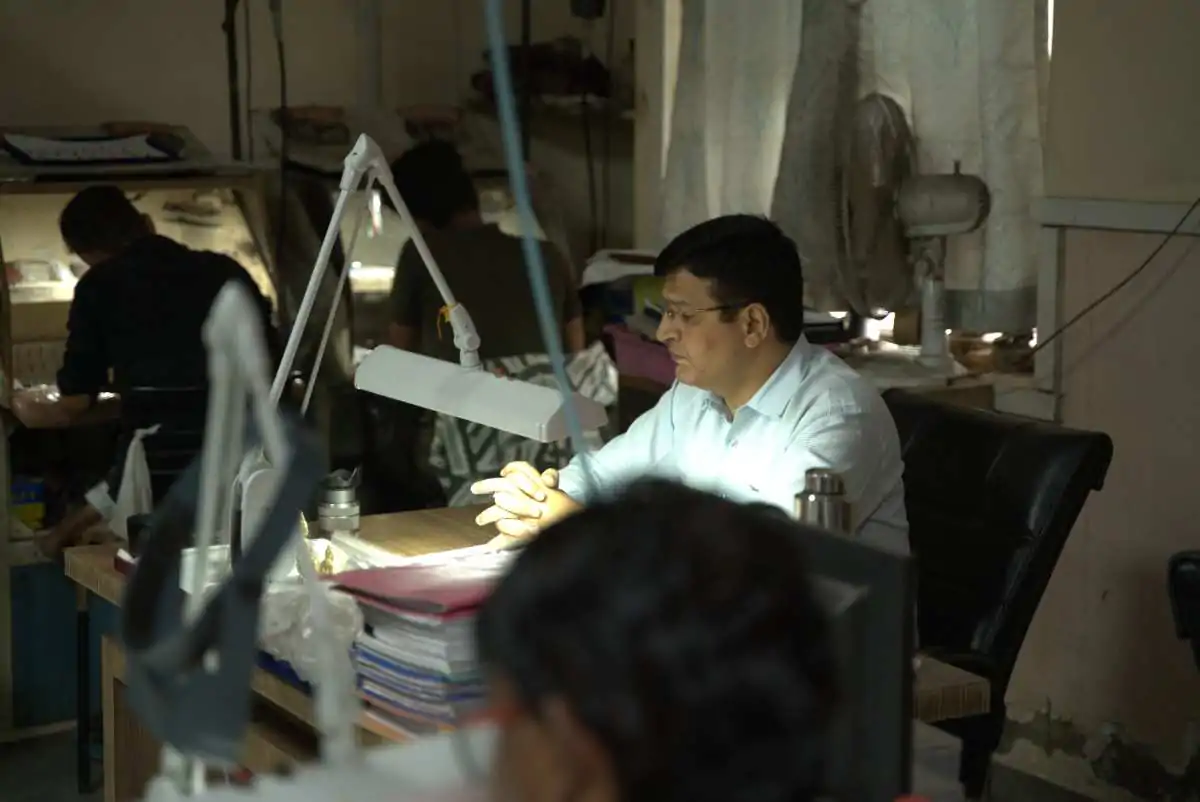
The growing interest in lab-grown diamonds has changed the way people approach fine jewelry, especially in the United States. Among the different technologies used to create lab-grown diamonds, Chemical Vapor Deposition (CVD) has become an important method for producing diamonds with properties similar to naturally mined diamonds. From engagement rings and wedding bands to earrings, pendants, and custom designs, CVD diamonds are now being used across a wide range of jewelry styles. However, choosing the right piece requires more than simply comparing prices. Buyers should understand diamond quality, certification, manufacturing standards, craftsmanship, metal selection, and the reputation of the supplier before making a purchase. For customers exploring CVD Jewelry in USA, the goal should be to find jewelry that combines reliable diamond quality with skilled craftsmanship and transparent sourcing information. Whether you are purchasing a single engagement ring or looking for a long-term jewelry manufacturing partner, understanding how CVD diamonds are produced and graded can make the buying process much easier. Jaitam Jewels focuses on providing thoughtfully manufactured diamond jewelry while helping buyers and businesses make informed decisions based on quality, design, and individual requirements. What Is CVD Jewelry? CVD jewelry refers to jewelry made using diamonds produced through the Chemical Vapor Deposition process. In this method, a diamond seed is placed inside a controlled chamber where carbon-containing gases are introduced under carefully regulated conditions. Energy is used to break down the gases, allowing carbon atoms to gradually deposit onto the diamond seed and form a crystalline diamond structure. The resulting laboratory-grown diamond is a real diamond rather than an imitation material. It has the same fundamental carbon crystal structure as a mined diamond, although its origin is different. The main distinction is that a CVD diamond is grown in a laboratory environment instead of being formed naturally underground over geological periods. This distinction is important for consumers because terms such as lab-grown, laboratory-created, synthetic, and simulant can sometimes be confusing. A diamond simulant such as cubic zirconia is not diamond, whereas a laboratory-grown diamond has the essential physical and chemical characteristics associated with diamond. Buyers should always check the grading documentation and product information provided with their jewelry. Why Is CVD Jewelry Becoming Popular in the USA? The American jewelry market has increasingly embraced laboratory-grown diamonds because consumers are becoming more interested in understanding where their jewelry comes from, how it is produced, and how its price relates to diamond characteristics. CVD technology has contributed to this market by enabling manufacturers to grow diamonds under controlled conditions. Another reason for the growing interest is the variety of jewelry that can be created using laboratory-grown diamonds. CVD diamonds can be incorporated into classic solitaire rings, halo designs, tennis bracelets, diamond studs, pendants, wedding bands, and customized jewelry. This gives buyers considerable flexibility when selecting a design. For businesses, CVD diamonds can also provide additional options when developing jewelry collections. Retailers and jewelry brands can select different diamond sizes, shapes, grades, and settings according to their target customers and product positioning. How to Choose the Best CVD Jewelry in USA Choosing the right CVD jewelry should involve several factors rather than focusing on a single characteristic. A beautiful design may attract attention initially, but diamond quality, certification, metal purity, manufacturing precision, and supplier transparency are equally important for a long-term purchase. 1. Understand the Four Cs of the Diamond The first step is to understand the traditional four Cs: cut, color, clarity, and carat weight. These characteristics help buyers compare diamonds more objectively. Cut affects how effectively a diamond interacts with light. A well-cut diamond can appear bright and lively because its facets are positioned to reflect light effectively. For many jewelry buyers, cut can have a noticeable impact on the overall appearance. Color refers to how much color is visible in a diamond. For traditional colorless diamond grading, higher grades generally indicate less visible body color. However, the ideal color grade can depend on the jewelry design and the metal used. Clarity describes the presence of internal inclusions and surface characteristics. Not every inclusion will be visible to the naked eye, so buyers should consider both the grading information and the actual appearance of the diamond. Carat weight refers to the diamond’s weight rather than its physical dimensions alone. Two diamonds with the same carat weight can look different depending on their shape, cut proportions, and setting. Understanding these factors allows buyers to make decisions based on the complete quality profile instead of choosing a diamond simply because it has a larger carat weight. 2. Check Diamond Certification Certification or grading documentation is another important consideration when buying CVD diamond jewelry. An independent gemological laboratory can evaluate characteristics such as carat weight, color, clarity, cut, and other identifying information. A grading report can provide buyers with greater confidence about what they are purchasing. When comparing different pieces, look for clear documentation and make sure the diamond information corresponds with the jewelry being offered. For higher-value purchases, buyers should avoid relying solely on general descriptions such as “excellent diamond” or “premium CVD diamond.” Specific grading information provides a much more useful basis for comparison. 3. Consider the Jewelry Metal The diamond is only one component of a finished jewelry piece. The metal used for the setting can significantly influence its appearance, durability, and overall style. Gold remains one of the most popular choices for diamond jewelry. Yellow gold creates a traditional and warm appearance, while white gold offers a contemporary look that can complement colorless diamonds. Rose gold provides a softer, distinctive appearance and can work particularly well with modern jewelry designs. Buyers should also consider the purity of the gold. Common options include 14K and 18K gold, with each offering a different balance of gold content, durability, appearance, and price. When purchasing from a professional jewelry manufacturer, ask about the metal specification, hallmarking where applicable, and the construction of the setting. 4. Look Closely at Craftsmanship A high-quality diamond can lose some of its visual appeal if the jewelry… Continue reading How to Choose the Best CVD Jewelry in USA

Category: CVD Diamonds
Is CVD Jewelry the Future of Affordable Luxury in the USA?
The American jewelry market is changing as consumers increasingly look for jewelry that combines beauty, quality, personalization, and accessible pricing. One of the developments attracting attention is the growing availability of CVD jewelry in USA. CVD, or Chemical Vapor Deposition, is a technology used to produce laboratory-grown diamonds with essentially the same chemical, physical, and optical properties as mined diamonds. As consumers become more familiar with laboratory-grown diamonds, CVD jewelry is becoming an increasingly relevant category for engagement rings, earrings, pendants, bracelets, and fashion jewelry. For jewelry brands, retailers, wholesalers, and buyers, this shift creates an important opportunity. The growing interest in laboratory-grown diamond jewelry means businesses can offer visually impressive diamond pieces at price points that may be more accessible than comparable mined-diamond jewelry. At the same time, success in the U.S. market requires more than simply offering lower prices. Buyers increasingly want transparent information about diamond origin, quality, certification, craftsmanship, metal specifications, and overall product value. For this reason, choosing a dependable CVD Jewelry Supplier in USA or an experienced international jewelry manufacturer can play an important role in building long-term customer trust. What Is CVD Jewelry? CVD jewelry refers to jewelry that incorporates diamonds produced through the Chemical Vapor Deposition process. In this method, a diamond seed is placed inside a controlled chamber containing carbon-containing gases. Under carefully managed conditions, carbon atoms deposit onto the seed and gradually form a diamond crystal. The resulting laboratory-grown diamond is not simply a look-alike material such as glass or cubic zirconia. Laboratory-grown diamonds have the same fundamental chemical composition and physical properties as diamonds formed naturally, although their origin is different. The U.S. Federal Trade Commission advises sellers to clearly identify laboratory-created or laboratory-grown diamonds as such rather than presenting them as mined diamonds. This distinction is particularly important for companies selling CVD Jewelry USA products online. Product pages, advertisements, catalogs, and other marketing materials should communicate the diamond’s laboratory-grown origin clearly and accurately. Why Is CVD Jewelry Becoming Important in the USA? The U.S. jewelry industry is experiencing a significant shift in the way consumers think about diamond purchases. Price, size, design flexibility, and the desire for everyday wear are becoming important considerations alongside traditional ideas of diamond ownership. Recent U.S. industry research shows that lab-grown diamond jewelry sales are increasing in volume. A 2026 De Beers report also found that synthetic lab-grown diamond jewelry represented 15% of independent jewelers’ diamond sales value in 2025, although natural diamonds continued to hold the larger value share. Another 2026 jewelry industry survey found that two-thirds of independent jewelers either already sell more lab-grown than natural diamonds in engagement jewelry or expect that to happen during the year. The same report found that 85% of surveyed jewelry stores stock both lab-grown and natural diamonds. These developments indicate that laboratory-grown diamonds are becoming an established part of the U.S. jewelry conversation rather than being limited to a niche segment. CVD Jewelry and the Idea of Affordable Luxury Luxury has traditionally been associated with rarity, exclusivity, craftsmanship, and high prices. However, the definition of luxury is evolving. Modern consumers can be interested in premium design and quality while still being conscious of how much they spend. This is where CVD diamond jewelry can create an interesting proposition. A buyer may want a larger center stone, a more intricate setting, or a coordinated jewelry collection but may not want to allocate the same budget required for a comparable mined diamond. Laboratory-grown diamonds can provide another option, allowing brands to develop designs around different customer budgets. For consumers, the appeal may therefore be less about replacing traditional diamonds and more about expanding the range of choices available. For retailers, this creates opportunities to develop collections around: Engagement rings Wedding bands Tennis bracelets Diamond earrings Pendant necklaces Cocktail rings Stackable rings Personalized jewelry Bridal jewelry sets Everyday diamond jewelry The important factor is that affordable luxury should not mean compromising on craftsmanship, finishing, metal quality, or transparency. Why Choose a Reliable CVD Jewelry Supplier in USA? For retailers and jewelry businesses, the supplier behind a product collection can have a major influence on customer satisfaction. A reliable supplier should be able to provide consistent quality, accurate specifications, professional communication, and dependable fulfillment. When evaluating a Reliable CVD Jewelry Supplier in USA, buyers should look beyond the price quoted for the finished piece. A supplier relationship should be evaluated across the complete production and purchasing process. Important considerations include diamond quality, grading documentation, metal purity, manufacturing standards, stone setting, finishing, packaging, customization capabilities, minimum order quantities, production timelines, and after-sales support. A strong supplier should also communicate clearly about whether a diamond is laboratory-grown, what grading documentation is available, and what specifications apply to each product. This level of transparency becomes especially important when jewelry is being resold to U.S. consumers. The FTC’s Jewelry Guides emphasize that jewelry marketing should truthfully represent important characteristics such as type, quality, size, weight, origin, treatment, and other material information. CVD Jewelry Supplier in USA: What Should Retailers Look For? Finding a CVD Jewelry Supplier in USA is not simply about searching for the lowest wholesale price. A professional supplier should understand the requirements of jewelry retailers and provide products that can be confidently presented to customers. A good supplier relationship generally involves several elements. Consistent Diamond Quality Consistency matters when ordering multiple pieces or building a collection. Retailers need confidence that the diamonds supplied match the agreed specifications and that product descriptions accurately represent the actual jewelry. Professional Manufacturing The setting, polishing, symmetry, finishing, prongs, clasps, and overall construction can significantly affect how a jewelry piece looks and performs. Clear Documentation For higher-value pieces, buyers may want grading documentation or other relevant product information. Clear documentation makes it easier for retailers to explain their products to customers. Customization U.S. consumers increasingly appreciate personalization. A supplier capable of supporting custom sizes, shapes, settings, metals, and designs can help retailers create differentiated collections. Reliable Communication International and domestic jewelry purchasing involves coordination… Continue reading Is CVD Jewelry the Future of Affordable Luxury in the USA?
Common Myths About CVD Diamond Jewelry: What Buyers in the USA Should Know
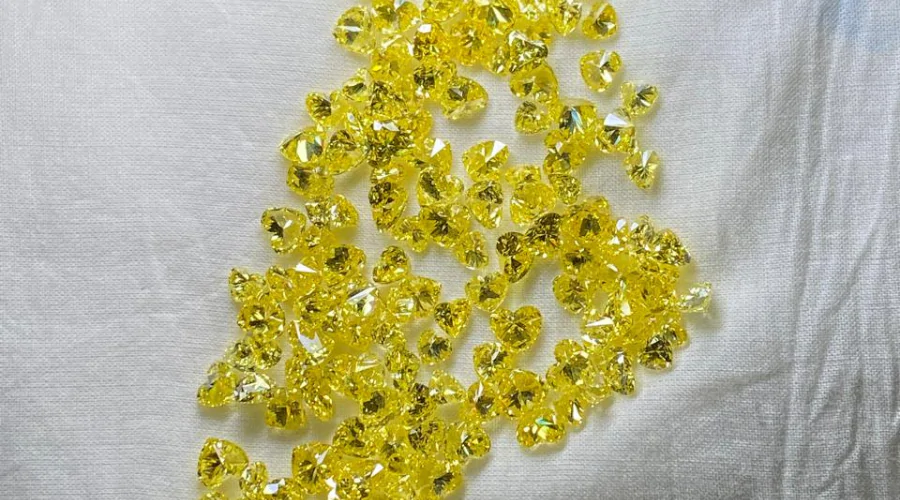
CVD diamond jewelry has become an increasingly popular choice for modern jewelry buyers who want the beauty, brilliance, and durability of diamonds with a contemporary approach to sourcing and production. As more consumers, professionals, and jewelry businesses in the United States explore laboratory-grown diamonds, questions and misconceptions about CVD diamonds are also becoming more common. Chemical Vapor Deposition, commonly known as CVD, is a laboratory process used to create diamonds with the same fundamental carbon crystal structure as natural diamonds. However, many myths still create confusion about their quality, appearance, certification, and value. At Jaitam Jewels, we believe that informed buyers make better jewelry decisions. Whether you are searching for CVD Jewelry USA, looking for the Best CVD Jewelry in USA, purchasing CVD Jewelry for Professionals in USA, or comparing Certified CVD Diamonds USA, understanding the facts behind CVD diamonds can help you choose jewelry with greater confidence. This guide addresses some of the most common myths about CVD diamond jewelry and explains what buyers should actually know before making a purchase. What Are CVD Diamonds? CVD diamonds are laboratory-grown diamonds produced using a controlled Chemical Vapor Deposition process. During this process, a carbon-containing gas is introduced into a specialized chamber under controlled conditions. The carbon atoms gradually deposit onto a diamond seed and form a crystalline diamond layer. Over time, the crystal develops into a laboratory-grown diamond that can be cut, polished, and used in jewelry. One of the most important facts about CVD diamonds is that they are not simply diamond-like alternatives. A properly produced CVD diamond is a real diamond because it consists of crystallized carbon arranged in the characteristic diamond structure. The primary distinction is its origin: natural diamonds develop through geological processes over extremely long periods, while CVD diamonds are created in controlled laboratory environments. For buyers interested in CVD Jewelry USA, this distinction is important because the choice between natural and laboratory-grown diamonds can involve factors such as origin, budget, design preferences, certification, and intended use. Myth 1: CVD Diamonds Are Not Real Diamonds Perhaps the most common misconception is that CVD diamonds are fake diamonds. This is incorrect. CVD diamonds are laboratory-grown diamonds, meaning they are created through a technological process rather than mined from the earth. The word “laboratory-grown” describes their origin, not their basic material identity. CVD diamonds are made from carbon and have the diamond crystal structure. They can display the fire, brilliance, hardness, and optical characteristics associated with diamonds when properly grown and cut. This is why buyers should distinguish between a lab-grown diamond, a diamond simulant, and imitation jewelry. Materials such as cubic zirconia or certain types of glass are diamond simulants, whereas a CVD diamond is a laboratory-grown diamond. When shopping for CVD jewelry, customers should ask for clear product information and appropriate diamond documentation. This is especially relevant when purchasing Certified CVD Diamonds USA, where independent grading information can provide additional details about the diamond’s characteristics. Myth 2: CVD Diamonds Look Completely Different From Natural Diamonds Another common myth is that people can easily identify a CVD diamond simply by looking at it. In reality, determining whether a diamond is laboratory-grown or naturally mined generally requires specialized gemological testing and appropriate documentation. A well-cut CVD diamond can have impressive brilliance and sparkle because these qualities depend heavily on the diamond’s cut, proportions, clarity, and polishing. A beautifully designed CVD diamond ring, pendant, bracelet, or pair of earrings can therefore offer the visual appeal that customers expect from fine diamond jewelry. For everyday buyers, the most important considerations should include the diamond’s grading information, cut quality, color, clarity, carat weight, craftsmanship, and the reputation of the jeweler. Instead of relying on visual assumptions, buyers should purchase from a trusted source that provides transparent information. Myth 3: CVD Diamonds Are Poor Quality The quality of a CVD diamond depends on how it is grown, processed, cut, and graded. It is inaccurate to assume that every CVD diamond is automatically low quality. Like natural diamonds, laboratory-grown diamonds can vary considerably in their characteristics. Some may have excellent color and clarity, while others may show inclusions, color characteristics, or growth-related features. The cutting process also plays an important role in determining how effectively a diamond reflects light. For this reason, customers looking for the Best CVD Jewelry in USA should not choose jewelry based only on the term “CVD.” Instead, they should consider the complete product, including the diamond quality, setting, metal, craftsmanship, certification where applicable, and seller transparency. Myth 4: CVD Jewelry Is Only Suitable for Budget Buyers CVD jewelry is often associated with affordability, but limiting its appeal to budget-conscious shoppers overlooks its broader possibilities. CVD diamonds can be incorporated into many types of jewelry, from simple everyday pieces to sophisticated designs intended for special occasions. A customer may choose a CVD diamond because they prefer laboratory-grown diamonds, want a particular carat size or design within a defined budget, or simply appreciate the modern technology behind the product. The choice does not have to be based solely on price. At Jaitam Jewels, CVD jewelry can be approached as a design and purchasing choice rather than simply a low-cost substitute. The final value of a jewelry piece also depends on its design, craftsmanship, metal, setting quality, finishing, and overall presentation. Myth 5: All CVD Diamonds Are Exactly the Same CVD diamonds are not identical to one another. Laboratory-grown diamonds can have different grades, sizes, colors, clarity characteristics, proportions, and growth histories. The CVD process itself has also evolved over time. Manufacturers can use different production conditions and post-growth treatments to achieve desired characteristics. As a result, buyers should evaluate individual diamonds rather than making assumptions about the entire category. This is particularly important for professionals purchasing multiple pieces or sourcing jewelry for retail. CVD Jewelry for Professionals in USA should be evaluated based on consistency, documentation, production capabilities, design requirements, quality control, and supplier reliability. Myth 6: CVD Diamonds Cannot Be Certified Another misconception is that CVD diamonds… Continue reading Common Myths About CVD Diamond Jewelry: What Buyers in the USA Should Know
CVD Diamond Jewelry Buying Guide: Quality, Cut, Clarity and Value
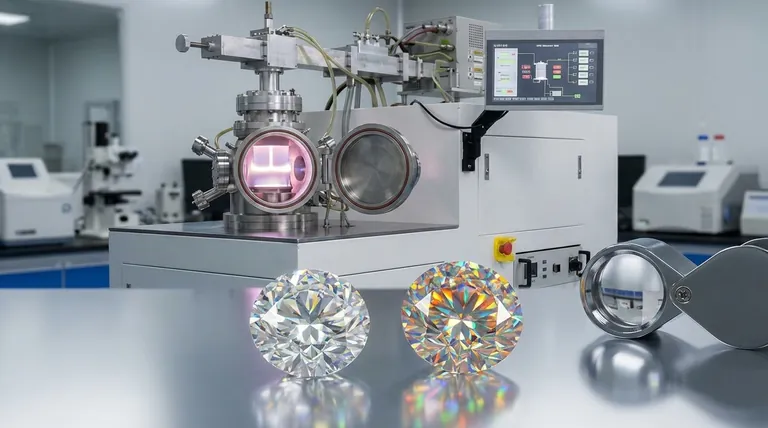
Buying diamond jewelry is an important decision, whether you are choosing an engagement ring, wedding jewelry, anniversary gift, everyday piece, or a statement design for a special occasion. Today, CVD diamond jewelry has become an increasingly popular choice for shoppers who want diamond jewelry with modern production technology and a wide range of design and pricing options. For customers searching for Top CVD Jewelry in USA, understanding how quality is evaluated can make the buying process much easier. Instead of focusing only on appearance or price, buyers should consider the diamond’s cut, clarity, color, carat weight, certification, setting, craftsmanship, and the overall value of the jewelry. For shoppers exploring CVD Jewelry USA, CVD Diamond Jewelry USA, or CVD Diamond Rings USA, the most important step is knowing exactly what you are purchasing. CVD diamonds are laboratory-grown diamonds produced using Chemical Vapor Deposition technology. They are diamonds with the same basic carbon crystal structure as natural diamonds, while their origin is different. Jaitam Jewels brings this modern diamond category into thoughtfully designed jewelry, giving customers options for rings and other diamond jewelry styles. A good buying decision should combine diamond quality, design preferences, budget, craftsmanship, and transparent product information rather than relying on a single feature. What Are CVD Diamonds? CVD stands for Chemical Vapor Deposition. It is a laboratory process used to grow diamonds from carbon-containing gases under controlled conditions. During the process, carbon atoms are deposited onto a diamond seed and gradually form a crystalline diamond structure. The resulting laboratory-grown diamond is made of carbon in the diamond crystal structure. The key difference between a CVD diamond and a mined diamond is origin, not simply the visual appearance. A natural diamond forms naturally within the Earth over geological timescales. A CVD diamond is grown in a controlled laboratory environment using advanced technology. This distinction is important when shopping for CVD Diamond Jewelry USA, because buyers should understand the product’s origin and review the information provided by the jeweler. Why Is CVD Diamond Jewelry Becoming Popular? Modern jewelry buyers often want a combination of beauty, design flexibility, quality, and value. CVD diamonds provide another option for consumers who are interested in laboratory-grown diamonds. Because laboratory production is controlled, CVD diamonds can be available in a broad range of sizes and qualities. This gives jewelry designers greater flexibility when creating rings, earrings, pendants, bracelets, and other pieces. For shoppers comparing Best CVD Jewelry USA options, the focus should therefore be on the quality of the individual diamond and the craftsmanship of the finished jewelry. A beautiful design with a well-cut diamond can make a piece memorable regardless of whether the jewelry is intended for an engagement, celebration, gifting, or everyday wear. The 4Cs of CVD Diamond Quality When buying a CVD diamond, shoppers can use the familiar 4Cs as a starting point: Cut Color Clarity Carat These four characteristics help buyers understand diamond quality and compare different stones. However, the 4Cs should not be viewed separately. A diamond’s appearance depends on how these characteristics interact. For example, a well-cut diamond may appear more lively and brilliant than a poorly cut diamond of the same carat weight. Similarly, choosing slightly different clarity or color grades can allow buyers to allocate more of their budget toward the characteristics they value most. 1. Cut: One of the Most Important Factors Cut is often one of the most important considerations when evaluating a diamond’s visual performance. It refers to how successfully the diamond has been shaped and proportioned to interact with light. A well-cut diamond can reflect and return light effectively, creating brightness, fire, and scintillation. This is why buyers searching for CVD Diamond Rings USA should pay close attention to cut quality rather than choosing a diamond solely based on carat weight. A larger diamond is not automatically more attractive. The proportions, symmetry, polish, and overall cutting quality can have a major influence on how the stone looks. For an engagement ring or statement piece, a high-quality cut can make the diamond appear lively and visually impressive. Why Cut Matters in CVD Diamond Rings Imagine two diamonds with the same carat weight. One has excellent proportions and has been cut to interact effectively with light. The other has weaker proportions. Although both diamonds may have the same weight, they can look noticeably different. This is why customers considering CVD Jewelry USA should compare the complete diamond specifications rather than focusing on size alone. The setting also influences how the diamond is perceived. A well-designed setting can complement the stone and allow appropriate light interaction. 2. Clarity: Understanding Natural Inclusions and Characteristics Clarity refers to the presence or absence of internal and external characteristics within a diamond. These characteristics can occur in both natural and laboratory-grown diamonds. Higher clarity grades generally indicate fewer visible inclusions or blemishes under the grading conditions used by the relevant laboratory. However, buyers should remember that a higher clarity grade does not always mean a visibly better-looking diamond for the specific budget. Many diamonds with some inclusions can still appear clean to the naked eye. The right choice depends on the diamond’s size, shape, location of inclusions, and how visible they are. For customers shopping for Top CVD Jewelry in USA, understanding clarity can help avoid paying for a clarity grade that may not provide a noticeable visual difference. 3. Color: Choosing the Right Appearance Diamond color is another important consideration. For traditional white diamond grading, diamonds are generally evaluated on a scale that moves from more colorless grades toward diamonds with increasingly noticeable body color. The visual difference between neighboring grades may be subtle, particularly when a diamond is mounted in jewelry. The best choice depends on personal preference and the setting. For example, a yellow-gold setting can create a different visual impression from a platinum or white-gold setting. Rather than automatically choosing the highest possible color grade, buyers should consider how the diamond will look once it becomes part of the finished jewelry. 4. Carat: Size and Weight… Continue reading CVD Diamond Jewelry Buying Guide: Quality, Cut, Clarity and Value
Why CVD Diamond Jewelry Is Perfect for Everyday Wear
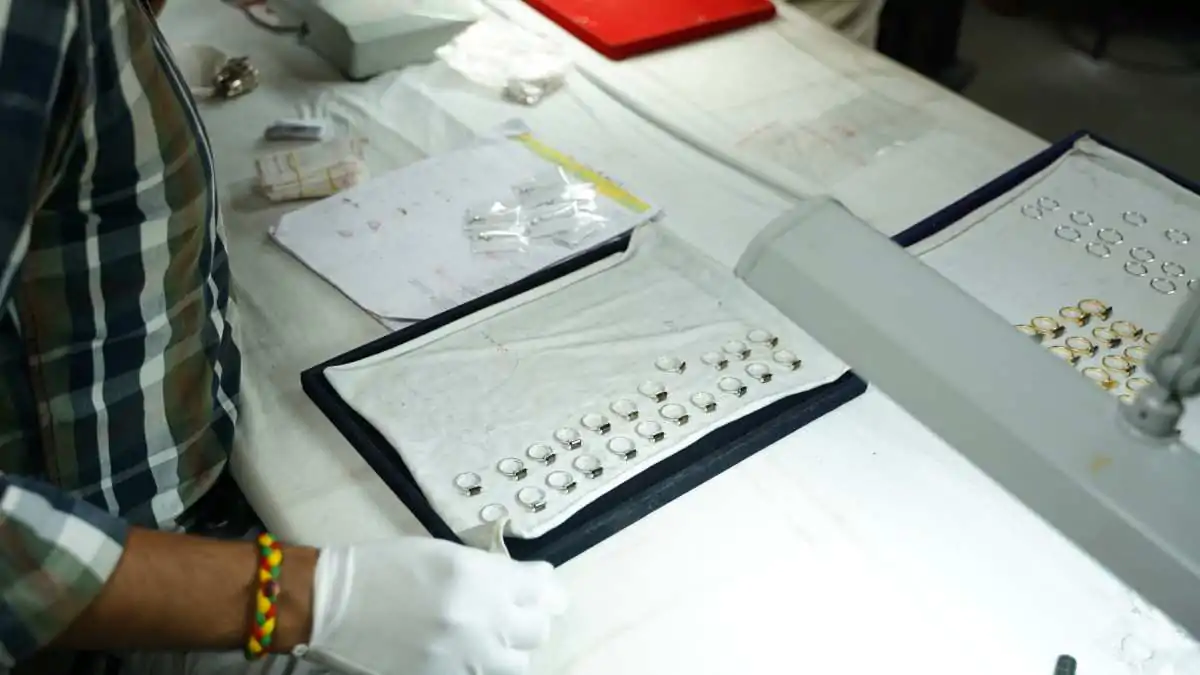
The way people shop for fine jewelry in the United States has changed dramatically over the last few years. Buyers today want jewelry that looks luxurious, offers exceptional quality, fits comfortably into everyday life, and provides excellent value without compromising beauty. This shift has made CVD Jewelry USA one of the fastest-growing categories in the jewelry industry. Whether someone is searching for elegant earrings, timeless necklaces, sparkling rings, or sophisticated bracelets, CVD diamond jewelry delivers everything modern consumers expect from premium jewelry. It combines brilliance, durability, and contemporary craftsmanship, making it an excellent choice for professionals, students, travelers, and anyone who loves wearing diamonds every day. At Jaitam Jewels, we believe luxury should never be reserved only for special occasions. Every jewelry piece should become part of your daily style while maintaining the elegance and sparkle that diamonds are known for. Our exclusive collection of lab grown jewelry USA is carefully designed to offer outstanding quality, modern aesthetics, and exceptional craftsmanship. From classic solitaire rings to minimalist pendants and stylish bracelets, Jaitam Jewels creates pieces that blend seamlessly into everyday wardrobes while giving customers confidence, comfort, and timeless beauty. As more Americans discover the advantages of lab grown diamond jewelry USA, everyday luxury has become more accessible than ever before. What Is CVD Diamond Jewelry? CVD stands for Chemical Vapor Deposition, an advanced technology used to create real diamonds in highly controlled laboratory conditions. Instead of forming naturally beneath the Earth’s surface over millions of years, CVD diamonds are grown using carbon atoms that gradually develop into a genuine diamond crystal. The result is a diamond with the same chemical composition, optical brilliance, hardness, and durability as a mined diamond. Unlike diamond simulants, CVD diamonds are authentic diamonds that possess the same sparkle, fire, and clarity expected from fine jewelry. This innovative process has transformed the jewelry industry by offering consumers more choices without sacrificing quality. Across the United States, buyers increasingly prefer CVD diamond jewelry because it delivers premium appearance, certified quality, and outstanding craftsmanship while fitting modern lifestyles. Whether choosing engagement rings, pendants, earrings, tennis bracelets, or fashion jewelry, customers appreciate the combination of beauty and value offered by lab grown diamond jewelry USA. Why Everyday Jewelry Matters More Than Ever Jewelry is no longer reserved only for weddings, anniversaries, or celebrations. Today’s fashion encourages self-expression every day, whether you’re attending business meetings, working remotely, enjoying dinner with friends, traveling, or simply running daily errands. Modern consumers want accessories that complement casual, business, and formal outfits without feeling excessive or uncomfortable. This trend has made CVD Jewelry USA especially popular because it allows people to enjoy genuine diamond jewelry daily without worrying about saving it only for special occasions. Lightweight designs, comfortable settings, and elegant styling make CVD jewelry perfect for continuous wear. At Jaitam Jewels, every collection is designed to suit this modern lifestyle, allowing customers to wear sophisticated diamond jewelry confidently from morning until night. The Beauty of CVD Diamond Jewelry Lies in Its Versatility One of the biggest reasons people choose CVD diamond jewelry is its incredible versatility. Unlike heavily ornamented traditional jewelry, modern CVD designs easily match different fashion styles. Whether someone prefers minimalistic elegance, contemporary luxury, or timeless classics, CVD jewelry complements every wardrobe. A delicate diamond pendant enhances office attire without appearing overly formal. Small diamond studs provide effortless elegance throughout the day. Tennis bracelets add sophistication without overwhelming an outfit, while solitaire rings remain timeless regardless of changing fashion trends. Because these designs adapt so easily, they become everyday essentials rather than occasional accessories. At Jaitam Jewels, versatility is at the heart of every collection. Each jewelry piece is crafted to transition effortlessly from work meetings to evening dinners, weekend outings, travel adventures, and family celebrations. Comfort Makes Everyday Jewelry Truly Wearable Comfort is one of the most overlooked aspects of fine jewelry. Beautiful jewelry becomes less enjoyable if it feels heavy, uncomfortable, or difficult to wear for long periods. This is where modern lab grown jewelry USA stands apart. Today’s jewelry designs focus on ergonomic craftsmanship, lightweight settings, smooth finishing, and secure clasps that remain comfortable throughout the day. Rings fit naturally without unnecessary bulk. Earrings remain lightweight while maintaining brilliance. Necklaces sit comfortably against the skin, while bracelets provide flexibility without restricting movement. Because Jaitam Jewels combines expert craftsmanship with modern design techniques, every piece is created for extended wear without compromising luxury. Customers enjoy diamonds that feel as comfortable as they look beautiful. CVD Diamonds Deliver Exceptional Sparkle Every Day The most recognizable characteristic of any diamond is its sparkle. Fortunately, CVD diamond jewelry offers the same brilliance, fire, and scintillation expected from premium natural diamonds. Light enters the stone, reflects internally, and exits with remarkable brightness that captures attention from every angle. Whether worn under office lighting, natural daylight, evening restaurant lighting, or outdoor sunshine, CVD diamonds maintain exceptional brilliance. Their consistent sparkle makes them ideal for everyday fashion because they continue looking luxurious regardless of the occasion. At Jaitam Jewels, every diamond undergoes careful selection to ensure outstanding cut quality, allowing each jewelry piece to maximize brilliance and visual appeal. Our commitment to precision ensures customers receive jewelry that remains beautiful for years. Durability That Supports an Active Lifestyle Daily jewelry must withstand far more than occasional special-event pieces. It encounters commuting, shopping, travel, office work, social gatherings, workouts, and countless everyday activities. Fortunately, diamonds remain the hardest naturally occurring material, making CVD diamond jewelry incredibly durable for regular wear. Properly crafted jewelry resists scratching, maintains its brilliance, and preserves its appearance even after years of use. Strong settings securely hold each diamond in place while premium metals maintain structural integrity during everyday activities. For customers seeking jewelry that combines luxury with long-lasting performance, lab grown diamond jewelry USA provides confidence without compromising elegance. Affordable Luxury for Modern American Buyers Luxury today means making smarter purchasing decisions rather than simply spending more money. Consumers increasingly compare quality, craftsmanship, certification, design, and long-term value before making… Continue reading Why CVD Diamond Jewelry Is Perfect for Everyday Wear
Top Reasons to Invest in CVD Lab-Grown Diamonds
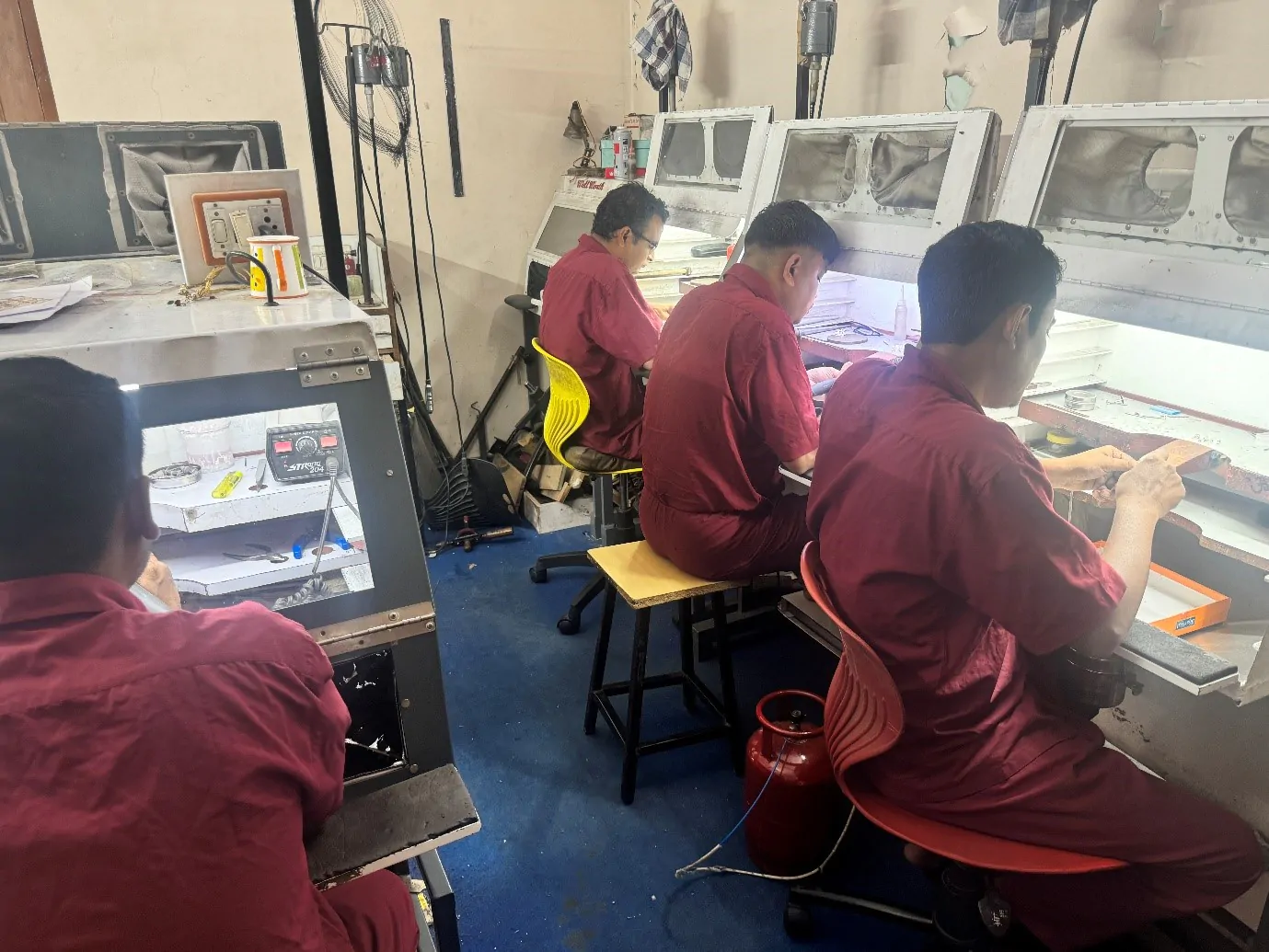
The diamond industry has undergone a remarkable transformation over the past decade, driven by technological innovation, changing consumer preferences, and growing awareness of sustainability. Among the most significant developments is the rise of CVD Lab-Grown Diamonds in USA, which are redefining how consumers view luxury, value, and ethical sourcing. These diamonds possess the same physical, chemical, and optical properties as mined diamonds while offering a modern alternative that aligns with the priorities of today’s buyers. As more consumers seek transparency, affordability, and environmental responsibility, lab-grown diamonds have emerged as a preferred choice in the jewelry market. At Jaitam Jewels, we understand that purchasing a diamond is both an emotional and financial investment. Whether you’re shopping for an engagement ring, wedding jewelry, fashion accessories, or a long-term asset, choosing the right diamond matters. The growing popularity of Lab-Grown Diamonds in USA is not simply a trend but a reflection of changing values and advancements in diamond manufacturing. Among various production methods, Chemical Vapor Deposition (CVD) technology has become one of the most trusted and innovative processes for creating high-quality diamonds. As a result, investors and jewelry buyers alike are increasingly turning toward CVD Diamonds in USA as a smart and future-focused investment. Understanding CVD Lab-Grown Diamonds Before exploring the investment benefits, it is important to understand what CVD diamonds actually are. Chemical Vapor Deposition, commonly known as CVD, is a sophisticated technological process used to grow diamonds in a controlled laboratory environment. The process begins with a small diamond seed placed inside a specialized chamber. Carbon-rich gases are introduced and exposed to controlled heat and pressure conditions, causing carbon atoms to accumulate layer by layer onto the seed crystal. Over time, this process produces a genuine diamond with the same atomic structure found in natural diamonds. Unlike diamond simulants such as cubic zirconia or moissanite, CVD diamonds are real diamonds. They possess identical brilliance, durability, hardness, and sparkle while offering greater affordability and sustainability. The advancement of CVD technology has enabled manufacturers to produce exceptionally high-quality diamonds with remarkable consistency. This has significantly increased consumer confidence and positioned Best CVD Diamonds in USA among the most desirable choices in today’s jewelry market. Growing Demand for Lab-Grown Diamonds in the USA The American jewelry market has witnessed tremendous growth in demand for lab-grown diamonds. Modern consumers are becoming more informed about sourcing practices, environmental impact, and value propositions. As a result, traditional perceptions surrounding mined diamonds are evolving. Millennials and Gen Z consumers, in particular, prioritize ethical purchasing decisions. They seek products that align with their values while still delivering luxury and quality. This shift has fueled the popularity of Lab-Grown Diamonds in USA, making them a mainstream option rather than a niche alternative. Retailers, jewelers, and designers across the country have embraced this trend by expanding their lab-grown diamond collections. The increasing availability and acceptance of lab-grown diamonds indicate strong market confidence and continued growth potential. Superior Value for Money One of the most compelling reasons to invest in CVD Lab-Grown Diamonds in USA is the exceptional value they offer. Compared to mined diamonds of similar size, cut, color, and clarity, lab-grown diamonds are generally more affordable. This pricing advantage allows buyers to purchase larger and higher-quality stones within the same budget. Instead of compromising on carat weight or clarity, consumers can enjoy premium-grade diamonds at significantly lower costs. For investors and jewelry buyers alike, this means obtaining greater value without sacrificing beauty or authenticity. The ability to maximize purchasing power makes CVD diamonds an attractive option in today’s market. Real Diamonds with Identical Properties A common misconception is that lab-grown diamonds are somehow inferior to natural diamonds. In reality, CVD diamonds possess the same physical, chemical, and optical characteristics as mined diamonds. Both types of diamonds are composed of pure carbon arranged in a crystalline structure. Both achieve a hardness rating of 10 on the Mohs scale and display the same fire, brilliance, and scintillation. Even professional gemologists often require specialized equipment to distinguish between the two. Because of these identical properties, investing in CVD Diamonds in USA provides all the benefits of owning a genuine diamond without the challenges associated with mining. Ethical and Responsible Choice Ethical sourcing has become increasingly important for modern consumers. Many buyers want assurance that their purchases support responsible practices and avoid contributing to social or environmental concerns. Lab-grown diamonds offer a transparent and traceable alternative. Since they are created in controlled facilities, concerns related to conflict diamonds, unsafe mining conditions, and unethical labor practices are significantly reduced. Choosing Best CVD Diamonds in USA allows consumers to enjoy luxury jewelry while supporting more responsible production methods. This ethical advantage has become one of the strongest drivers behind the growth of the lab-grown diamond industry. Environmentally Conscious Investment Environmental sustainability is another major reason for the rising popularity of Lab-Grown Diamonds in USA. Traditional diamond mining can require extensive land disruption, water consumption, and energy use. CVD diamond production minimizes many of these environmental challenges. While laboratory production still requires energy, technological advancements continue to improve efficiency and reduce environmental impact. As consumers become increasingly aware of sustainability issues, environmentally conscious luxury products are gaining greater market appeal. Investing in CVD diamonds aligns with these changing preferences and positions buyers within a growing segment of responsible luxury. Technological Innovation Driving Quality The rapid evolution of diamond-growing technology has dramatically improved the quality of lab-grown diamonds. Early-generation stones occasionally exhibited limitations in clarity and color consistency, but modern production methods have largely overcome these challenges. Today’s CVD Lab-Grown Diamonds in USA can achieve exceptional clarity grades, near-colorless appearances, and remarkable brilliance. Advanced growth techniques and post-growth treatments ensure consistent quality and visual excellence. This technological progress continues to enhance the reputation and desirability of lab-grown diamonds, strengthening their position as a smart investment choice. Increased Accessibility to Luxury Jewelry Luxury should be accessible without compromising quality. One of the most attractive aspects of CVD diamonds is their ability to make premium jewelry attainable for a… Continue reading Top Reasons to Invest in CVD Lab-Grown Diamonds
Best Engagement Rings with CVD Lab-Grown Diamonds
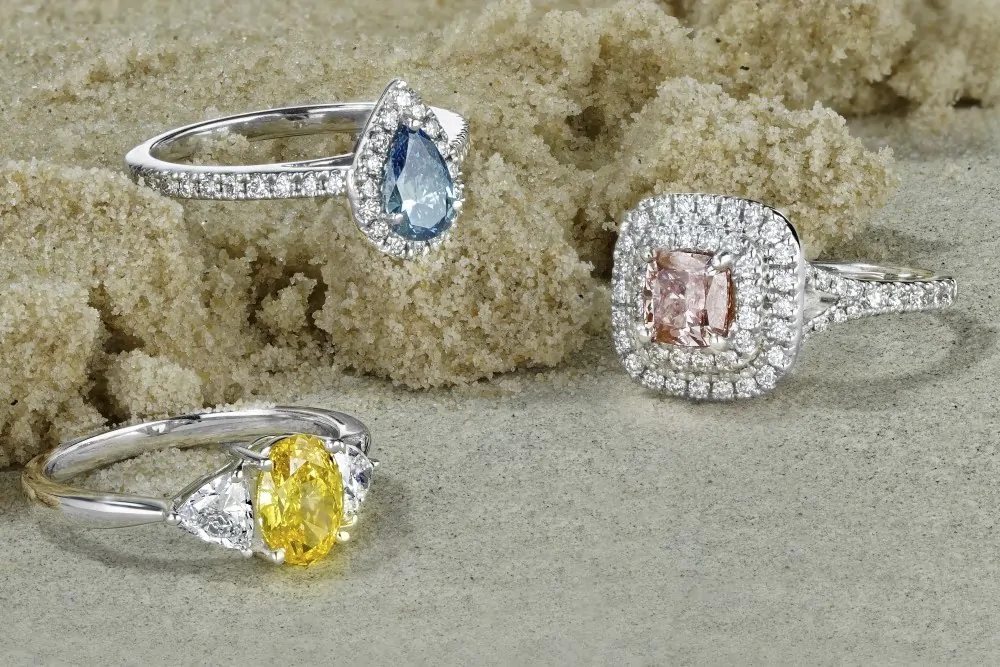
Choosing an engagement ring is one of the most meaningful decisions in a couple’s journey. An engagement ring symbolizes love, commitment, and the promise of a shared future. Today, buyers are exploring more options than ever before, seeking exceptional beauty, quality, and value when selecting the perfect ring. Among the most popular choices are CVD Lab-Grown Diamonds in USA, which have gained significant attention for their remarkable appearance and impressive craftsmanship. These diamonds offer the same brilliance, durability, and elegance that people expect from a diamond engagement ring, making them a preferred choice for modern couples. At Jaitam Jewels, we understand that every engagement ring should reflect a unique love story. As demand for Lab-Grown Diamonds in USA continues to rise, more couples are discovering the advantages of choosing rings crafted with high-quality CVD diamonds. Whether you are searching for a timeless solitaire, a sophisticated halo design, or a contemporary custom ring, Best CVD Diamonds in USA provide endless possibilities for creating memorable jewelry pieces. Understanding the features, benefits, and styles of engagement rings made with CVD diamonds can help buyers make a confident and informed decision. Understanding CVD Lab-Grown Diamonds CVD stands for Chemical Vapor Deposition, an advanced process used to create diamonds in controlled laboratory environments. Through this technology, carbon atoms gradually form a diamond crystal structure that possesses the same physical, optical, and chemical properties as a natural diamond. The growing popularity of CVD Lab-Grown Diamonds in USA is driven by their exceptional quality and consistency. Modern technology allows these diamonds to achieve impressive standards of clarity, brilliance, and durability, making them suitable for engagement rings and other fine jewelry pieces. Why Engagement Rings Remain Timeless An engagement ring carries emotional significance that extends far beyond its appearance. It represents commitment, trust, and a lifelong partnership. Because of this symbolic importance, many couples spend considerable time selecting a ring that reflects their personal style and values. Engagement rings crafted with Lab-Grown Diamonds in USA provide the elegance and beauty associated with traditional diamond jewelry while offering a wide range of design possibilities. The Beauty of CVD Diamonds One of the most attractive features of CVD diamonds is their extraordinary brilliance. These diamonds reflect and refract light beautifully, producing the sparkle and fire that people associate with high-quality diamonds. The Best CVD Diamonds in USA are carefully cut and polished to maximize their visual appeal. Whether set in classic or modern designs, they create stunning engagement rings that capture attention and admiration. Key Characteristics of CVD Diamonds Exceptional brilliance and sparkle. High levels of durability. Wide range of shapes and sizes. Excellent clarity and color options. Popular Engagement Ring Styles Modern couples have access to countless engagement ring styles that can be customized according to personal preferences. The versatility of CVD Diamonds in USA allows designers to create rings that suit traditional, contemporary, and luxury aesthetics. Different ring styles offer unique visual appeal while highlighting the beauty of the center diamond. Solitaire Engagement Rings The solitaire ring remains one of the most popular engagement ring designs worldwide. Featuring a single diamond as the focal point, this style emphasizes elegance and simplicity. A solitaire ring showcasing CVD Lab-Grown Diamonds in USA allows the diamond’s brilliance to take center stage while maintaining a timeless appearance that never goes out of fashion. Halo Engagement Rings Halo rings feature a central diamond surrounded by smaller diamonds that enhance sparkle and visual impact. This design creates a luxurious appearance while drawing attention to the center stone. Many buyers seeking Lab-Grown Diamonds in USA choose halo settings because they offer exceptional brilliance and sophisticated style. Three-Stone Engagement Rings Three-stone rings symbolize a couple’s past, present, and future together. This meaningful design combines elegance with sentimental value. Using Best CVD Diamonds in USA, three-stone rings can achieve remarkable beauty and symmetry while maintaining excellent visual balance. Benefits of Three-Stone Rings Symbolic and meaningful design. Enhanced brilliance. Elegant appearance. Versatile customization options. Vintage-Inspired Ring Designs Vintage-inspired engagement rings continue to attract buyers who appreciate intricate details and timeless charm. These rings often feature decorative settings, artistic metalwork, and classic design elements. The beauty of CVD Diamonds in USA complements vintage styles exceptionally well, creating rings that blend tradition with modern craftsmanship. Contemporary Engagement Rings Many modern couples prefer sleek and minimalist ring designs that reflect current fashion trends. Contemporary rings often emphasize clean lines, geometric shapes, and unique settings. The flexibility of Lab-Grown Diamonds in USA allows designers to create distinctive engagement rings that appeal to modern tastes while maintaining timeless elegance. Choosing the Right Diamond Shape Diamond shape plays a major role in the overall appearance of an engagement ring. Each shape offers unique characteristics and visual appeal. Popular shapes include round, oval, cushion, princess, pear, emerald, radiant, and marquise cuts. Each option highlights the beauty of Best CVD Diamonds in USA in a different way. Importance of Diamond Cut The cut of a diamond significantly influences its sparkle and brilliance. A well-cut diamond reflects light effectively, maximizing visual impact. When selecting engagement rings featuring CVD Lab-Grown Diamonds in USA, buyers should pay close attention to cut quality, as it directly affects the stone’s overall beauty. Understanding Diamond Clarity Clarity refers to the presence or absence of internal and external characteristics within a diamond. Higher clarity grades typically indicate fewer imperfections and greater visual purity. Many Lab-Grown Diamonds in USA achieve impressive clarity levels, making them attractive choices for engagement rings and fine jewelry collections. Factors to Consider Diamond cut quality. Clarity grade. Color appearance. Overall ring design. Diamond Color Selection Diamond color ranges from colorless to slightly tinted shades. Colorless diamonds are often highly valued for their bright and pure appearance. The Best CVD Diamonds in USA are available in various color grades, allowing buyers to select options that align with their aesthetic preferences and budget considerations. Custom Engagement Ring Designs Customization has become increasingly popular among engagement ring buyers. Personalized designs allow couples to create unique rings that reflect their individual stories… Continue reading Best Engagement Rings with CVD Lab-Grown Diamonds
Things to Know Before Buying CVD Diamond Jewelry Online
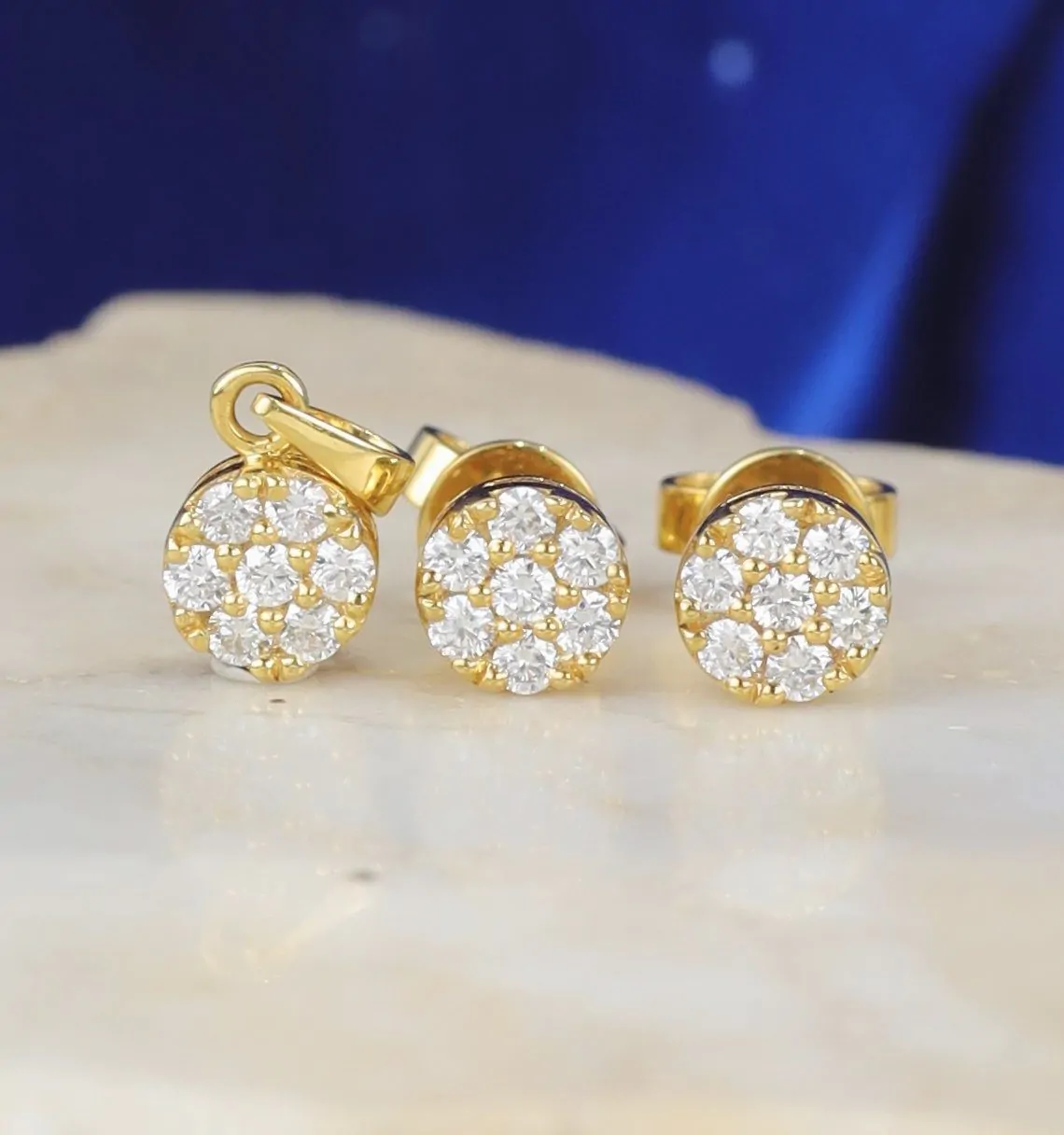
Buying diamond jewelry online has become easier, smarter, and more affordable than ever, especially with the rising popularity of lab-grown diamonds. Among them, CVD Diamond Jewelry has emerged as a top choice for modern buyers who want beauty, quality, and ethical sourcing without paying the high price of mined diamonds. Whether you’re shopping for an engagement ring, earrings, or a custom-made piece, understanding CVD diamonds before making a purchase is extremely important. At Jaitam Jewels, we believe that an informed customer makes the best decision. When buying CVD Diamond Jewelry in USA, shoppers often have questions about authenticity, quality, certification, pricing, and customization. This guide will walk you through everything you need to know before buying Custom CVD Diamond Jewelry online, so you can shop confidently and choose jewelry that truly lasts a lifetime. What Are CVD Diamonds and Why Are They Popular? CVD diamonds, also known as Chemical Vapor Deposition diamonds, are lab-grown diamonds created using advanced technology that replicates natural diamond formation. These diamonds are 100% real, sharing the same chemical, physical, and optical properties as mined diamonds. The only difference lies in their origin, making them a sustainable and ethical alternative. The popularity of CVD Diamond Jewelry has grown rapidly in the USA due to its affordability and transparency. Buyers can enjoy larger, higher-quality diamonds at a better price without compromising on brilliance or durability. For customers seeking ethical luxury, CVD Diamond Jewelry in USA has become the preferred choice for everyday wear and special occasions alike. Always Check Diamond Certification One of the most important things to know before buying CVD diamond jewelry online is certification. A genuine CVD diamond should always come with certification from trusted gemological institutes such as IGI or GIA. Certification confirms the diamond’s authenticity, quality, and grading based on the 4Cs—cut, color, clarity, and carat weight. When shopping online, especially for Best Custom CVD Diamond Jewelry in USA, certification ensures transparency and peace of mind. At Jaitam Jewels, every CVD diamond is properly certified, allowing customers to verify quality and make an informed decision without any doubts. Understand the 4Cs Before Buying Before purchasing CVD Diamond Jewelry, it’s essential to understand the 4Cs, as they directly affect the diamond’s appearance and price. Cut determines how brilliantly the diamond reflects light, while color and clarity impact its visual purity. Carat weight defines the size, but not necessarily the sparkle. Online buyers often focus only on size, but balance is key. A well-cut diamond with slightly lower carat weight often looks more brilliant than a larger, poorly cut one. When buying CVD Diamond Jewelry in USA, trusted jewelers like Jaitam Jewels help customers choose the right combination of 4Cs to get maximum value for their budget. Know the Difference Between CVD and Other Lab Diamonds Many buyers confuse CVD diamonds with HPHT diamonds or simulants like moissanite. While all lab-grown diamonds are real, CVD diamonds are known for their exceptional clarity and consistent quality. Unlike simulants, CVD diamonds are chemically identical to natural diamonds. Understanding this difference is crucial when shopping for Custom CVD Diamond Jewelry online. A reliable seller will clearly mention whether the diamond is CVD-grown and provide complete transparency. Jaitam Jewels ensures every product description is accurate, so customers know exactly what they’re buying. Importance of Custom CVD Diamond Jewelry One of the biggest advantages of buying online is the option to personalize your jewelry. Custom CVD Diamond Jewelry allows you to choose the diamond shape, setting, metal type, and design details that match your personal style. From engagement rings to pendants, customization makes each piece truly unique. When searching for the Best Custom CVD Diamond Jewelry in USA, choose a jeweler who offers expert guidance and design support. At Jaitam Jewels, customers can collaborate with skilled designers to create timeless jewelry that reflects their personality, lifestyle, and budget. Compare Prices and Avoid Unrealistic Deals While CVD diamonds are more affordable than mined diamonds, extremely low prices can be a red flag. Quality, certification, and craftsmanship still matter, even with lab-grown diamonds. Comparing prices across trusted platforms helps you understand market value and avoid compromised quality. When shopping for CVD Diamond Jewelry in USA, always balance price with certification, craftsmanship, and after-sales support. Jaitam Jewels offers transparent pricing with no hidden costs, ensuring customers receive premium quality at a fair and honest price. Check the Metal Quality and Craftsmanship A diamond is only as good as the jewelry it’s set in. Whether you choose gold, white gold, platinum, or rose gold, the metal quality should meet international standards. Craftsmanship plays a crucial role in durability, comfort, and overall appearance. For long-lasting CVD Diamond Jewelry, ensure the setting is secure and professionally finished. Jaitam Jewels focuses on precision craftsmanship, making sure every piece not only looks stunning but also withstands everyday wear. Review Return Policy and Warranty Before buying CVD diamond jewelry online, always check the return, exchange, and warranty policies. Trusted jewelers provide flexible return options and clear warranties to protect your investment. This is especially important for high-value or custom-made jewelry. At Jaitam Jewels, customer satisfaction is a priority. Our policies are designed to provide confidence and support, ensuring that buyers feel secure when purchasing CVD Diamond Jewelry in USA online. Why Buy CVD Diamond Jewelry from Jaitam Jewels? Choosing the right jeweler is just as important as choosing the diamond itself. Jaitam Jewels is known for offering premium-quality CVD Diamond Jewelry, ethical sourcing, certified diamonds, and exceptional customization services. Our expertise ensures that every customer receives genuine value and timeless elegance. For buyers searching for the Best Custom CVD Diamond Jewelry in USA, Jaitam Jewels combines modern design, trusted certification, and personalized service. Whether you’re shopping for a gift or creating a custom masterpiece, we help you make a confident and informed choice. Final Thoughts Buying CVD Diamond Jewelry online can be a rewarding experience when done right. By understanding certifications, quality factors, customization options, and trusted sellers, you can enjoy luxury without compromise. With the right… Continue reading Things to Know Before Buying CVD Diamond Jewelry Online
Things to Check Before Buying CVD Lab Grown Diamonds Online

Buying diamonds online has become easier and more trusted than ever, especially with the growing popularity of CVD Lab Grown Diamonds. These diamonds are created using advanced Chemical Vapor Deposition technology and offer the same brilliance, hardness, and beauty as mined diamonds. With ethical sourcing, affordability, and sustainability at the forefront, more buyers are choosing lab grown diamonds for engagement rings, fine jewelry, and investment purposes. However, purchasing Real CVD Lab Grown Diamonds online requires careful evaluation. Not all sellers provide the same level of transparency, quality, or certification. At Jaitam Jewels, we believe informed buyers make confident decisions. This guide explains everything you must check before buying CVD diamonds online to ensure authenticity, value, and long-term satisfaction. Understanding What CVD Lab Grown Diamonds Are CVD Lab Grown Diamonds are created in controlled laboratory environments using carbon-rich gases that crystallize layer by layer to form a real diamond. Chemically, physically, and optically, they are identical to mined diamonds, making them indistinguishable even under professional testing. This technology allows for high-quality diamonds with fewer inclusions and excellent clarity. When shopping online, understanding this process helps buyers identify Real CVD Lab Grown Diamonds rather than simulants like moissanite or cubic zirconia. Genuine CVD diamonds are certified, graded, and possess the same durability as natural diamonds, making them suitable for everyday wear and heirloom jewelry. Verify Diamond Certification and Grading Reports One of the most important things to check before buying CVD diamonds online is certification. A trusted seller will always provide a grading report from internationally recognized labs such as IGI or GIA. These reports confirm whether the diamond is a real lab grown diamond and provide detailed information about its cut, color, clarity, and carat weight. For buyers looking for CVD Lab Grown Diamonds in USA, certification is especially critical, as it ensures compliance with international diamond standards. At Jaitam Jewels, every diamond comes with transparent documentation, allowing customers to verify authenticity and quality before making a purchase decision. Check Diamond Quality Using the 4Cs Just like natural diamonds, CVD diamonds are evaluated using the 4Cs: Cut, Color, Clarity, and Carat. The cut determines brilliance and sparkle, while color and clarity affect visual appeal and value. A well-cut lab grown diamond can outperform a poorly cut natural diamond in appearance. When browsing CVD Diamonds in USA online, buyers should look beyond price and focus on balanced quality. High clarity grades and near-colorless stones offer the best brilliance. Jaitam Jewels ensures every CVD diamond is carefully selected to meet premium standards while offering excellent value. Ensure the Diamond Is Ethically and Sustainably Produced One of the biggest advantages of CVD lab grown diamonds is their ethical and eco-friendly nature. Unlike mined diamonds, lab grown diamonds do not involve environmental degradation or unethical labor practices. However, buyers should still verify that the seller follows responsible sourcing and production practices. Reputable sellers of CVD Lab Grown Diamonds in USA clearly state their sustainability commitments. At Jaitam Jewels, we prioritize environmentally responsible production methods, ensuring our customers receive diamonds that align with modern ethical values without compromising on luxury or beauty. Compare Prices and Understand Market Value While CVD diamonds are more affordable than mined diamonds, prices can vary significantly between sellers. Extremely low prices may indicate poor quality, lack of certification, or misleading listings. Buyers should compare similar specifications across trusted platforms to understand fair market value. When buying Real CVD Lab Grown Diamonds, price transparency is essential. Jaitam Jewels provides competitive pricing with clear breakdowns, helping customers understand exactly what they are paying for and why lab grown diamonds offer superior value for money. Review Seller Reputation and Customer Feedback Before making any online diamond purchase, researching the seller’s reputation is crucial. Look for verified reviews, testimonials, and ratings that reflect customer satisfaction, product quality, and after-sales support. Trusted sellers will have a strong digital presence and consistent positive feedback. For buyers exploring CVD Diamonds in USA, choosing a reputable brand like Jaitam Jewels ensures reliability, secure transactions, and professional customer service. A credible seller stands behind their diamonds and maintains transparency at every step of the buying journey. Check Return Policies and Warranty Coverage Diamonds are a significant investment, so buyers must carefully review return, exchange, and warranty policies. A trustworthy online diamond seller will offer a reasonable return window, clear refund terms, and long-term warranties for manufacturing defects. At Jaitam Jewels, we understand the importance of peace of mind when buying CVD Lab Grown Diamonds online. Our customer-friendly policies ensure buyers can shop confidently, knowing their purchase is protected even after delivery. Inspect Diamond Images and Videos Carefully High-quality images and 360-degree videos help buyers evaluate the diamond’s brilliance, symmetry, and inclusions. Reputable online stores provide magnified visuals to ensure transparency and accuracy. Avoid sellers who use generic images or lack detailed visuals. For CVD Lab Grown Diamonds in USA, advanced imaging is a standard practice among trusted sellers. Jaitam Jewels offers detailed visual representations so customers can closely examine every diamond before finalizing their purchase. Confirm Jewelry Customization and Setting Quality If you’re buying a diamond with a ring or jewelry setting, check customization options and craftsmanship standards. The quality of the setting significantly impacts the overall look and durability of the jewelry. Metals, prong settings, and finishing should meet high jewelry standards. At Jaitam Jewels, we combine premium Real CVD Lab Grown Diamonds with expert craftsmanship, offering custom designs that enhance the diamond’s brilliance and reflect individual style preferences. Final Thoughts: Buy Smart, Buy Confidently Buying CVD Lab Grown Diamonds online is a smart and future-forward choice, but only when done with proper knowledge and trusted sellers. From certification and quality to ethics and after-sales support, every detail matters when selecting the perfect diamond. With transparent practices, certified diamonds, ethical sourcing, and expert guidance, Jaitam Jewels makes buying CVD Diamonds in USA a seamless and rewarding experience. By following these essential checks, you can invest in a diamond that delivers beauty, value, and confidence for a lifetime.
Are CVD Lab Grown Diamonds Real Diamonds? Myth vs Facts

The diamond industry has witnessed a major transformation in recent years, especially with the rise of lab-grown diamonds. Among them, CVD Lab Grown Diamonds have gained massive popularity due to their ethical sourcing, affordability, and visual brilliance. However, many buyers still wonder whether these diamonds are truly “real” or just high-quality imitations. This confusion has led to several myths surrounding lab-grown diamonds, particularly CVD diamonds. At Jaitam Jewels, we believe in educating customers with transparent and factual information. In this blog, we will break down the most common myths and facts about Real CVD Lab Grown Diamonds, explain their authenticity, and explore their growing demand, especially CVD Lab Grown Diamonds in USA. By the end, you’ll have a crystal-clear understanding of why CVD diamonds are redefining modern fine jewelry. What Are CVD Lab Grown Diamonds? CVD Lab Grown Diamonds are created using Chemical Vapor Deposition (CVD) technology, a highly advanced scientific process that replicates how natural diamonds form beneath the Earth’s surface. In this method, a carbon-rich gas is introduced into a controlled chamber where carbon atoms slowly deposit layer by layer, forming a genuine diamond crystal. The result is a diamond that is chemically, physically, and optically identical to a mined diamond. Unlike diamond simulants such as cubic zirconia or moissanite, Real CVD Lab Grown Diamonds are composed of pure carbon with the same crystal structure as natural diamonds. This is why gemological institutes worldwide recognize them as real diamonds. At Jaitam Jewels, all our CVD diamonds meet international quality standards and are crafted to deliver exceptional brilliance and durability. Myth 1: CVD Lab Grown Diamonds Are Fake Diamonds One of the biggest myths is that lab-grown diamonds are not real. This is completely false. CVD Lab Grown Diamonds are 100% real diamonds, not imitations or artificial stones. They share the same hardness (10 on the Mohs scale), sparkle, fire, and longevity as natural diamonds. The only difference lies in their origin, not their composition. Leading gemological authorities such as IGI and GIA clearly classify lab-grown diamonds as real diamonds. Even professional jewelers and gemologists cannot distinguish between mined diamonds and CVD diamonds without advanced testing equipment. This makes CVD Diamonds in USA an increasingly trusted choice for fine jewelry buyers. Fact 1: CVD Diamonds Have the Same Chemical & Physical Properties Scientifically speaking, there is no difference between a natural diamond and a CVD diamond when it comes to core properties. Both are made of carbon atoms arranged in a cubic crystal lattice, which gives diamonds their unmatched strength and brilliance. This means Real CVD Lab Grown Diamonds perform exactly like mined diamonds in everyday wear. Whether used in engagement rings, earrings, or pendants, CVD diamonds offer the same durability and shine that customers expect from traditional diamonds. At Jaitam Jewels, we ensure every CVD diamond is precision-cut and polished to maximize brilliance and beauty. Myth 2: Lab Grown Diamonds Have No Value Another common misconception is that lab-grown diamonds have no value. While it is true that CVD diamonds are more affordable than mined diamonds, this does not mean they lack worth. In fact, their value lies in offering better quality, larger carat sizes, and ethical sourcing at a more accessible price point. Many consumers in the USA are now choosing CVD Lab Grown Diamonds in USA because they prioritize value-for-money and transparency. The growing demand in global markets proves that lab-grown diamonds are not a passing trend but a long-term evolution in the jewelry industry. Fact 2: CVD Lab Grown Diamonds Are More Ethical & Sustainable One of the strongest advantages of CVD diamonds is their ethical and environmental impact. Traditional diamond mining often involves ecological damage, excessive water usage, and ethical concerns. In contrast, CVD Lab Grown Diamonds are created in controlled environments with significantly lower environmental impact. For socially conscious buyers, especially in markets like the USA, sustainability plays a key role in purchasing decisions. Choosing CVD Diamonds in USA allows customers to enjoy luxury jewelry without compromising on ethical values. Jaitam Jewels proudly supports this sustainable shift by offering responsibly crafted lab-grown diamonds. Why CVD Lab Grown Diamonds Are Popular in the USA The demand for CVD Lab Grown Diamonds in USA has grown rapidly over the past few years. American consumers are highly informed and value transparency, sustainability, and innovation. With lab-grown diamonds offering the same beauty at a lower price, they have become a preferred choice for engagement rings and custom jewelry. Additionally, millennials and Gen Z buyers in the USA are driving this change by prioritizing ethical sourcing over traditional norms. This shift has made CVD Diamonds in USA a mainstream option rather than an alternative. At Jaitam Jewels, we cater to this global demand with premium-quality lab-grown diamonds suitable for international markets. Certification & Quality Assurance of Real CVD Lab Grown Diamonds Authenticity and quality are crucial when buying diamonds, and CVD diamonds are no exception. Real CVD Lab Grown Diamonds are certified by globally recognized gemological institutes such as IGI and GIA. These certifications clearly mention the diamond as “lab-grown” while grading it on the same 4Cs—Cut, Color, Clarity, and Carat. At Jaitam Jewels, every CVD diamond undergoes strict quality checks and comes with proper certification to ensure complete transparency. This guarantees that customers receive genuine, high-quality diamonds with full confidence in their purchase. Final Verdict: Are CVD Lab Grown Diamonds Real? The answer is simple and clear—yes, CVD Lab Grown Diamonds are real diamonds. They are scientifically identical to mined diamonds, visually indistinguishable, and recognized by international authorities. The myths surrounding them mostly stem from outdated perceptions and lack of awareness. As the jewelry industry evolves, Real CVD Lab Grown Diamonds are setting new standards for luxury, sustainability, and value. Whether you are a first-time buyer or a seasoned jewelry lover, choosing CVD diamonds from Jaitam Jewels means choosing authenticity, ethics, and exceptional quality—without compromise.