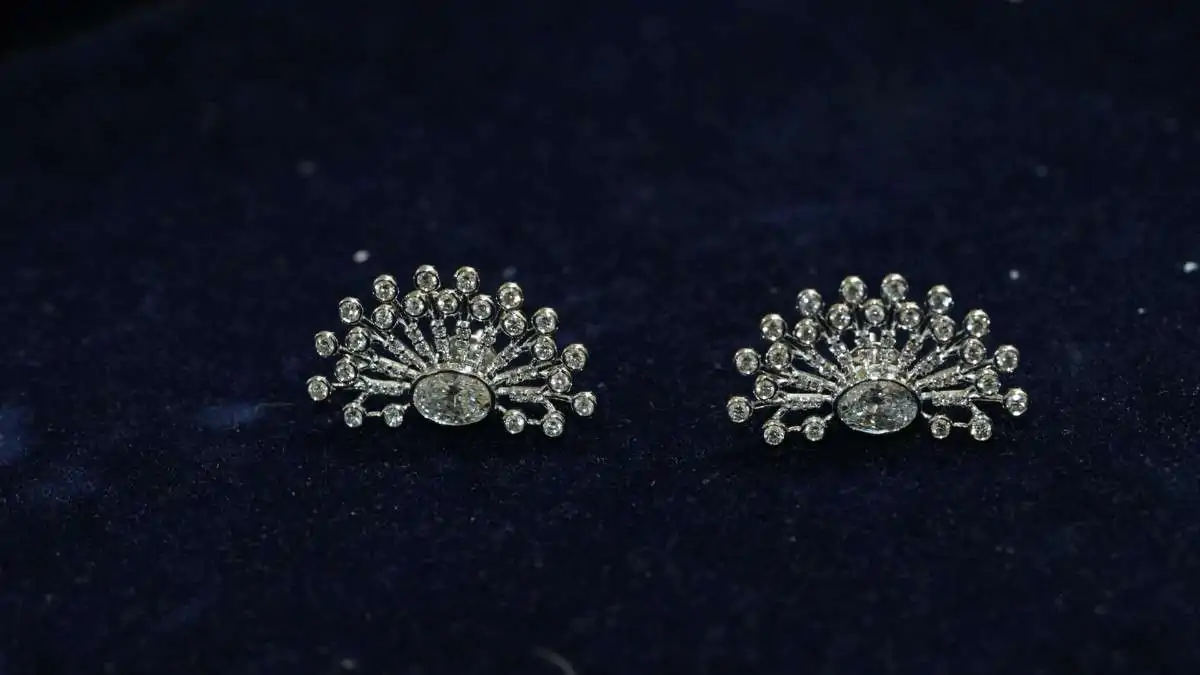
Finding the right jewelry manufacturing partner is an important step for any jewelry brand that wants to offer attractive designs, consistent quality, and dependable customer service. Whether you operate an established jewelry store, manage an e-commerce business, or plan to launch your own private label collection, choosing reliable 925 Silver Jewelry Manufacturers in USA can help you build a strong foundation for long-term growth. Sterling silver jewelry is popular for its versatile designs, elegant appearance, and suitability for everyday wear as well as special occasions. However, not every manufacturer offers the same level of craftsmanship, material transparency, customization, or production consistency. Understanding how to evaluate manufacturers before placing an order can help you make informed sourcing decisions and avoid unnecessary business risks. For jewelry businesses looking to expand their collections, working with experienced 925 Sterling Silver Jewelry Manufacturers in USA can provide opportunities to develop distinctive products that meet customer expectations. From rings and necklaces to bracelets, earrings, and personalized jewelry, the right manufacturing partner should understand your design requirements, quality standards, production timelines, and commercial goals. At Jaitam Jewels, understanding jewelry materials, manufacturing expectations, and product quality is an important part of making informed jewelry sourcing decisions. This guide explains how to evaluate sterling silver manufacturers, verify product quality, compare suppliers, and choose a manufacturing partner that supports your business growth while helping you deliver dependable jewelry collections to your customers. What Is 925 Sterling Silver Jewelry? 925 sterling silver is an alloy containing 92.5% silver and 7.5% other metals, commonly copper. Pure silver is relatively soft, so combining it with other metals improves its suitability for jewelry manufacturing and everyday use. The 925 hallmark is widely associated with sterling silver, although businesses should verify material claims and applicable hallmarking requirements rather than relying on a stamp alone. This composition makes sterling silver a popular material for manufacturing jewelry that balances appearance, workability, and durability. For jewelry retailers and brands, 925 sterling silver offers flexibility across different product categories and price points. Manufacturers can use this material to create minimalist rings, statement earrings, layered necklaces, charm bracelets, gemstone jewelry, and custom-designed accessories. Sterling silver can also be finished with rhodium plating, gold plating, oxidation, or polishing, depending on the intended design. These options allow businesses to create collections for different customer preferences while maintaining a recognizable material standard. Before selecting a manufacturer, buyers should confirm the actual silver content, finishing methods, and care requirements of the products they plan to sell. Why Choosing the Right 925 Silver Jewelry Manufacturer Matters A jewelry manufacturer does more than transform raw materials into finished products. The manufacturer can influence product consistency, design accuracy, production efficiency, inventory planning, and customer satisfaction. If the supplier uses inconsistent materials or produces poorly finished pieces, your business may experience returns, negative reviews, and additional operating costs. Choosing a reliable manufacturing partner helps reduce these risks and gives you greater confidence when introducing new jewelry collections. For growing brands, dependable manufacturing is particularly important because customers expect products to match the descriptions, photographs, and quality claims presented online. A well-organized supplier should communicate clearly about production schedules, sample approvals, customization possibilities, packaging, and order quantities. Businesses searching for the Best 925 Silver Jewelry Manufacturers in USA should therefore evaluate the complete manufacturing relationship instead of making decisions based only on the lowest quoted price. The right partner should offer a reasonable balance of quality, transparency, flexibility, and commercial value. 1. Check the Manufacturer’s Experience and Industry Expertise The first step in finding a reliable manufacturer is to investigate its background, manufacturing experience, and product specialization. Some companies focus on ready-made wholesale jewelry, while others specialize in custom designs, gemstone settings, private label collections, or small-batch production. Understanding these differences helps you identify a supplier whose capabilities match your business requirements. Review the company’s official website, product catalog, manufacturing information, business contact details, and examples of completed work wherever available. Experience is particularly valuable when your designs involve detailed engraving, intricate stone settings, delicate chains, or unusual dimensions. An experienced manufacturing team is more likely to understand the technical considerations involved in producing these designs consistently. However, a long operating history alone does not guarantee quality. Ask for relevant samples, technical specifications, and references when appropriate. If a manufacturer claims to have specialized equipment or in-house production capabilities, clarify which processes are performed internally and which are outsourced. This information helps you assess whether the supplier can meet your expected standards. 2. Verify Silver Purity and Material Authenticity Material verification is one of the most important steps when evaluating 925 Sterling Silver Jewelry Manufacturers in USA. Since sterling silver is defined by its silver content, businesses should confirm that products sold as 925 sterling silver meet the required composition. A stamp or written assurance can be useful, but neither should be treated as conclusive proof of authenticity without supporting information. Ask manufacturers about their material sourcing practices, supplier documentation, quality-control procedures, and available testing methods. Depending on the order and the level of assurance required, independent material testing may be appropriate. Methods such as X-ray fluorescence (XRF) can help assess metal composition, although test results must be interpreted correctly because surface plating can affect readings. For more complex verification needs, a qualified laboratory can recommend suitable testing procedures. It is also important to distinguish solid sterling silver from silver-plated jewelry. Silver-plated products have a different underlying metal composition and should not be marketed as solid 925 sterling silver. Similarly, gold-plated sterling silver contains a sterling silver base with a gold surface layer, which should be described accurately. Clear material specifications protect your customers and help your business maintain trustworthy product listings. 3. Evaluate Craftsmanship and Product Quality A reliable jewelry manufacturer should demonstrate consistent craftsmanship across its product range. Examine samples carefully before committing to a large order. Look at the smoothness of edges, strength of clasps, chain connections, stone alignment, symmetry, soldering, surface polishing, and overall finish. For rings and bracelets, verify dimensions and sizing accuracy.… Continue reading How to Find Reliable 925 Silver Jewelry Manufacturers for Your Jewelry Business

Category: Silver Jewelry
Why 925 Sterling Silver Jewellery Is Perfect for Sensitive Skin
Jewellery is more than just an accessory; it is a reflection of personal style, elegance, and individuality. Whether worn for everyday fashion or special occasions, the right jewellery enhances confidence and complements every outfit. However, for people with sensitive skin, finding jewellery that looks beautiful while remaining comfortable can be a challenge. Many fashion accessories contain metals that can trigger irritation, redness, itching, or allergic reactions, making it difficult to enjoy wearing jewellery regularly. This is where 925 Sterling Silver Jewellery has become one of the most trusted choices among jewellery lovers worldwide. In recent years, the demand for 925 Sterling Silver Jewellery in USA has grown significantly as consumers prioritize both style and skin-friendly materials. Sterling silver offers an excellent combination of durability, sophistication, affordability, and comfort. Unlike many lower-quality metal alloys, genuine sterling silver is crafted to provide a luxurious appearance without causing discomfort for most wearers. At Jaitam Jewels, we understand the importance of creating jewellery that is both beautiful and suitable for everyday wear. Our collection of premium sterling silver pieces is designed for customers who appreciate timeless elegance while caring for their skin’s health and comfort. Understanding 925 Sterling Silver Jewellery 925 Sterling Silver Jewellery is made from 92.5% pure silver and 7.5% other metals, typically copper. Pure silver on its own is too soft for daily use, so the addition of a small percentage of strengthening metals helps create jewellery that is durable enough for rings, earrings, bracelets, necklaces, and other accessories. The “925” hallmark indicates the authenticity and quality of sterling silver, making it one of the most respected standards in the jewellery industry. Because sterling silver contains a high percentage of pure silver, it is generally considered safer for sensitive skin than many costume jewellery alternatives. This quality has made it increasingly popular among consumers looking for reliable and comfortable jewellery options. Many people searching for the Best 925 Sterling Silver Jewellery in USA specifically prioritize hypoallergenic materials, making sterling silver an excellent investment for long-term wear. Why Sensitive Skin Requires Special Jewellery Choices Sensitive skin reacts more easily to certain metals and chemicals commonly found in low-quality jewellery. Nickel, for example, is one of the most common causes of jewellery-related allergies. When skin comes into contact with nickel-containing accessories, symptoms such as redness, itching, swelling, or irritation may occur. Individuals with sensitive skin often find themselves replacing jewellery frequently because of discomfort caused by poor-quality materials. Choosing high-quality sterling silver helps reduce these concerns significantly. Since authentic sterling silver contains a large percentage of pure silver, it minimizes exposure to common irritants found in cheaper metal alloys. This makes 925 Sterling Silver Jewellery an ideal choice for individuals who want fashionable accessories without sacrificing comfort. The Hypoallergenic Nature of Sterling Silver One of the biggest reasons why 925 Sterling Silver Jewellery is perfect for sensitive skin is its hypoallergenic properties. While no material can guarantee a reaction-free experience for every individual, sterling silver is widely recognized as one of the safest jewellery metals available. Many people who struggle with metal allergies discover that sterling silver allows them to wear earrings, rings, necklaces, and bracelets comfortably throughout the day. Its gentle interaction with the skin makes it especially suitable for those who have previously experienced irritation from costume jewellery. This reputation has contributed significantly to the growing popularity of Top 925 Sterling Silver Jewellery in USA collections among consumers seeking comfort and style. Free from Common Skin Irritants Unlike many inexpensive jewellery products, genuine sterling silver is typically free from large amounts of nickel and other problematic metals. Cheap jewellery often contains unidentified alloys that can trigger allergic reactions even after short periods of wear. Sterling silver, on the other hand, is produced according to strict quality standards, ensuring a more skin-friendly experience. The purity level of sterling silver helps create a safer option for daily use. Whether worn during work, social events, or casual outings, sterling silver jewellery remains comfortable while maintaining its elegant appearance. This advantage makes it a preferred choice among individuals who prioritize skin health without compromising fashion. Comfortable for Everyday Wear Comfort plays a major role in jewellery selection. Even the most beautiful piece loses its appeal if it causes irritation or discomfort. 925 Sterling Silver Jewellery is lightweight, smooth, and designed for extended wear, making it perfect for everyday use. People with sensitive skin often appreciate how sterling silver feels against the skin. The metal does not create the same level of discomfort associated with lower-quality alternatives. Whether wearing a sterling silver necklace throughout the day or leaving earrings in for extended periods, many users find the experience significantly more pleasant than wearing costume jewellery. Long-Lasting Beauty and Durability Another reason sterling silver remains a popular choice is its durability. The combination of pure silver and strengthening metals allows jewellery to withstand everyday wear while maintaining its shape and appearance. This makes it an excellent long-term investment for individuals seeking both quality and comfort. The Best 925 Sterling Silver Jewellery in USA is crafted with attention to detail, ensuring that each piece retains its brilliance for years with proper care. Unlike inexpensive jewellery that may tarnish quickly or lose its finish, sterling silver develops a timeless elegance that continues to enhance its value over time. Elegant Appearance for Every Occasion Sterling silver offers a sophisticated appearance that complements virtually every style preference. Its bright, reflective surface creates a luxurious look similar to white gold and platinum while remaining significantly more affordable. Whether paired with professional attire, casual outfits, or formal evening wear, 925 Sterling Silver Jewellery enhances any wardrobe effortlessly. Its versatility makes it one of the most sought-after jewellery materials among fashion-conscious consumers. From minimalist designs to intricate handcrafted creations, sterling silver continues to dominate contemporary jewellery trends. Suitable for Earrings and Pierced Jewellery People with sensitive skin often struggle most when selecting earrings because the metal remains in direct contact with delicate skin for extended periods. Sterling silver provides a safer alternative for… Continue reading Why 925 Sterling Silver Jewellery Is Perfect for Sensitive Skin
How to Choose Reliable 925 Silver Jewelry Suppliers in USA

The demand for 925 Silver Jewelry Suppliers in USA has seen remarkable growth over the past few years, especially with the rise of eCommerce brands, boutique jewelry businesses, and independent sellers on platforms like Etsy and Amazon. Sterling silver jewelry, known for its durability, affordability, and timeless appeal, continues to dominate the fashion and accessories market. However, finding Reliable 925 Silver Jewelry Suppliers in USA is not as simple as browsing through a list of vendors. It requires a deep understanding of quality standards, supplier credibility, pricing structures, and long-term business compatibility. For businesses aiming to build a strong brand presence, choosing from the Best 925 Silver Jewelry Suppliers in USA is a critical decision that directly impacts product quality, customer satisfaction, and profitability. Whether you are a startup looking for low MOQ suppliers or an established brand searching for bulk manufacturing partners, the right supplier can streamline your operations and elevate your brand value. Brands like Jaitam Jewels have demonstrated how working with trusted suppliers and maintaining strict quality standards can lead to long-term success in the competitive jewelry market. Understanding What 925 Silver Really Means Before selecting from the Top 925 Silver Jewelry Suppliers in USA, it is essential to understand what 925 silver actually represents. 925 silver, also known as sterling silver, consists of 92.5% pure silver and 7.5% alloy metals, typically copper. This composition ensures strength while maintaining the aesthetic brilliance of silver. Reliable suppliers always provide certification or hallmarking that verifies the authenticity of their silver content. When dealing with 925 Silver Jewelry Suppliers in USA, transparency about material sourcing and purity is a key indicator of reliability. A trustworthy supplier will never hesitate to provide detailed information about the metal composition, manufacturing process, and quality checks. This level of transparency is what separates average vendors from Reliable 925 Silver Jewelry Suppliers in USA. Why Choosing the Right Supplier Matters Selecting the right supplier is not just about cost—it’s about building a sustainable business. The Best 925 Silver Jewelry Suppliers in USA contribute significantly to your brand’s reputation. Poor-quality jewelry can lead to returns, negative reviews, and loss of customer trust, while high-quality products enhance brand loyalty and repeat purchases. Reliable suppliers ensure consistency in design, finishing, and durability. When you partner with experienced names like Jaitam Jewels, you gain access to industry expertise, ethical sourcing practices, and superior craftsmanship. This not only improves your product line but also strengthens your brand positioning in a competitive market. Key Factors to Identify Reliable 925 Silver Jewelry Suppliers in USA 1. Quality Certification and Hallmarking One of the most important factors when evaluating 925 Silver Jewelry Suppliers in USA is certification. Genuine suppliers provide hallmark stamps or documentation confirming the authenticity of the silver used. This certification ensures that you are receiving true sterling silver and not a lower-grade alternative. Reliable suppliers often follow international standards and comply with regulations, making them trustworthy partners for long-term business relationships. When exploring the Top 925 Silver Jewelry Suppliers in the USA, always verify their certifications before making any commitments. 2. Experience and Industry Reputation Experience plays a crucial role in determining supplier reliability. Established suppliers have a proven track record, better production capabilities, and refined processes. The Best 925 Silver Jewelry Suppliers in the USA often have years of experience serving global clients and maintaining consistent quality. Brands like Jaitam Jewels emphasize working with experienced suppliers who understand market trends and customer expectations. A supplier with strong industry reputation is more likely to deliver on time and maintain quality standards. 3. Product Range and Customization Options A reliable supplier should offer a diverse product range, including rings, necklaces, bracelets, earrings, and custom designs. The ability to customize jewelry according to your brand’s identity is a major advantage when working with Reliable 925 Silver Jewelry Suppliers in USA. Customization allows businesses to stand out in a crowded market. The Top 925 Silver Jewelry Suppliers in the USA often provide design flexibility, enabling brands to create unique collections that resonate with their target audience. 4. Pricing and MOQ (Minimum Order Quantity) Pricing is a critical factor, especially for startups and small businesses. The Best 925 Silver Jewelry Suppliers in USA offer competitive pricing without compromising on quality. Transparent pricing structures and reasonable MOQs make it easier for businesses to scale operations. Reliable suppliers provide clear cost breakdowns, helping you understand production expenses, shipping costs, and potential margins. This transparency is essential for building trust and ensuring smooth collaboration. 5. Production Capacity and Lead Time Timely delivery is a hallmark of Reliable 925 Silver Jewelry Suppliers in USA. Delays in production can disrupt your business operations and affect customer satisfaction. Therefore, it is important to evaluate a supplier’s production capacity and lead time. The Top 925 Silver Jewelry Suppliers in the USA have efficient manufacturing processes and well-organized supply chains. This ensures that orders are delivered on time, even during peak seasons. 6. Customer Reviews and Testimonials Customer feedback is a valuable resource when selecting suppliers. Reviews and testimonials provide insights into a supplier’s reliability, product quality, and customer service. The Best 925 Silver Jewelry Suppliers in the USA consistently receive positive feedback from clients. Before finalizing a supplier, take time to research their online presence and customer experiences. Reliable suppliers often have strong client relationships and repeat business. 7. Ethical Practices and Sustainability Modern consumers are increasingly conscious of ethical sourcing and sustainability. The Top 925 Silver Jewelry Suppliers in the USA prioritize responsible sourcing, fair labor practices, and environmentally friendly production methods. Partnering with ethical suppliers not only enhances your brand image but also aligns with global sustainability standards. Brands like Jaitam Jewels recognize the importance of ethical practices in building long-term trust with customers. Common Mistakes to Avoid When Choosing Suppliers Many businesses make the mistake of choosing suppliers based solely on low pricing. While cost is important, it should never come at the expense of quality. Another common mistake is failing to verify certifications or overlooking supplier… Continue reading How to Choose Reliable 925 Silver Jewelry Suppliers in USA
Top Techniques Used by 925 Sterling Silver Jewelry Manufacturers

925 sterling silver jewelry has become a symbol of elegance, affordability, and timeless style across the globe. Jewelry crafted from 925 sterling silver is highly valued for its purity, durability, and versatility, making it a popular choice among fashion enthusiasts and collectors alike. Behind the creation of every exquisite piece is a meticulous process that combines craftsmanship, technology, and creativity. Understanding the top techniques used by 925 Silver Sterling Jewelry Manufacturers gives buyers, retailers, and designers insight into how these stunning pieces come to life. Whether you are looking for high-quality pieces from 925 Silver Sterling Jewelry Manufacturers in USA or sourcing products from reliable 925 Silver Sterling Jewelry suppliers, knowing these techniques ensures confidence in the authenticity, quality, and design of the jewelry you purchase. Jaitam Jewels specializes in delivering premium sterling silver jewelry crafted with precision and creativity, ensuring every piece reflects both beauty and quality. The journey from raw silver to a finished jewelry piece involves several stages of refinement, design, and finishing. Manufacturers invest in state-of-the-art tools and experienced artisans to ensure that every product meets international quality standards. Techniques used by 925 Silver Sterling Jewelry suppliers in USA and across the world focus on achieving both aesthetic appeal and functional durability. By exploring the various methods, from casting and engraving to polishing and plating, clients and enthusiasts can better appreciate the value, craftsmanship, and care that goes into every piece of 925 sterling silver jewelry. Casting Techniques: Shaping the Silver with Precision Casting is one of the primary techniques used by 925 Silver Sterling Jewelry Manufacturers to shape intricate designs and detailed jewelry components. In this process, molten silver is poured into molds, which are designed to form rings, pendants, bracelets, or intricate charms. This method allows manufacturers to create complex designs efficiently while maintaining the high quality and purity of sterling silver. Key Points: Lost wax casting for detailed and delicate designs Investment casting to achieve precise shapes and textures Mass production without compromising on quality Flexibility to create both traditional and modern designs Casting ensures that 925 Silver Sterling Jewelry suppliers can deliver pieces that are not only visually stunning but also consistent in shape and quality. Handcrafting: The Art of Personal Touch While technology has transformed jewelry manufacturing, handcrafted techniques remain a hallmark of quality for 925 Silver Sterling Jewelry Manufacturers in USA and worldwide. Skilled artisans meticulously shape, carve, and assemble silver components to create unique, bespoke pieces. Handcrafting ensures that each item has a personal touch, making it special for buyers seeking individuality in their jewelry collection. Key Points: Hand engraving for intricate patterns and textures Manual soldering and assembly for durability Custom designs tailored to client specifications Attention to detail ensures timeless elegance Handcrafted jewelry from Jaitam Jewels reflects superior craftsmanship and artistry, making each piece a statement of style and sophistication. Stone Setting: Enhancing Silver Jewelry With Gems Incorporating gemstones into 925 sterling silver jewelry adds color, brilliance, and value to the designs. Manufacturers use various stone-setting techniques to ensure that gems are securely embedded while complementing the silver’s shine. Techniques like prong setting, bezel setting, and pave setting are commonly employed by 925 Silver Sterling Jewelry suppliers to enhance both beauty and functionality. Key Points: Secure placement of precious and semi-precious stones Enhances aesthetic appeal and market value Precision techniques prevent stone loss or damage Suitable for rings, necklaces, earrings, and bracelets By combining sterling silver craftsmanship with gem-setting expertise, Jaitam Jewels ensures high-quality jewelry that stands out in elegance and durability. Engraving and Etching: Adding Detailed Designs Engraving and etching are essential techniques used to add intricate patterns, logos, or personalized messages to 925 silver jewelry. Whether done by hand or with advanced laser technology, these methods allow manufacturers to create detailed and durable designs. 925 Silver Sterling Jewelry Manufacturers in USA frequently use engraving to offer customization, which adds uniqueness and personal value to every piece. Key Points: Hand engraving for traditional and artisanal effects Laser engraving for precision and consistency Personalization options for gifts and custom orders Adds texture and artistic depth to jewelry pieces Through expert engraving, Jaitam Jewels provides customers with jewelry that is both beautiful and meaningful. Polishing and Finishing: Perfecting the Shine After shaping and setting, sterling silver jewelry undergoes polishing and finishing to enhance its luster and visual appeal. This step is crucial for achieving a smooth, reflective surface that highlights the craftsmanship. Top 925 Silver Sterling Jewelry suppliers use various techniques such as tumble polishing, hand polishing, and buffing to bring out the metal’s natural shine while ensuring durability. Key Points: Removes imperfections and rough edges Enhances overall visual appeal and shine Maintains durability and resistance to tarnishing Completes the aesthetic of both modern and classic designs Proper finishing ensures that Jaitam Jewels offers jewelry that is not only elegant but also long-lasting. Plating and Coating: Enhancing Silver Jewelry Longevity To improve durability, prevent tarnishing, and offer color variations, many 925 silver jewelry pieces undergo plating or coating. Rhodium plating, for example, provides a bright, white finish and protects the silver from scratches and oxidation. Manufacturers also use gold or black rhodium plating for creating premium and fashionable designs. Key Points: Protects jewelry from tarnish and scratches Provides luxurious finishes and aesthetic variety Enhances marketability and appeal for premium buyers Adds versatility for modern fashion trends By using advanced plating techniques, Jaitam Jewels ensures every product meets international quality standards while retaining elegance. Conclusion: Mastering Techniques for Exquisite 925 Silver Jewelry The art of 925 sterling silver jewelry manufacturing is a delicate balance of skill, technology, and creativity. From casting and handcrafting to stone setting, engraving, polishing, and plating, every step adds value, quality, and visual appeal. Working with experienced 925 Silver Sterling Jewelry Manufacturers and trusted 925 Silver Sterling Jewelry suppliers in USA ensures that every piece is authentic, durable, and exquisitely designed. Jaitam Jewels combines traditional craftsmanship with modern techniques to create sterling silver jewelry that is not only elegant but also enduring, making… Continue reading Top Techniques Used by 925 Sterling Silver Jewelry Manufacturers
CVD Diamonds vs 925 Sterling Silver Jewelry: What’s the Difference?

Jewelry lovers today are spoilt for choice, especially with the introduction of advanced technologies like Lab Grown CVD Diamonds and the enduring popularity of 925 Sterling Silver Jewelry. As trends shift toward ethical, affordable, and sustainable fashion, shoppers often ask one common question — Which is better: CVD Diamonds or 925 Sterling Silver Jewelry? Understanding their differences helps buyers make choices that match their budget, style, and long-term preferences. In today’s modern jewelry market, both CVD Diamonds and 925 Sterling Silver Jewelry hold strong value, but for completely different reasons. While CVD Diamonds offer brilliance, durability, and a luxury feel at a reasonable cost, 925 Sterling Silver provides versatility, affordability, and everyday wearability. Before you pick one, it’s important to understand what makes each unique and how they fit into your personal collection. What Are CVD Diamonds? Understanding the Technology Behind the Sparkle CVD (Chemical Vapor Deposition) Diamonds are real diamonds created in a lab using advanced technology. They have the same chemical composition, physical properties, and brilliance as natural diamonds. The only difference is the source — instead of forming underground for billions of years, they grow in a controlled environment. Lab grown CVD Diamonds are popular because they are: Eco-friendly and ethically sourced Visually identical to natural diamonds More affordable without compromising quality Available in multiple shapes, colors, and sizes CVD Diamonds are composed of pure carbon arranged in a crystal structure, making them extremely hard, durable, and brilliant — just like mined diamonds. That is why they are widely used in wedding rings, engagement rings, premium earrings, pendants, and luxury jewelry collections. What Is 925 Sterling Silver Jewelry? The Beauty of Affordable Luxury 925 Sterling Silver Jewelry has been a favorite across the world for decades. The “925” mark indicates that the metal is made of 92.5% pure silver and 7.5% alloy (usually copper), which strengthens the metal without affecting its shine. This makes 925 Sterling Silver Jewelry in USA and worldwide a popular choice because it is: Highly affordable compared to gold or diamond jewelry Lightweight and suitable for daily wear Available in thousands of fashionable designs Easy to style with both traditional and modern outfits Sterling silver is widely used in chains, rings, bracelets, earrings, and statement accessories. Its cool tone and elegant shine make it perfect for both men and women. CVD Diamonds vs 925 Sterling Silver Jewelry — Key Differences Explained Below is a detailed comparison that highlights how these two materials differ in terms of value, durability, style, and practical use. Material Composition and Nature CVD Diamonds: Made of 100% carbon, CVD Diamonds are real diamonds created in a lab. Their sparkle, hardness, and brilliance rival natural diamonds. 925 Sterling Silver: Made of 92.5% pure silver, it is a precious metal but softer compared to diamonds. Difference: Diamonds are gemstones; silver is a metal. They serve completely different purposes in jewelry. Durability and Longevity CVD Diamonds score 10 on the Mohs hardness scale — the highest possible rating. They are scratch-proof and long-lasting, making them ideal for luxury jewelry. 925 Sterling Silver scores 6 – 6.5, which means it can scratch, bend, or tarnish over time. However, with proper care, it can last for decades. Difference: CVD Diamonds offer lifelong brilliance; silver requires periodic polishing. Appearance and Shine Lab grown CVD Diamonds reflect light beautifully, give off a fiery brilliance, and look expensive and luxurious. Sterling silver has a beautiful white shine but does not offer gemstone sparkle unless paired with stones. Difference: Diamond jewelry is premium and luxurious; silver jewelry is elegant and versatile. Pricing and Affordability CVD Diamonds are more budget-friendly than natural diamonds but still fall into the premium category. 925 Sterling Silver Jewelry is highly affordable, making it perfect for everyday wear and gifting. Difference: Silver is cheaper; CVD Diamonds offer luxury at a fair price. Purpose and Usage CVD Diamonds are perfect for: Engagement rings Wedding jewelry Premium necklaces Luxury earrings and pendants Investment-worthy pieces 925 Sterling Silver is ideal for: Casual and office wear Trendy jewelry Fashion accessories Affordable gifting Lightweight daily use Difference: Diamonds are for special occasions; silver suits daily wear. Hypoallergenic and Skin Safety Comparison CVD Diamonds are hypoallergenic and safe even for sensitive skin. 925 Sterling Silver is also hypoallergenic, but only when it is pure and nickel-free. Cheaper silver alloys may cause allergies. Difference: Both are safe, but purity matters with silver. Maintenance and Care CVD Diamonds require almost no maintenance — simply wipe with a soft cloth. 925 Sterling Silver may tarnish over time and needs: Polishing Proper storage Anti-tarnish cloths Difference: Diamonds need less care; silver needs regular cleaning. Which One Should You Choose? CVD Diamonds or 925 Sterling Silver Jewelry? Your choice depends on your style, purpose, and budget. Choose CVD Diamonds if you want: Long-lasting brilliance Luxury jewelry Ethical and eco-friendly diamonds Engagement or wedding jewelry High-quality investment pieces Choose 925 Sterling Silver Jewelry if you want: Affordable everyday accessories Trendy styles and lightweight jewelry Stylish gifts A large variety of fashionable patterns Both materials offer excellent value — but in two different ways. Why Choose Jaitam Jewels for Both CVD Diamonds & Sterling Silver Jewelry? At Jaitam Jewels, we provide: Premium Lab grown CVD Diamonds that match natural diamonds in brilliance High-quality 925 Sterling Silver Jewelry in USA with modern and traditional designs Ethical, sustainable, and certified jewelry Affordable prices without compromising quality Custom jewelry options crafted to perfection Whether you love the brilliance of CVD Diamonds or the elegance of Sterling Silver, Jaitam Jewels helps you express your personal style with confidence. Final Thoughts Both CVD Diamonds and 925 Sterling Silver Jewelry hold a special place in the modern world of fashion. While CVD Diamonds offer unmatched luxury, shine, and durability, Sterling Silver stands out for its affordability, versatility, and everyday appeal. Choosing between the two depends entirely on what you want — a lifelong sparkle or trendy elegance. At Jaitam Jewels, you can explore the beauty of both worlds and find jewelry that… Continue reading CVD Diamonds vs 925 Sterling Silver Jewelry: What’s the Difference?
Holiday Sale Trends: Most Wanted 925 Silver Jewelry in the USA

The holiday season is the biggest shopping celebration of the year, bringing excitement, joy, and the hunt for the perfect gifts. Among countless choices, 925 Silver Sterling Jewelry in USA has become one of the most popular and cherished gift categories, adored for its elegance, affordability, and long-lasting shine. From Christmas to New Year celebrations, Americans are increasingly choosing silver jewelry as meaningful gifts that combine luxury and emotional value. As gifting preferences shift toward premium yet accessible options, 925 sterling silver jewelry continues to dominate holiday sale trends—making it the top-selling jewelry category in the U.S. Whether it’s classic rings, stylish necklaces, gemstones, or personalized pieces, customers prefer silver jewelry for its versatility and timeless charm. During the festive shopping rush, both men and women look for signature pieces they can wear daily or for special occasions, fueling a massive holiday surge in silver jewelry demand. Why 925 Sterling Silver Jewelry Is Highly Popular in the USA 925 sterling silver is known worldwide for its purity, durability, and stunning finish. It contains 92.5% pure silver, mixed with 7.5% alloy to strengthen the metal, making it an ideal choice for jewelry crafted for everyday use. The growing preference for minimalist luxury trends has made Best 925 Silver Sterling Jewelry in USA a top favourite for fashion lovers and gifting shoppers. Key reasons behind its popularity Luxury look at an affordable price Hypoallergenic and skin-friendly Long-lasting shine and durability Easy to maintain and polish Modern, trendy, and versatile designs These qualities make 925 sterling silver the perfect match for holiday gifting, daily fashion, and festive accessories. Holiday Jewelry Gifting Trends in the USA Holiday season purchases reflect emotional value—people want gifts that feel thoughtful and memorable. This is why jewelry remains one of the top-selling categories during Thanksgiving, Christmas, Black Friday, Cyber Monday, and New Year sale events. Popular trends this year include: Personalized name necklaces Charm bracelets & stackable bangles Gemstone & birthstone pendants Vintage-inspired statement rings Minimal everyday ear studs & hoops Boho and handcrafted designer silver collections These pieces are among the Top 925 Silver Sterling Jewelry in USA that customers search for during holiday discounts and gift-shopping peaks. Why People Prefer 925 Sterling Silver Over Gold or Fashion Jewelry While gold jewelry remains a premium luxury category, silver offers a modern, trendy, and accessible alternative. Fashion jewelry, on the other hand, loses shine quickly and may cause skin irritation. With increasing awareness of quality and skin safety, shoppers in the U.S. now prefer to Buy 925 Silver Sterling Jewelry USA instead of plated or artificial options. Best-Selling 925 Silver Jewelry Categories During Holiday Sales Here are the most trending jewelry pieces dominating the U.S. holiday market: Silver Rings Stackable rings, solitaire rings, engraved bands, and adjustable rings are some of the most purchased designs, loved by buyers of all age groups. Necklaces & Pendants Minimal chains, infinity necklaces, heart pendants, and gemstone lockets are among the top gifting favorites. Bracelets Charm bracelets, chain bracelets, and bangles are trending due to their customizable and fashionable appeal. Earrings Hoops, studs, danglers, and handcrafted ethnic-inspired silver earrings continue to top daily wear categories. Anklets & Toe Rings Boho-style holiday accessories gaining popularity among teens and young women. These jewelry varieties continue to shape the Best 925 Silver Sterling Jewelry in USA holiday shopping segment. How Online Shopping Boosts Silver Jewelry Sales Online stores, social media promotions, influencer fashion trends, and fast delivery options have significantly boosted demand for sterling silver. Customers enjoy access to large collections, price comparisons, festive discounts, and convenience, driving e-commerce sales to record-breaking levels. Popular online buying motivations include: Easy returns & secure shipping Holiday discount coupons & cashback Verified product authenticity Hassle-free gifting packaging Many customers now prefer to shop from home, exploring online marketplaces, independent jewelry brands, and premium silver jewelry stores like Jaitam Jewels. Why Choose Jaitam Jewels for 925 Silver Sterling Jewelry At Jaitam Jewels, we believe jewelry is more than style—it’s an expression of personality and emotion. As a trusted jewelry brand, we offer an exclusive collection of designer and handcrafted 925 Silver Sterling Jewelry in USA, perfect for daily wear and festive gifting. What Makes Jaitam Jewels Special Certified 925 sterling silver Premium finishing & craftsmanship Trendy, timeless & elegant designs Affordable prices with seasonal holiday offers Safe & secure delivery across USA Perfect packaging for festive gifting Whether you’re shopping for yourself or selecting a thoughtful holiday gift, Jaitam Jewels offers the Best 925 Silver Sterling Jewelry in USA to suit every style, occasion, and personal preference. Conclusion Holiday sales present the perfect opportunity to invest in elegant, meaningful gifts that last. With its premium quality, timeless appeal, and affordability, sterling silver jewelry continues to dominate the festive market, making it the most desired holiday purchase across the USA. If you’re planning to Buy 925 Silver Sterling Jewelry USA this holiday season, explore unique and trending collections designed with love at Jaitam Jewels. Celebrate the season with sparkle, elegance, and style that never fades.
Why 925 Silver Sterling Jewelry Is the Most Popular Choice in USA

Jewelry has always been a symbol of personal expression, elegance, and luxury. Among various metals available, 925 Silver Sterling Jewelry has emerged as the most loved and widely chosen option, especially across the United States. Its perfect balance of beauty, durability, and affordability makes it a favorite for everyday wear, fashion styling, and gifting. Today, millions of jewelry lovers prefer 925 Silver Sterling Jewelry in USA because it offers the luxurious look of pure silver with stronger resistance to wear and tear. At Jaitam Jewels, we understand the deep emotional and aesthetic value of jewelry. That is why we bring a unique collection of premium-quality 925 Silver Sterling Jewelry designed to suit modern tastes while staying connected to traditional craftsmanship. Whether you are looking for minimal everyday jewelry or statement pieces for special occasions, 925 sterling silver is a timeless choice that guarantees style and longevity. What Makes 925 Silver Sterling So Special? 925 Sterling Silver is an alloy made using 92.5% pure silver and 7.5% other metals (usually copper) to enhance its strength and shine. Pure silver is too soft for practical jewelry use, which is why this perfect composition makes 925 silver durable, comfortable, and ideal for long-term wear. The hallmark “925” stamped on jewelry pieces ensures authenticity, quality, and long-lasting value. This combination of elegance and strength is one of the biggest reasons why shoppers prefer Top 925 Silver Sterling Jewelry in USA for rings, necklaces, studs, bracelets, and bangles. It does not lose its shine quickly, and even if slightly tarnished, it can be polished back to its original brilliance—making it a smart and reliable investment. Why 925 Silver Sterling Jewelry Is Extremely Popular in USA Affordable Luxury 925 Sterling Silver offers the beauty of precious metal jewelry without the high cost of gold, diamonds, or platinum. For fashion enthusiasts looking for style on a budget, it provides a luxurious look at an accessible price. This affordability encourages people to expand their jewelry collection and enjoy trendy designs without overspending. Ideal for Everyday Wear One of the biggest advantages of 925 Silver Sterling Jewelry in USA is that it is perfect for daily use. It is hypoallergenic, skin-safe, and comfortable, making it suitable even for sensitive skin. Many professionals, college students, and fashion lovers enjoy wearing it daily as part of their minimal lifestyle. Versatile for Every Style Whether you love modern minimalist styles, vintage designs, traditional patterns, boho aesthetics, or statement pieces, 925 silver fits every personality. It blends effortlessly with casual outfits, party looks, and formal dressing—making it an all-round option for styling. Durability & Long-lasting Shine Sterling silver lasts for years when cared for properly. Even after years of use, you can easily restore its shine. This durability is a major reason people look to Buy 925 Silver Sterling Jewelry USA as a long-term investment. Hypoallergenic & Skin Friendly Unlike cheap metals that may cause irritation or allergic reactions, 925 silver is completely skin-safe. This makes it ideal for people with metal sensitivities. Growing Fashion Trend in the USA Over the last few years, the demand for Best 925 Silver Sterling Jewelry in USA has increased rapidly due to the rise of minimalist and everyday-wear jewelry trends. Many Hollywood celebrities and influential fashion bloggers now showcase sterling silver pieces in their styling, increasing consumer interest. From stacking rings to layered necklaces and charm bracelets, sterling silver is dominating jewelry trends across the country. Perfect for Gifting 925 Sterling Silver Jewelry is a meaningful and premium gift option. Whether for birthdays, anniversaries, engagements, Mother’s Day, Valentine’s Day, or weddings, silver carries emotional value and lasting worth. Personalized engraved pendants, name necklaces, and birthstone sterling silver jewelry are extremely popular gift choices across the USA. Top Types of 925 Silver Jewelry Loved in the USA 925 Silver Rings & Couple Bands Pendant Necklaces & Lockets Hoops & Stud Earrings Charm & Chain Bracelets Anklets & Toe Rings Custom Name Jewelry Vintage & Handcrafted Designs From everyday wear to special events, these designs make sterling silver one of the Top 925 Silver Sterling Jewelry in USA. How to Identify Real 925 Silver Sterling Jewelry When buying sterling silver, always check: 925 hallmark stamp Authenticity certificate Minimal tarnish with proper shine Trusted brand reviews & product transparency Choosing a reliable seller guarantees you receive genuine silver, not a plated or artificial metal piece. Why Buy from Jaitam Jewels At Jaitam Jewels, we bring a premium collection of carefully crafted and beautifully designed sterling silver jewelry made by skilled artisans. We ensure: Authentic 925 Sterling Silver hallmark Trend-leading modern & traditional designs High-quality finishing & polishing Affordable prices with luxury experience Worldwide shipping & secure packaging From elegant minimalist designs to bold premium pieces, we help you Buy 925 Silver Sterling Jewelry USA with confidence and trust. Conclusion If you are looking for timeless beauty, lasting durability, and elegant styling, 925 Silver Sterling Jewelry is the perfect choice. Its growing popularity across the USA is proof of its unmatched value and versatility. Whether you’re buying for personal styling or gifting a loved one, sterling silver offers luxury that never goes out of fashion. So explore the beauty of handcrafted silver at Jaitam Jewels and find jewelry pieces that reflect your personality, passion, and lifestyle.
Why 925 Sterling Silver is the Perfect Choice for Everyday Jewellery

Jewellery has always been more than just an accessory – it’s a reflection of your style, mood, and personality. In today’s fast-paced world, where comfort meets fashion, 925 Sterling Silver Jewellery has become the go-to choose for those who seek elegance without extravagance. Its timeless shine, versatility, and durability make it ideal for daily wear, blending effortlessly with any outfit or occasion. At Jaitam Jewels, we celebrate the artistry and purity of 925 Sterling Silver Jewellery in India. Each piece is thoughtfully designed to add grace to your everyday look while ensuring long-lasting brilliance. Whether you’re dressing up for work, a casual outing, or a festive celebration, 925 Sterling Silver jewellery stands out as a perfect balance of beauty, affordability, and sophistication. What is 925 Sterling Silver? The term “925 Sterling Silver” refers to the purity level of the metal. It means that the jewellery is made up of 92.5% pure silver, with the remaining 7.5% usually being copper or another alloy. This combination enhances the metal’s strength while maintaining its natural shine and beauty. Unlike pure silver, which is soft and prone to damage, 925 Sterling Silver offers durability and resistance, making it suitable for everyday use. It’s no wonder why the Best 925 Sterling Silver in India is highly valued not just for its affordability, but also for its superior quality and aesthetic appeal. The Perfect Blend of Beauty and Strength One of the biggest reasons why 925 Sterling Silver Jewellery is perfect for daily wear is its ideal balance between elegance and toughness. The added alloys give it the strength to resist bending and scratching while retaining that luxurious silver gleam. At Jaitam Jewels, our craftsmen polish and finish each piece to perfection, ensuring that the lustre remains intact even with regular use. From minimal rings and delicate earrings to statement necklaces and bracelets, our collection represents the Top 925 Sterling Silver Jewellery designed for timeless wear. Versatility That Complements Every Style Whether your style is classic, contemporary, or bohemian, 925 Sterling Silver Jewellery adapts beautifully. Its neutral tone pairs well with both cool and warm hues, making it easy to mix and match with different outfits. For instance, a dainty silver chain can complement your office attire, while an intricately designed silver cuff can elevate your evening ensemble. The versatility of 925 Sterling Silver in India has made it a favourite among designers and fashion lovers alike — a truly universal metal that transcends trends. Skin-Friendly and Hypoallergenic A major concern with fashion jewellery is allergic reactions caused by nickel and other metals. Fortunately, 925 Sterling Silver Jewellery is hypoallergenic, making it safe for sensitive skin. At Jaitam Jewels, we use nickel-free alloys in our silver jewellery, ensuring that our pieces are not only stylish but also comfortable to wear all day long. This makes 925 Sterling Silver an ideal choice for those who want beauty without compromise — elegant designs that are gentle on your skin. Easy to Maintain and Long-Lasting One of the many reasons why silver jewellery remains a timeless choice is its low maintenance. With simple cleaning techniques, your 925 Sterling Silver Jewellery can look as good as new for years. To keep your jewellery shining, store it in an airtight pouch, avoid exposure to harsh chemicals, and polish it occasionally with a soft cloth. The long-lasting shine and minimal upkeep make it a favourite among modern jewellery enthusiasts who appreciate beauty and practicality. Affordable Luxury for Everyone Not everyone can afford gold or platinum, but everyone deserves to wear something exquisite. 925 Sterling Silver offers that perfect middle ground — luxurious enough to feel special yet affordable enough to wear every day. At Jaitam Jewels, we take pride in offering the Best 925 Sterling Silver in India, crafted with the same level of precision and artistry as high-end jewellery. You can indulge in elegance without breaking the bank, whether you’re buying for yourself or gifting someone special. Timeless Appeal That Never Goes Out of Style Trends may change, but silver remains a classic. From royal jewellery to contemporary designs, 925 Sterling Silver Jewellery has adorned generations with its understated charm. Its cool, sleek finish gives it a modern yet timeless allure — the kind of beauty that never fades. Our artisans at Jaitam Jewels blend traditional motifs with modern sensibilities, creating collections that resonate with both heritage and innovation. When you choose Top 925 Sterling Silver Jewellery, you invest in pieces that you’ll cherish for years to come. Ideal for Layering and Mixing The beauty of 925 Sterling Silver lies in its versatility. It can be layered, stacked, or paired with other metals like gold or rose gold for a unique, personalized look. Whether it’s layering delicate chains or stacking silver rings, this metal gives you the freedom to experiment. At Jaitam Jewels, we curate designs that make layering effortless — elegant enough to wear solo yet simple enough to pair with multiple pieces. This adaptability is one of the many reasons why silver jewellery continues to dominate everyday fashion trends. A Sustainable and Conscious Choice With the growing shift towards sustainability, 925 Sterling Silver Jewellery in India stands out as an eco-friendly option. Silver is a recyclable metal, meaning old pieces can be melted down and repurposed into new designs, reducing waste and environmental impact. At Jaitam Jewels, we’re committed to responsible craftsmanship, ensuring that our silver sourcing and production practices are sustainable. When you wear our 925 Sterling Silver Jewellery, you’re not just embracing beauty — you’re supporting ethical artistry. The Perfect Gift for Every Occasion Whether it’s a birthday, anniversary, or festive celebration, 925 Sterling Silver Jewellery makes an ideal gift. It symbolizes purity, strength, and timeless love — sentiments that make every occasion more meaningful. With a variety of designs to choose from at Jaitam Jewels, you can find the perfect silver piece for your loved one — from elegant pendants to stunning earrings. Our handcrafted jewellery collections are designed to make every moment special, reflecting… Continue reading Why 925 Sterling Silver is the Perfect Choice for Everyday Jewellery
Custom 925 Silver Jewellery: How It’s Made Just for You

In today’s world of personal expression, customized jewellery is more than a trend — it’s a statement of individuality. Whether it’s a name pendant, birthstone ring, or a meaningful symbol, 925 silver jewellery offers the perfect canvas for personalization. Thanks to its beauty, durability, and affordability, sterling silver remains one of the most sought-after metals in the jewellery industry. At Jaitam Jewels, we specialize in bringing your custom ideas to life. As the best 925 silver jewellery manufacturer USA customers trust, we pride ourselves on delivering high-quality pieces crafted with precision, passion, and personal attention. Here’s how your dream design becomes a sparkling reality. Understanding 925 Silver: The Foundation of Custom Craftsmanship The term 925 silver jewellery refers to sterling silver, a metal composed of 92.5% pure silver and 7.5% other alloys (usually copper). This precise combination ensures strength, shine, and resistance to tarnishing — all vital for daily wear. Whether you want to design a delicate bracelet or a bold statement necklace, sterling silver provides the ideal foundation. Its workability allows artisans to craft intricate designs while ensuring long-lasting quality, making it a top choice for both custom and ready-made jewellery. Also Read, Why Jaitam Jewels is the Best Wholesale Silver Jewelry Supplier in USA From Concept to Creation: Your Idea Matters The journey of custom 925 silver jewellery begins with your idea. It might be a rough sketch, a picture, or even a description of a meaningful memory. Our design team at Jaitam Jewels takes this inspiration and transforms it into a detailed CAD (computer-aided design) model for your approval. We ensure every detail — from size to stone placement — is carefully tailored to your preferences before moving on to the production phase. Crafting with Care: Skilled Artisans at Work Once your design is finalized, our skilled craftsmen begin the process of bringing it to life. Using traditional techniques combined with modern tools, the silver is cast, shaped, and polished to perfection. Each piece is handcrafted by experienced artisans who understand the soul of custom jewellery. Our attention to detail ensures that when you buy 925 silver jewellery from us, it’s not just a product — it’s a personal story cast in silver. Stone Setting and Finishing Touches Many custom pieces include semi-precious stones, birthstones, or cubic zirconia. Once the silver frame is ready, stones are carefully hand-set with precision and care. This stage also includes engraving options — whether it’s a name, date, or quote — adding a unique emotional value to your jewellery. Also read, The Ultimate Guide to Finding Reliable Wholesale Gold Jewelry Suppliers in USA We finish each product with polishing, coating, and a final quality check, ensuring that it meets our high standards before reaching your hands. Why Choose Custom Over Ready-Made? Off-the-shelf jewellery can be beautiful, but it lacks the sentimentality of a personalized design. Custom jewellery lets you express your identity, beliefs, and stories in wearable form. Whether it’s a graduation gift, engagement ring, or a treat for yourself, custom silver pieces stand out for their uniqueness. As a top choice for those looking to buy 925 silver jewellery that truly resonates, Jaitam Jewels ensures every custom order is meaningful and memorable. Trusted Across the Globe: 925 Silver Jewellery USA We proudly serve clients across the world, especially in the 925 silver jewellery USA market. Our production facility and logistics network ensure fast, reliable shipping and excellent customer service. Whether you’re a boutique owner, reseller, or individual buyer, we make international custom orders simple and stress-free. By combining Indian craftsmanship with global design sensibilities, we deliver world-class products with a personal touch. Bulk Orders & B2B Custom Manufacturing Looking for a reliable partner to manufacture bulk custom jewellery? As the best 925 silver jewellery manufacturer USA businesses trust, Jaitam Jewels offers B2B manufacturing services for brands, retailers, and wholesalers. From private-label designs to exclusive collections, we work closely with partners to ensure flawless production and timely delivery. You bring the brand — we bring the craftsmanship, consistency, and competitive pricing. Eco-Conscious Craftsmanship with Ethical Sourcing We care about our planet and the people behind our products. That’s why all our 925 silver jewellery is made using ethically sourced silver and eco-friendly processes. Our mission is to offer beauty with responsibility — and our customers appreciate that commitment. Choosing us means choosing a manufacturer who values sustainability just as much as style. Final Thoughts: Custom Jewellery That Speaks Your Story Creating custom 925 silver jewellery is more than just a service — it’s a passion at Jaitam Jewels. From the first sketch to the final sparkle, every step is handled with love, care, and craftsmanship. Whether you’re shopping for a personal piece or starting your own jewellery line, we’re here to make your vision come true. Explore our collection or start your custom design journey with Jaitam Jewels — where your story shines in silver.
Why Jaitam Jewels is the Best Wholesale Silver Jewelry Supplier in USA

In a marketplace brimming with competition, jewelry retailers across the United States are constantly seeking reliable partners who can offer exceptional quality, competitive prices, and consistent supply. When it comes to sourcing fine silver jewelry, one name stands out above the rest — Jaitam Jewels. With a legacy rooted in craftsmanship and global export excellence, Jaitam Jewels has earned its reputation as the best wholesale silver jewelry supplier in USA. Whether you’re an established retailer or an online seller starting your silver jewelry business, working with a trusted supplier is essential. Jaitam Jewels not only guarantees quality, but also offers a vast range of styles, from timeless classics to trendy, modern designs. If you’re looking for a dependable wholesale silver jewelry supplier in USA, read on to discover why Jaitam Jewels should be your first choice. A Trusted Name in the Global Jewelry Market Founded in Jaipur, India — a city known for its centuries-old jewelry heritage — Jaitam Jewels has grown to become a global exporter of high-quality silver jewelry. The brand supplies to leading jewelry businesses across the USA, UK, Europe, and Australia. Their focus on ethically sourced materials, skilled artistry, and impeccable finishing makes them a top wholesale silver jewelry supplier in USA. What sets Jaitam Jewels apart is their ability to blend traditional Indian techniques with modern global trends. This approach allows American retailers to offer unique, handcrafted pieces that stand out in a competitive market. Best Wholesale Silver Jewelry Supplier in USA 1. Extensive Product Range From delicate rings and statement necklaces to minimalist bracelets and spiritual pendants, Jaitam Jewels offers a massive selection of sterling silver jewelry. Whether you’re targeting Gen Z buyers with dainty designs or catering to classic tastes with antique silver collections, their product range covers all bases. Each item is crafted using 92.5% pure sterling silver, ensuring long-lasting quality and customer satisfaction. As a top-tier silver jewelry supplier in USA, they also offer customization for bulk orders — ideal for retailers with niche branding needs. 2. Competitive Pricing and Bulk Discounts Jaitam Jewels understands the business of retail. Their pricing is structured to help American businesses achieve better margins while offering high-quality products. With factory-direct pricing and attractive discounts on bulk purchases, they are hands-down one of the most cost-effective choices for anyone searching for a wholesale silver jewelry supplier in USA. Retailers benefit from both affordability and product exclusivity — a rare combination in the fast-paced jewelry sector. 3. Reliable Shipping & Global Logistics One of the biggest concerns for US retailers working with international suppliers is shipping time and reliability. Jaitam Jewels has this covered. With years of experience in global logistics, they provide fast and secure shipping options to the USA, complete with real-time tracking and professional packaging that minimizes damage during transit. Their established partnerships with major logistics providers mean your orders reach you on time — every time. This reliability is why many businesses call them the best wholesale silver jewelry supplier in USA. 4. Strict Quality Control Standards Every piece of jewelry at Jaitam Jewels goes through a multi-stage quality check. From raw material inspection to polishing and final packaging, their expert team ensures consistent quality. As a result, their return and complaint rate remains exceptionally low — something every retailer values when building long-term relationships with a supplier. Their attention to detail and dedication to maintaining international quality standards solidifies their status as a top wholesale silver jewelry supplier in USA. How to Partner with Jaitam Jewels Getting started with Jaitam Jewels is simple. Their website Jaitam Jewels offers a user-friendly platform where retailers can browse collections, request quotes, and place bulk orders. They also provide catalog PDFs and product images — perfect for e-commerce store owners or social media marketers looking to showcase products before purchase. The Jaitam team offers personalized support, from helping you select best-sellers based on your market to creating custom designs under your brand name. Supporting Your Brand’s Growth Partnering with the right supplier is a critical step toward growing your jewelry business. Jaitam Jewels doesn’t just sell silver jewelry—they support your business with consistent inventory, trend-forward designs, and strong B2B communication. With flexible order minimums and responsive customer service, they empower both small boutiques and large-scale resellers across the USA. Their commitment to sustainability, transparency, and craftsmanship has earned them repeat clients and glowing testimonials—reinforcing their place as the best wholesale silver jewelry supplier in USA. Final Thoughts If you’re looking to elevate your silver jewelry collection and offer something truly special to your customers, Jaitam Jewels is the partner you need. Their proven track record, diverse catalog, and reliable shipping make them the go-to wholesale silver jewelry supplier in USA. In a competitive retail market, the difference between average and extraordinary often lies in your supply chain. Choose a supplier that reflects your brand’s promise of quality, trust, and value. Choose Jaitam Jewels — the top wholesale silver jewelry supplier in USA.