
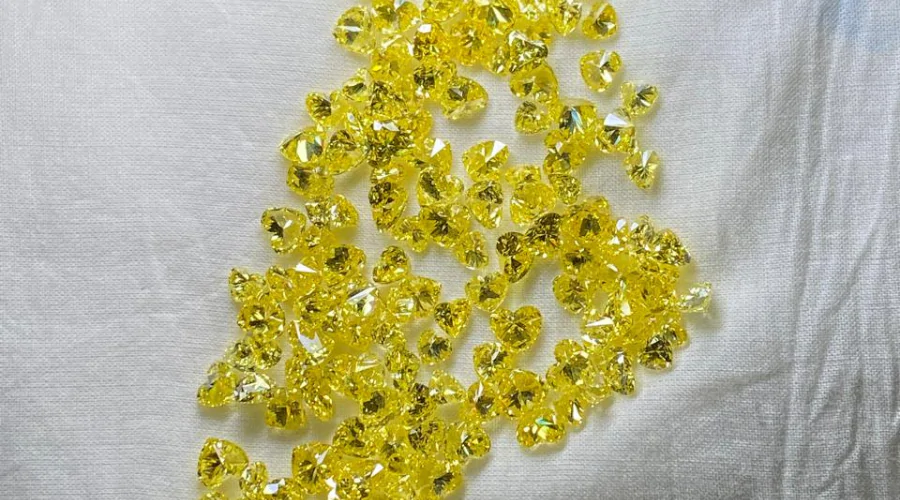
CVD diamond jewelry has become an increasingly popular choice for modern jewelry buyers who want the beauty, brilliance, and durability of diamonds with a contemporary approach to sourcing and production. As more consumers, professionals, and jewelry businesses in the United States explore laboratory-grown diamonds, questions and misconceptions about CVD diamonds are also becoming more common. Chemical Vapor Deposition, commonly known as CVD, is a laboratory process used to create diamonds with the same fundamental carbon crystal structure as natural diamonds. However, many myths still create confusion about their quality, appearance, certification, and value.
At Jaitam Jewels, we believe that informed buyers make better jewelry decisions. Whether you are searching for CVD Jewelry USA, looking for the Best CVD Jewelry in USA, purchasing CVD Jewelry for Professionals in USA, or comparing Certified CVD Diamonds USA, understanding the facts behind CVD diamonds can help you choose jewelry with greater confidence. This guide addresses some of the most common myths about CVD diamond jewelry and explains what buyers should actually know before making a purchase.
What Are CVD Diamonds?
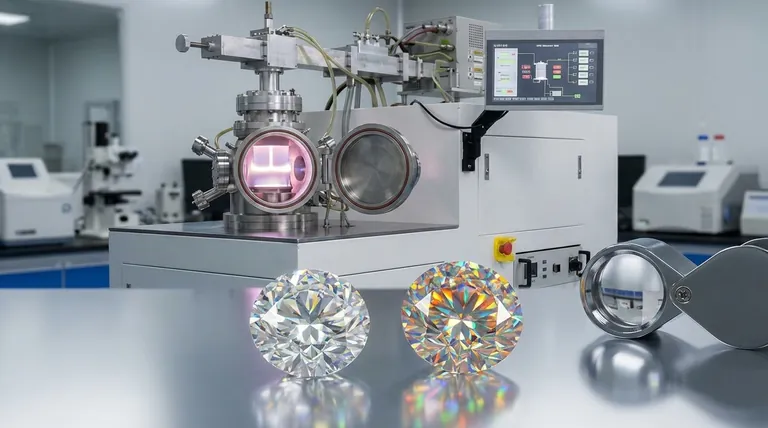
CVD diamonds are laboratory-grown diamonds produced using a controlled Chemical Vapor Deposition process. During this process, a carbon-containing gas is introduced into a specialized chamber under controlled conditions. The carbon atoms gradually deposit onto a diamond seed and form a crystalline diamond layer. Over time, the crystal develops into a laboratory-grown diamond that can be cut, polished, and used in jewelry.
One of the most important facts about CVD diamonds is that they are not simply diamond-like alternatives. A properly produced CVD diamond is a real diamond because it consists of crystallized carbon arranged in the characteristic diamond structure. The primary distinction is its origin: natural diamonds develop through geological processes over extremely long periods, while CVD diamonds are created in controlled laboratory environments.
For buyers interested in CVD Jewelry USA, this distinction is important because the choice between natural and laboratory-grown diamonds can involve factors such as origin, budget, design preferences, certification, and intended use.
Myth 1: CVD Diamonds Are Not Real Diamonds
Perhaps the most common misconception is that CVD diamonds are fake diamonds. This is incorrect. CVD diamonds are laboratory-grown diamonds, meaning they are created through a technological process rather than mined from the earth.
The word “laboratory-grown” describes their origin, not their basic material identity. CVD diamonds are made from carbon and have the diamond crystal structure. They can display the fire, brilliance, hardness, and optical characteristics associated with diamonds when properly grown and cut.
This is why buyers should distinguish between a lab-grown diamond, a diamond simulant, and imitation jewelry. Materials such as cubic zirconia or certain types of glass are diamond simulants, whereas a CVD diamond is a laboratory-grown diamond.
When shopping for CVD jewelry, customers should ask for clear product information and appropriate diamond documentation. This is especially relevant when purchasing Certified CVD Diamonds USA, where independent grading information can provide additional details about the diamond’s characteristics.
Myth 2: CVD Diamonds Look Completely Different From Natural Diamonds
Another common myth is that people can easily identify a CVD diamond simply by looking at it. In reality, determining whether a diamond is laboratory-grown or naturally mined generally requires specialized gemological testing and appropriate documentation.
A well-cut CVD diamond can have impressive brilliance and sparkle because these qualities depend heavily on the diamond’s cut, proportions, clarity, and polishing. A beautifully designed CVD diamond ring, pendant, bracelet, or pair of earrings can therefore offer the visual appeal that customers expect from fine diamond jewelry.
For everyday buyers, the most important considerations should include the diamond’s grading information, cut quality, color, clarity, carat weight, craftsmanship, and the reputation of the jeweler. Instead of relying on visual assumptions, buyers should purchase from a trusted source that provides transparent information.
Myth 3: CVD Diamonds Are Poor Quality
The quality of a CVD diamond depends on how it is grown, processed, cut, and graded. It is inaccurate to assume that every CVD diamond is automatically low quality.
Like natural diamonds, laboratory-grown diamonds can vary considerably in their characteristics. Some may have excellent color and clarity, while others may show inclusions, color characteristics, or growth-related features. The cutting process also plays an important role in determining how effectively a diamond reflects light.
For this reason, customers looking for the Best CVD Jewelry in USA should not choose jewelry based only on the term “CVD.” Instead, they should consider the complete product, including the diamond quality, setting, metal, craftsmanship, certification where applicable, and seller transparency.
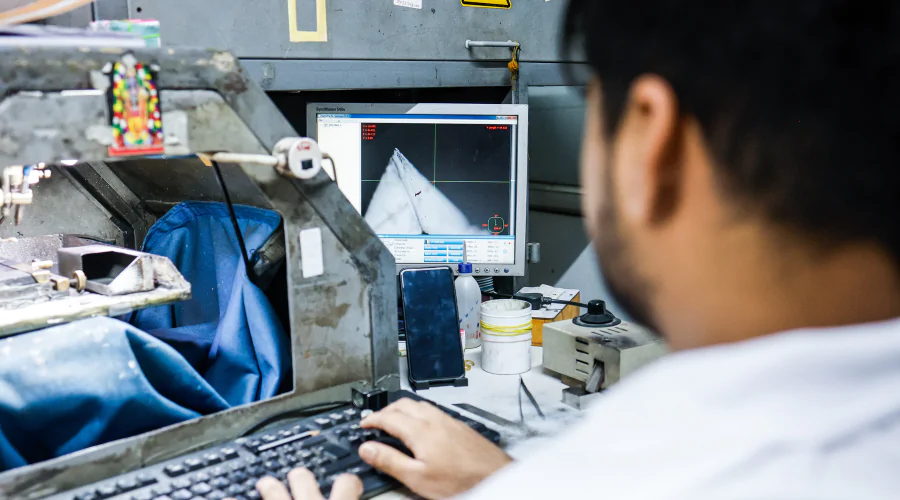
Myth 4: CVD Jewelry Is Only Suitable for Budget Buyers
CVD jewelry is often associated with affordability, but limiting its appeal to budget-conscious shoppers overlooks its broader possibilities. CVD diamonds can be incorporated into many types of jewelry, from simple everyday pieces to sophisticated designs intended for special occasions.
A customer may choose a CVD diamond because they prefer laboratory-grown diamonds, want a particular carat size or design within a defined budget, or simply appreciate the modern technology behind the product. The choice does not have to be based solely on price.
At Jaitam Jewels, CVD jewelry can be approached as a design and purchasing choice rather than simply a low-cost substitute. The final value of a jewelry piece also depends on its design, craftsmanship, metal, setting quality, finishing, and overall presentation.
Myth 5: All CVD Diamonds Are Exactly the Same
CVD diamonds are not identical to one another. Laboratory-grown diamonds can have different grades, sizes, colors, clarity characteristics, proportions, and growth histories.
The CVD process itself has also evolved over time. Manufacturers can use different production conditions and post-growth treatments to achieve desired characteristics. As a result, buyers should evaluate individual diamonds rather than making assumptions about the entire category.
This is particularly important for professionals purchasing multiple pieces or sourcing jewelry for retail. CVD Jewelry for Professionals in USA should be evaluated based on consistency, documentation, production capabilities, design requirements, quality control, and supplier reliability.
Myth 6: CVD Diamonds Cannot Be Certified
Another misconception is that CVD diamonds cannot receive independent grading documentation. Laboratory-grown diamonds can be submitted to recognized gemological laboratories for examination and grading.
A grading report can provide information about characteristics such as carat weight, color, clarity, cut, measurements, and whether the diamond is laboratory-grown. The exact information and terminology can vary depending on the grading laboratory and report type.
For buyers searching for Certified CVD Diamonds USA, certification can be an important part of the purchasing process. However, buyers should also understand what the certificate represents. A grading report is not a guarantee of future resale value or an investment return. Its primary purpose is to provide an independent assessment of specified diamond characteristics.
Myth 7: CVD Jewelry Is Only for Younger Buyers
CVD jewelry is sometimes described as a trend designed exclusively for younger consumers. In reality, jewelry preferences are highly individual. People of different ages and backgrounds may choose laboratory-grown diamonds for different reasons.
CVD diamonds can be used in classic solitaire rings, contemporary engagement rings, diamond earrings, tennis-style jewelry, pendants, bracelets, and custom-designed pieces. Their versatility means that the final jewelry style can range from traditional to highly modern.
The design should therefore be selected according to the wearer’s personal style, lifestyle, occasion, and preferences rather than assumptions about age.
Myth 8: CVD Diamonds Cannot Be Used in Professional Jewelry
Professional jewelers, designers, retailers, and jewelry businesses can incorporate laboratory-grown diamonds into a variety of product categories. However, professional sourcing requires a higher level of attention to consistency and documentation.
For CVD Jewelry for Professionals in USA, factors such as stone specifications, available sizes, color and clarity ranges, setting quality, production timelines, customization capabilities, packaging, quality inspection, and order requirements can all be important.
Professionals should also communicate clearly with customers about the diamond’s laboratory-grown origin. Transparent product descriptions help create realistic expectations and support long-term customer trust.
Myth 9: CVD Diamonds Do Not Have Any Value
The word “value” can mean different things in the jewelry industry. A diamond may have value as a beautiful piece of jewelry, a personal purchase, or a symbolic gift, while its resale or investment value is a separate consideration.
Customers should not purchase CVD diamonds with the expectation of guaranteed investment returns. Instead, they should consider their purpose for buying the jewelry and the characteristics they value most.
For many buyers, the appeal of CVD jewelry lies in obtaining a genuine laboratory-grown diamond with desired characteristics and incorporating it into a well-crafted piece of jewelry. The design, craftsmanship, wearability, and personal significance can be important parts of that value.
Myth 10: CVD Diamonds Are Impossible to Identify
Although CVD diamonds can be visually similar to natural diamonds, advanced gemological equipment can identify laboratory-grown diamonds and distinguish them from naturally mined stones.
Specialized laboratories can examine growth characteristics and other features that may reveal whether a diamond was grown using CVD technology. This is another reason why professional documentation is useful when buying or selling laboratory-grown diamonds.
For consumers, the practical approach is simple: purchase from a reputable jewelry company, request appropriate documentation when applicable, and make sure the product description clearly identifies the diamond’s laboratory-grown origin.
Myth 11: CVD Jewelry Is Not Suitable for Engagement Rings
There is no technical rule that prevents a CVD diamond from being used in an engagement ring. A laboratory-grown diamond can be cut into popular shapes such as round, oval, emerald, pear, princess, cushion, and marquise, depending on availability and manufacturing specifications.
The important factors are the diamond’s characteristics and the quality of the ring setting. A well-designed setting should hold the center stone securely while complementing its shape and proportions.
For couples considering CVD engagement jewelry, the decision can be based on design preferences, diamond specifications, budget, certification, and the significance they attach to laboratory-grown diamonds.
Myth 12: Choosing CVD Jewelry Means Sacrificing Design
The diamond is only one component of a jewelry piece. Metal selection, setting style, proportions, finishing, craftsmanship, and design details can dramatically influence the final appearance.
CVD diamonds can be incorporated into minimalist jewelry, statement pieces, bridal collections, professional jewelry lines, and customized designs. This makes them suitable for businesses and consumers looking for different aesthetics.
At Jaitam Jewels, the focus should be on creating jewelry that combines diamond selection with thoughtful design and quality craftsmanship. Buyers can explore different styles rather than assuming that CVD jewelry has a single appearance.
How to Choose CVD Jewelry in the USA
When choosing CVD Jewelry USA, buyers should look beyond marketing terms and evaluate the complete product. Start by understanding whether the diamond is clearly identified as laboratory-grown and whether supporting documentation is available. Next, consider the diamond’s carat weight, color, clarity, cut, shape, and proportions.
The jewelry setting deserves equal attention. Check the metal used, craftsmanship, finishing, stone security, and overall construction. For professional buyers, additional considerations may include production capacity, customization, quality consistency, packaging, communication, and order fulfillment.
It is also useful to ask questions before purchasing. A reliable jewelry supplier should be able to explain the product clearly without making exaggerated claims about quality, resale value, or investment potential.
Why Certification Matters
Certification or independent grading documentation can make the purchasing process more transparent. For buyers researching Certified CVD Diamonds USA, a report can help confirm important characteristics and identify the diamond as laboratory-grown.
However, certification should be viewed as one part of the buying process rather than the only factor. The reputation of the jewelry company, quality of craftsmanship, product transparency, customer service, and after-sales support also matter.
When comparing different CVD jewelry suppliers, buyers should look for clear product information and consistent communication. This is particularly valuable for professionals who may need to maintain quality standards across multiple pieces or collections.
CVD Jewelry for Professionals in USA
The growing interest in laboratory-grown diamonds has created opportunities for jewelry retailers, designers, wholesalers, and other professionals. For businesses, CVD jewelry can provide access to a wide range of designs and diamond specifications while allowing brands to develop collections suited to their customers.
Professional buyers should focus on supplier reliability rather than simply selecting the lowest price. Consistent stone quality, accurate specifications, secure settings, reliable production, customization options, packaging, and communication can influence the success of a jewelry collection.
A professional supplier should also provide transparent information that retailers can use when educating their own customers. Clear descriptions of laboratory-grown origin, diamond characteristics, certification, and care requirements can support better customer experiences.
Why Buyers Choose the Best CVD Jewelry in USA
The Best CVD Jewelry in USA is not necessarily defined by one feature or one price point. Quality is a combination of the diamond, jewelry design, craftsmanship, materials, documentation, finishing, and service.
A good CVD jewelry piece should look refined, feel comfortable, and be made with appropriate attention to detail. Buyers should also receive accurate information about what they are purchasing.
For this reason, customers should compare complete jewelry pieces rather than focusing only on carat size. A larger diamond does not automatically mean better jewelry. Cut quality, proportions, design balance, setting security, and craftsmanship all contribute to the finished product.
Final Thoughts
CVD diamond jewelry offers modern buyers another way to enjoy laboratory-grown diamonds in thoughtfully designed jewelry. Many of the myths surrounding CVD diamonds come from confusion between laboratory-grown diamonds and diamond simulants or from assumptions that all laboratory-grown diamonds have identical characteristics. In reality, individual diamond quality, grading, cutting, craftsmanship, and transparency matter.
Whether you are searching for CVD Jewelry USA, comparing the Best CVD Jewelry in USA, sourcing CVD Jewelry for Professionals in USA, or looking specifically for Certified CVD Diamonds USA, the best approach is to make an informed decision based on verified product information and your individual requirements.
Jaitam Jewels focuses on helping customers explore diamond jewelry with clarity and confidence. By understanding how CVD diamonds are produced, how they differ from natural diamonds, what certification means, and what to look for in a finished jewelry piece, buyers can make decisions based on facts rather than outdated myths. The result is a more transparent and informed approach to choosing CVD diamond jewelry for personal wear, gifting, engagement jewelry, or professional collections.
FAQs
1. Are CVD diamonds real diamonds?
Yes, CVD diamonds are real laboratory-grown diamonds. They are made from carbon using Chemical Vapor Deposition technology and have the same fundamental crystal structure as diamonds. Their main difference is their origin: CVD diamonds are created in controlled laboratory conditions rather than formed naturally underground over geological periods.
2. How can I identify certified CVD diamonds in the USA?
Certified CVD diamonds can be accompanied by a grading report from a recognized gemological laboratory. The report generally identifies the diamond as laboratory-grown and provides details such as carat weight, color, clarity, cut, and measurements. Always verify the report information and purchase from a reputable jewelry supplier.
3. Is CVD jewelry suitable for everyday wear?
Yes, CVD diamond jewelry can be suitable for everyday wear when the diamond is properly cut and securely set. CVD diamonds have the hardness associated with diamond, while the jewelry setting determines much of its practical durability. Regular cleaning, careful handling, and professional inspections can help maintain appearance.
4. What should professionals consider when buying CVD jewelry?
Professionals should consider diamond quality, certification, consistency, available sizes, customization capabilities, setting quality, production capacity, packaging, and supplier reliability. For businesses sourcing CVD Jewelry for Professionals in USA, transparent product information and consistent quality control are particularly important for maintaining customer confidence and developing reliable jewelry collections.
5. Why choose Jaitam Jewels for CVD jewelry?
Jaitam Jewels offers customers an opportunity to explore CVD diamond jewelry with a focus on quality, design, transparency, and informed purchasing. Whether you are looking for CVD Jewelry USA, certified laboratory-grown diamonds, or jewelry for professional requirements, understanding the diamond specifications and craftsmanship can help you select the right piece.