The jewelry industry continues to offer opportunities for businesses that want to launch distinctive collections, build recognizable brands, and meet changing customer preferences. Private label jewelry has become an attractive business model because it allows retailers, ecommerce entrepreneurs, wholesalers, and established fashion businesses to sell jewelry under their own brand names without establishing their own manufacturing facilities. Among the available materials, 925 sterling silver remains a popular choice because of its versatility, attractive appearance, durability with proper care, and suitability for a wide variety of jewelry designs. Working with experienced 925 Sterling Silver Jewelry Manufacturers in USA or international manufacturing partners can help private label brands turn creative concepts into market-ready collections. Jaitam Jewels understands the importance of combining appealing designs, dependable craftsmanship, and brand-specific requirements when developing jewelry collections. For businesses planning to introduce sterling silver earrings, rings, pendants, necklaces, bracelets, or customized jewelry lines, choosing the right manufacturing partner is an important step toward long-term growth. Professional manufacturers can support different stages of product development, including design assistance, material selection, sampling, production planning, finishing, and packaging coordination. By understanding how 925 Silver Jewelry Manufacturers in USA support private label businesses, brands can make more informed sourcing decisions, maintain consistent product standards, and create collections that reflect their individual market identity. What Is 925 Sterling Silver Jewelry? 925 sterling silver is an alloy containing 92.5% pure silver and 7.5% other metals, commonly copper, which helps improve the material’s strength and suitability for jewelry making. Pure silver is relatively soft for many everyday jewelry applications, so sterling silver provides a practical balance between appearance, workability, and durability. The 925 stamp is commonly used to identify sterling silver, although buyers should confirm material authenticity through appropriate supplier documentation or testing when required. For private label brands, sterling silver offers considerable creative flexibility. It can be shaped into minimalist everyday accessories, statement earrings, detailed pendants, gemstone rings, and contemporary necklaces. It can also be finished in different ways to achieve a polished, brushed, oxidized, or plated appearance, depending on the design and product specifications. This versatility allows brands to develop collections for different customer groups while maintaining a recognizable material identity. How 925 Sterling Silver Jewelry Manufacturers Support Private Label Brands 1. Customized Jewelry Design and Product Development One of the most important advantages of working with professional manufacturers is the ability to develop jewelry that reflects a brand’s unique identity. Rather than selling only generic, ready-made products, private label businesses can collaborate with manufacturing partners to create distinctive designs based on their target audience, preferred aesthetic, and pricing strategy. Manufacturers may help transform sketches, reference images, measurements, and digital concepts into technical specifications and production-ready designs. Jaitam Jewels can be positioned as a jewelry sourcing and development partner for businesses exploring sterling silver collections. A private label brand might develop geometric earrings for everyday wear, delicate silver necklaces for gifting, gemstone rings for special occasions, or coordinated jewelry sets for seasonal launches. The key is to establish clear specifications for dimensions, silver composition, stone selection, finishing, and branding before production begins. This helps create products that are more consistent with the brand’s original vision. 2. Consistent Material Quality and Craftsmanship Product quality plays a major role in customer satisfaction, repeat purchases, and brand reputation. Established manufacturers use defined production processes to help maintain consistency across multiple pieces and batches. These processes may include material verification, component inspection, soldering checks, stone-setting reviews, polishing, finishing, and final quality-control inspections. The precise procedures vary by manufacturer, so private label businesses should ask suppliers how they verify silver purity and assess finished products. The Top 925 Silver Jewelry Manufacturers in USA are often evaluated by buyers for factors such as craftsmanship, production reliability, communication, and quality-control practices. However, a supplier’s location or market reputation alone does not guarantee product quality. Brands should request samples, review relevant documentation, and establish written acceptance criteria before placing large orders. Consistent specifications help reduce avoidable differences in appearance, fit, finish, and construction across a jewelry collection. 3. Private Label Branding and Packaging Private label manufacturing enables businesses to sell jewelry under their own brand identity. Depending on the supplier’s capabilities, branding options may include engraved logos, branded tags, custom jewelry cards, product labels, gift boxes, pouches, and other packaging elements. These details help create a consistent customer experience and make the collection more recognizable across ecommerce stores, retail shelves, and gifting occasions. For example, a brand specializing in minimalist sterling silver jewelry might choose clean packaging, subtle logo placement, and coordinated product cards. A gifting-focused business may prefer presentation boxes and personalized messages. Manufacturers or sourcing partners can help coordinate these requirements, but brands should confirm minimum order quantities, setup charges, packaging availability, and production timelines in advance. Jaitam Jewels can be presented as a potential partner for businesses seeking to develop a cohesive jewelry offering with clear product and branding specifications. 4. Flexible Collections and Product Variety Private label businesses often need several product categories to serve different customer preferences. Sterling silver is suitable for a broad range of styles, including hoops, studs, drop earrings, chain necklaces, pendants, bracelets, stackable rings, and gemstone jewelry. Working with a manufacturer that supports multiple product types can make collection planning easier and help businesses maintain consistency across their product range. Rather than introducing too many designs at once, brands can begin with a focused collection based on customer demand and their available budget. A small launch might include a few everyday essentials, one or two statement pieces, and selected gifting products. Once sales data and customer feedback become available, the business can expand its assortment strategically. This approach allows private label brands to test their positioning and refine future collections without committing immediately to an unnecessarily large inventory. 5. Sampling and Prototyping Before Bulk Production Sampling allows private label brands to evaluate a jewelry design before investing in a larger production order. Manufacturers may create prototypes based on sketches, CAD drawings, measurements, or approved reference pieces. A physical sample helps… Continue reading How 925 Sterling Silver Jewelry Manufacturers Support Private Label Jewelry Brands

Author: gemssaga@gmail.com
How to Find Reliable 925 Silver Jewelry Manufacturers for Your Jewelry Business
Finding the right jewelry manufacturing partner is an important step for any jewelry brand that wants to offer attractive designs, consistent quality, and dependable customer service. Whether you operate an established jewelry store, manage an e-commerce business, or plan to launch your own private label collection, choosing reliable 925 Silver Jewelry Manufacturers in USA can help you build a strong foundation for long-term growth. Sterling silver jewelry is popular for its versatile designs, elegant appearance, and suitability for everyday wear as well as special occasions. However, not every manufacturer offers the same level of craftsmanship, material transparency, customization, or production consistency. Understanding how to evaluate manufacturers before placing an order can help you make informed sourcing decisions and avoid unnecessary business risks. For jewelry businesses looking to expand their collections, working with experienced 925 Sterling Silver Jewelry Manufacturers in USA can provide opportunities to develop distinctive products that meet customer expectations. From rings and necklaces to bracelets, earrings, and personalized jewelry, the right manufacturing partner should understand your design requirements, quality standards, production timelines, and commercial goals. At Jaitam Jewels, understanding jewelry materials, manufacturing expectations, and product quality is an important part of making informed jewelry sourcing decisions. This guide explains how to evaluate sterling silver manufacturers, verify product quality, compare suppliers, and choose a manufacturing partner that supports your business growth while helping you deliver dependable jewelry collections to your customers. What Is 925 Sterling Silver Jewelry? 925 sterling silver is an alloy containing 92.5% silver and 7.5% other metals, commonly copper. Pure silver is relatively soft, so combining it with other metals improves its suitability for jewelry manufacturing and everyday use. The 925 hallmark is widely associated with sterling silver, although businesses should verify material claims and applicable hallmarking requirements rather than relying on a stamp alone. This composition makes sterling silver a popular material for manufacturing jewelry that balances appearance, workability, and durability. For jewelry retailers and brands, 925 sterling silver offers flexibility across different product categories and price points. Manufacturers can use this material to create minimalist rings, statement earrings, layered necklaces, charm bracelets, gemstone jewelry, and custom-designed accessories. Sterling silver can also be finished with rhodium plating, gold plating, oxidation, or polishing, depending on the intended design. These options allow businesses to create collections for different customer preferences while maintaining a recognizable material standard. Before selecting a manufacturer, buyers should confirm the actual silver content, finishing methods, and care requirements of the products they plan to sell. Why Choosing the Right 925 Silver Jewelry Manufacturer Matters A jewelry manufacturer does more than transform raw materials into finished products. The manufacturer can influence product consistency, design accuracy, production efficiency, inventory planning, and customer satisfaction. If the supplier uses inconsistent materials or produces poorly finished pieces, your business may experience returns, negative reviews, and additional operating costs. Choosing a reliable manufacturing partner helps reduce these risks and gives you greater confidence when introducing new jewelry collections. For growing brands, dependable manufacturing is particularly important because customers expect products to match the descriptions, photographs, and quality claims presented online. A well-organized supplier should communicate clearly about production schedules, sample approvals, customization possibilities, packaging, and order quantities. Businesses searching for the Best 925 Silver Jewelry Manufacturers in USA should therefore evaluate the complete manufacturing relationship instead of making decisions based only on the lowest quoted price. The right partner should offer a reasonable balance of quality, transparency, flexibility, and commercial value. 1. Check the Manufacturer’s Experience and Industry Expertise The first step in finding a reliable manufacturer is to investigate its background, manufacturing experience, and product specialization. Some companies focus on ready-made wholesale jewelry, while others specialize in custom designs, gemstone settings, private label collections, or small-batch production. Understanding these differences helps you identify a supplier whose capabilities match your business requirements. Review the company’s official website, product catalog, manufacturing information, business contact details, and examples of completed work wherever available. Experience is particularly valuable when your designs involve detailed engraving, intricate stone settings, delicate chains, or unusual dimensions. An experienced manufacturing team is more likely to understand the technical considerations involved in producing these designs consistently. However, a long operating history alone does not guarantee quality. Ask for relevant samples, technical specifications, and references when appropriate. If a manufacturer claims to have specialized equipment or in-house production capabilities, clarify which processes are performed internally and which are outsourced. This information helps you assess whether the supplier can meet your expected standards. 2. Verify Silver Purity and Material Authenticity Material verification is one of the most important steps when evaluating 925 Sterling Silver Jewelry Manufacturers in USA. Since sterling silver is defined by its silver content, businesses should confirm that products sold as 925 sterling silver meet the required composition. A stamp or written assurance can be useful, but neither should be treated as conclusive proof of authenticity without supporting information. Ask manufacturers about their material sourcing practices, supplier documentation, quality-control procedures, and available testing methods. Depending on the order and the level of assurance required, independent material testing may be appropriate. Methods such as X-ray fluorescence (XRF) can help assess metal composition, although test results must be interpreted correctly because surface plating can affect readings. For more complex verification needs, a qualified laboratory can recommend suitable testing procedures. It is also important to distinguish solid sterling silver from silver-plated jewelry. Silver-plated products have a different underlying metal composition and should not be marketed as solid 925 sterling silver. Similarly, gold-plated sterling silver contains a sterling silver base with a gold surface layer, which should be described accurately. Clear material specifications protect your customers and help your business maintain trustworthy product listings. 3. Evaluate Craftsmanship and Product Quality A reliable jewelry manufacturer should demonstrate consistent craftsmanship across its product range. Examine samples carefully before committing to a large order. Look at the smoothness of edges, strength of clasps, chain connections, stone alignment, symmetry, soldering, surface polishing, and overall finish. For rings and bracelets, verify dimensions and sizing accuracy.… Continue reading How to Find Reliable 925 Silver Jewelry Manufacturers for Your Jewelry Business
How to Choose the Best CVD Jewelry in USA
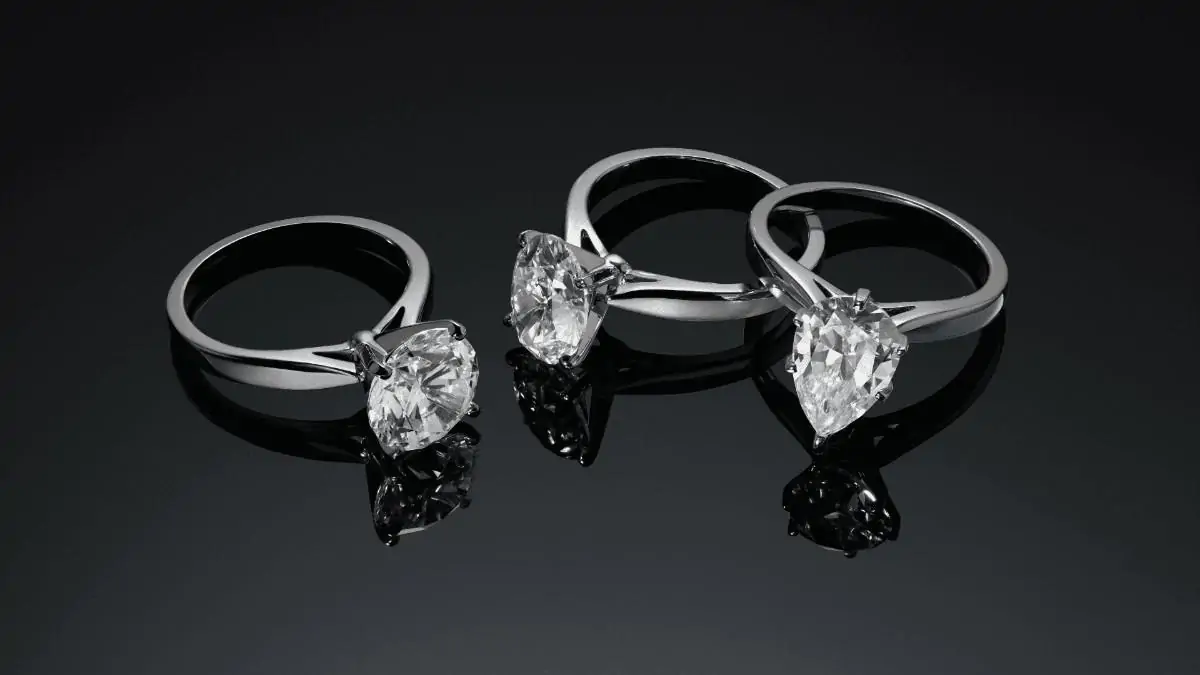
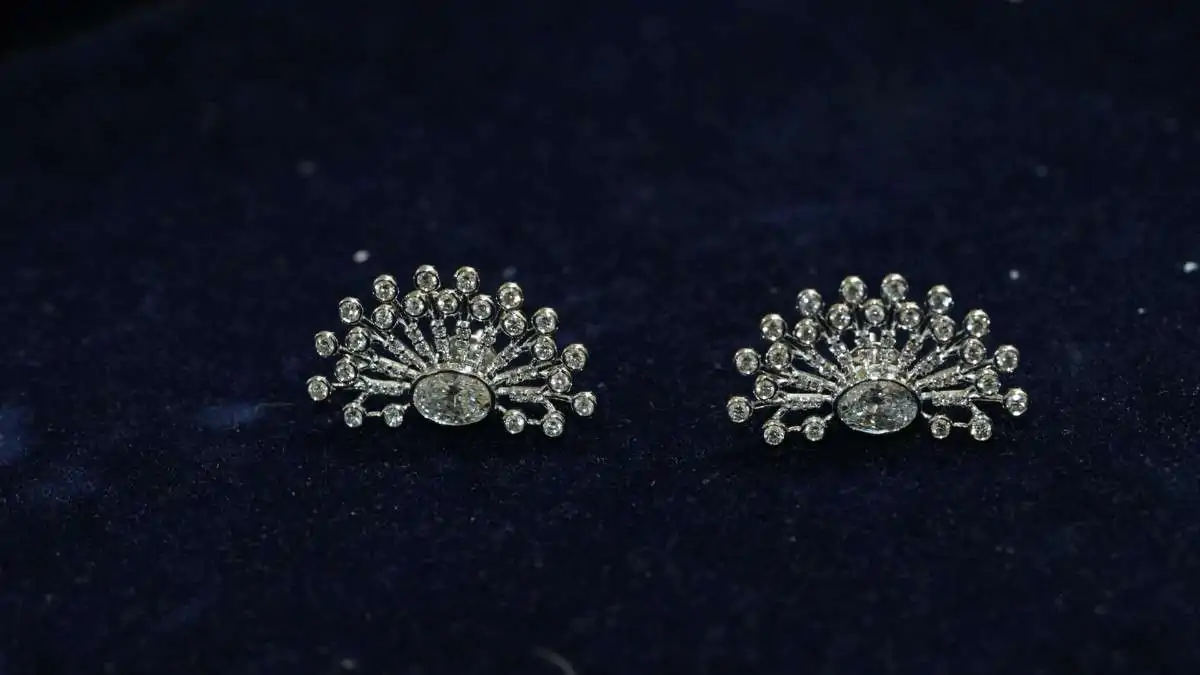
The growing interest in lab-grown diamonds has changed the way people approach fine jewelry, especially in the United States. Among the different technologies used to create lab-grown diamonds, Chemical Vapor Deposition (CVD) has become an important method for producing diamonds with properties similar to naturally mined diamonds. From engagement rings and wedding bands to earrings, pendants, and custom designs, CVD diamonds are now being used across a wide range of jewelry styles. However, choosing the right piece requires more than simply comparing prices. Buyers should understand diamond quality, certification, manufacturing standards, craftsmanship, metal selection, and the reputation of the supplier before making a purchase. For customers exploring CVD Jewelry in USA, the goal should be to find jewelry that combines reliable diamond quality with skilled craftsmanship and transparent sourcing information. Whether you are purchasing a single engagement ring or looking for a long-term jewelry manufacturing partner, understanding how CVD diamonds are produced and graded can make the buying process much easier. Jaitam Jewels focuses on providing thoughtfully manufactured diamond jewelry while helping buyers and businesses make informed decisions based on quality, design, and individual requirements. What Is CVD Jewelry? CVD jewelry refers to jewelry made using diamonds produced through the Chemical Vapor Deposition process. In this method, a diamond seed is placed inside a controlled chamber where carbon-containing gases are introduced under carefully regulated conditions. Energy is used to break down the gases, allowing carbon atoms to gradually deposit onto the diamond seed and form a crystalline diamond structure. The resulting laboratory-grown diamond is a real diamond rather than an imitation material. It has the same fundamental carbon crystal structure as a mined diamond, although its origin is different. The main distinction is that a CVD diamond is grown in a laboratory environment instead of being formed naturally underground over geological periods. This distinction is important for consumers because terms such as lab-grown, laboratory-created, synthetic, and simulant can sometimes be confusing. A diamond simulant such as cubic zirconia is not diamond, whereas a laboratory-grown diamond has the essential physical and chemical characteristics associated with diamond. Buyers should always check the grading documentation and product information provided with their jewelry. Why Is CVD Jewelry Becoming Popular in the USA? The American jewelry market has increasingly embraced laboratory-grown diamonds because consumers are becoming more interested in understanding where their jewelry comes from, how it is produced, and how its price relates to diamond characteristics. CVD technology has contributed to this market by enabling manufacturers to grow diamonds under controlled conditions. Another reason for the growing interest is the variety of jewelry that can be created using laboratory-grown diamonds. CVD diamonds can be incorporated into classic solitaire rings, halo designs, tennis bracelets, diamond studs, pendants, wedding bands, and customized jewelry. This gives buyers considerable flexibility when selecting a design. For businesses, CVD diamonds can also provide additional options when developing jewelry collections. Retailers and jewelry brands can select different diamond sizes, shapes, grades, and settings according to their target customers and product positioning. How to Choose the Best CVD Jewelry in USA Choosing the right CVD jewelry should involve several factors rather than focusing on a single characteristic. A beautiful design may attract attention initially, but diamond quality, certification, metal purity, manufacturing precision, and supplier transparency are equally important for a long-term purchase. 1. Understand the Four Cs of the Diamond The first step is to understand the traditional four Cs: cut, color, clarity, and carat weight. These characteristics help buyers compare diamonds more objectively. Cut affects how effectively a diamond interacts with light. A well-cut diamond can appear bright and lively because its facets are positioned to reflect light effectively. For many jewelry buyers, cut can have a noticeable impact on the overall appearance. Color refers to how much color is visible in a diamond. For traditional colorless diamond grading, higher grades generally indicate less visible body color. However, the ideal color grade can depend on the jewelry design and the metal used. Clarity describes the presence of internal inclusions and surface characteristics. Not every inclusion will be visible to the naked eye, so buyers should consider both the grading information and the actual appearance of the diamond. Carat weight refers to the diamond’s weight rather than its physical dimensions alone. Two diamonds with the same carat weight can look different depending on their shape, cut proportions, and setting. Understanding these factors allows buyers to make decisions based on the complete quality profile instead of choosing a diamond simply because it has a larger carat weight. 2. Check Diamond Certification Certification or grading documentation is another important consideration when buying CVD diamond jewelry. An independent gemological laboratory can evaluate characteristics such as carat weight, color, clarity, cut, and other identifying information. A grading report can provide buyers with greater confidence about what they are purchasing. When comparing different pieces, look for clear documentation and make sure the diamond information corresponds with the jewelry being offered. For higher-value purchases, buyers should avoid relying solely on general descriptions such as “excellent diamond” or “premium CVD diamond.” Specific grading information provides a much more useful basis for comparison. 3. Consider the Jewelry Metal The diamond is only one component of a finished jewelry piece. The metal used for the setting can significantly influence its appearance, durability, and overall style. Gold remains one of the most popular choices for diamond jewelry. Yellow gold creates a traditional and warm appearance, while white gold offers a contemporary look that can complement colorless diamonds. Rose gold provides a softer, distinctive appearance and can work particularly well with modern jewelry designs. Buyers should also consider the purity of the gold. Common options include 14K and 18K gold, with each offering a different balance of gold content, durability, appearance, and price. When purchasing from a professional jewelry manufacturer, ask about the metal specification, hallmarking where applicable, and the construction of the setting. 4. Look Closely at Craftsmanship A high-quality diamond can lose some of its visual appeal if the jewelry… Continue reading How to Choose the Best CVD Jewelry in USA
Custom Gold Jewelry Manufacturer for Small Businesses
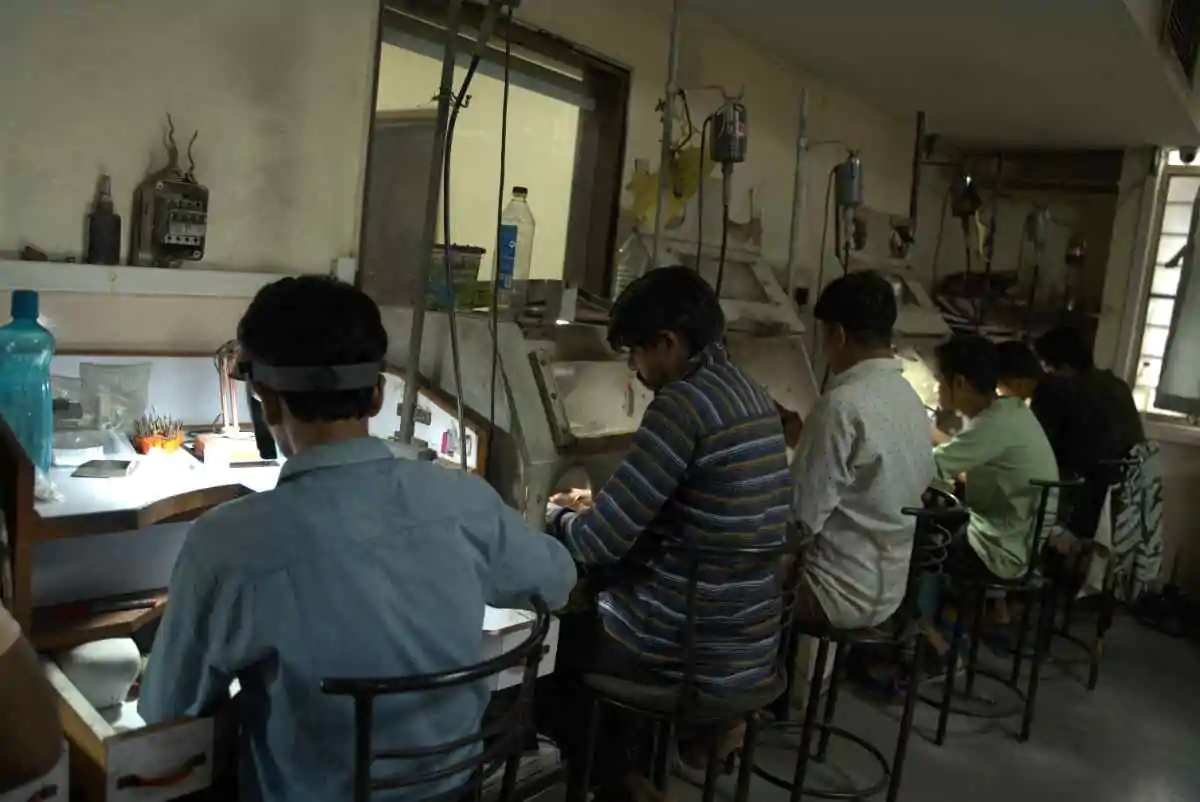
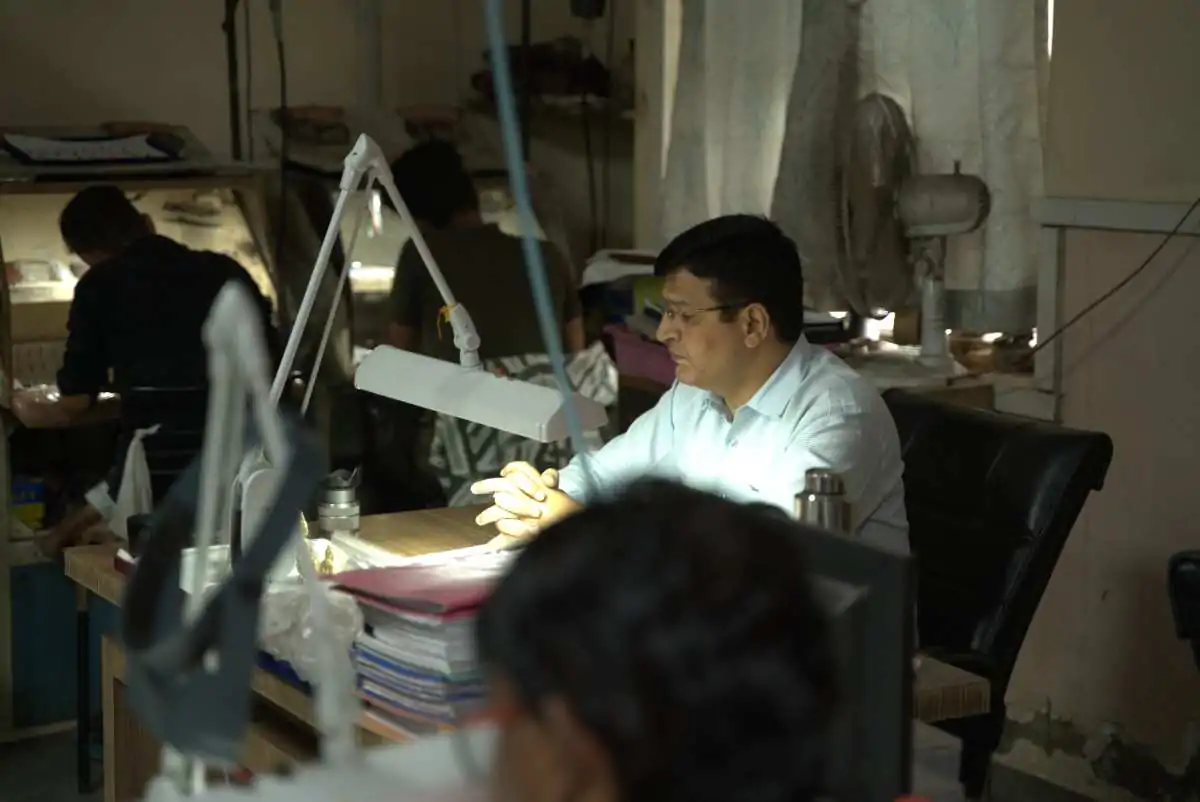
Small jewelry businesses often have a clear vision for the products they want to sell, but turning that vision into consistent, commercially viable jewelry can be challenging. From selecting the right gold purity and gemstone specifications to developing samples, controlling production costs, maintaining quality, and managing packaging, every stage matters. Working with an experienced custom gold jewelry manufacturer can help small businesses transform their concepts into finished pieces while maintaining greater control over design, branding, and production requirements. For retailers, boutique jewelry brands, private-label businesses, and online sellers, the right manufacturing partner can become an important part of building a dependable product line. For businesses exploring manufacturing partnerships, choosing among Gold Jewelry Manufacturers in USA requires more than comparing prices or browsing product catalogs. A suitable manufacturer should understand customization, communicate clearly, provide realistic production timelines, maintain consistent quality, and have processes that match the business’s order volume. Jaitam Jewels works with businesses looking for customized jewelry manufacturing solutions, helping brands develop gold jewelry according to their design, material, finishing, and branding requirements. The goal is to create a practical manufacturing relationship that supports both product quality and long-term business growth. Why Small Businesses Choose Custom Gold Jewelry Manufacturing Custom manufacturing gives small jewelry businesses the flexibility to develop products that are different from mass-market collections. Instead of selecting only from ready-made designs, a brand can create jewelry around its own aesthetic, customer preferences, price positioning, and market identity. A customized product can include specific dimensions, gold purity, gemstone choices, finishes, engraving, stone settings, and other design details. For a growing jewelry brand, this flexibility can be particularly valuable because product differentiation is often closely connected to brand recognition. A small business may want delicate everyday jewelry, statement pieces, personalized pendants, gemstone rings, gold earrings, or a coordinated collection with a particular design language. Custom production allows these ideas to be developed into repeatable jewelry pieces rather than relying entirely on generic wholesale designs. The manufacturing process also allows businesses to consider practical factors before placing larger orders. A design can be reviewed for wearability, proportions, construction, stone placement, finishing, and production feasibility. This helps reduce the possibility of discovering major design problems after a larger production run has already started. What Is a Custom Gold Jewelry Manufacturer? A custom gold jewelry manufacturer produces jewelry according to specifications supplied by a brand, retailer, designer, or business. Depending on the manufacturing arrangement, the process may involve design development, CAD modeling, prototyping, casting, gemstone setting, polishing, finishing, quality inspection, and packaging. Custom manufacturing is different from simply purchasing finished wholesale jewelry. With wholesale products, the available designs and specifications are generally predetermined. With custom manufacturing, the business has greater influence over the final product. For example, a jewelry brand may provide an initial sketch of a ring and request a particular gold purity, stone size, band width, surface finish, and logo engraving. The manufacturer can then convert the concept into a production-ready design and sample. After approval, the design can potentially move into production according to the agreed specifications. This approach is especially useful for businesses that want to build recognizable collections rather than repeatedly selling designs that are available from many different sellers. How Custom Gold Jewelry Manufacturing Works A successful manufacturing process usually begins with a clear understanding of the product requirements. The business may provide drawings, reference images, CAD files, measurements, existing samples, or simply a detailed description of the desired piece. The manufacturer then evaluates the design and determines how it can be produced. 1. Design Consultation and Specification The first stage involves understanding the jewelry concept. Important details can include gold purity, jewelry dimensions, gemstone type, gemstone size, color, setting style, finish, weight expectations, and intended retail positioning. Small businesses should communicate their requirements as clearly as possible. If the design is intended for everyday wear, for example, durability and comfort should be considered during development rather than after production. 2. CAD Development and Prototype For many custom jewelry projects, CAD modeling is an important step. A digital model allows the manufacturer and client to review proportions and construction before the piece is physically produced. A prototype or sample can then be created to evaluate the actual appearance and functionality. This stage gives the business an opportunity to request modifications before approving production. 3. Gold Selection and Production Once the design is approved, the manufacturer can proceed according to the agreed gold specifications. Gold jewelry can be produced in different purities and colors, depending on the requirements of the product and target market. The manufacturing process may include casting or other production techniques, followed by cleaning, assembly, stone setting, polishing, and finishing. The exact process depends on the jewelry design and manufacturing requirements. 4. Quality Inspection and Final Finishing Before products reach the client, quality checks can help identify issues related to finishing, stone placement, dimensions, surface appearance, or construction. For small brands, consistency is particularly important because customers expect pieces from the same collection to maintain comparable standards. A structured quality-control process can therefore support better customer experiences and reduce avoidable product issues. Choosing Gold Jewelry Manufacturers in USA for a Small Business When comparing Gold Jewelry Manufacturers in USA, small businesses should look beyond the headline manufacturing price. The cheapest quotation may not necessarily represent the lowest overall business cost if communication problems, inconsistent quality, delays, or excessive minimum quantities create additional expenses. A manufacturer should ideally be evaluated according to several practical factors. These include manufacturing capabilities, customization options, communication, sampling process, quality-control procedures, minimum order requirements, production timelines, material transparency, packaging capabilities, and ability to support repeat orders. For a new brand, sampling can be particularly important. A manufacturer that is comfortable developing samples gives the business an opportunity to evaluate the product before committing to a larger quantity. This can be valuable when the brand is still testing customer demand. Understanding Minimum Order Quantities Minimum order quantity, commonly known as MOQ, is an important consideration for small businesses. Large manufacturers may… Continue reading Custom Gold Jewelry Manufacturer for Small Businesses
How to Choose a Gold Jewelry Manufacturer for Custom Designs
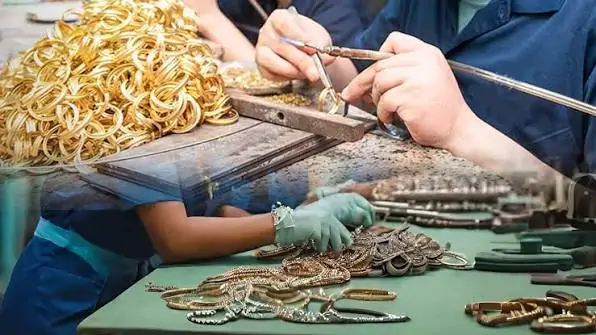
Choosing the right gold jewelry manufacturer is one of the most important decisions when you want to create custom jewelry that reflects a specific design, brand identity, or customer requirement. Whether you are a jewelry retailer, designer, private-label brand, wholesaler, or an individual looking for a unique piece, the manufacturer you select can directly influence the quality, craftsmanship, pricing, production timeline, and overall experience. Custom jewelry requires more than simply selecting a supplier from a long list of manufacturers. You need a manufacturing partner that understands design specifications, gold purity, gemstone requirements, finishing standards, production processes, and quality expectations. This is why researching Gold Jewelry Manufacturers in USA carefully can help you identify a company that is capable of turning your concept into a finished jewelry piece with consistency and attention to detail. For custom designs, the relationship between the designer or buyer and manufacturer is particularly important because every project may involve different requirements. A custom ring, necklace, bracelet, pendant, or pair of earrings may require CAD development, 3D modeling, prototyping, casting, stone setting, polishing, engraving, plating, and final quality inspection. The right manufacturing partner should be transparent about these processes and should communicate clearly from the initial design discussion through final production. Jaitam Jewels understands the importance of detailed customization and professional jewelry manufacturing, helping buyers explore gold jewelry solutions according to their design and business requirements. When evaluating manufacturers, the objective should be to find a partner that combines craftsmanship, technical capabilities, communication, quality control, and dependable production practices. Understand Your Custom Jewelry Requirements First Before contacting Gold Jewelry Manufacturers in USA, it is important to clearly define what you want to manufacture. A manufacturer can provide a much more accurate response when the design requirements are specific. Start by identifying the type of jewelry you need, such as gold rings, earrings, pendants, bracelets, necklaces, or other customized pieces. You should also determine the preferred gold purity, color, approximate weight, dimensions, gemstone requirements, finishing style, and expected quantity. For a jewelry brand, it is useful to prepare product references, sketches, CAD files, inspiration images, or technical drawings before requesting a quotation. Custom manufacturing becomes much easier when both sides have a clear understanding of the expected final product. For example, a minimalist gold ring and an elaborate gemstone ring may require completely different manufacturing techniques and production timelines. Similarly, a design intended for everyday wear may require different structural considerations than a statement jewelry piece created primarily for special occasions. By documenting these details in advance, you can reduce misunderstandings and make it easier to compare different manufacturers based on the same specifications. Check the Manufacturer’s Experience in Custom Gold Jewelry Experience is one of the most useful factors when evaluating a jewelry manufacturer. A company may manufacture standard jewelry successfully but may have limited experience with highly customized designs. Custom jewelry often requires problem-solving during the development stage, especially when the design contains unusual shapes, delicate structures, multiple gemstones, intricate patterns, or specific finishing requirements. When researching the Best Gold Jewelry Manufacturers in USA, look beyond general claims and examine the manufacturer’s actual capabilities. Review examples of previous work, manufacturing categories, design styles, and customization options. A manufacturer with experience across different jewelry types is often better positioned to understand the technical challenges associated with custom production. Ask whether they have experience working with jewelry brands, retailers, designers, wholesalers, or private-label businesses if that is relevant to your project. A strong manufacturing partner should be able to explain how your concept can be converted into a manufacturable product. This may include recommendations about thickness, stone placement, prong structure, clasp design, weight distribution, or finishing. Such practical input can be valuable because a design that looks attractive in a drawing may require technical modifications before it can be manufactured efficiently and reliably. Evaluate Gold Purity and Material Transparency Gold purity is a fundamental consideration when choosing a manufacturer. Gold jewelry can be produced in different karat options, including 10K, 14K, 18K, and other specifications depending on the intended market and product requirements. The higher the karat, the greater the proportion of pure gold in the alloy, while lower-karat gold generally contains a higher percentage of other metals that can influence durability, color, and price. A reliable manufacturer should clearly communicate the gold specification used for your jewelry. Buyers should understand whether the quoted price is based on 10K, 14K, 18K, or another gold composition and whether the final piece will be appropriately marked or documented according to applicable requirements. If your jewelry business sells products to customers, accurate material information is especially important because it affects product descriptions, pricing, customer expectations, and brand credibility. The gold color should also be discussed. Yellow gold, white gold, and rose gold can have different alloy compositions and finishing requirements. White gold may also involve plating or finishing processes depending on the manufacturer’s approach and the desired appearance. Discussing these details before production helps prevent differences between the approved sample and the final jewelry. Ask About CAD Design and Prototyping For custom jewelry, CAD and prototyping capabilities can make a significant difference. Computer-aided design allows a jewelry concept to be developed into a detailed digital model before physical production begins. This gives the buyer an opportunity to review proportions, dimensions, stone placement, and design details before committing to a full production run. The CAD stage is especially useful for businesses creating new jewelry collections. Instead of relying entirely on a two-dimensional sketch, you can review a more detailed representation of the proposed product. In many cases, adjustments can be made before casting or manufacturing begins, reducing the possibility of expensive changes later. Ask your manufacturer how CAD revisions are handled, whether design development is included in the quotation, and how many revisions are permitted. It is also useful to clarify ownership and usage rights related to custom CAD files and original designs. These details can be particularly important for jewelry brands that invest in developing exclusive collections. Examine Manufacturing and… Continue reading How to Choose a Gold Jewelry Manufacturer for Custom Designs
How to Find Reliable Gold Jewelry Manufacturers in USA
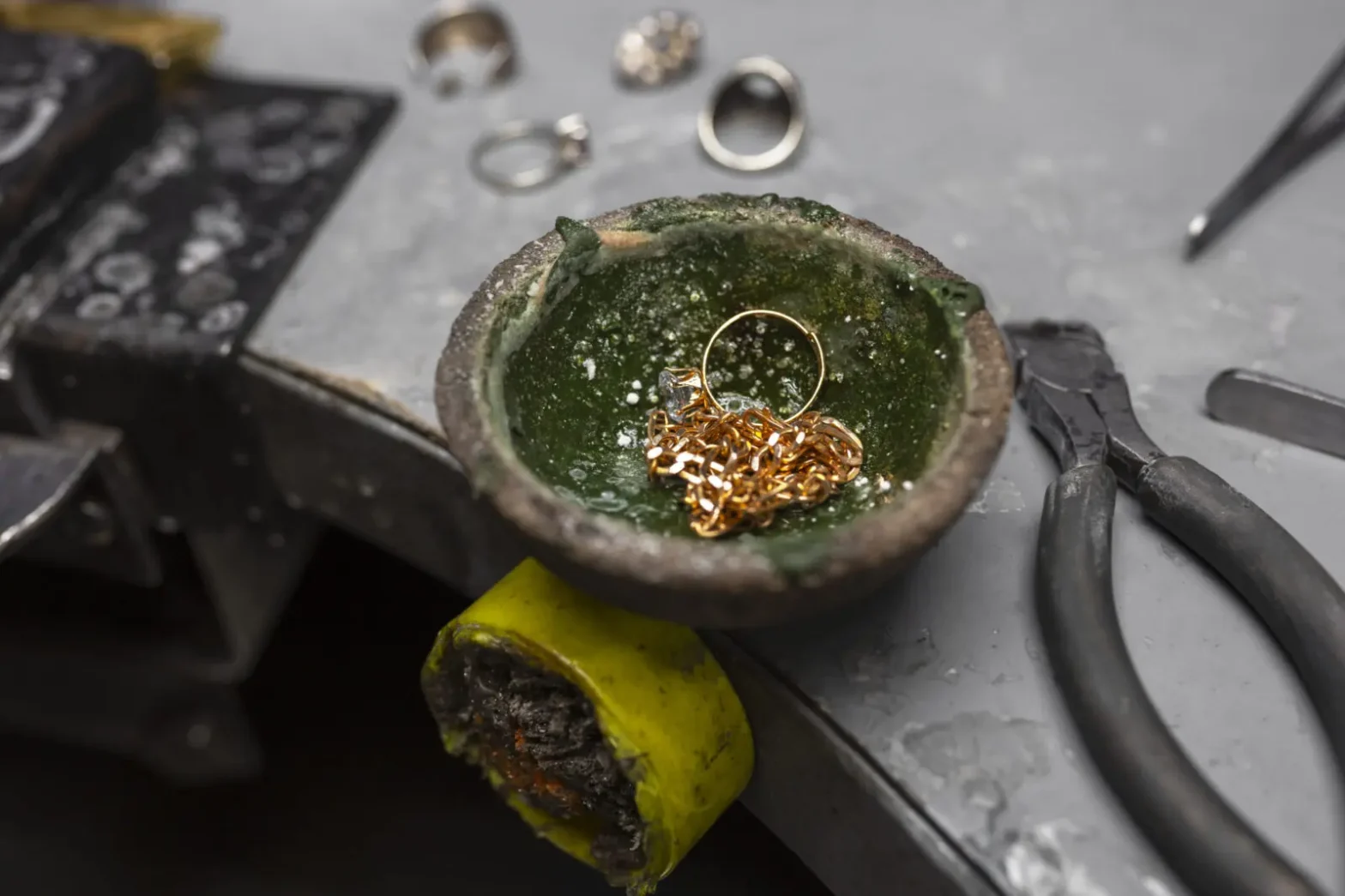
Finding the right jewelry manufacturing partner is one of the most important decisions for a jewelry brand, retailer, boutique, or growing online business. A dependable manufacturer does much more than produce jewelry; they can influence product quality, design consistency, production timelines, pricing, customization, and ultimately your customers’ experience. With so many companies offering jewelry manufacturing services, identifying a manufacturer that genuinely matches your requirements can take careful research. Whether you are launching a new collection, expanding an existing jewelry line, or looking for custom production, understanding what makes a manufacturer reliable can help you make a more confident decision. When searching for Gold Jewelry Manufacturers in USA, buyers often compare factors such as craftsmanship, gold purity, manufacturing capabilities, customization options, minimum order quantities, quality control, communication, and delivery timelines. However, the best manufacturing relationship is not always about finding the company with the lowest price. It is about finding a manufacturing partner that understands your designs, maintains consistent standards, communicates clearly, and can support your business as it grows. Jaitam Jewels understands the importance of these factors and focuses on creating jewelry solutions that combine thoughtful design, craftsmanship, and dependable production for modern jewelry businesses. What Makes a Gold Jewelry Manufacturer Reliable? A reliable gold jewelry manufacturer should be able to demonstrate consistency at every stage of production. This begins with understanding the client’s design requirements and continues through material selection, prototyping, casting, stone setting, finishing, inspection, and final delivery. A professional manufacturer should have clearly defined processes rather than relying entirely on informal or inconsistent production methods. This becomes particularly important for businesses ordering multiple pieces or building a collection where every item needs to meet the same specifications. Reliability also involves communication. Jewelry manufacturing can involve many technical details, including dimensions, gold karat, stone specifications, setting styles, finishing requirements, engraving, and packaging. A manufacturer that communicates these details clearly can reduce misunderstandings and production errors. Buyers should therefore evaluate not only the finished products but also how professionally the manufacturer handles questions, specifications, samples, revisions, and timelines. Check the Manufacturer’s Jewelry Manufacturing Experience Experience is one of the first things a jewelry business should investigate before selecting a manufacturing partner. An experienced manufacturer is generally more familiar with the technical challenges involved in producing different types of jewelry, from delicate earrings and pendants to rings, bracelets, and customized statement pieces. Manufacturing experience can also help a company identify potential design issues before production begins. Rather than relying only on how long a company has existed, examine the type of jewelry it has actually produced. A manufacturer may have extensive experience with one category but limited experience with another. If your collection includes intricate settings, lightweight designs, personalized pieces, or gemstone jewelry, ask whether the manufacturer has handled similar work. For brands evaluating the Best Gold Jewelry Manufacturers in USA, looking at previous work can provide valuable insight into craftsmanship and production capabilities. Product galleries, samples, case studies, and manufacturing portfolios can help buyers understand whether a company’s expertise aligns with their own requirements. Verify Gold Purity and Material Specifications Gold purity is a critical consideration when manufacturing gold jewelry. Common gold karats include 10K, 14K, 18K, and 22K, with different markets and product categories often favoring different options. The karat indicates the proportion of pure gold in the alloy, while other metals are added to influence strength, color, durability, and working characteristics. For example, 14K gold contains a significant proportion of pure gold while incorporating other metals to create a durable alloy suitable for everyday jewelry. 18K gold has a higher gold content and is often selected for its richer gold appearance and premium positioning. The appropriate choice depends on the product, target market, design, customer expectations, and pricing strategy. A trustworthy manufacturer should be transparent about the material specifications used in production. Buyers should ask for clear information about gold karat, alloy composition where relevant, hallmarking or stamping practices, and applicable quality documentation. Clear material information protects both the jewelry business and the end customer. Review the Manufacturer’s Custom Jewelry Capabilities Custom manufacturing is particularly important for brands that want to develop a distinctive collection. A strong manufacturing partner should be able to work from sketches, technical drawings, reference images, CAD files, or other design specifications, depending on the project. The custom process may involve converting an initial concept into a production-ready design. CAD modeling can help visualize proportions and details before a piece is manufactured. This stage gives the brand an opportunity to review dimensions, stone placement, settings, thickness, and overall appearance before production begins. A manufacturer capable of supporting customization can be especially valuable for businesses developing private-label collections. Instead of simply selecting products from an existing catalog, brands can collaborate on pieces that reflect their own aesthetic and customer preferences. Ask About CAD Design, Prototyping and Sampling Sampling is an important step between design and larger-scale production. It gives the buyer an opportunity to evaluate the physical product before committing to a larger order. Depending on the manufacturer and project, the sample process may include CAD development, a 3D model, wax or resin prototype, casting, stone setting, polishing, and final inspection. A sample can reveal issues that are difficult to identify from a digital design alone. A ring may feel heavier or lighter than expected, a pendant may need a different chain connection, or a gemstone setting may require adjustment. Making these changes before bulk production can save time and reduce unnecessary costs. When comparing Top Gold Jewelry Manufacturers in USA, ask about their sampling process, revision policy, and how design changes are handled. A manufacturer that treats sampling as an important quality-control stage can provide greater confidence before production moves forward. Evaluate the Quality of Craftsmanship Craftsmanship is at the heart of jewelry manufacturing. Even when a design looks simple, producing a well-finished piece requires attention to proportion, symmetry, surface quality, stone setting, soldering, polishing, and finishing. When evaluating a manufacturer, inspect samples closely. Look for smooth edges, secure settings, consistent finishing,… Continue reading How to Find Reliable Gold Jewelry Manufacturers in USA
Top CVD Jewelry Trends Shaping the US Market
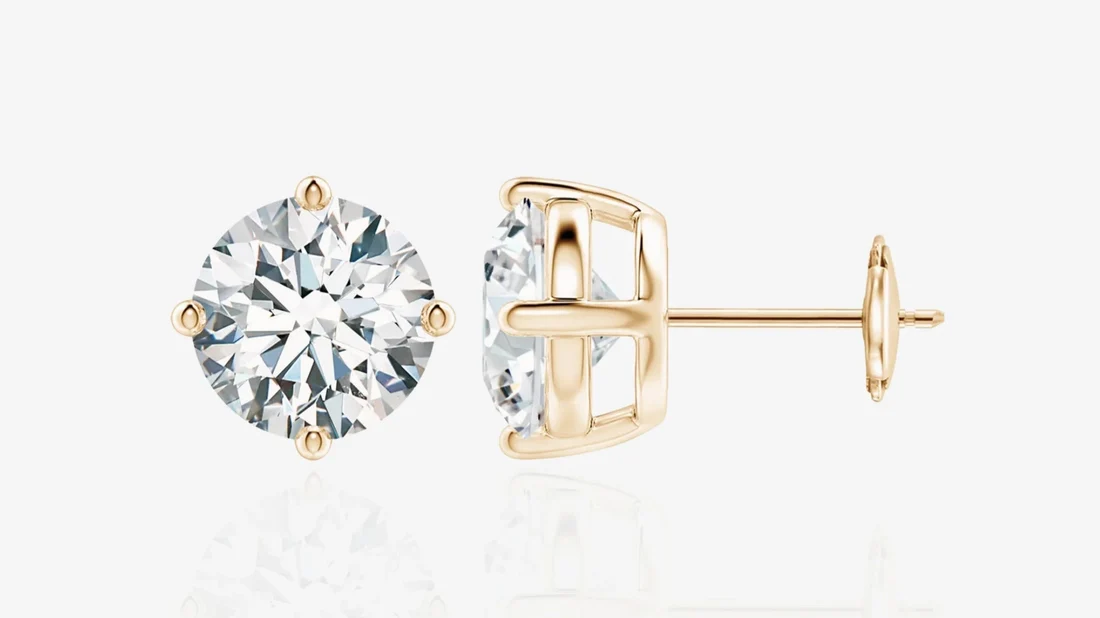
The US jewelry market is changing rapidly as buyers look for pieces that combine visual luxury, modern design, responsible sourcing, and accessible pricing. One of the most notable developments is the growing interest in CVD diamond jewelry, particularly among customers who want the brilliance and appearance of diamonds while exploring alternatives to traditionally mined stones. This shift is influencing retailers, independent jewelers, online brands, and wholesale buyers across the country. For businesses sourcing contemporary diamond jewelry, understanding changing customer preferences is essential for building collections that remain commercially relevant. From minimalist engagement rings to statement earrings and customized pieces, CVD diamonds are increasingly being incorporated into designs created for modern American consumers. For jewelry businesses searching for a Reliable CVD Jewelry Supplier in USA, product consistency, craftsmanship, customization capabilities, documentation, pricing, and dependable communication are becoming increasingly important. At Jaitam Jewels, the focus can be positioned around creating refined CVD diamond jewelry collections that support retailers, wholesalers, and jewelry brands looking for contemporary designs. Whether a buyer is exploring CVD Jewelry Supplier in USA options, developing a wholesale collection, or sourcing individual jewelry categories, understanding the trends shaping demand can help businesses make better purchasing decisions. This guide explores the major CVD jewelry trends influencing the US market and explains how businesses can use these trends when building their next collection. What Is CVD Diamond Jewelry? CVD stands for Chemical Vapor Deposition, a technology used to grow diamonds in a controlled laboratory environment. CVD diamonds have the same fundamental carbon crystal structure as diamonds formed naturally underground, although their growth process and origin are different. They can offer diamond-like optical properties, durability, and brilliance when properly cut and polished. CVD diamonds have become particularly interesting to the jewelry industry because they can be produced in different sizes, shapes, and qualities, allowing designers and manufacturers to create a wide range of jewelry. The technology has also opened opportunities for businesses that want to develop contemporary diamond collections at different price points. For US jewelry buyers, however, the stone itself is only one part of the purchasing decision. Cut quality, color, clarity, certification where applicable, metal quality, finishing, design, manufacturing standards, and supplier reliability all influence the final value of a piece. This is why choosing the right manufacturing and sourcing partner matters just as much as identifying the right trend. 1. Minimalist CVD Diamond Jewelry Is Becoming More Important Minimalism continues to influence fashion, interiors, accessories, and jewelry. In the US market, many consumers are attracted to jewelry that can be worn every day rather than pieces reserved for special occasions. This creates an opportunity for brands to introduce understated CVD diamond designs that provide elegance without excessive detailing. Thin diamond bands, solitaire rings, small hoop earrings, delicate pendants, tennis bracelets, and fine stacking rings can fit naturally into everyday wardrobes. Their versatility makes them particularly useful for jewelry retailers because one product can appeal to customers purchasing for birthdays, anniversaries, engagements, professional occasions, or personal styling. For a CVD Jewelry Supplier in USA, understanding this preference means developing collections that include both classic and contemporary minimalist styles. A reliable supplier should also be capable of maintaining consistency across repeated production orders, because retailers often need the same design in multiple sizes, diamond specifications, and metal options. Jaitam Jewels can position its product range around clean silhouettes, refined settings, and versatile designs that allow retailers to build everyday CVD jewelry collections rather than relying exclusively on elaborate statement pieces. 2. CVD Diamond Engagement Rings Are Gaining Attention Engagement rings remain one of the most important categories in the US diamond jewelry market, and changing consumer preferences are creating more room for laboratory-grown diamond options. Customers increasingly research diamond origin, appearance, size, design, and price before making a purchase. CVD diamonds can be incorporated into traditional solitaire engagement rings as well as modern halo, three-stone, oval, pear, emerald-cut, cushion-cut, and elongated designs. The growing popularity of distinctive silhouettes also means retailers can differentiate their collections through design rather than relying solely on stone size. For wholesale buyers, this trend creates an opportunity to develop engagement-ring collections around several design families. A collection could include classic solitaires for traditional customers, hidden-halo designs for customers seeking additional detail, and contemporary asymmetric or bezel-set rings for shoppers with modern tastes. A dependable supplier should be able to discuss stone specifications, ring dimensions, metal choices, setting construction, production requirements, and customization before an order is finalized. These details are particularly important when sourcing CVD Diamond Jewelry Wholesale in USA because consistency across multiple pieces can directly affect customer satisfaction and retailer reputation. 3. Oval and Elongated Diamond Shapes Continue to Influence Design Diamond shape plays a major role in jewelry design because it changes the visual character of a piece. Oval diamonds have remained popular because their elongated appearance can create an elegant look while offering a distinctive alternative to traditional round stones. Other elongated shapes, including pear and marquise, can also provide strong visual appeal. Emerald and radiant cuts offer a different aesthetic, with clean lines and a sophisticated geometric appearance. For jewelry brands, offering several shapes creates greater merchandising flexibility. Instead of selling one generic solitaire design, retailers can present a collection that allows customers to choose a silhouette that matches their personality. CVD jewelry manufacturers can support this trend by developing designs specifically around each diamond shape. A setting should not simply be treated as interchangeable between cuts; proportions, prongs, orientation, and surrounding details can significantly influence the finished appearance. 4. Personalized CVD Jewelry Is Creating New Opportunities Personalization is another important trend shaping modern jewelry purchasing. Customers increasingly want pieces that feel connected to their individual identity, relationships, memories, or milestones. Personalized CVD jewelry can include initials, names, birth-inspired motifs, meaningful dates, custom engraving, customized stone arrangements, and bespoke ring designs. For retailers, personalization can also create opportunities to offer higher-value products without completely changing their core collection. Wholesale buyers can work with manufacturers to create standardized customization options. For example,… Continue reading Top CVD Jewelry Trends Shaping the US Market
Is CVD Jewelry the Future of Affordable Luxury in the USA?
The American jewelry market is changing as consumers increasingly look for jewelry that combines beauty, quality, personalization, and accessible pricing. One of the developments attracting attention is the growing availability of CVD jewelry in USA. CVD, or Chemical Vapor Deposition, is a technology used to produce laboratory-grown diamonds with essentially the same chemical, physical, and optical properties as mined diamonds. As consumers become more familiar with laboratory-grown diamonds, CVD jewelry is becoming an increasingly relevant category for engagement rings, earrings, pendants, bracelets, and fashion jewelry. For jewelry brands, retailers, wholesalers, and buyers, this shift creates an important opportunity. The growing interest in laboratory-grown diamond jewelry means businesses can offer visually impressive diamond pieces at price points that may be more accessible than comparable mined-diamond jewelry. At the same time, success in the U.S. market requires more than simply offering lower prices. Buyers increasingly want transparent information about diamond origin, quality, certification, craftsmanship, metal specifications, and overall product value. For this reason, choosing a dependable CVD Jewelry Supplier in USA or an experienced international jewelry manufacturer can play an important role in building long-term customer trust. What Is CVD Jewelry? CVD jewelry refers to jewelry that incorporates diamonds produced through the Chemical Vapor Deposition process. In this method, a diamond seed is placed inside a controlled chamber containing carbon-containing gases. Under carefully managed conditions, carbon atoms deposit onto the seed and gradually form a diamond crystal. The resulting laboratory-grown diamond is not simply a look-alike material such as glass or cubic zirconia. Laboratory-grown diamonds have the same fundamental chemical composition and physical properties as diamonds formed naturally, although their origin is different. The U.S. Federal Trade Commission advises sellers to clearly identify laboratory-created or laboratory-grown diamonds as such rather than presenting them as mined diamonds. This distinction is particularly important for companies selling CVD Jewelry USA products online. Product pages, advertisements, catalogs, and other marketing materials should communicate the diamond’s laboratory-grown origin clearly and accurately. Why Is CVD Jewelry Becoming Important in the USA? The U.S. jewelry industry is experiencing a significant shift in the way consumers think about diamond purchases. Price, size, design flexibility, and the desire for everyday wear are becoming important considerations alongside traditional ideas of diamond ownership. Recent U.S. industry research shows that lab-grown diamond jewelry sales are increasing in volume. A 2026 De Beers report also found that synthetic lab-grown diamond jewelry represented 15% of independent jewelers’ diamond sales value in 2025, although natural diamonds continued to hold the larger value share. Another 2026 jewelry industry survey found that two-thirds of independent jewelers either already sell more lab-grown than natural diamonds in engagement jewelry or expect that to happen during the year. The same report found that 85% of surveyed jewelry stores stock both lab-grown and natural diamonds. These developments indicate that laboratory-grown diamonds are becoming an established part of the U.S. jewelry conversation rather than being limited to a niche segment. CVD Jewelry and the Idea of Affordable Luxury Luxury has traditionally been associated with rarity, exclusivity, craftsmanship, and high prices. However, the definition of luxury is evolving. Modern consumers can be interested in premium design and quality while still being conscious of how much they spend. This is where CVD diamond jewelry can create an interesting proposition. A buyer may want a larger center stone, a more intricate setting, or a coordinated jewelry collection but may not want to allocate the same budget required for a comparable mined diamond. Laboratory-grown diamonds can provide another option, allowing brands to develop designs around different customer budgets. For consumers, the appeal may therefore be less about replacing traditional diamonds and more about expanding the range of choices available. For retailers, this creates opportunities to develop collections around: Engagement rings Wedding bands Tennis bracelets Diamond earrings Pendant necklaces Cocktail rings Stackable rings Personalized jewelry Bridal jewelry sets Everyday diamond jewelry The important factor is that affordable luxury should not mean compromising on craftsmanship, finishing, metal quality, or transparency. Why Choose a Reliable CVD Jewelry Supplier in USA? For retailers and jewelry businesses, the supplier behind a product collection can have a major influence on customer satisfaction. A reliable supplier should be able to provide consistent quality, accurate specifications, professional communication, and dependable fulfillment. When evaluating a Reliable CVD Jewelry Supplier in USA, buyers should look beyond the price quoted for the finished piece. A supplier relationship should be evaluated across the complete production and purchasing process. Important considerations include diamond quality, grading documentation, metal purity, manufacturing standards, stone setting, finishing, packaging, customization capabilities, minimum order quantities, production timelines, and after-sales support. A strong supplier should also communicate clearly about whether a diamond is laboratory-grown, what grading documentation is available, and what specifications apply to each product. This level of transparency becomes especially important when jewelry is being resold to U.S. consumers. The FTC’s Jewelry Guides emphasize that jewelry marketing should truthfully represent important characteristics such as type, quality, size, weight, origin, treatment, and other material information. CVD Jewelry Supplier in USA: What Should Retailers Look For? Finding a CVD Jewelry Supplier in USA is not simply about searching for the lowest wholesale price. A professional supplier should understand the requirements of jewelry retailers and provide products that can be confidently presented to customers. A good supplier relationship generally involves several elements. Consistent Diamond Quality Consistency matters when ordering multiple pieces or building a collection. Retailers need confidence that the diamonds supplied match the agreed specifications and that product descriptions accurately represent the actual jewelry. Professional Manufacturing The setting, polishing, symmetry, finishing, prongs, clasps, and overall construction can significantly affect how a jewelry piece looks and performs. Clear Documentation For higher-value pieces, buyers may want grading documentation or other relevant product information. Clear documentation makes it easier for retailers to explain their products to customers. Customization U.S. consumers increasingly appreciate personalization. A supplier capable of supporting custom sizes, shapes, settings, metals, and designs can help retailers create differentiated collections. Reliable Communication International and domestic jewelry purchasing involves coordination… Continue reading Is CVD Jewelry the Future of Affordable Luxury in the USA?
Common Myths About CVD Diamond Jewelry: What Buyers in the USA Should Know
CVD diamond jewelry has become an increasingly popular choice for modern jewelry buyers who want the beauty, brilliance, and durability of diamonds with a contemporary approach to sourcing and production. As more consumers, professionals, and jewelry businesses in the United States explore laboratory-grown diamonds, questions and misconceptions about CVD diamonds are also becoming more common. Chemical Vapor Deposition, commonly known as CVD, is a laboratory process used to create diamonds with the same fundamental carbon crystal structure as natural diamonds. However, many myths still create confusion about their quality, appearance, certification, and value. At Jaitam Jewels, we believe that informed buyers make better jewelry decisions. Whether you are searching for CVD Jewelry USA, looking for the Best CVD Jewelry in USA, purchasing CVD Jewelry for Professionals in USA, or comparing Certified CVD Diamonds USA, understanding the facts behind CVD diamonds can help you choose jewelry with greater confidence. This guide addresses some of the most common myths about CVD diamond jewelry and explains what buyers should actually know before making a purchase. What Are CVD Diamonds? CVD diamonds are laboratory-grown diamonds produced using a controlled Chemical Vapor Deposition process. During this process, a carbon-containing gas is introduced into a specialized chamber under controlled conditions. The carbon atoms gradually deposit onto a diamond seed and form a crystalline diamond layer. Over time, the crystal develops into a laboratory-grown diamond that can be cut, polished, and used in jewelry. One of the most important facts about CVD diamonds is that they are not simply diamond-like alternatives. A properly produced CVD diamond is a real diamond because it consists of crystallized carbon arranged in the characteristic diamond structure. The primary distinction is its origin: natural diamonds develop through geological processes over extremely long periods, while CVD diamonds are created in controlled laboratory environments. For buyers interested in CVD Jewelry USA, this distinction is important because the choice between natural and laboratory-grown diamonds can involve factors such as origin, budget, design preferences, certification, and intended use. Myth 1: CVD Diamonds Are Not Real Diamonds Perhaps the most common misconception is that CVD diamonds are fake diamonds. This is incorrect. CVD diamonds are laboratory-grown diamonds, meaning they are created through a technological process rather than mined from the earth. The word “laboratory-grown” describes their origin, not their basic material identity. CVD diamonds are made from carbon and have the diamond crystal structure. They can display the fire, brilliance, hardness, and optical characteristics associated with diamonds when properly grown and cut. This is why buyers should distinguish between a lab-grown diamond, a diamond simulant, and imitation jewelry. Materials such as cubic zirconia or certain types of glass are diamond simulants, whereas a CVD diamond is a laboratory-grown diamond. When shopping for CVD jewelry, customers should ask for clear product information and appropriate diamond documentation. This is especially relevant when purchasing Certified CVD Diamonds USA, where independent grading information can provide additional details about the diamond’s characteristics. Myth 2: CVD Diamonds Look Completely Different From Natural Diamonds Another common myth is that people can easily identify a CVD diamond simply by looking at it. In reality, determining whether a diamond is laboratory-grown or naturally mined generally requires specialized gemological testing and appropriate documentation. A well-cut CVD diamond can have impressive brilliance and sparkle because these qualities depend heavily on the diamond’s cut, proportions, clarity, and polishing. A beautifully designed CVD diamond ring, pendant, bracelet, or pair of earrings can therefore offer the visual appeal that customers expect from fine diamond jewelry. For everyday buyers, the most important considerations should include the diamond’s grading information, cut quality, color, clarity, carat weight, craftsmanship, and the reputation of the jeweler. Instead of relying on visual assumptions, buyers should purchase from a trusted source that provides transparent information. Myth 3: CVD Diamonds Are Poor Quality The quality of a CVD diamond depends on how it is grown, processed, cut, and graded. It is inaccurate to assume that every CVD diamond is automatically low quality. Like natural diamonds, laboratory-grown diamonds can vary considerably in their characteristics. Some may have excellent color and clarity, while others may show inclusions, color characteristics, or growth-related features. The cutting process also plays an important role in determining how effectively a diamond reflects light. For this reason, customers looking for the Best CVD Jewelry in USA should not choose jewelry based only on the term “CVD.” Instead, they should consider the complete product, including the diamond quality, setting, metal, craftsmanship, certification where applicable, and seller transparency. Myth 4: CVD Jewelry Is Only Suitable for Budget Buyers CVD jewelry is often associated with affordability, but limiting its appeal to budget-conscious shoppers overlooks its broader possibilities. CVD diamonds can be incorporated into many types of jewelry, from simple everyday pieces to sophisticated designs intended for special occasions. A customer may choose a CVD diamond because they prefer laboratory-grown diamonds, want a particular carat size or design within a defined budget, or simply appreciate the modern technology behind the product. The choice does not have to be based solely on price. At Jaitam Jewels, CVD jewelry can be approached as a design and purchasing choice rather than simply a low-cost substitute. The final value of a jewelry piece also depends on its design, craftsmanship, metal, setting quality, finishing, and overall presentation. Myth 5: All CVD Diamonds Are Exactly the Same CVD diamonds are not identical to one another. Laboratory-grown diamonds can have different grades, sizes, colors, clarity characteristics, proportions, and growth histories. The CVD process itself has also evolved over time. Manufacturers can use different production conditions and post-growth treatments to achieve desired characteristics. As a result, buyers should evaluate individual diamonds rather than making assumptions about the entire category. This is particularly important for professionals purchasing multiple pieces or sourcing jewelry for retail. CVD Jewelry for Professionals in USA should be evaluated based on consistency, documentation, production capabilities, design requirements, quality control, and supplier reliability. Myth 6: CVD Diamonds Cannot Be Certified Another misconception is that CVD diamonds… Continue reading Common Myths About CVD Diamond Jewelry: What Buyers in the USA Should Know
CVD Diamond Jewelry Buying Guide: Quality, Cut, Clarity and Value
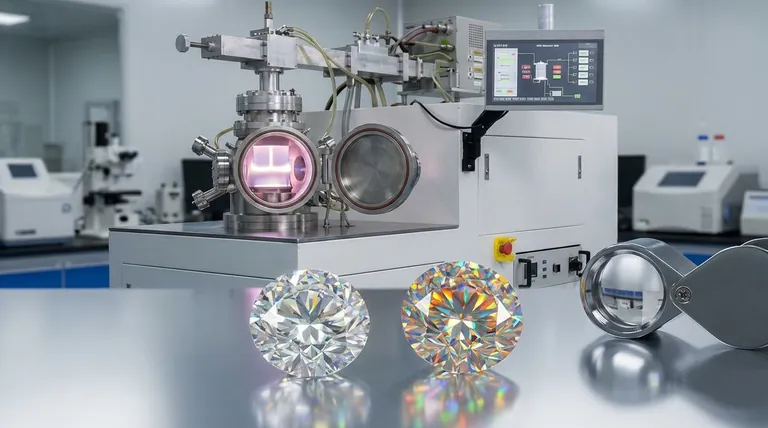
Buying diamond jewelry is an important decision, whether you are choosing an engagement ring, wedding jewelry, anniversary gift, everyday piece, or a statement design for a special occasion. Today, CVD diamond jewelry has become an increasingly popular choice for shoppers who want diamond jewelry with modern production technology and a wide range of design and pricing options. For customers searching for Top CVD Jewelry in USA, understanding how quality is evaluated can make the buying process much easier. Instead of focusing only on appearance or price, buyers should consider the diamond’s cut, clarity, color, carat weight, certification, setting, craftsmanship, and the overall value of the jewelry. For shoppers exploring CVD Jewelry USA, CVD Diamond Jewelry USA, or CVD Diamond Rings USA, the most important step is knowing exactly what you are purchasing. CVD diamonds are laboratory-grown diamonds produced using Chemical Vapor Deposition technology. They are diamonds with the same basic carbon crystal structure as natural diamonds, while their origin is different. Jaitam Jewels brings this modern diamond category into thoughtfully designed jewelry, giving customers options for rings and other diamond jewelry styles. A good buying decision should combine diamond quality, design preferences, budget, craftsmanship, and transparent product information rather than relying on a single feature. What Are CVD Diamonds? CVD stands for Chemical Vapor Deposition. It is a laboratory process used to grow diamonds from carbon-containing gases under controlled conditions. During the process, carbon atoms are deposited onto a diamond seed and gradually form a crystalline diamond structure. The resulting laboratory-grown diamond is made of carbon in the diamond crystal structure. The key difference between a CVD diamond and a mined diamond is origin, not simply the visual appearance. A natural diamond forms naturally within the Earth over geological timescales. A CVD diamond is grown in a controlled laboratory environment using advanced technology. This distinction is important when shopping for CVD Diamond Jewelry USA, because buyers should understand the product’s origin and review the information provided by the jeweler. Why Is CVD Diamond Jewelry Becoming Popular? Modern jewelry buyers often want a combination of beauty, design flexibility, quality, and value. CVD diamonds provide another option for consumers who are interested in laboratory-grown diamonds. Because laboratory production is controlled, CVD diamonds can be available in a broad range of sizes and qualities. This gives jewelry designers greater flexibility when creating rings, earrings, pendants, bracelets, and other pieces. For shoppers comparing Best CVD Jewelry USA options, the focus should therefore be on the quality of the individual diamond and the craftsmanship of the finished jewelry. A beautiful design with a well-cut diamond can make a piece memorable regardless of whether the jewelry is intended for an engagement, celebration, gifting, or everyday wear. The 4Cs of CVD Diamond Quality When buying a CVD diamond, shoppers can use the familiar 4Cs as a starting point: Cut Color Clarity Carat These four characteristics help buyers understand diamond quality and compare different stones. However, the 4Cs should not be viewed separately. A diamond’s appearance depends on how these characteristics interact. For example, a well-cut diamond may appear more lively and brilliant than a poorly cut diamond of the same carat weight. Similarly, choosing slightly different clarity or color grades can allow buyers to allocate more of their budget toward the characteristics they value most. 1. Cut: One of the Most Important Factors Cut is often one of the most important considerations when evaluating a diamond’s visual performance. It refers to how successfully the diamond has been shaped and proportioned to interact with light. A well-cut diamond can reflect and return light effectively, creating brightness, fire, and scintillation. This is why buyers searching for CVD Diamond Rings USA should pay close attention to cut quality rather than choosing a diamond solely based on carat weight. A larger diamond is not automatically more attractive. The proportions, symmetry, polish, and overall cutting quality can have a major influence on how the stone looks. For an engagement ring or statement piece, a high-quality cut can make the diamond appear lively and visually impressive. Why Cut Matters in CVD Diamond Rings Imagine two diamonds with the same carat weight. One has excellent proportions and has been cut to interact effectively with light. The other has weaker proportions. Although both diamonds may have the same weight, they can look noticeably different. This is why customers considering CVD Jewelry USA should compare the complete diamond specifications rather than focusing on size alone. The setting also influences how the diamond is perceived. A well-designed setting can complement the stone and allow appropriate light interaction. 2. Clarity: Understanding Natural Inclusions and Characteristics Clarity refers to the presence or absence of internal and external characteristics within a diamond. These characteristics can occur in both natural and laboratory-grown diamonds. Higher clarity grades generally indicate fewer visible inclusions or blemishes under the grading conditions used by the relevant laboratory. However, buyers should remember that a higher clarity grade does not always mean a visibly better-looking diamond for the specific budget. Many diamonds with some inclusions can still appear clean to the naked eye. The right choice depends on the diamond’s size, shape, location of inclusions, and how visible they are. For customers shopping for Top CVD Jewelry in USA, understanding clarity can help avoid paying for a clarity grade that may not provide a noticeable visual difference. 3. Color: Choosing the Right Appearance Diamond color is another important consideration. For traditional white diamond grading, diamonds are generally evaluated on a scale that moves from more colorless grades toward diamonds with increasingly noticeable body color. The visual difference between neighboring grades may be subtle, particularly when a diamond is mounted in jewelry. The best choice depends on personal preference and the setting. For example, a yellow-gold setting can create a different visual impression from a platinum or white-gold setting. Rather than automatically choosing the highest possible color grade, buyers should consider how the diamond will look once it becomes part of the finished jewelry. 4. Carat: Size and Weight… Continue reading CVD Diamond Jewelry Buying Guide: Quality, Cut, Clarity and Value