
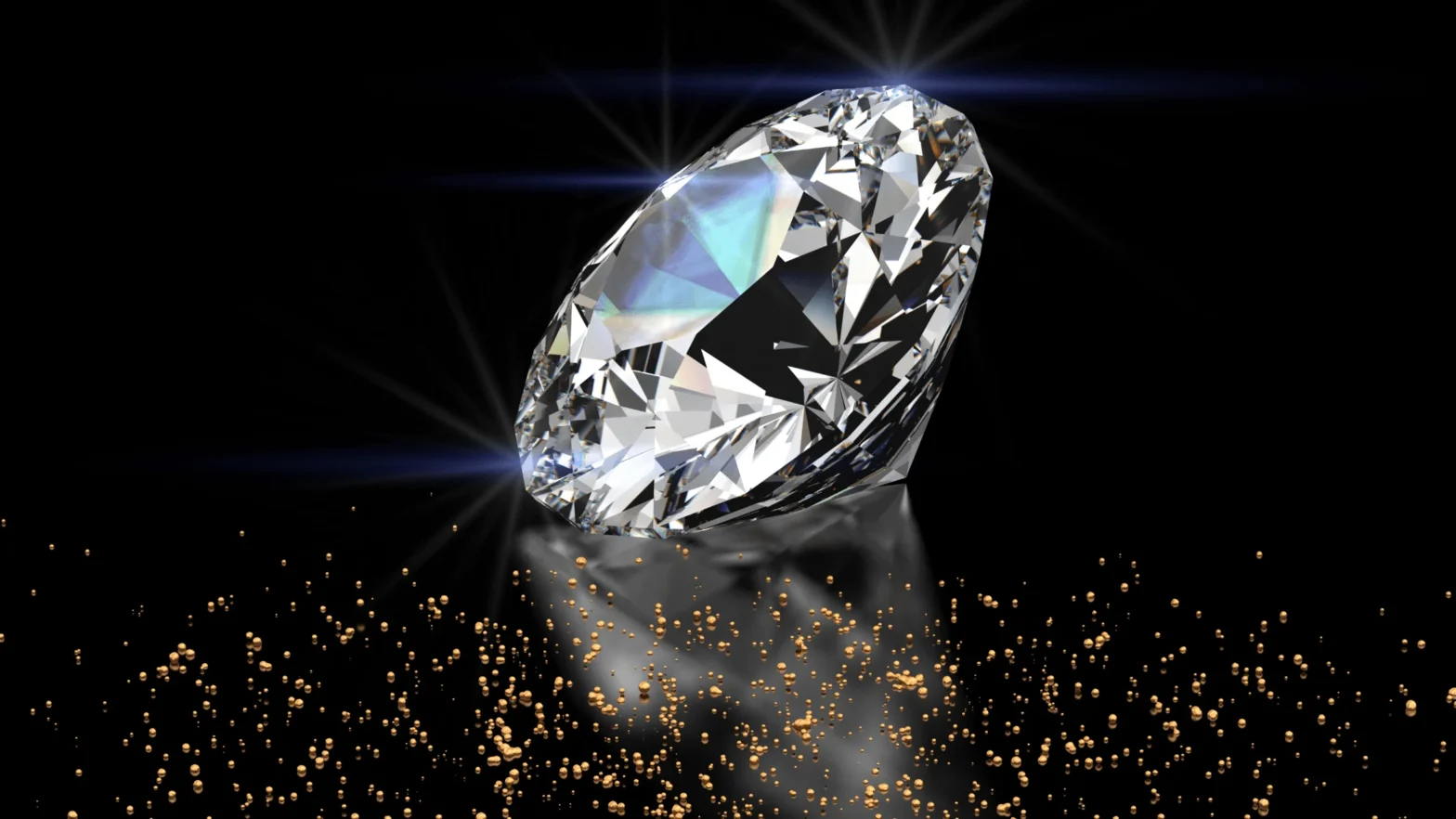
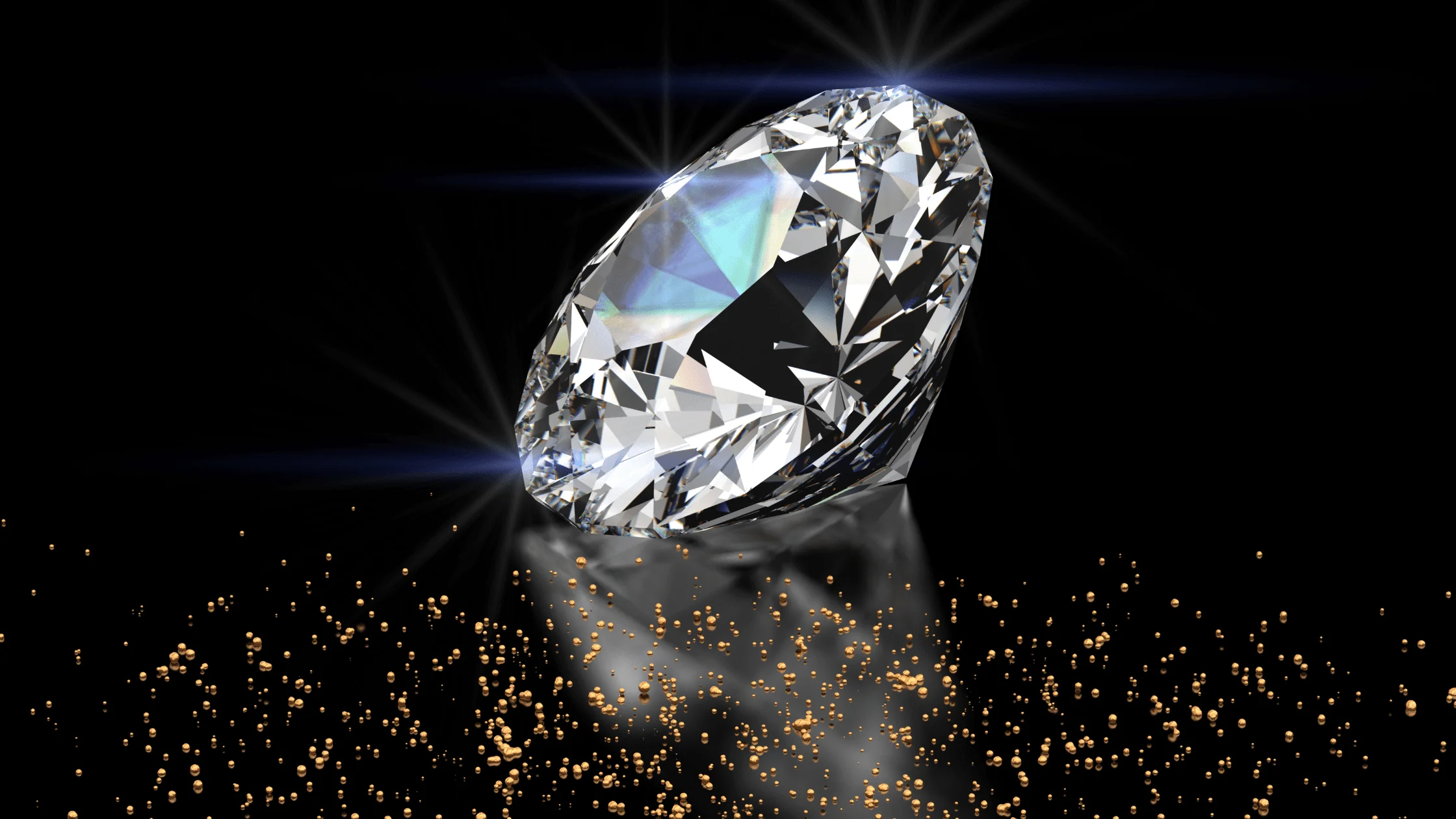
The American jewelry market is changing as consumers increasingly look for jewelry that combines beauty, quality, personalization, and accessible pricing. One of the developments attracting attention is the growing availability of CVD jewelry in USA. CVD, or Chemical Vapor Deposition, is a technology used to produce laboratory-grown diamonds with essentially the same chemical, physical, and optical properties as mined diamonds. As consumers become more familiar with laboratory-grown diamonds, CVD jewelry is becoming an increasingly relevant category for engagement rings, earrings, pendants, bracelets, and fashion jewelry.
For jewelry brands, retailers, wholesalers, and buyers, this shift creates an important opportunity. The growing interest in laboratory-grown diamond jewelry means businesses can offer visually impressive diamond pieces at price points that may be more accessible than comparable mined-diamond jewelry. At the same time, success in the U.S. market requires more than simply offering lower prices. Buyers increasingly want transparent information about diamond origin, quality, certification, craftsmanship, metal specifications, and overall product value. For this reason, choosing a dependable CVD Jewelry Supplier in USA or an experienced international jewelry manufacturer can play an important role in building long-term customer trust.
What Is CVD Jewelry?
CVD jewelry refers to jewelry that incorporates diamonds produced through the Chemical Vapor Deposition process. In this method, a diamond seed is placed inside a controlled chamber containing carbon-containing gases. Under carefully managed conditions, carbon atoms deposit onto the seed and gradually form a diamond crystal.
The resulting laboratory-grown diamond is not simply a look-alike material such as glass or cubic zirconia. Laboratory-grown diamonds have the same fundamental chemical composition and physical properties as diamonds formed naturally, although their origin is different. The U.S. Federal Trade Commission advises sellers to clearly identify laboratory-created or laboratory-grown diamonds as such rather than presenting them as mined diamonds.
This distinction is particularly important for companies selling CVD Jewelry USA products online. Product pages, advertisements, catalogs, and other marketing materials should communicate the diamond’s laboratory-grown origin clearly and accurately.
Why Is CVD Jewelry Becoming Important in the USA?
The U.S. jewelry industry is experiencing a significant shift in the way consumers think about diamond purchases. Price, size, design flexibility, and the desire for everyday wear are becoming important considerations alongside traditional ideas of diamond ownership.
Recent U.S. industry research shows that lab-grown diamond jewelry sales are increasing in volume. A 2026 De Beers report also found that synthetic lab-grown diamond jewelry represented 15% of independent jewelers’ diamond sales value in 2025, although natural diamonds continued to hold the larger value share.
Another 2026 jewelry industry survey found that two-thirds of independent jewelers either already sell more lab-grown than natural diamonds in engagement jewelry or expect that to happen during the year. The same report found that 85% of surveyed jewelry stores stock both lab-grown and natural diamonds.
These developments indicate that laboratory-grown diamonds are becoming an established part of the U.S. jewelry conversation rather than being limited to a niche segment.
CVD Jewelry and the Idea of Affordable Luxury
Luxury has traditionally been associated with rarity, exclusivity, craftsmanship, and high prices. However, the definition of luxury is evolving. Modern consumers can be interested in premium design and quality while still being conscious of how much they spend.
This is where CVD diamond jewelry can create an interesting proposition.
A buyer may want a larger center stone, a more intricate setting, or a coordinated jewelry collection but may not want to allocate the same budget required for a comparable mined diamond. Laboratory-grown diamonds can provide another option, allowing brands to develop designs around different customer budgets.
For consumers, the appeal may therefore be less about replacing traditional diamonds and more about expanding the range of choices available.
For retailers, this creates opportunities to develop collections around:
- Engagement rings
- Wedding bands
- Tennis bracelets
- Diamond earrings
- Pendant necklaces
- Cocktail rings
- Stackable rings
- Personalized jewelry
- Bridal jewelry sets
- Everyday diamond jewelry
The important factor is that affordable luxury should not mean compromising on craftsmanship, finishing, metal quality, or transparency.
Why Choose a Reliable CVD Jewelry Supplier in USA?
For retailers and jewelry businesses, the supplier behind a product collection can have a major influence on customer satisfaction. A reliable supplier should be able to provide consistent quality, accurate specifications, professional communication, and dependable fulfillment.
When evaluating a Reliable CVD Jewelry Supplier in USA, buyers should look beyond the price quoted for the finished piece. A supplier relationship should be evaluated across the complete production and purchasing process.
Important considerations include diamond quality, grading documentation, metal purity, manufacturing standards, stone setting, finishing, packaging, customization capabilities, minimum order quantities, production timelines, and after-sales support.
A strong supplier should also communicate clearly about whether a diamond is laboratory-grown, what grading documentation is available, and what specifications apply to each product.
This level of transparency becomes especially important when jewelry is being resold to U.S. consumers. The FTC’s Jewelry Guides emphasize that jewelry marketing should truthfully represent important characteristics such as type, quality, size, weight, origin, treatment, and other material information.
CVD Jewelry Supplier in USA: What Should Retailers Look For?
Finding a CVD Jewelry Supplier in USA is not simply about searching for the lowest wholesale price. A professional supplier should understand the requirements of jewelry retailers and provide products that can be confidently presented to customers.
A good supplier relationship generally involves several elements.
Consistent Diamond Quality
Consistency matters when ordering multiple pieces or building a collection. Retailers need confidence that the diamonds supplied match the agreed specifications and that product descriptions accurately represent the actual jewelry.
Professional Manufacturing
The setting, polishing, symmetry, finishing, prongs, clasps, and overall construction can significantly affect how a jewelry piece looks and performs.
Clear Documentation
For higher-value pieces, buyers may want grading documentation or other relevant product information. Clear documentation makes it easier for retailers to explain their products to customers.
Customization
U.S. consumers increasingly appreciate personalization. A supplier capable of supporting custom sizes, shapes, settings, metals, and designs can help retailers create differentiated collections.
Reliable Communication
International and domestic jewelry purchasing involves coordination around specifications, approvals, production, shipping, and delivery. Responsive communication reduces errors and improves the overall buying experience.
CVD Diamond Jewelry Wholesale in USA
The wholesale segment is particularly important because retailers need commercially viable products that can be priced competitively while maintaining acceptable margins.
CVD Diamond Jewelry Wholesale in USA can cover a wide range of products, from simple stud earrings to customized engagement rings and elaborate bridal collections.
Wholesale buyers should consider the complete cost of the jewelry rather than evaluating only the diamond price. The final product includes the diamond, precious metal, design, manufacturing, setting, finishing, packaging, certification or grading documentation where applicable, logistics, and other operational costs.
A supplier that offers a transparent quotation structure can make purchasing decisions easier.
For example, a retailer may compare suppliers based on:
| Factor | Why It Matters |
|---|---|
| Diamond specifications | Helps maintain consistent product quality |
| Metal purity | Influences product value and customer expectations |
| Craftsmanship | Directly affects appearance and durability |
| Customization | Helps create differentiated collections |
| MOQ | Important for inventory planning |
| Production time | Helps manage customer orders |
| Documentation | Supports transparent product communication |
| Packaging | Influences presentation and brand experience |
| After-sales support | Helps resolve production or product issues |
The right wholesale partner should therefore be evaluated as a long-term business resource rather than simply a source of inexpensive inventory.
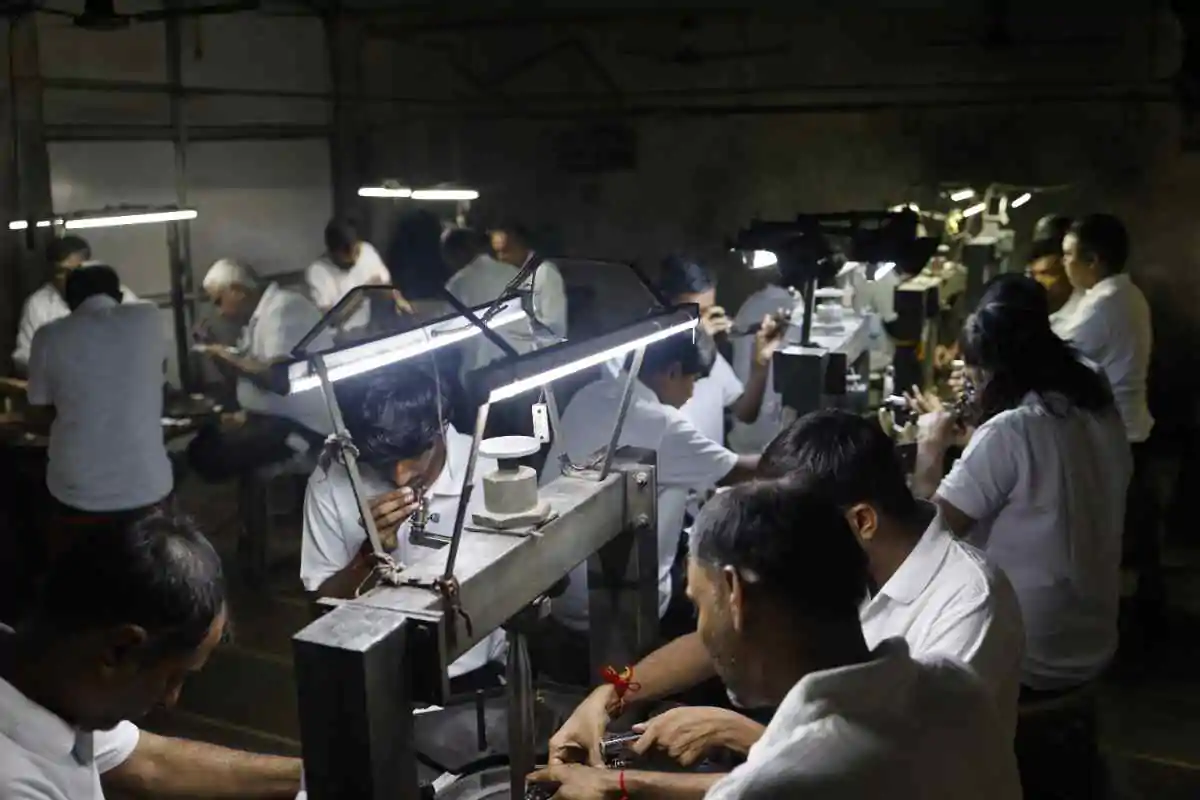
Why CVD Jewelry Appeals to Modern American Consumers
Consumer expectations are changing across the jewelry industry. Buyers are increasingly researching products online before visiting a store or completing a purchase. They may compare prices, read educational content, investigate diamond origins, review certifications, and look at multiple designs before making a decision.
This makes education an important part of selling CVD Jewelry USA.
A retailer that clearly explains the difference between laboratory-grown and mined diamonds can help customers make an informed choice. Instead of relying on exaggerated claims, brands can focus on measurable product characteristics such as cut, color, clarity, carat weight, setting quality, metal, craftsmanship, and certification.
Modern consumers may also be interested in buying diamond jewelry for occasions beyond engagements and weddings.
The 2026 De Beers U.S. consumer research found that non-bridal occasions account for three-quarters of overall U.S. diamond demand, showing the importance of expanding diamond jewelry beyond traditional bridal purchasing.
This creates opportunities for CVD jewelry brands to develop collections for birthdays, anniversaries, professional milestones, personal achievements, holidays, and everyday styling.
CVD Jewelry for Engagement Rings
Engagement rings remain one of the strongest categories for laboratory-grown diamonds.
The combination of diamond size, design flexibility, and price accessibility can make CVD engagement rings attractive to couples who want a substantial center stone without allocating their entire jewelry budget to the diamond.
Popular designs can include solitaire rings, halo settings, three-stone rings, hidden-halo designs, oval-cut rings, emerald-cut rings, cushion-cut rings, pear-shaped designs, and elongated radiant cuts.
However, design trends should not replace quality. The center diamond and setting need to work together. Proportion, symmetry, stone security, polish, and overall finishing all contribute to the appearance of the finished ring.
For retailers, this means working with a CVD Jewelry Supplier in USA that can support both standard collections and customized engagement ring requirements can provide a competitive advantage.
CVD Jewelry for Everyday Luxury
One of the most interesting opportunities for laboratory-grown diamonds is everyday jewelry.
Consumers do not necessarily want to reserve diamonds exclusively for weddings and formal occasions. Small diamond studs, delicate pendants, stackable rings, tennis bracelets, and minimalist necklaces can be incorporated into daily wardrobes.
Research cited by McKinsey’s State of Fashion 2026 indicates that U.S. consumers are increasingly comfortable wearing lab-grown diamonds regularly, with 57% of surveyed consumers saying they would wear lab-grown diamonds daily compared with 30% for natural diamonds.
For brands, this supports a broader product strategy: instead of focusing exclusively on bridal jewelry, businesses can develop collections that make diamond jewelry suitable for everyday self-purchase and gifting.
How Jaitam Jewels Can Add Value
At Jaitam Jewels, the focus can be positioned around combining jewelry craftsmanship with carefully selected laboratory-grown CVD diamonds and designs suited to modern buyers. For customers and businesses exploring CVD jewelry, the emphasis should remain on quality, transparent product information, thoughtful design, and dependable service.
Whether the requirement is an engagement ring, diamond earrings, a pendant, a bracelet, or a customized jewelry design, the product should be developed around the customer’s intended use, preferred design, budget, and quality expectations.
For wholesale and business buyers, a jewelry partner should also understand the importance of consistency across collections. Matching specifications, repeatable craftsmanship, customization, professional packaging, and dependable communication can make a significant difference when products are being sold under a retail brand.
This is particularly valuable for businesses targeting the U.S. market, where customers can compare a large number of jewelry brands online before making a purchase.
How to Choose the Right CVD Jewelry Supplier
Before placing a wholesale or large custom order, buyers should conduct proper supplier due diligence. A visually attractive website is not enough to establish manufacturing capability or product quality.
Start by understanding exactly what the supplier provides. Ask about diamond origin, grading documentation, available cuts, color and clarity ranges, metal options, customization, production capacity, minimum order requirements, lead times, packaging, and shipping.
Request product samples when appropriate. A sample can help a buyer evaluate stone appearance, setting quality, finishing, weight, proportions, and packaging before committing to a larger order.
It is also useful to establish written specifications for every order. This reduces the possibility of misunderstandings regarding diamond characteristics, metal purity, dimensions, quantities, and design details.
Most importantly, make sure product descriptions and marketing materials accurately identify laboratory-grown diamonds. The FTC specifically advises that laboratory-created diamonds should be described as laboratory-grown, laboratory-created, or with an equivalent clear qualification that communicates they are not mined diamonds.
CVD Jewelry vs. Natural Diamond Jewelry
The conversation should not be framed simply as one category replacing another. Natural and laboratory-grown diamonds appeal to different consumer priorities.
Natural diamonds have a geological origin and are often purchased because buyers value rarity, provenance, tradition, and the story associated with a naturally formed stone.
CVD diamonds, meanwhile, offer a laboratory-grown alternative with the fundamental properties of diamond and can provide greater accessibility for certain consumers.
The right choice depends on what the buyer values.
For retailers, carrying both categories can also allow them to serve a wider customer base. A consumer who prioritizes natural origin can explore mined diamonds, while someone focused on design, size, accessibility, or laboratory-grown origin can consider CVD jewelry.
The Importance of Transparency in CVD Jewelry Marketing
As the category grows, transparency will become increasingly important.
Brands should avoid vague language that could confuse consumers about diamond origin. The FTC has specifically warned that sellers should not advertise laboratory-created diamonds in ways that imply they are mined diamonds. Disclosures should be clear and placed close to the product description rather than hidden elsewhere on a website.
For a U.S.-focused jewelry website, product pages should therefore provide straightforward information about:
- Diamond origin
- CVD/laboratory-grown production
- Carat weight
- Cut
- Color
- Clarity
- Shape
- Metal type
- Certification or grading documentation where applicable
- Product dimensions
- Care instructions
- Customization options
This approach supports both consumer trust and better-quality content for search engines and AI-generated answers.
What Is the Future of CVD Jewelry in the USA?
The future of CVD jewelry in the United States is likely to be shaped by several factors rather than one single trend.
Consumer education will be important because buyers need to understand what laboratory-grown diamonds are and how they differ from mined diamonds.
Pricing will also remain important. Recent industry reporting shows that laboratory-grown diamond prices have continued to face downward pressure, creating opportunities for affordability but also challenges for retailers managing inventory and margins.
Product diversification will be another major factor. The strongest opportunities may not come only from engagement rings. Everyday jewelry, personalized pieces, fashion collections, gifting, and self-purchase can help broaden the category.
Finally, craftsmanship and brand positioning will matter. When the underlying stone becomes more accessible, customers may place greater emphasis on design, service, customization, packaging, and the overall purchasing experience.
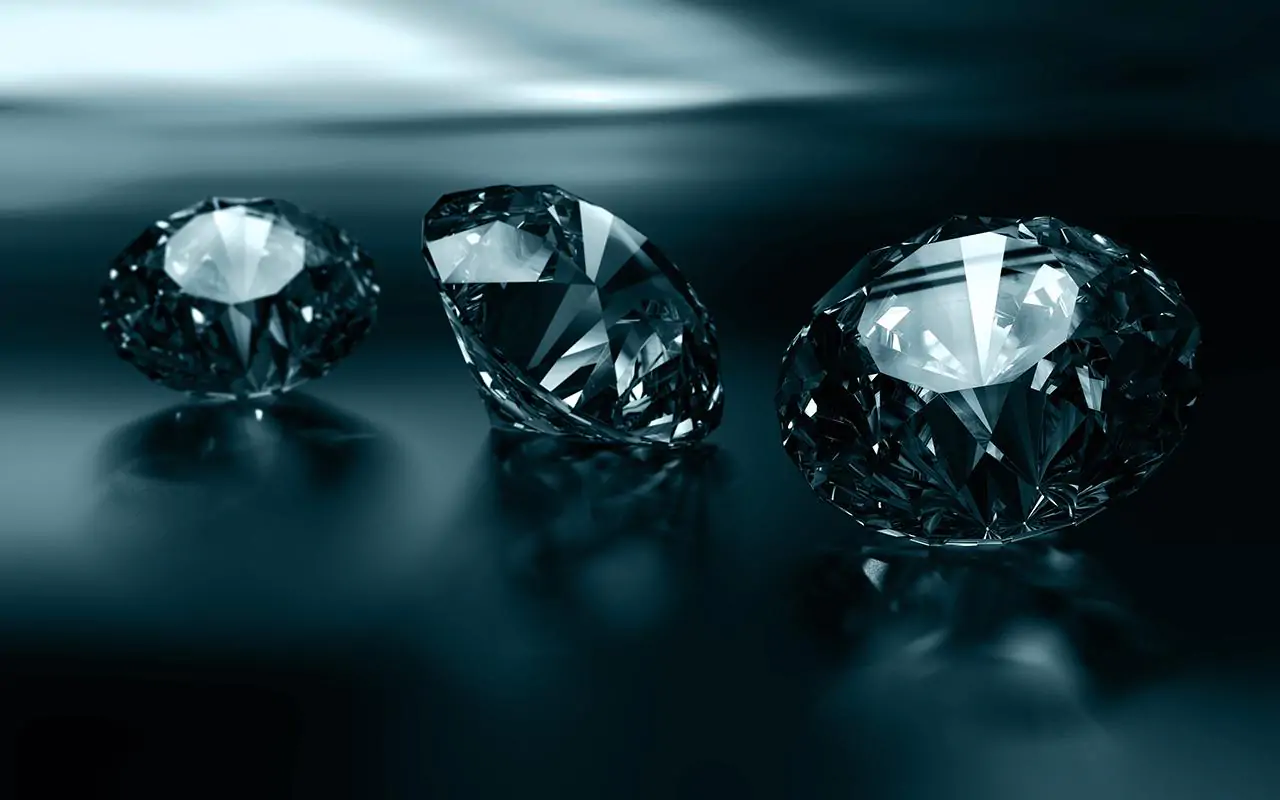
Is CVD Jewelry Really the Future of Affordable Luxury?
CVD jewelry has many characteristics that make it relevant to the future of affordable luxury in the USA. It gives consumers another way to purchase diamond jewelry while allowing brands to create designs across a wider range of price points.
However, calling it the future would oversimplify a diverse jewelry market. Natural diamonds continue to have strong consumer appeal, particularly among buyers who value rarity and provenance. At the same time, laboratory-grown diamonds are becoming an established option for consumers seeking different combinations of size, design, price, and everyday wear.
The most successful jewelry businesses are likely to be those that understand these differences rather than treating every consumer the same.
For retailers and wholesalers, the opportunity lies in building collections around genuine customer needs. That means offering attractive designs, consistent quality, transparent information, customization, dependable fulfillment, and professional service.
For consumers, it means having more choices.
And for a CVD Jewelry Supplier in USA, it means understanding that the future of the category will depend not only on producing laboratory-grown diamonds, but also on creating jewelry that delivers quality, confidence, and meaningful value.
Final Thoughts
The growing interest in CVD Jewelry USA reflects a broader transformation in how consumers approach diamond jewelry. Laboratory-grown diamonds are becoming increasingly visible across engagement, bridal, gifting, and everyday jewelry categories, while retailers are expanding their collections to meet changing customer expectations. Current U.S. industry data confirms that lab-grown diamonds have become an important part of the retail jewelry landscape, even as natural diamonds remain highly valued.
For businesses looking for CVD Diamond Jewelry Wholesale in USA, choosing the right supplier is therefore an important strategic decision. Quality consistency, transparent specifications, customization, craftsmanship, documentation, and reliable service should all be considered before establishing a long-term supplier relationship.
Jaitam Jewels can position itself around these principles by offering thoughtfully designed CVD diamond jewelry for modern consumers and business buyers. As the U.S. market continues to evolve, brands that combine product quality with transparent education and customer-focused service will be better positioned to participate in the next generation of affordable luxury jewelry.
FAQs
1. What is CVD jewelry?
CVD jewelry contains laboratory-grown diamonds produced using Chemical Vapor Deposition technology. These diamonds have the fundamental chemical, physical, and optical properties of diamond, but their origin is laboratory-based rather than mined.
2. Is CVD diamond jewelry suitable for engagement rings?
Yes. CVD diamonds can be used in engagement rings, wedding bands, earrings, pendants, bracelets, and other jewelry designs. Buyers should evaluate the individual diamond’s cut, color, clarity, carat weight, grading documentation, and the quality of its setting.
3. How can I choose a reliable CVD jewelry supplier in the USA?
Look for a supplier that provides transparent diamond specifications, consistent craftsmanship, customization options, clear documentation, dependable communication, and professional fulfillment. Product samples can also help evaluate quality before a larger wholesale order.
4. Why is CVD jewelry becoming popular in the USA?
Its appeal comes from the combination of laboratory-grown diamond characteristics, design flexibility, and accessibility. U.S. retailers are increasingly carrying both natural and lab-grown diamonds, while consumer interest in everyday diamond jewelry is also expanding.
5. Is CVD jewelry the same as imitation jewelry?
No. CVD laboratory-grown diamonds are different from imitation materials such as cubic zirconia. The FTC distinguishes laboratory-created diamonds from imitation or simulated stones and recommends clear, accurate product descriptions.
6. Can Jaitam Jewels provide CVD diamond jewelry for wholesale buyers?
Jaitam Jewels can position its CVD jewelry offering for customers and business buyers seeking diamond jewelry designs, customization, and wholesale-oriented solutions. Buyers should discuss specific product specifications, quantities, customization requirements, and documentation directly with the brand before placing an order.