
Small jewelry businesses often have a clear vision for the products they want to sell, but turning that vision into consistent, commercially viable jewelry can be challenging. From selecting the right gold purity and gemstone specifications to developing samples, controlling production costs, maintaining quality, and managing packaging, every stage matters. Working with an experienced custom gold jewelry manufacturer can help small businesses transform their concepts into finished pieces while maintaining greater control over design, branding, and production requirements. For retailers, boutique jewelry brands, private-label businesses, and online sellers, the right manufacturing partner can become an important part of building a dependable product line.
For businesses exploring manufacturing partnerships, choosing among Gold Jewelry Manufacturers in USA requires more than comparing prices or browsing product catalogs. A suitable manufacturer should understand customization, communicate clearly, provide realistic production timelines, maintain consistent quality, and have processes that match the business’s order volume. Jaitam Jewels works with businesses looking for customized jewelry manufacturing solutions, helping brands develop gold jewelry according to their design, material, finishing, and branding requirements. The goal is to create a practical manufacturing relationship that supports both product quality and long-term business growth.
Why Small Businesses Choose Custom Gold Jewelry Manufacturing
Custom manufacturing gives small jewelry businesses the flexibility to develop products that are different from mass-market collections. Instead of selecting only from ready-made designs, a brand can create jewelry around its own aesthetic, customer preferences, price positioning, and market identity. A customized product can include specific dimensions, gold purity, gemstone choices, finishes, engraving, stone settings, and other design details.
For a growing jewelry brand, this flexibility can be particularly valuable because product differentiation is often closely connected to brand recognition. A small business may want delicate everyday jewelry, statement pieces, personalized pendants, gemstone rings, gold earrings, or a coordinated collection with a particular design language. Custom production allows these ideas to be developed into repeatable jewelry pieces rather than relying entirely on generic wholesale designs.
The manufacturing process also allows businesses to consider practical factors before placing larger orders. A design can be reviewed for wearability, proportions, construction, stone placement, finishing, and production feasibility. This helps reduce the possibility of discovering major design problems after a larger production run has already started.
What Is a Custom Gold Jewelry Manufacturer?
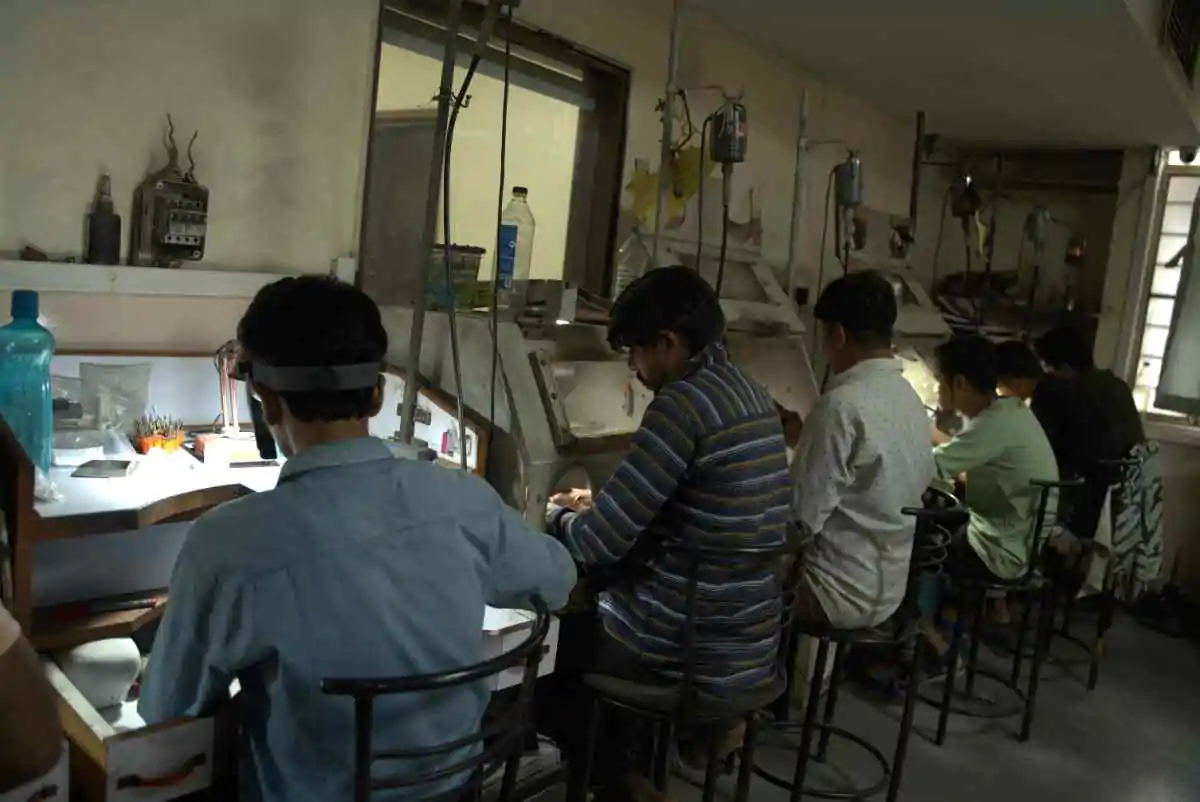
A custom gold jewelry manufacturer produces jewelry according to specifications supplied by a brand, retailer, designer, or business. Depending on the manufacturing arrangement, the process may involve design development, CAD modeling, prototyping, casting, gemstone setting, polishing, finishing, quality inspection, and packaging.
Custom manufacturing is different from simply purchasing finished wholesale jewelry. With wholesale products, the available designs and specifications are generally predetermined. With custom manufacturing, the business has greater influence over the final product.
For example, a jewelry brand may provide an initial sketch of a ring and request a particular gold purity, stone size, band width, surface finish, and logo engraving. The manufacturer can then convert the concept into a production-ready design and sample. After approval, the design can potentially move into production according to the agreed specifications.
This approach is especially useful for businesses that want to build recognizable collections rather than repeatedly selling designs that are available from many different sellers.
How Custom Gold Jewelry Manufacturing Works
A successful manufacturing process usually begins with a clear understanding of the product requirements. The business may provide drawings, reference images, CAD files, measurements, existing samples, or simply a detailed description of the desired piece. The manufacturer then evaluates the design and determines how it can be produced.
1. Design Consultation and Specification
The first stage involves understanding the jewelry concept. Important details can include gold purity, jewelry dimensions, gemstone type, gemstone size, color, setting style, finish, weight expectations, and intended retail positioning.
Small businesses should communicate their requirements as clearly as possible. If the design is intended for everyday wear, for example, durability and comfort should be considered during development rather than after production.
2. CAD Development and Prototype
For many custom jewelry projects, CAD modeling is an important step. A digital model allows the manufacturer and client to review proportions and construction before the piece is physically produced.
A prototype or sample can then be created to evaluate the actual appearance and functionality. This stage gives the business an opportunity to request modifications before approving production.
3. Gold Selection and Production
Once the design is approved, the manufacturer can proceed according to the agreed gold specifications. Gold jewelry can be produced in different purities and colors, depending on the requirements of the product and target market.
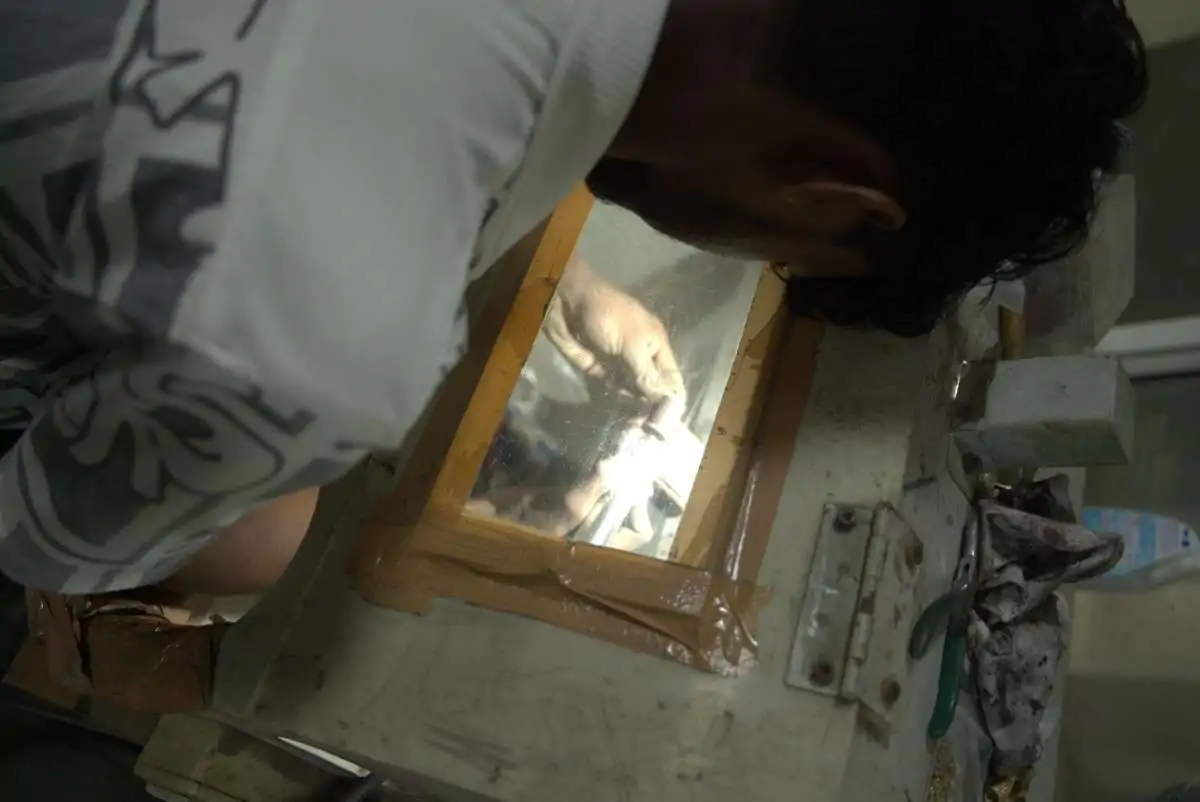
The manufacturing process may include casting or other production techniques, followed by cleaning, assembly, stone setting, polishing, and finishing. The exact process depends on the jewelry design and manufacturing requirements.
4. Quality Inspection and Final Finishing
Before products reach the client, quality checks can help identify issues related to finishing, stone placement, dimensions, surface appearance, or construction. For small brands, consistency is particularly important because customers expect pieces from the same collection to maintain comparable standards.
A structured quality-control process can therefore support better customer experiences and reduce avoidable product issues.
Choosing Gold Jewelry Manufacturers in USA for a Small Business
When comparing Gold Jewelry Manufacturers in USA, small businesses should look beyond the headline manufacturing price. The cheapest quotation may not necessarily represent the lowest overall business cost if communication problems, inconsistent quality, delays, or excessive minimum quantities create additional expenses.
A manufacturer should ideally be evaluated according to several practical factors. These include manufacturing capabilities, customization options, communication, sampling process, quality-control procedures, minimum order requirements, production timelines, material transparency, packaging capabilities, and ability to support repeat orders.
For a new brand, sampling can be particularly important. A manufacturer that is comfortable developing samples gives the business an opportunity to evaluate the product before committing to a larger quantity. This can be valuable when the brand is still testing customer demand.
Understanding Minimum Order Quantities
Minimum order quantity, commonly known as MOQ, is an important consideration for small businesses. Large manufacturers may be structured around high-volume production, while emerging jewelry brands may initially require smaller quantities.
Before choosing a manufacturing partner, ask about minimum quantities for new designs, repeat orders, sampling, and different product categories. The MOQ may vary depending on the complexity of the jewelry, materials, production method, and number of variations.
For a small business, a flexible approach to quantities can make it easier to introduce new collections without committing excessive capital to untested designs.
Why Sampling Matters Before Bulk Production
A product photograph or CAD rendering cannot always communicate how a jewelry piece will look and feel in real life. Sampling provides an opportunity to evaluate the physical product before moving into larger production.
A sample can help a business assess proportions, gold color, weight, gemstone appearance, finishing, comfort, clasp or closure functionality, and overall construction. It also allows the manufacturer to identify production challenges that may not be obvious during the initial design stage.
For this reason, businesses should treat sampling as part of product development rather than simply an additional expense. A well-reviewed sample can help establish a more reliable production specification for future orders.
Comparing the Best Gold Jewelry Manufacturers in USA
Businesses searching for the Best Gold Jewelry Manufacturers in USA often begin by comparing product quality and pricing, but a more useful approach is to create a broader evaluation framework.
Consider whether the manufacturer can produce the type of jewelry your business actually sells. A company specializing in high-volume standardized products may not be the right fit for a brand requiring detailed customization. Similarly, a manufacturer experienced with simple pieces may not have the same capabilities for technically complex gemstone jewelry.
Communication should also be considered. Jewelry manufacturing involves many details, and misunderstandings regarding measurements, materials, stones, finishes, or packaging can affect the final product. Clear communication throughout sampling and production can therefore be as important as the initial quotation.
Businesses should also ask about how design revisions are handled, what information is included in quotations, how production timelines are estimated, and what quality checks are performed before shipment.
Building a Private-Label Gold Jewelry Collection
Custom manufacturing can also support private-label jewelry businesses. Instead of selling products under a manufacturer’s existing identity, a business can develop its own collection and present the finished jewelry under its own brand.
A private-label collection may include branded packaging, custom tags, engraved logos, collection-specific designs, and coordinated product photography. The manufacturer becomes part of the production infrastructure while the jewelry brand maintains its own market identity.
For small businesses, this can create a more consistent customer experience. When customers repeatedly encounter the same design language, packaging style, and product presentation, the jewelry brand can establish a recognizable identity across its website, social media, retail store, and other sales channels.
Customization Beyond the Jewelry Design
Customization does not necessarily stop at the jewelry itself. Depending on the manufacturing arrangement, businesses may also explore customized packaging, branding elements, tags, boxes, pouches, certificates, or other presentation requirements.
Packaging can be particularly relevant for online jewelry businesses because the unboxing experience forms part of the customer’s interaction with the brand. A carefully developed presentation can make the product feel more consistent with the brand’s positioning.
However, businesses should determine which customization elements are actually valuable for their customers instead of adding unnecessary complexity to the manufacturing process.
Quality Control in Gold Jewelry Manufacturing
Quality control is one of the most important considerations when selecting a manufacturing partner. Jewelry is a detailed product, and relatively small manufacturing differences can affect appearance, comfort, durability, and customer satisfaction.
Quality checks may include reviewing dimensions, finishing, stone placement, clasps, soldering or joining points, surface polishing, engraving, and other design-specific details. Material specifications and applicable compliance requirements should also be clearly understood before production.
For businesses ordering repeatedly, maintaining a consistent product specification can make quality control easier. The approved sample, CAD file, measurements, gemstone specifications, and finishing requirements can serve as references for future production.
How Reliable Gold Jewelry Manufacturers in USA Support Growing Brands
Small businesses need manufacturing partners that can adapt as their requirements evolve. A brand may begin with a few designs and relatively small orders, then gradually introduce additional collections as customer demand develops.
Reliable Gold Jewelry Manufacturers in USA can support this growth by providing clear communication, repeat-production consistency, sampling assistance, and the ability to work with evolving product specifications. The relationship becomes more valuable when the manufacturer understands the brand’s requirements and can maintain consistency across multiple production cycles.
For a growing jewelry company, reliability is not simply about meeting one order deadline. It involves creating a repeatable manufacturing process that can support future product launches and restocking.
Common Mistakes Small Jewelry Businesses Should Avoid
One common mistake is selecting a manufacturer based entirely on price. Jewelry manufacturing involves material costs, labor, production complexity, quality control, packaging, shipping, and other factors. A very low quotation should therefore be evaluated carefully to understand what is included.
Another mistake is moving directly into bulk production without properly approving a sample. Even when a digital design appears correct, the physical product may require adjustments.
Businesses should also avoid providing incomplete specifications. Measurements, gold purity, gemstone requirements, finishing, quantities, packaging, and delivery expectations should be discussed clearly. Written specifications can help minimize misunderstandings.
Finally, businesses should avoid changing important design details repeatedly after production has started. Clear approval procedures can make the manufacturing process more predictable and help control costs.
Why Jaitam Jewels Can Be a Manufacturing Partner for Small Businesses
Jaitam Jewels provides jewelry manufacturing solutions for businesses seeking customized gold jewelry and dependable production support. For small jewelry brands, retailers, designers, and private-label businesses, the focus can be on developing jewelry that reflects specific design requirements rather than relying solely on standardized products.
From initial concepts and specifications to sampling, production, finishing, and final quality review, each stage can be approached with attention to the requirements of the individual project. This is particularly useful for businesses that want to create collections with their own product identity.
Whether a business is developing a new jewelry line or expanding an existing range, working with a manufacturing partner that understands customization can help create a more organized product-development process. Jaitam Jewels can work with businesses looking for gold jewelry production tailored to their design and commercial requirements.
Questions to Ask Before Selecting a Gold Jewelry Manufacturer
Before entering a manufacturing partnership, small businesses should prepare a list of questions covering production, materials, customization, sampling, quality control, and timelines. Understanding these areas in advance can make supplier comparison more practical.
Ask whether the manufacturer can produce the required jewelry category, whether custom designs are supported, how samples are developed, what gold specifications are available, how gemstones are sourced or supplied, what minimum order quantities apply, and how production timelines are estimated.
It is also useful to understand how revisions are handled after sampling, what happens if a production issue is identified, and how repeat orders are managed. The answers can help a business determine whether the manufacturing process aligns with its operational requirements.
FAQs
1. What does a custom gold jewelry manufacturer do?
A custom gold jewelry manufacturer produces jewelry according to a business’s specific requirements. Depending on the project, services may include design development, CAD modeling, sampling, gold production, gemstone setting, polishing, finishing, quality inspection, and packaging.
2. Can small businesses order custom gold jewelry?
Yes, small businesses can work with manufacturers that support customized production and suitable order quantities. The available MOQ, sampling process, and production options vary between manufacturers, so these details should be discussed before placing an order.
3. How do I choose reliable Gold Jewelry Manufacturers in USA?
Look at manufacturing capabilities, customization options, sample quality, communication, material specifications, quality-control procedures, minimum order requirements, production timelines, and the manufacturer’s ability to handle repeat orders. Evaluating these factors together provides a more complete picture than comparing price alone.
4. Why is a jewelry sample important?
A sample allows a business to physically evaluate the design before larger production. It can reveal issues involving proportions, weight, finishing, gemstone placement, comfort, or construction and provides an opportunity to make adjustments before bulk manufacturing.
5. Can Jaitam Jewels manufacture customized gold jewelry?
Jaitam Jewels works with businesses seeking customized jewelry manufacturing solutions, including gold jewelry developed according to specific design and production requirements. Businesses can discuss their product concept, specifications, sampling requirements, and production needs with the team.
Final Thoughts
Finding the right manufacturing partner is an important step for any small jewelry business planning to develop a consistent product collection. Custom gold jewelry manufacturing can provide greater control over design, materials, dimensions, finishing, branding, and product presentation while allowing businesses to develop jewelry that reflects their own market identity.
Instead of choosing a manufacturer based on price alone, businesses should evaluate the complete manufacturing process, including communication, sampling, customization capabilities, quality control, MOQs, production timelines, and repeat-order support. A transparent and structured process can make product development easier to manage and create a stronger foundation for long-term growth.