
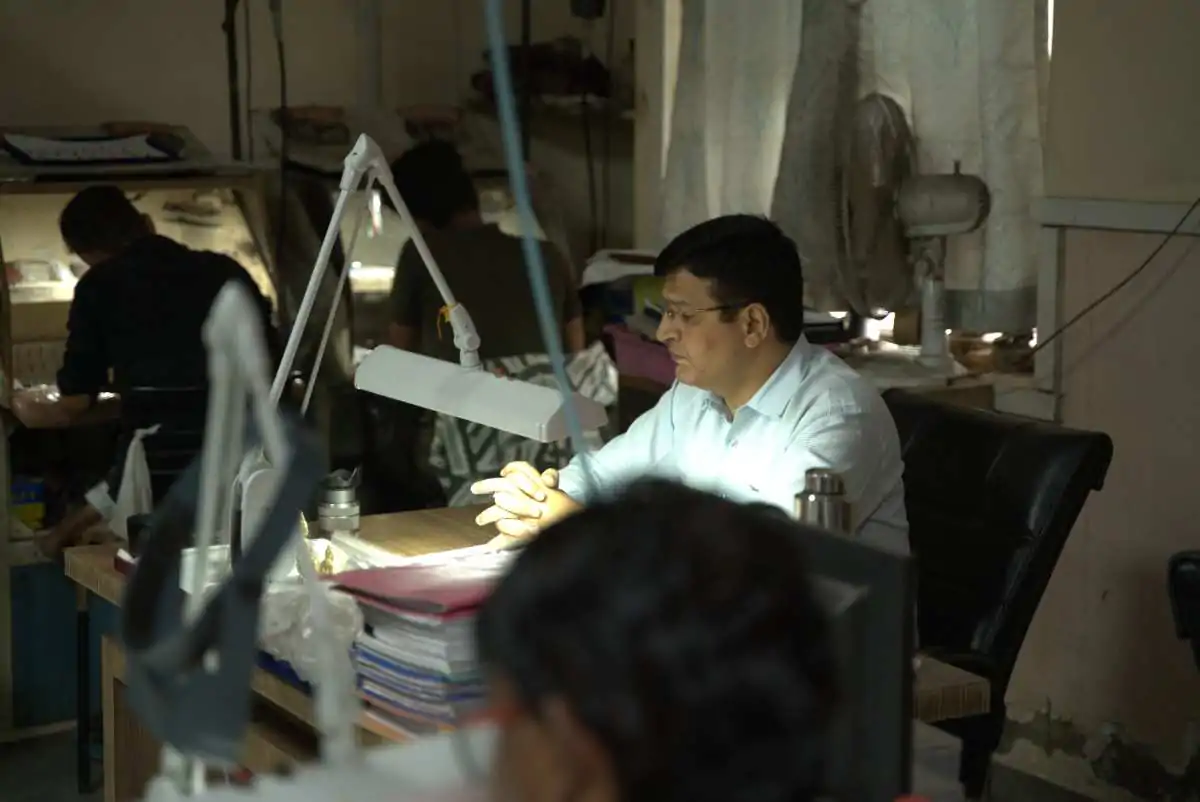
The growing interest in lab-grown diamonds has changed the way people approach fine jewelry, especially in the United States. Among the different technologies used to create lab-grown diamonds, Chemical Vapor Deposition (CVD) has become an important method for producing diamonds with properties similar to naturally mined diamonds. From engagement rings and wedding bands to earrings, pendants, and custom designs, CVD diamonds are now being used across a wide range of jewelry styles. However, choosing the right piece requires more than simply comparing prices. Buyers should understand diamond quality, certification, manufacturing standards, craftsmanship, metal selection, and the reputation of the supplier before making a purchase.
For customers exploring CVD Jewelry in USA, the goal should be to find jewelry that combines reliable diamond quality with skilled craftsmanship and transparent sourcing information. Whether you are purchasing a single engagement ring or looking for a long-term jewelry manufacturing partner, understanding how CVD diamonds are produced and graded can make the buying process much easier. Jaitam Jewels focuses on providing thoughtfully manufactured diamond jewelry while helping buyers and businesses make informed decisions based on quality, design, and individual requirements.
What Is CVD Jewelry?
CVD jewelry refers to jewelry made using diamonds produced through the Chemical Vapor Deposition process. In this method, a diamond seed is placed inside a controlled chamber where carbon-containing gases are introduced under carefully regulated conditions. Energy is used to break down the gases, allowing carbon atoms to gradually deposit onto the diamond seed and form a crystalline diamond structure.
The resulting laboratory-grown diamond is a real diamond rather than an imitation material. It has the same fundamental carbon crystal structure as a mined diamond, although its origin is different. The main distinction is that a CVD diamond is grown in a laboratory environment instead of being formed naturally underground over geological periods.
This distinction is important for consumers because terms such as lab-grown, laboratory-created, synthetic, and simulant can sometimes be confusing. A diamond simulant such as cubic zirconia is not diamond, whereas a laboratory-grown diamond has the essential physical and chemical characteristics associated with diamond. Buyers should always check the grading documentation and product information provided with their jewelry.
Why Is CVD Jewelry Becoming Popular in the USA?
The American jewelry market has increasingly embraced laboratory-grown diamonds because consumers are becoming more interested in understanding where their jewelry comes from, how it is produced, and how its price relates to diamond characteristics. CVD technology has contributed to this market by enabling manufacturers to grow diamonds under controlled conditions.
Another reason for the growing interest is the variety of jewelry that can be created using laboratory-grown diamonds. CVD diamonds can be incorporated into classic solitaire rings, halo designs, tennis bracelets, diamond studs, pendants, wedding bands, and customized jewelry. This gives buyers considerable flexibility when selecting a design.
For businesses, CVD diamonds can also provide additional options when developing jewelry collections. Retailers and jewelry brands can select different diamond sizes, shapes, grades, and settings according to their target customers and product positioning.
How to Choose the Best CVD Jewelry in USA
Choosing the right CVD jewelry should involve several factors rather than focusing on a single characteristic. A beautiful design may attract attention initially, but diamond quality, certification, metal purity, manufacturing precision, and supplier transparency are equally important for a long-term purchase.
1. Understand the Four Cs of the Diamond
The first step is to understand the traditional four Cs: cut, color, clarity, and carat weight. These characteristics help buyers compare diamonds more objectively.
Cut affects how effectively a diamond interacts with light. A well-cut diamond can appear bright and lively because its facets are positioned to reflect light effectively. For many jewelry buyers, cut can have a noticeable impact on the overall appearance.
Color refers to how much color is visible in a diamond. For traditional colorless diamond grading, higher grades generally indicate less visible body color. However, the ideal color grade can depend on the jewelry design and the metal used.
Clarity describes the presence of internal inclusions and surface characteristics. Not every inclusion will be visible to the naked eye, so buyers should consider both the grading information and the actual appearance of the diamond.
Carat weight refers to the diamond’s weight rather than its physical dimensions alone. Two diamonds with the same carat weight can look different depending on their shape, cut proportions, and setting.
Understanding these factors allows buyers to make decisions based on the complete quality profile instead of choosing a diamond simply because it has a larger carat weight.
2. Check Diamond Certification
Certification or grading documentation is another important consideration when buying CVD diamond jewelry. An independent gemological laboratory can evaluate characteristics such as carat weight, color, clarity, cut, and other identifying information.
A grading report can provide buyers with greater confidence about what they are purchasing. When comparing different pieces, look for clear documentation and make sure the diamond information corresponds with the jewelry being offered.
For higher-value purchases, buyers should avoid relying solely on general descriptions such as “excellent diamond” or “premium CVD diamond.” Specific grading information provides a much more useful basis for comparison.
3. Consider the Jewelry Metal
The diamond is only one component of a finished jewelry piece. The metal used for the setting can significantly influence its appearance, durability, and overall style.
Gold remains one of the most popular choices for diamond jewelry. Yellow gold creates a traditional and warm appearance, while white gold offers a contemporary look that can complement colorless diamonds. Rose gold provides a softer, distinctive appearance and can work particularly well with modern jewelry designs.
Buyers should also consider the purity of the gold. Common options include 14K and 18K gold, with each offering a different balance of gold content, durability, appearance, and price.
When purchasing from a professional jewelry manufacturer, ask about the metal specification, hallmarking where applicable, and the construction of the setting.
4. Look Closely at Craftsmanship
A high-quality diamond can lose some of its visual appeal if the jewelry setting is poorly made. Craftsmanship is particularly important for engagement rings, earrings, bracelets, and other pieces that will be worn regularly.
Look at the symmetry of the design, the finish of the metal, the alignment of stones, the quality of prongs, and the overall construction. In a well-made piece, the diamond should sit securely in its setting while maintaining the intended proportions of the design.
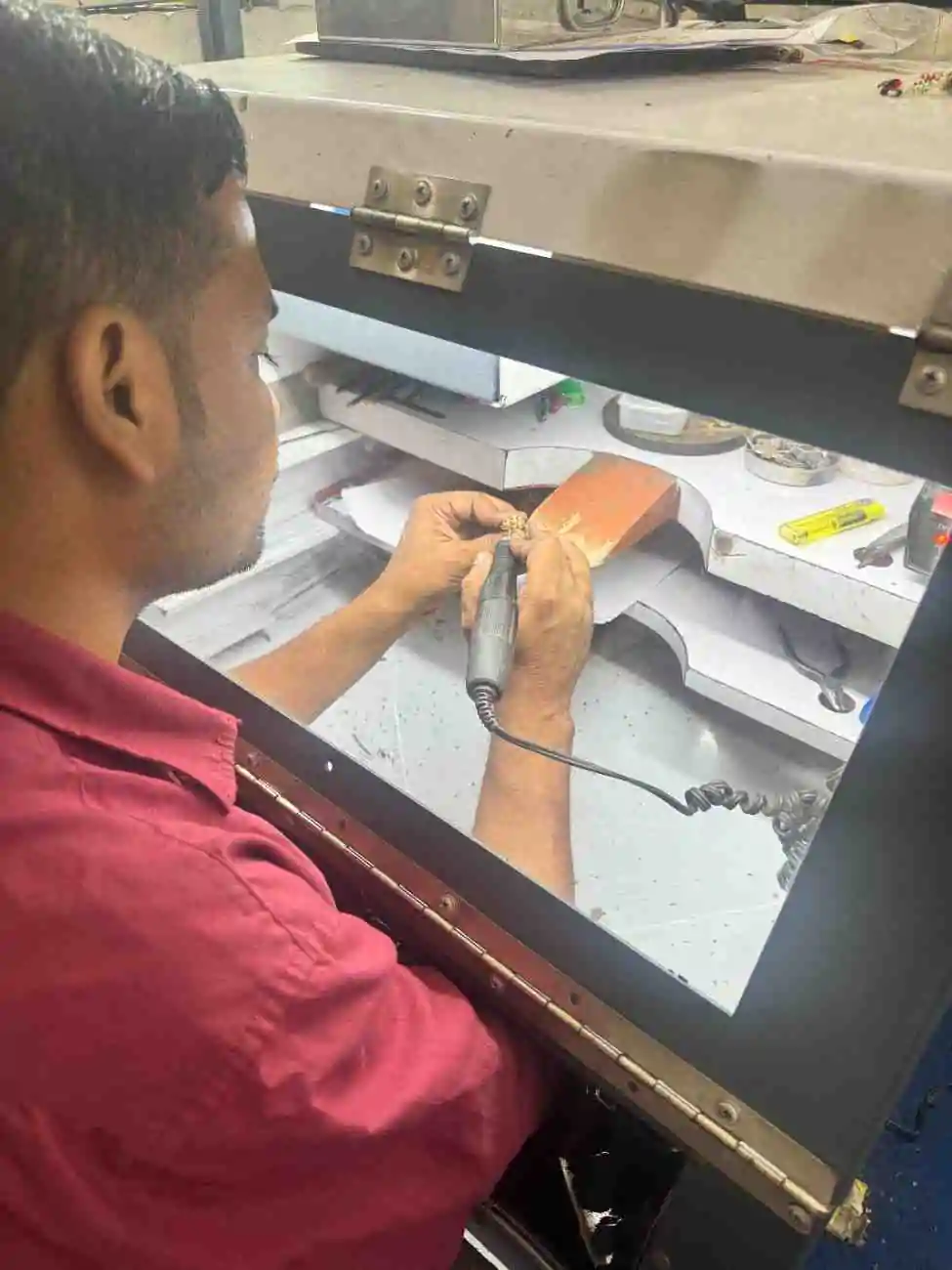
This is one area where choosing an experienced jewelry manufacturer can make a significant difference. Professional manufacturing involves more than placing diamonds into a setting; it requires design accuracy, stone selection, setting expertise, finishing, polishing, and quality control.
5. Choose the Right Diamond Shape
CVD diamonds are available in many popular shapes, allowing buyers to match the diamond to their personal style.
Round brilliant diamonds remain a classic option because of their traditional appearance and strong emphasis on brilliance. Oval diamonds can create an elongated visual effect, while pear-shaped diamonds combine characteristics of round and marquise styles.
Emerald and Asscher cuts offer a more structured appearance with step-cut facets. Cushion cuts are known for their softer, romantic look, while princess cuts provide a more geometric style.
There is no single “best” diamond shape. The right choice depends on personal preference, the jewelry design, finger proportions for rings, and the overall look the buyer wants to achieve.
6. Compare Suppliers Carefully
The supplier you choose can be just as important as the jewelry itself. Buyers searching for cvd diamonds suppliers in usa should look beyond product photographs and advertised prices.
Consider whether the supplier provides detailed diamond information, transparent product specifications, clear policies, and professional communication. Businesses purchasing jewelry in larger quantities should also evaluate manufacturing capacity, customization capabilities, quality-control processes, lead times, and consistency between production batches.
A reliable supplier should be willing to answer reasonable questions about diamond grading, jewelry metals, manufacturing, customization, packaging, and after-sales support.
CVD Diamond Jewelry Manufacturing in USA
CVD Diamond Jewelry Manufacturing in USA involves several stages, from diamond selection and jewelry design to setting, finishing, inspection, and final packaging. The quality of each stage can influence the final product.
The process generally begins with selecting diamonds according to the required shape, size, color, clarity, and grading specifications. Designers then develop the jewelry concept, considering dimensions, stone placement, metal choice, and wearability.
Once the design is approved, the jewelry can be manufactured using appropriate techniques such as casting, machining, setting, polishing, and finishing. Skilled setters carefully position diamonds within the design, while quality-control teams inspect the finished piece for structural and visual consistency.
For customized jewelry, communication between the buyer and manufacturer becomes especially important. Accurate specifications and detailed design references can reduce errors and help ensure the finished jewelry reflects the original concept.
What to Look for in Top CVD Diamond Jewelry Manufacturing in USA
When evaluating Top CVD Diamond Jewelry Manufacturing in USA, businesses should consider more than production volume. Manufacturing quality, design capability, consistency, and communication are essential factors.
A capable manufacturer should understand different jewelry categories and be able to work with a variety of diamond shapes and metal options. For brands and retailers, the ability to develop customized designs can also be valuable because it allows businesses to create collections that are different from mass-market products.
Quality control is another important consideration. Each stage of production should be monitored so that stone placement, metal finishing, dimensions, and overall construction meet the required specifications.
For wholesale and business buyers, scalability matters as well. A supplier may be excellent at producing individual custom pieces but may not have the capacity required for larger orders. Discussing production requirements in advance can help establish whether the manufacturer is an appropriate long-term partner.
Why Choose Jaitam Jewels for CVD Diamond Jewelry?
At Jaitam Jewels, the focus is on combining contemporary diamond jewelry design with dependable manufacturing practices and attention to detail. For buyers and businesses interested in CVD diamond jewelry, the objective is not simply to provide a diamond product but to create finished jewelry that meets the requirements of the intended customer.
Jaitam Jewels can work with different jewelry concepts, diamond shapes, metal choices, and design preferences. This flexibility is particularly useful for businesses looking for customized jewelry rather than relying exclusively on standardized designs.
The brand also understands that jewelry purchasing involves trust. Buyers want clear information about the diamonds they are considering, while businesses need consistency in manufacturing, specifications, and communication. A transparent approach helps create a stronger relationship between the manufacturer, retailer, and final customer.
CVD Jewelry for Engagement Rings and Special Occasions
Engagement rings remain one of the most popular categories for laboratory-grown diamond jewelry. CVD diamonds can be used in solitaire, halo, three-stone, pavé, and other engagement ring styles.
For an engagement ring, buyers should pay particular attention to diamond cut and overall proportions because the center stone usually becomes the visual focus. The setting should also provide appropriate protection for the diamond while complementing its shape.
CVD jewelry is not limited to engagement rings. Earrings, pendants, bracelets, wedding bands, anniversary jewelry, and personalized pieces can also incorporate laboratory-grown diamonds. This broad range makes CVD diamonds suitable for both everyday jewelry and milestone occasions.
CVD Jewelry for Jewelry Brands and Retailers
The growing interest in laboratory-grown diamonds has also created opportunities for jewelry brands and retailers. Businesses can develop collections around different customer segments, price ranges, styles, and occasions.
For brands considering CVD jewelry, consistency is particularly important. Product specifications should remain accurate across listings, catalogs, packaging, and marketing materials. Diamond grading information should also be communicated responsibly rather than using exaggerated claims.
Working directly with an experienced manufacturer can help brands maintain greater control over design development, stone selection, metal specifications, and production requirements. It can also make customized collections more achievable.
Questions to Ask Before Buying CVD Jewelry
Before purchasing CVD jewelry, consumers and businesses should have a clear understanding of what they are buying. Ask about the diamond’s grading information, carat weight, color, clarity, cut, shape, and whether documentation is available.
It is also useful to ask about the metal used in the jewelry, manufacturing specifications, customization options, warranty or service policies, and expected delivery timelines. For wholesale buyers, questions about minimum order quantities, production capacity, sampling, and repeat-order consistency may also be important.
Taking time to ask these questions can prevent misunderstandings and make the buying process more transparent.
Final Thoughts
Choosing the Best CVD Jewelry in USA is ultimately about balancing diamond quality, design, craftsmanship, certification, metal selection, supplier reliability, and personal preferences. CVD diamonds offer modern jewelry buyers another way to explore diamond jewelry while giving manufacturers and brands additional flexibility in developing contemporary collections.
Whether you are looking for an engagement ring, a custom jewelry piece, or a manufacturing partner, the best approach is to compare complete product information rather than focusing only on price or appearance. Understanding the four Cs, checking grading documentation, evaluating craftsmanship, and selecting a trustworthy supplier can help you make a more confident decision.
For customers and businesses exploring CVD jewelry, Jaitam Jewels provides an opportunity to work with a jewelry manufacturer focused on thoughtful design, customization, and quality-oriented production. By combining informed diamond selection with careful jewelry craftsmanship, buyers can choose pieces that are not only visually appealing but also aligned with their individual requirements and long-term expectations.