
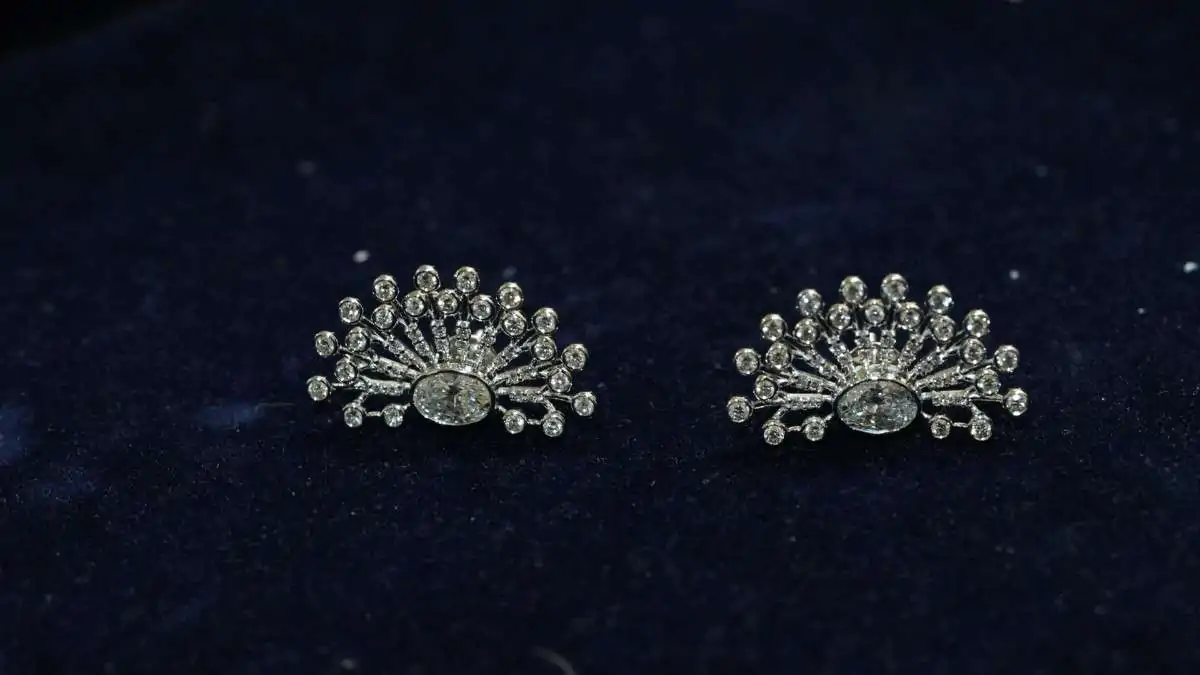
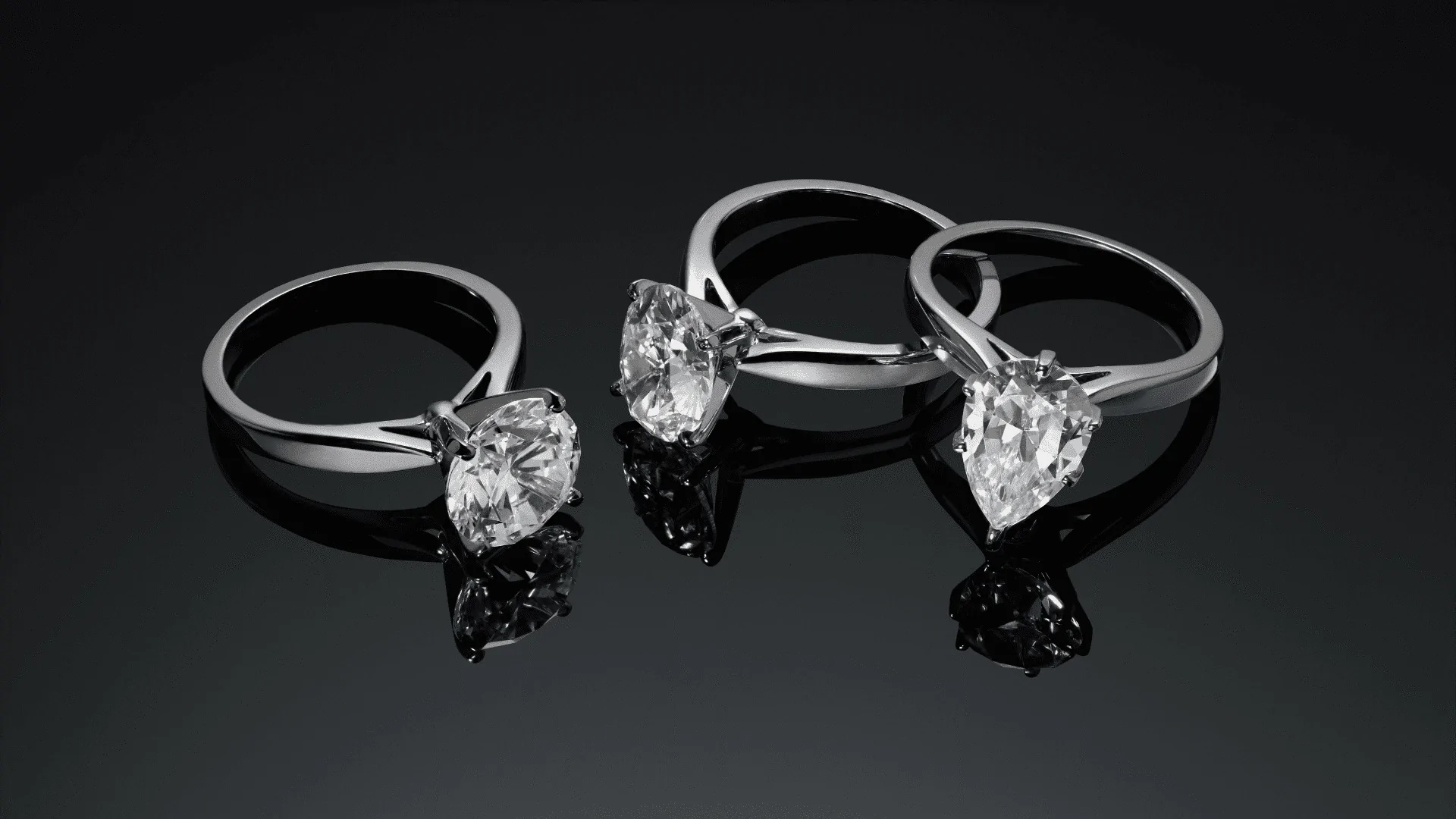
Finding the right jewelry manufacturing partner is an important step for any jewelry brand that wants to offer attractive designs, consistent quality, and dependable customer service. Whether you operate an established jewelry store, manage an e-commerce business, or plan to launch your own private label collection, choosing reliable 925 Silver Jewelry Manufacturers in USA can help you build a strong foundation for long-term growth. Sterling silver jewelry is popular for its versatile designs, elegant appearance, and suitability for everyday wear as well as special occasions. However, not every manufacturer offers the same level of craftsmanship, material transparency, customization, or production consistency. Understanding how to evaluate manufacturers before placing an order can help you make informed sourcing decisions and avoid unnecessary business risks.
For jewelry businesses looking to expand their collections, working with experienced 925 Sterling Silver Jewelry Manufacturers in USA can provide opportunities to develop distinctive products that meet customer expectations. From rings and necklaces to bracelets, earrings, and personalized jewelry, the right manufacturing partner should understand your design requirements, quality standards, production timelines, and commercial goals. At Jaitam Jewels, understanding jewelry materials, manufacturing expectations, and product quality is an important part of making informed jewelry sourcing decisions. This guide explains how to evaluate sterling silver manufacturers, verify product quality, compare suppliers, and choose a manufacturing partner that supports your business growth while helping you deliver dependable jewelry collections to your customers.
What Is 925 Sterling Silver Jewelry?
925 sterling silver is an alloy containing 92.5% silver and 7.5% other metals, commonly copper. Pure silver is relatively soft, so combining it with other metals improves its suitability for jewelry manufacturing and everyday use. The 925 hallmark is widely associated with sterling silver, although businesses should verify material claims and applicable hallmarking requirements rather than relying on a stamp alone. This composition makes sterling silver a popular material for manufacturing jewelry that balances appearance, workability, and durability.
For jewelry retailers and brands, 925 sterling silver offers flexibility across different product categories and price points. Manufacturers can use this material to create minimalist rings, statement earrings, layered necklaces, charm bracelets, gemstone jewelry, and custom-designed accessories. Sterling silver can also be finished with rhodium plating, gold plating, oxidation, or polishing, depending on the intended design. These options allow businesses to create collections for different customer preferences while maintaining a recognizable material standard. Before selecting a manufacturer, buyers should confirm the actual silver content, finishing methods, and care requirements of the products they plan to sell.
Why Choosing the Right 925 Silver Jewelry Manufacturer Matters
A jewelry manufacturer does more than transform raw materials into finished products. The manufacturer can influence product consistency, design accuracy, production efficiency, inventory planning, and customer satisfaction. If the supplier uses inconsistent materials or produces poorly finished pieces, your business may experience returns, negative reviews, and additional operating costs. Choosing a reliable manufacturing partner helps reduce these risks and gives you greater confidence when introducing new jewelry collections.
For growing brands, dependable manufacturing is particularly important because customers expect products to match the descriptions, photographs, and quality claims presented online. A well-organized supplier should communicate clearly about production schedules, sample approvals, customization possibilities, packaging, and order quantities. Businesses searching for the Best 925 Silver Jewelry Manufacturers in USA should therefore evaluate the complete manufacturing relationship instead of making decisions based only on the lowest quoted price. The right partner should offer a reasonable balance of quality, transparency, flexibility, and commercial value.
1. Check the Manufacturer’s Experience and Industry Expertise
The first step in finding a reliable manufacturer is to investigate its background, manufacturing experience, and product specialization. Some companies focus on ready-made wholesale jewelry, while others specialize in custom designs, gemstone settings, private label collections, or small-batch production. Understanding these differences helps you identify a supplier whose capabilities match your business requirements. Review the company’s official website, product catalog, manufacturing information, business contact details, and examples of completed work wherever available.
Experience is particularly valuable when your designs involve detailed engraving, intricate stone settings, delicate chains, or unusual dimensions. An experienced manufacturing team is more likely to understand the technical considerations involved in producing these designs consistently. However, a long operating history alone does not guarantee quality. Ask for relevant samples, technical specifications, and references when appropriate. If a manufacturer claims to have specialized equipment or in-house production capabilities, clarify which processes are performed internally and which are outsourced. This information helps you assess whether the supplier can meet your expected standards.
2. Verify Silver Purity and Material Authenticity
Material verification is one of the most important steps when evaluating 925 Sterling Silver Jewelry Manufacturers in USA. Since sterling silver is defined by its silver content, businesses should confirm that products sold as 925 sterling silver meet the required composition. A stamp or written assurance can be useful, but neither should be treated as conclusive proof of authenticity without supporting information.
Ask manufacturers about their material sourcing practices, supplier documentation, quality-control procedures, and available testing methods. Depending on the order and the level of assurance required, independent material testing may be appropriate. Methods such as X-ray fluorescence (XRF) can help assess metal composition, although test results must be interpreted correctly because surface plating can affect readings. For more complex verification needs, a qualified laboratory can recommend suitable testing procedures.
It is also important to distinguish solid sterling silver from silver-plated jewelry. Silver-plated products have a different underlying metal composition and should not be marketed as solid 925 sterling silver. Similarly, gold-plated sterling silver contains a sterling silver base with a gold surface layer, which should be described accurately. Clear material specifications protect your customers and help your business maintain trustworthy product listings.
3. Evaluate Craftsmanship and Product Quality
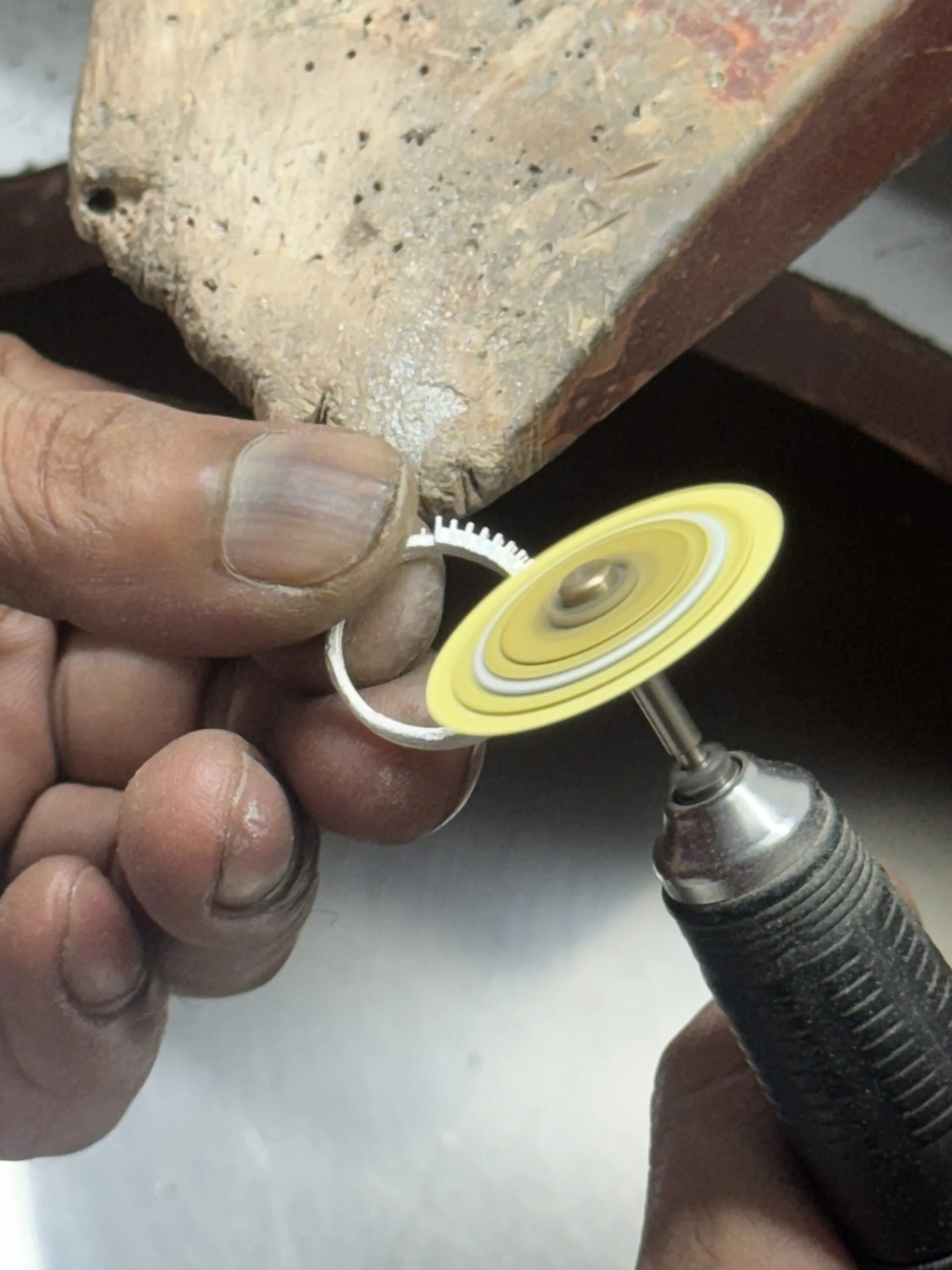
A reliable jewelry manufacturer should demonstrate consistent craftsmanship across its product range. Examine samples carefully before committing to a large order. Look at the smoothness of edges, strength of clasps, chain connections, stone alignment, symmetry, soldering, surface polishing, and overall finish. For rings and bracelets, verify dimensions and sizing accuracy. For gemstone jewelry, inspect the setting to ensure stones are secure and the design matches the approved sample.
The quality of a finished piece also depends on its intended use. A delicate necklace may require different construction considerations from a statement ring designed to hold a larger gemstone. Manufacturers should understand these differences and explain how they address relevant design challenges. Businesses can establish written quality standards covering acceptable surface imperfections, measurements, finishing consistency, and packaging condition.
Before approving mass production, request a sample that represents the actual materials and manufacturing process intended for the final order. Compare the sample with your approved drawings or specifications. If changes are required, document them clearly and obtain approval before production continues. This process helps prevent misunderstandings and gives both parties a shared reference for quality expectations.
4. Compare Manufacturing Capabilities and Customization Options
Your ideal supplier should be capable of producing the types of jewelry your business intends to sell. Some brands need simple, ready-to-ship sterling silver designs, while others require custom molds, CAD-based design development, gemstone selection, engraving, or branded packaging. Before contacting 925 Silver Jewelry Manufacturers in USA, prepare a clear description of your requirements and determine which manufacturing services are essential.
Ask whether the supplier supports custom dimensions, different finishes, gemstone variations, logo engraving, private labeling, and packaging customization. If you are developing a new design, find out whether the manufacturer can create digital drawings or computer-aided design models before producing a physical sample. Clarify the number of sample revisions included in the quoted price and whether design development involves additional fees.
Customization can help jewelry brands establish a recognizable identity and differentiate their collections from competing products. However, every customization option can influence development time, production costs, and minimum order quantities. Choose a manufacturer that explains these trade-offs openly and provides realistic expectations about what can be achieved within your budget and schedule.
5. Understand Minimum Order Quantities and Pricing
Pricing is an important consideration when choosing a jewelry manufacturing partner, but the lowest quote is not always the most economical option. A low initial price may exclude sampling, finishing, packaging, shipping, duties, quality testing, or other charges. Businesses should compare complete quotations rather than looking only at the price per piece.
Ask manufacturers to explain their minimum order quantity (MOQ), sample costs, tooling charges, customization fees, payment terms, and production lead times. Some suppliers may accommodate small-batch orders, while others focus on larger wholesale quantities. Your decision should reflect your current sales volume, available capital, and inventory strategy.
For a new jewelry brand, starting with a smaller order can help test customer demand before investing in a large collection. Established businesses may benefit from volume pricing if their products have predictable sales. In either case, request a written quotation that clearly identifies the product specifications and all applicable charges. Compare the cost of equivalent products made to the same material, finish, and quality requirements. This approach helps you evaluate the true commercial value of different suppliers.
6. Check Production Capacity and Delivery Timelines
Reliable production scheduling is essential for businesses that operate online stores, supply retail partners, or plan seasonal launches. Delayed manufacturing can result in missed promotional opportunities, inventory shortages, and dissatisfied customers. Before selecting a supplier, discuss normal production lead times, current capacity, sample approval schedules, and procedures for handling urgent orders.
A manufacturer should provide realistic timelines rather than promising delivery dates that may be difficult to achieve. Custom jewelry often requires additional time for design approval, tooling, material procurement, sample production, and quality inspection. Ready-made wholesale products may have different fulfillment schedules depending on stock availability.
Ask how the manufacturer communicates production updates and manages unexpected delays. It is also helpful to understand whether repeat orders can be produced using the same specifications and whether the supplier can accommodate future increases in volume. Consistency matters because your business may need to replenish successful products quickly. A clear production plan helps you coordinate inventory, marketing campaigns, and customer delivery expectations more effectively.
7. Review Customer Service and Communication
Strong communication is one of the clearest indicators of a professional manufacturing relationship. From your first inquiry, assess how promptly the supplier responds, whether the answers address your questions, and how clearly the company explains technical and commercial details. A dependable partner should be willing to discuss material specifications, product limitations, order requirements, and possible production challenges.
Communication becomes especially important when you are developing custom jewelry. Small misunderstandings about stone size, chain length, plating color, ring dimensions, or engraving placement can create significant differences in the final product. To avoid confusion, share written specifications, reference images, measurements, and approved design files wherever possible.
Businesses should also ask about procedures for damaged shipments, manufacturing defects, replacement products, and quality disputes. These policies should be understood before placing a substantial order. Although no manufacturer can guarantee that every production run will be completely free of defects, a professional supplier should have a reasonable process for identifying and addressing problems. Clear communication supports accountability and helps establish a more productive long-term relationship.
8. Research Reputation and Verify Business Credentials
Before entering into a manufacturing agreement, conduct independent research into the supplier’s reputation and business operations. Read customer reviews from multiple sources, examine available case studies, and look for consistent feedback about product quality, delivery reliability, and customer support. Be cautious about relying entirely on testimonials published on the manufacturer’s own website.
Verify the company’s legal business name, contact information, operating address, and relevant business documentation where applicable. If you are working with a supplier that claims to manufacture products in the United States, ask where the jewelry is actually produced and which production stages occur domestically. A US-based seller, distributor, or brand does not automatically mean that every product is manufactured in the United States.
These distinctions are important for businesses that intend to make origin-related claims in product descriptions or advertising. Confirm the facts before using statements such as “Made in the USA.” Similarly, ask for evidence before relying on claims involving ethical sourcing, recycled silver, responsible production, or specific quality certifications. Accurate supplier information helps you make better decisions and protects your own brand’s credibility.
9. Compare USA-Based Manufacturers with International Suppliers
When researching 925 Silver Jewelry Manufacturers in USA, businesses may also encounter international manufacturers that offer different pricing structures, production capabilities, and customization options. The right choice depends on your priorities rather than the supplier’s location alone. Domestic manufacturing may offer advantages in communication, shipping convenience, coordination, and easier access to local business support. However, availability, production costs, and lead times vary by supplier.
International manufacturers may provide broader production capacity, specialized craftsmanship, or competitive pricing for certain order sizes. Buyers must also consider shipping time, customs requirements, import duties, exchange-rate fluctuations, and the process for resolving quality issues across borders. These additional factors can affect the total cost of sourcing jewelry.
A useful comparison should include product quality, silver purity, customization capabilities, minimum order quantities, communication, delivery reliability, and total landed cost. Request comparable samples and quotations wherever practical. Instead of assuming that a US-based or international supplier is automatically better, evaluate the evidence and select the partner that best meets your operational requirements.
10. Ask the Right Questions Before Placing an Order
A structured supplier evaluation helps businesses compare manufacturers consistently and identify important differences before making a financial commitment. Prepare a list of questions before requesting quotations, and ask every shortlisted supplier to respond to the same core requirements. This makes it easier to assess capabilities and avoid overlooking important details.
Consider asking the following questions:
- Do you manufacture solid 925 sterling silver jewelry, and what material documentation can you provide?
- Which product categories and customization services do you offer?
- What are your minimum order quantities, sample fees, and payment terms?
- Can you provide a pre-production sample for approval?
- What quality-control checks are performed before shipment?
- What are your typical production and shipping timelines?
- What policies apply to manufacturing defects, damaged goods, and replacements?
- Where are the products manufactured, and which production stages are handled in-house?
The answers should be specific, consistent, and supported by appropriate documentation where necessary. If a supplier avoids basic questions about materials, refuses to clarify pricing, or pressures you to place a large order immediately, consider these warning signs. A careful evaluation process can help you identify a manufacturer that understands your requirements and communicates professionally.
How Jaitam Jewels Can Support Informed Jewelry Sourcing Decisions
For jewelry businesses exploring manufacturing and sourcing opportunities, Jaitam Jewels recognizes the importance of material knowledge, design requirements, and clear product specifications. Developing a successful jewelry collection requires more than identifying attractive designs; it also involves understanding the materials, finishing methods, production expectations, and customer preferences that influence a finished product.
Businesses considering sterling silver alongside other jewelry categories should define their target market, desired product styles, quality standards, and budget before approaching potential suppliers. A well-prepared sourcing brief can include reference photographs, dimensions, gemstone requirements, preferred finishes, estimated order quantities, packaging expectations, and delivery deadlines. These details help manufacturers assess the project accurately and provide more relevant quotations.
When evaluating potential partners, compare their demonstrated capabilities with your actual requirements rather than relying on general marketing claims. Jaitam Jewels encourages jewelry businesses to prioritize product transparency, consistent quality, and informed supplier evaluation when planning their collections. Any specific manufacturing, wholesale, or customization service should be confirmed directly before making a purchasing decision.
Common Mistakes to Avoid When Choosing a Silver Jewelry Manufacturer
One common mistake is selecting a supplier solely because it offers the lowest price. Although cost control is important, unusually low quotations may require closer examination of material quality, finishing standards, product specifications, and additional charges. Comparing equivalent products is essential to understanding whether a quotation represents genuine value.
Another mistake is placing a large order without reviewing a representative sample. Product photographs can make it difficult to assess weight, dimensions, clasp quality, surface finishing, and gemstone settings. A sample provides a more practical way to confirm whether the manufacturer’s work matches your expectations. Businesses should also avoid unclear agreements about delivery dates, payment terms, product ownership, and defect resolution.
Finally, do not assume that every product marked “925” has been independently verified or that every supplier advertising itself as a US manufacturer performs all production domestically. Request appropriate documentation and clarify manufacturing origins before making material or origin claims. Taking these precautions helps reduce avoidable risks and supports better long-term sourcing decisions.
Future Trends in 925 Sterling Silver Jewelry Manufacturing
Consumer interest in versatile jewelry designs continues to create opportunities for businesses offering products that combine everyday wearability with distinctive styling. Minimalist rings, layered necklaces, personalized pendants, gemstone accents, and coordinated jewelry sets are examples of categories that brands may consider when planning their collections. However, product demand varies by audience, price point, and market, so businesses should validate trends against their own sales data and customer research.
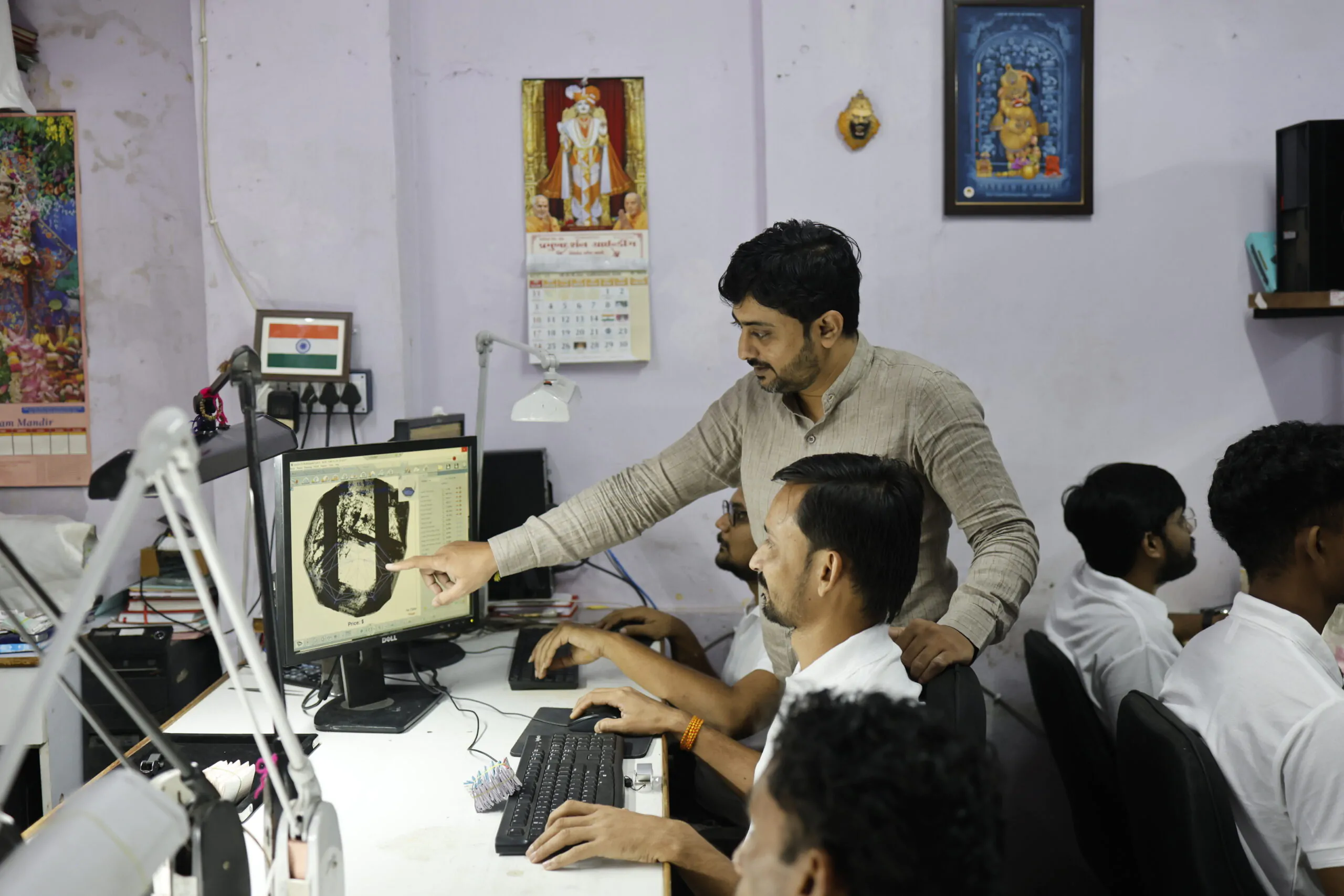
Digital design tools and computer-aided design processes can also support the development of custom jewelry. These tools allow manufacturers and buyers to review proportions, dimensions, and design details before physical production begins. For businesses developing private label collections, this can make design communication more structured and help identify potential adjustments earlier in the process.
Material transparency is another important consideration. Customers increasingly expect accurate product descriptions, clear care instructions, and honest information about the materials used in their purchases. Brands can respond by verifying supplier claims, documenting specifications, and ensuring that product listings accurately distinguish sterling silver, plated jewelry, and other metal compositions. Working with a manufacturer that supports these practices can help businesses develop a more trustworthy product offering.
Conclusion
Finding reliable 925 Silver Jewelry Manufacturers in USA requires a structured approach that combines material verification, craftsmanship assessment, business research, pricing comparisons, and clear communication. The best manufacturing partner for your business is one that understands your product requirements, provides transparent information, follows consistent quality standards, and can support your expected order volumes and delivery schedules.
Whether you are launching a new jewelry brand, expanding a retail collection, or developing customized sterling silver designs, take time to review samples, confirm material specifications, compare complete quotations, and establish written production expectations. Do not rely solely on online claims, low prices, or the 925 stamp when evaluating potential suppliers. Instead, look for evidence of quality, accountability, and dependable business practices.
For Jaitam Jewels and jewelry businesses planning their next sourcing decision, the central principle is straightforward: informed supplier selection creates a stronger foundation for product consistency and customer trust. By comparing manufacturers carefully and building relationships around clear expectations, your business can make more confident decisions when sourcing sterling silver jewelry and developing collections for a competitive market.
FAQs
1. What is 925 sterling silver jewelry?
925 sterling silver jewelry contains 92.5% silver and 7.5% other metals, commonly copper. This alloy improves the material’s suitability for jewelry production compared with pure silver, which is relatively soft. Buyers should verify material claims and distinguish solid sterling silver from silver-plated products.
2. How can I find reliable 925 Silver Jewelry Manufacturers in USA?
Research manufacturer websites, review product samples, verify business information, and request details about silver purity, quality control, customization, pricing, and production timelines. Comparing written quotations and checking independent reviews can help you identify suppliers that match your business requirements.
3. What should I check before ordering from a sterling silver jewelry manufacturer?
Confirm material composition, product dimensions, finishing quality, minimum order quantities, sample costs, payment terms, production schedules, and defect policies. Approve a representative sample before placing a large order, especially when the products involve custom designs or gemstone settings.
4. Do 925 sterling silver jewelry manufacturers offer custom designs?
Some manufacturers provide custom design development, engraving, gemstone settings, different finishes, and private label options. Services vary by supplier, so confirm customization capabilities, sample approval procedures, tooling costs, and minimum order quantities before beginning a project.
5. Are USA-based sterling silver jewelry manufacturers always better than international suppliers?
Not necessarily. Domestic and international suppliers can differ in cost, production capacity, customization, shipping, and communication. Compare product quality, verified material specifications, total landed cost, delivery reliability, and supplier support to determine which option best suits your jewelry business.