
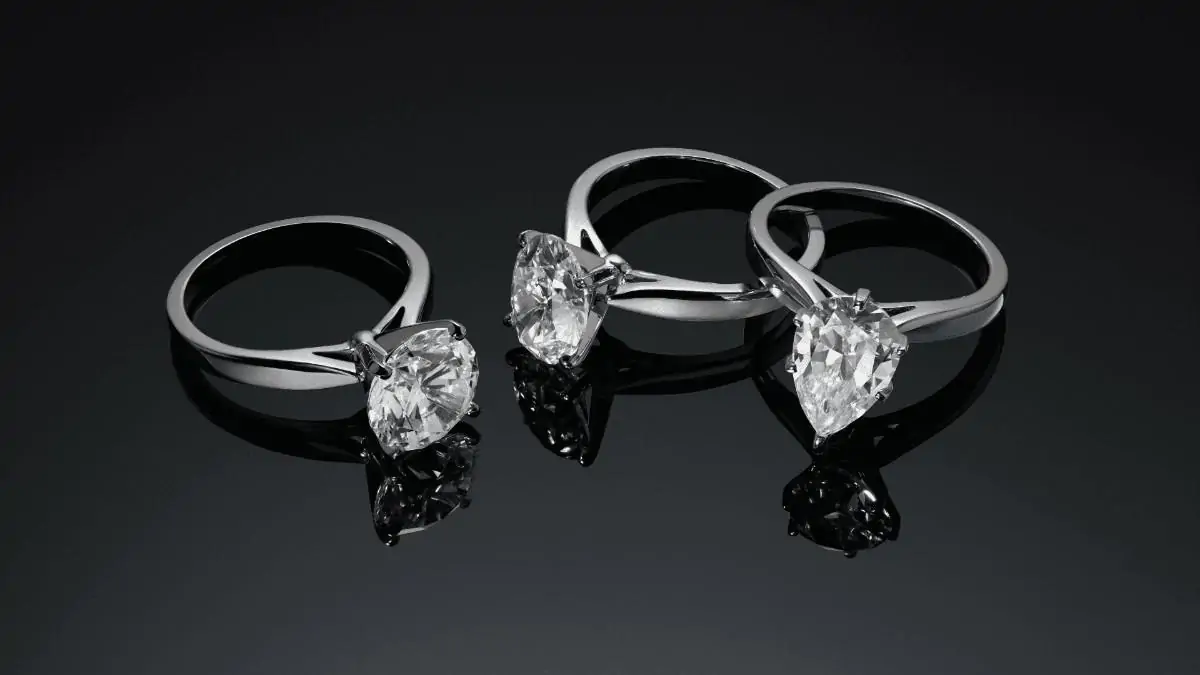
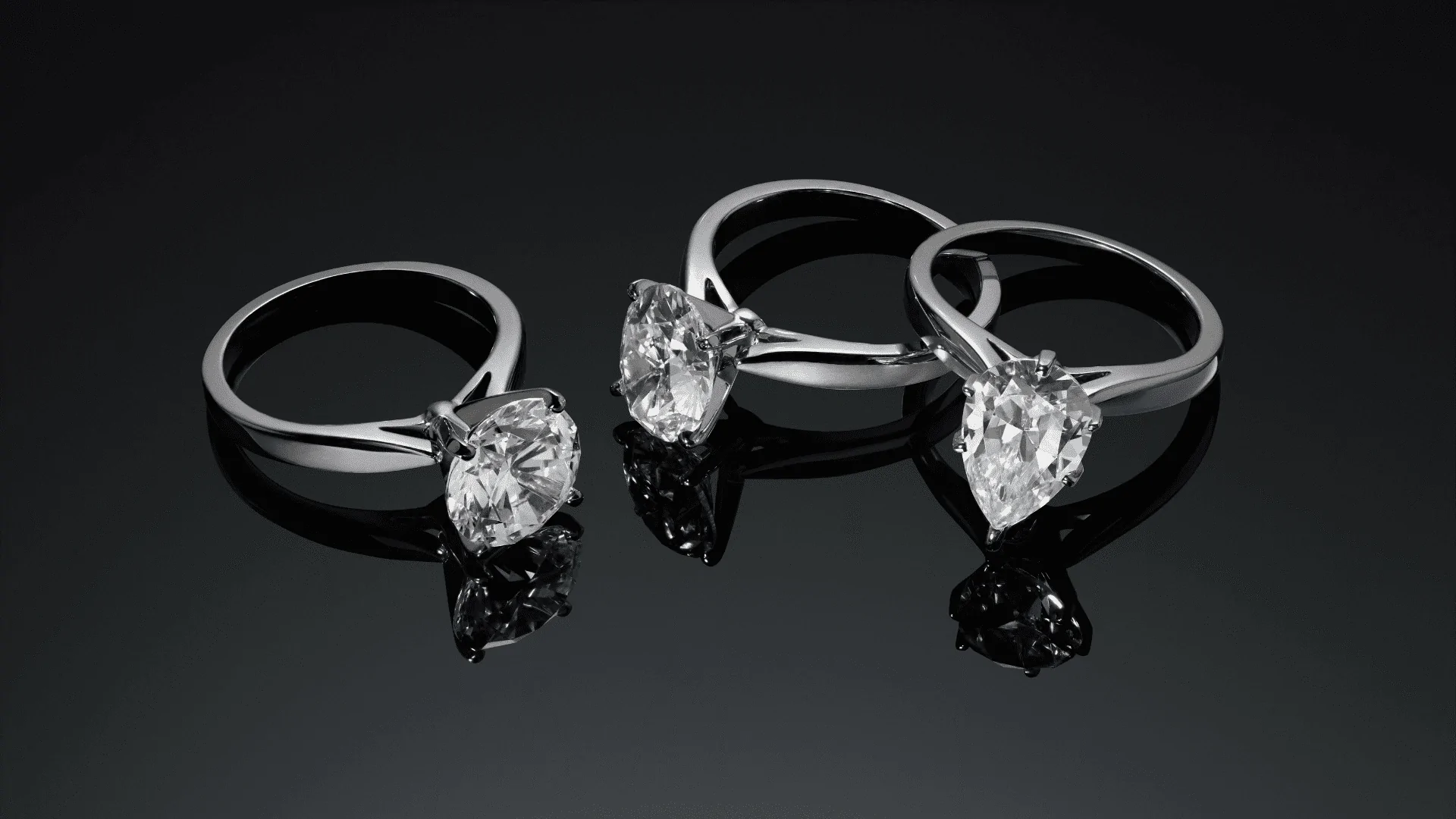
The jewelry industry continues to offer opportunities for businesses that want to launch distinctive collections, build recognizable brands, and meet changing customer preferences. Private label jewelry has become an attractive business model because it allows retailers, ecommerce entrepreneurs, wholesalers, and established fashion businesses to sell jewelry under their own brand names without establishing their own manufacturing facilities. Among the available materials, 925 sterling silver remains a popular choice because of its versatility, attractive appearance, durability with proper care, and suitability for a wide variety of jewelry designs. Working with experienced 925 Sterling Silver Jewelry Manufacturers in USA or international manufacturing partners can help private label brands turn creative concepts into market-ready collections.
Jaitam Jewels understands the importance of combining appealing designs, dependable craftsmanship, and brand-specific requirements when developing jewelry collections. For businesses planning to introduce sterling silver earrings, rings, pendants, necklaces, bracelets, or customized jewelry lines, choosing the right manufacturing partner is an important step toward long-term growth. Professional manufacturers can support different stages of product development, including design assistance, material selection, sampling, production planning, finishing, and packaging coordination. By understanding how 925 Silver Jewelry Manufacturers in USA support private label businesses, brands can make more informed sourcing decisions, maintain consistent product standards, and create collections that reflect their individual market identity.
What Is 925 Sterling Silver Jewelry?
925 sterling silver is an alloy containing 92.5% pure silver and 7.5% other metals, commonly copper, which helps improve the material’s strength and suitability for jewelry making. Pure silver is relatively soft for many everyday jewelry applications, so sterling silver provides a practical balance between appearance, workability, and durability. The 925 stamp is commonly used to identify sterling silver, although buyers should confirm material authenticity through appropriate supplier documentation or testing when required.
For private label brands, sterling silver offers considerable creative flexibility. It can be shaped into minimalist everyday accessories, statement earrings, detailed pendants, gemstone rings, and contemporary necklaces. It can also be finished in different ways to achieve a polished, brushed, oxidized, or plated appearance, depending on the design and product specifications. This versatility allows brands to develop collections for different customer groups while maintaining a recognizable material identity.
How 925 Sterling Silver Jewelry Manufacturers Support Private Label Brands
1. Customized Jewelry Design and Product Development
One of the most important advantages of working with professional manufacturers is the ability to develop jewelry that reflects a brand’s unique identity. Rather than selling only generic, ready-made products, private label businesses can collaborate with manufacturing partners to create distinctive designs based on their target audience, preferred aesthetic, and pricing strategy. Manufacturers may help transform sketches, reference images, measurements, and digital concepts into technical specifications and production-ready designs.
Jaitam Jewels can be positioned as a jewelry sourcing and development partner for businesses exploring sterling silver collections. A private label brand might develop geometric earrings for everyday wear, delicate silver necklaces for gifting, gemstone rings for special occasions, or coordinated jewelry sets for seasonal launches. The key is to establish clear specifications for dimensions, silver composition, stone selection, finishing, and branding before production begins. This helps create products that are more consistent with the brand’s original vision.
2. Consistent Material Quality and Craftsmanship
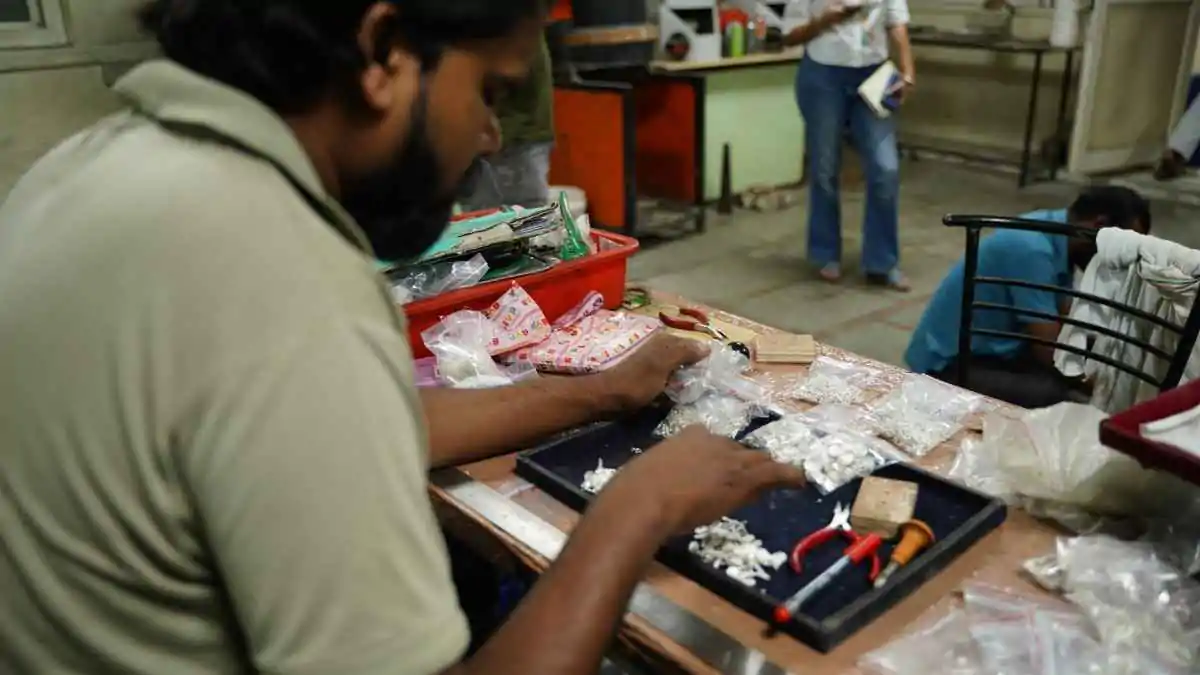
Product quality plays a major role in customer satisfaction, repeat purchases, and brand reputation. Established manufacturers use defined production processes to help maintain consistency across multiple pieces and batches. These processes may include material verification, component inspection, soldering checks, stone-setting reviews, polishing, finishing, and final quality-control inspections. The precise procedures vary by manufacturer, so private label businesses should ask suppliers how they verify silver purity and assess finished products.
The Top 925 Silver Jewelry Manufacturers in USA are often evaluated by buyers for factors such as craftsmanship, production reliability, communication, and quality-control practices. However, a supplier’s location or market reputation alone does not guarantee product quality. Brands should request samples, review relevant documentation, and establish written acceptance criteria before placing large orders. Consistent specifications help reduce avoidable differences in appearance, fit, finish, and construction across a jewelry collection.
3. Private Label Branding and Packaging
Private label manufacturing enables businesses to sell jewelry under their own brand identity. Depending on the supplier’s capabilities, branding options may include engraved logos, branded tags, custom jewelry cards, product labels, gift boxes, pouches, and other packaging elements. These details help create a consistent customer experience and make the collection more recognizable across ecommerce stores, retail shelves, and gifting occasions.
For example, a brand specializing in minimalist sterling silver jewelry might choose clean packaging, subtle logo placement, and coordinated product cards. A gifting-focused business may prefer presentation boxes and personalized messages. Manufacturers or sourcing partners can help coordinate these requirements, but brands should confirm minimum order quantities, setup charges, packaging availability, and production timelines in advance. Jaitam Jewels can be presented as a potential partner for businesses seeking to develop a cohesive jewelry offering with clear product and branding specifications.
4. Flexible Collections and Product Variety
Private label businesses often need several product categories to serve different customer preferences. Sterling silver is suitable for a broad range of styles, including hoops, studs, drop earrings, chain necklaces, pendants, bracelets, stackable rings, and gemstone jewelry. Working with a manufacturer that supports multiple product types can make collection planning easier and help businesses maintain consistency across their product range.
Rather than introducing too many designs at once, brands can begin with a focused collection based on customer demand and their available budget. A small launch might include a few everyday essentials, one or two statement pieces, and selected gifting products. Once sales data and customer feedback become available, the business can expand its assortment strategically. This approach allows private label brands to test their positioning and refine future collections without committing immediately to an unnecessarily large inventory.
5. Sampling and Prototyping Before Bulk Production
Sampling allows private label brands to evaluate a jewelry design before investing in a larger production order. Manufacturers may create prototypes based on sketches, CAD drawings, measurements, or approved reference pieces. A physical sample helps the buyer assess the jewelry’s weight, dimensions, comfort, finishing, stone placement, clasp functionality, and overall appearance. It also provides an opportunity to identify changes before production begins.
For a new jewelry business, approving a sample is particularly important because even small design differences can affect customer satisfaction. A ring may require adjustments to its band thickness, while a pendant might need a different chain length or a more secure bail. Brands should maintain a written record of the approved sample and its specifications so that future production batches can be compared against the agreed standard. Sampling, material specifications, and documented approvals are practical safeguards when building a repeatable private label collection.
6. Production Planning and Scalable Manufacturing
As a jewelry brand grows, its manufacturing requirements can change considerably. A business may initially order a limited selection of earrings and necklaces before expanding into gemstone rings, bracelets, and coordinated sets. Manufacturers that can accommodate the brand’s expected production volumes and product complexity can help make this transition more manageable. However, production capacity, minimum order quantities, and lead times should always be confirmed directly with the supplier.
The Best 925 Silver Jewelry Manufacturers in USA for a particular business are those that fit its practical requirements rather than simply offering the lowest quotation. A small boutique may prioritize flexible order quantities and customized packaging, while a growing ecommerce brand may need repeatable production, efficient replenishment, and consistent quality documentation. Jaitam Jewels can be included in a brand’s supplier evaluation process when comparing potential jewelry sourcing partners, provided the business verifies that the supplier’s actual capabilities match its project requirements.
7. Cost Management and Better Inventory Decisions
Managing manufacturing costs is essential for building a commercially viable private label jewelry brand. The final product cost may include silver, gemstones, labor, design development, tooling, plating, branding, packaging, inspection, freight, insurance, import duties, and other applicable expenses. Evaluating only the quoted manufacturing price can therefore give an incomplete picture of profitability.
Brands should calculate their estimated landed cost and compare it with their intended retail and wholesale prices. They should also consider the cost of product photography, ecommerce operations, marketing, returns, and customer support. Starting with a carefully selected collection can help limit inventory risk while providing useful information about customer demand. Once the business identifies successful designs, it can plan repeat orders more confidently and negotiate production arrangements that support its longer-term objectives.
8. Supporting International Markets and Customer Expectations
Brands selling in the United States need to consider customer expectations, product descriptions, packaging requirements, and applicable regulations. Jewelry marketed as sterling silver should be accurately represented, and any claims about metal composition, plating, gemstone characteristics, or skin sensitivity should be supported by appropriate evidence. Depending on the destination market and product category, additional labeling, chemical testing, or import requirements may apply.
Manufacturers and sourcing partners can help brands prepare specifications and relevant product documentation, but the brand remains responsible for ensuring that the products it sells meet the requirements applicable to its business. Buyers should confirm the supplier’s production location, shipping arrangements, country-of-origin information, and ability to provide supporting documents before committing to an order. These checks are especially important when sourcing internationally or selling through multiple ecommerce marketplaces.
How to Choose the Right 925 Sterling Silver Jewelry Manufacturer
Choosing a manufacturer is a strategic decision that affects product quality, delivery schedules, inventory costs, and the customer experience. Businesses searching for 925 Sterling Silver Jewelry Manufacturers in USA should compare suppliers based on verifiable capabilities, transparent communication, material documentation, sample quality, and production consistency. The same evaluation principles apply when considering international manufacturing partners that supply jewelry to American brands.
Before placing an order, request product samples, confirm the 925 silver specification, understand the minimum order quantity, and ask how the supplier handles defective items or production discrepancies. Discuss logo engraving, custom packaging, design ownership, confidentiality, and exclusivity in writing whenever these matters are important to the brand. It is also helpful to establish realistic production milestones and delivery expectations instead of relying on general estimates.
A dependable supplier relationship should support more than the first order. Brands need a partner that communicates clearly, documents agreed specifications, and can explain how repeat production will be managed. Comparing these factors alongside the total landed cost helps businesses select a manufacturing arrangement that supports their product strategy and commercial goals.

Why Consider Jaitam Jewels for Your Private Label Jewelry Requirements?
Jaitam Jewels can be presented as a sourcing option for businesses exploring sterling silver jewelry and private label collection development. Retailers, wholesalers, and emerging jewelry brands can use a structured inquiry process to communicate their product ideas, preferred designs, material specifications, branding requirements, and expected order quantities. This gives the supplier an opportunity to determine whether the requested project fits its capabilities and production arrangements.
Whether a business is planning minimalist silver earrings, contemporary rings, gemstone pendants, or a coordinated collection, clear product specifications are essential. Before proceeding, prospective buyers should confirm Jaitam Jewels’ available manufacturing or sourcing services, customization options, minimum order quantities, sample process, and delivery terms. This ensures that expectations are aligned before any commercial commitment is made.
For businesses comparing the Top 925 Silver Jewelry Manufacturers in USA with international suppliers, the right choice ultimately depends on the target market, product requirements, budget, communication, and verified production capabilities. A carefully evaluated partnership can help a private label brand establish a consistent product range and focus more attention on marketing, customer relationships, and business growth.
FAQs
1. What do 925 Sterling Silver Jewelry Manufacturers in USA do for private label brands?
They may support jewelry design, prototyping, material sourcing, production, finishing, quality checks, logo application, and packaging, depending on their service offerings. Private label brands sell the resulting products under their own brand names. Buyers should confirm the manufacturer’s actual capabilities before placing an order.
2. Why is 925 sterling silver popular for private label jewelry?
925 sterling silver contains 92.5% silver and is alloyed with other metals to improve its suitability for jewelry applications. It can be used for earrings, rings, necklaces, bracelets, and pendants, making it a versatile option for brands developing different jewelry collections.
3. How can I find the Best 925 Silver Jewelry Manufacturers in USA?
Compare suppliers based on verified material quality, product samples, manufacturing capabilities, customization options, minimum order quantities, communication, quality-control procedures, and total landed cost. Review written specifications and relevant documentation before making a purchasing decision.
4. Can 925 Silver Jewelry Manufacturers in USA create customized designs?
Some manufacturers offer custom design development, CAD modeling, prototyping, engraving, gemstone setting, and branded packaging. The available options depend on the supplier’s equipment, expertise, order requirements, and production policies. Always confirm design ownership and exclusivity in writing.
5. What should a private label brand check before ordering sterling silver jewelry?
A brand should confirm silver composition, product dimensions, weight, finishing, gemstone specifications, sample approval, branding requirements, minimum order quantity, delivery timeline, packaging, and defect-handling procedures. It should also review the total landed cost and any applicable destination-market compliance requirements.
Conclusion
925 sterling silver jewelry manufacturing provides private label businesses with a practical route to developing distinctive jewelry collections without establishing their own production facilities. From customized designs and product sampling to quality control, branded packaging, and inventory planning, the right manufacturing partnership can support a brand at different stages of its development.
For businesses evaluating 925 Sterling Silver Jewelry Manufacturers in USA, 925 Silver Jewelry Manufacturers in USA, and other potential sourcing partners, careful supplier verification is essential. Product quality, transparent pricing, documented specifications, reliable communication, and realistic production commitments should guide the final decision. Jaitam Jewels can be considered as part of this evaluation when its services align with a brand’s specific requirements. By combining thoughtful collection planning with a well-managed supplier relationship, private label businesses can work toward building recognizable jewelry brands and long-term customer trust.