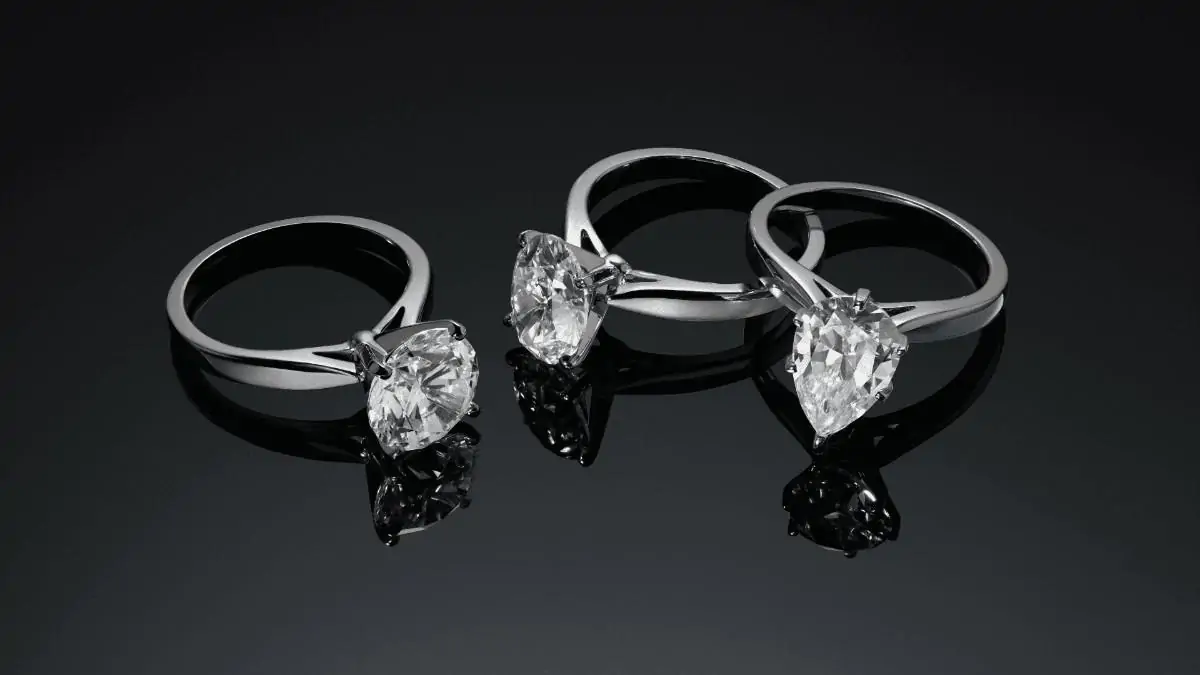
The jewelry industry continues to offer opportunities for businesses that want to launch distinctive collections, build recognizable brands, and meet changing customer preferences. Private label jewelry has become an attractive business model because it allows retailers, ecommerce entrepreneurs, wholesalers, and established fashion businesses to sell jewelry under their own brand names without establishing their own manufacturing facilities. Among the available materials, 925 sterling silver remains a popular choice because of its versatility, attractive appearance, durability with proper care, and suitability for a wide variety of jewelry designs. Working with experienced 925 Sterling Silver Jewelry Manufacturers in USA or international manufacturing partners can help private label brands turn creative concepts into market-ready collections. Jaitam Jewels understands the importance of combining appealing designs, dependable craftsmanship, and brand-specific requirements when developing jewelry collections. For businesses planning to introduce sterling silver earrings, rings, pendants, necklaces, bracelets, or customized jewelry lines, choosing the right manufacturing partner is an important step toward long-term growth. Professional manufacturers can support different stages of product development, including design assistance, material selection, sampling, production planning, finishing, and packaging coordination. By understanding how 925 Silver Jewelry Manufacturers in USA support private label businesses, brands can make more informed sourcing decisions, maintain consistent product standards, and create collections that reflect their individual market identity. What Is 925 Sterling Silver Jewelry? 925 sterling silver is an alloy containing 92.5% pure silver and 7.5% other metals, commonly copper, which helps improve the material’s strength and suitability for jewelry making. Pure silver is relatively soft for many everyday jewelry applications, so sterling silver provides a practical balance between appearance, workability, and durability. The 925 stamp is commonly used to identify sterling silver, although buyers should confirm material authenticity through appropriate supplier documentation or testing when required. For private label brands, sterling silver offers considerable creative flexibility. It can be shaped into minimalist everyday accessories, statement earrings, detailed pendants, gemstone rings, and contemporary necklaces. It can also be finished in different ways to achieve a polished, brushed, oxidized, or plated appearance, depending on the design and product specifications. This versatility allows brands to develop collections for different customer groups while maintaining a recognizable material identity. How 925 Sterling Silver Jewelry Manufacturers Support Private Label Brands 1. Customized Jewelry Design and Product Development One of the most important advantages of working with professional manufacturers is the ability to develop jewelry that reflects a brand’s unique identity. Rather than selling only generic, ready-made products, private label businesses can collaborate with manufacturing partners to create distinctive designs based on their target audience, preferred aesthetic, and pricing strategy. Manufacturers may help transform sketches, reference images, measurements, and digital concepts into technical specifications and production-ready designs. Jaitam Jewels can be positioned as a jewelry sourcing and development partner for businesses exploring sterling silver collections. A private label brand might develop geometric earrings for everyday wear, delicate silver necklaces for gifting, gemstone rings for special occasions, or coordinated jewelry sets for seasonal launches. The key is to establish clear specifications for dimensions, silver composition, stone selection, finishing, and branding before production begins. This helps create products that are more consistent with the brand’s original vision. 2. Consistent Material Quality and Craftsmanship Product quality plays a major role in customer satisfaction, repeat purchases, and brand reputation. Established manufacturers use defined production processes to help maintain consistency across multiple pieces and batches. These processes may include material verification, component inspection, soldering checks, stone-setting reviews, polishing, finishing, and final quality-control inspections. The precise procedures vary by manufacturer, so private label businesses should ask suppliers how they verify silver purity and assess finished products. The Top 925 Silver Jewelry Manufacturers in USA are often evaluated by buyers for factors such as craftsmanship, production reliability, communication, and quality-control practices. However, a supplier’s location or market reputation alone does not guarantee product quality. Brands should request samples, review relevant documentation, and establish written acceptance criteria before placing large orders. Consistent specifications help reduce avoidable differences in appearance, fit, finish, and construction across a jewelry collection. 3. Private Label Branding and Packaging Private label manufacturing enables businesses to sell jewelry under their own brand identity. Depending on the supplier’s capabilities, branding options may include engraved logos, branded tags, custom jewelry cards, product labels, gift boxes, pouches, and other packaging elements. These details help create a consistent customer experience and make the collection more recognizable across ecommerce stores, retail shelves, and gifting occasions. For example, a brand specializing in minimalist sterling silver jewelry might choose clean packaging, subtle logo placement, and coordinated product cards. A gifting-focused business may prefer presentation boxes and personalized messages. Manufacturers or sourcing partners can help coordinate these requirements, but brands should confirm minimum order quantities, setup charges, packaging availability, and production timelines in advance. Jaitam Jewels can be presented as a potential partner for businesses seeking to develop a cohesive jewelry offering with clear product and branding specifications. 4. Flexible Collections and Product Variety Private label businesses often need several product categories to serve different customer preferences. Sterling silver is suitable for a broad range of styles, including hoops, studs, drop earrings, chain necklaces, pendants, bracelets, stackable rings, and gemstone jewelry. Working with a manufacturer that supports multiple product types can make collection planning easier and help businesses maintain consistency across their product range. Rather than introducing too many designs at once, brands can begin with a focused collection based on customer demand and their available budget. A small launch might include a few everyday essentials, one or two statement pieces, and selected gifting products. Once sales data and customer feedback become available, the business can expand its assortment strategically. This approach allows private label brands to test their positioning and refine future collections without committing immediately to an unnecessarily large inventory. 5. Sampling and Prototyping Before Bulk Production Sampling allows private label brands to evaluate a jewelry design before investing in a larger production order. Manufacturers may create prototypes based on sketches, CAD drawings, measurements, or approved reference pieces. A physical sample helps… Continue reading How 925 Sterling Silver Jewelry Manufacturers Support Private Label Jewelry Brands

Category: Uncategorized
Top CVD Jewelry Trends Shaping the US Market
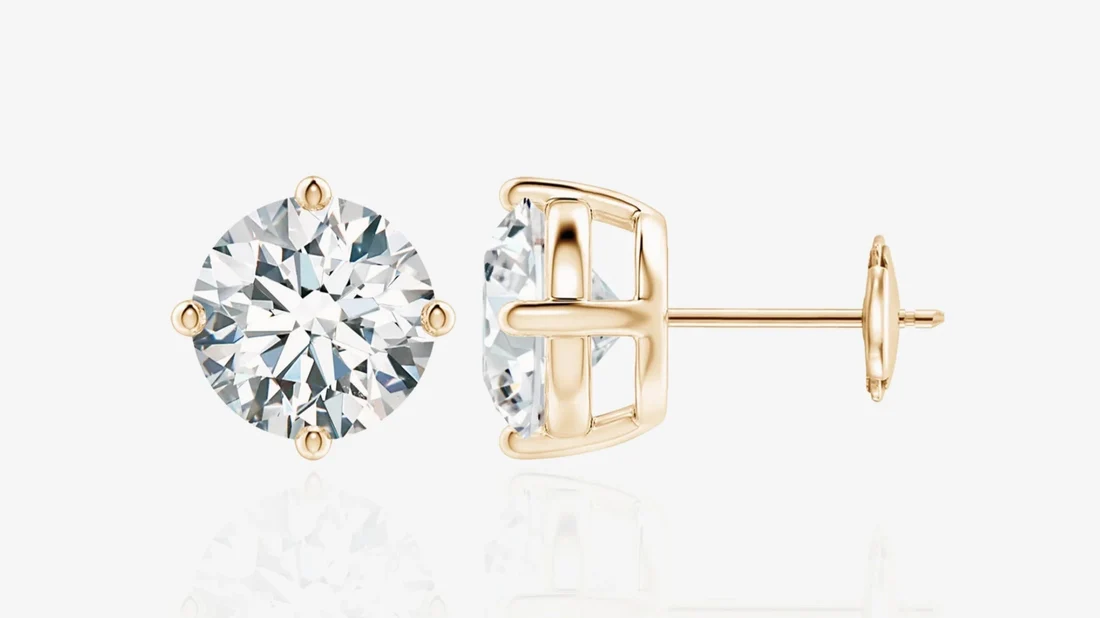
The US jewelry market is changing rapidly as buyers look for pieces that combine visual luxury, modern design, responsible sourcing, and accessible pricing. One of the most notable developments is the growing interest in CVD diamond jewelry, particularly among customers who want the brilliance and appearance of diamonds while exploring alternatives to traditionally mined stones. This shift is influencing retailers, independent jewelers, online brands, and wholesale buyers across the country. For businesses sourcing contemporary diamond jewelry, understanding changing customer preferences is essential for building collections that remain commercially relevant. From minimalist engagement rings to statement earrings and customized pieces, CVD diamonds are increasingly being incorporated into designs created for modern American consumers. For jewelry businesses searching for a Reliable CVD Jewelry Supplier in USA, product consistency, craftsmanship, customization capabilities, documentation, pricing, and dependable communication are becoming increasingly important. At Jaitam Jewels, the focus can be positioned around creating refined CVD diamond jewelry collections that support retailers, wholesalers, and jewelry brands looking for contemporary designs. Whether a buyer is exploring CVD Jewelry Supplier in USA options, developing a wholesale collection, or sourcing individual jewelry categories, understanding the trends shaping demand can help businesses make better purchasing decisions. This guide explores the major CVD jewelry trends influencing the US market and explains how businesses can use these trends when building their next collection. What Is CVD Diamond Jewelry? CVD stands for Chemical Vapor Deposition, a technology used to grow diamonds in a controlled laboratory environment. CVD diamonds have the same fundamental carbon crystal structure as diamonds formed naturally underground, although their growth process and origin are different. They can offer diamond-like optical properties, durability, and brilliance when properly cut and polished. CVD diamonds have become particularly interesting to the jewelry industry because they can be produced in different sizes, shapes, and qualities, allowing designers and manufacturers to create a wide range of jewelry. The technology has also opened opportunities for businesses that want to develop contemporary diamond collections at different price points. For US jewelry buyers, however, the stone itself is only one part of the purchasing decision. Cut quality, color, clarity, certification where applicable, metal quality, finishing, design, manufacturing standards, and supplier reliability all influence the final value of a piece. This is why choosing the right manufacturing and sourcing partner matters just as much as identifying the right trend. 1. Minimalist CVD Diamond Jewelry Is Becoming More Important Minimalism continues to influence fashion, interiors, accessories, and jewelry. In the US market, many consumers are attracted to jewelry that can be worn every day rather than pieces reserved for special occasions. This creates an opportunity for brands to introduce understated CVD diamond designs that provide elegance without excessive detailing. Thin diamond bands, solitaire rings, small hoop earrings, delicate pendants, tennis bracelets, and fine stacking rings can fit naturally into everyday wardrobes. Their versatility makes them particularly useful for jewelry retailers because one product can appeal to customers purchasing for birthdays, anniversaries, engagements, professional occasions, or personal styling. For a CVD Jewelry Supplier in USA, understanding this preference means developing collections that include both classic and contemporary minimalist styles. A reliable supplier should also be capable of maintaining consistency across repeated production orders, because retailers often need the same design in multiple sizes, diamond specifications, and metal options. Jaitam Jewels can position its product range around clean silhouettes, refined settings, and versatile designs that allow retailers to build everyday CVD jewelry collections rather than relying exclusively on elaborate statement pieces. 2. CVD Diamond Engagement Rings Are Gaining Attention Engagement rings remain one of the most important categories in the US diamond jewelry market, and changing consumer preferences are creating more room for laboratory-grown diamond options. Customers increasingly research diamond origin, appearance, size, design, and price before making a purchase. CVD diamonds can be incorporated into traditional solitaire engagement rings as well as modern halo, three-stone, oval, pear, emerald-cut, cushion-cut, and elongated designs. The growing popularity of distinctive silhouettes also means retailers can differentiate their collections through design rather than relying solely on stone size. For wholesale buyers, this trend creates an opportunity to develop engagement-ring collections around several design families. A collection could include classic solitaires for traditional customers, hidden-halo designs for customers seeking additional detail, and contemporary asymmetric or bezel-set rings for shoppers with modern tastes. A dependable supplier should be able to discuss stone specifications, ring dimensions, metal choices, setting construction, production requirements, and customization before an order is finalized. These details are particularly important when sourcing CVD Diamond Jewelry Wholesale in USA because consistency across multiple pieces can directly affect customer satisfaction and retailer reputation. 3. Oval and Elongated Diamond Shapes Continue to Influence Design Diamond shape plays a major role in jewelry design because it changes the visual character of a piece. Oval diamonds have remained popular because their elongated appearance can create an elegant look while offering a distinctive alternative to traditional round stones. Other elongated shapes, including pear and marquise, can also provide strong visual appeal. Emerald and radiant cuts offer a different aesthetic, with clean lines and a sophisticated geometric appearance. For jewelry brands, offering several shapes creates greater merchandising flexibility. Instead of selling one generic solitaire design, retailers can present a collection that allows customers to choose a silhouette that matches their personality. CVD jewelry manufacturers can support this trend by developing designs specifically around each diamond shape. A setting should not simply be treated as interchangeable between cuts; proportions, prongs, orientation, and surrounding details can significantly influence the finished appearance. 4. Personalized CVD Jewelry Is Creating New Opportunities Personalization is another important trend shaping modern jewelry purchasing. Customers increasingly want pieces that feel connected to their individual identity, relationships, memories, or milestones. Personalized CVD jewelry can include initials, names, birth-inspired motifs, meaningful dates, custom engraving, customized stone arrangements, and bespoke ring designs. For retailers, personalization can also create opportunities to offer higher-value products without completely changing their core collection. Wholesale buyers can work with manufacturers to create standardized customization options. For example,… Continue reading Top CVD Jewelry Trends Shaping the US Market
Top CVD Jewelry Trends in the USA: What Buyers Should Know
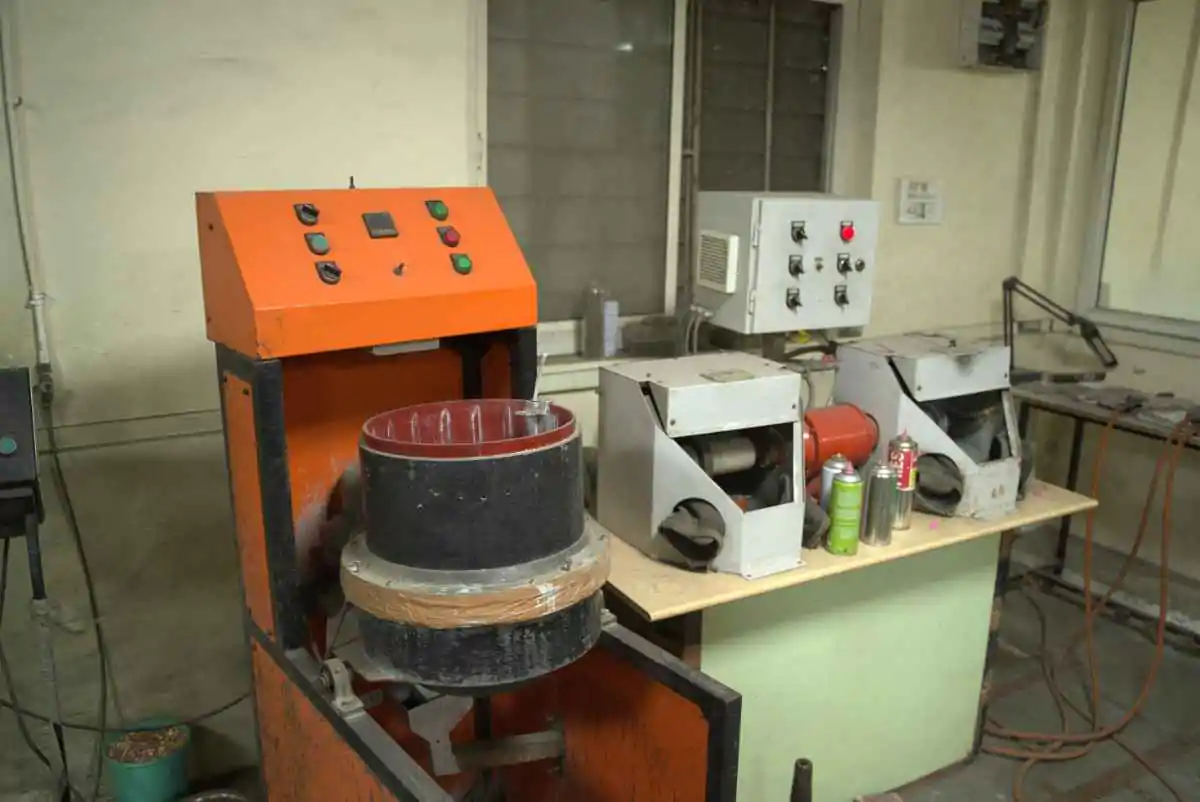
The jewellery market in the USA continues to evolve as buyers become more interested in designs that combine visual appeal, modern technology, quality, and value. Among the options gaining attention, CVD diamond jewellery has become an important part of the conversation around contemporary diamond buying. CVD, or Chemical Vapour Deposition, is a laboratory-based diamond-growing technology that produces diamonds with the same basic carbon crystal structure as natural diamonds. As awareness of laboratory-grown diamonds increases, consumers are also becoming more interested in how these stones are produced, how their quality is evaluated, and how they can be incorporated into modern jewellery designs. This has contributed to growing interest in CVD Jewelry USA, including engagement rings, earrings, pendants, bracelets, and other diamond jewellery styles. For buyers exploring the Top CVD Jewelry in USA, understanding current design trends is just as important as understanding diamond quality. Jewellery is a personal purchase, and the best choice depends on factors such as diamond shape, cut quality, setting, metal, proportions, lifestyle, personal taste, and budget. At Jaitam Jewels, the focus can be placed on combining thoughtful jewellery design with careful attention to stone selection and craftsmanship. Whether someone is considering CVD diamond jewellery for an engagement, anniversary, celebration, or everyday wear, an informed buying process can help them choose a piece that suits both their style and practical needs. Rather than following trends blindly, buyers should understand why particular designs are becoming popular and how those trends can fit into their individual jewellery preferences. What Is CVD Jewelry? CVD jewelry refers to jewellery that incorporates diamonds grown using Chemical Vapour Deposition technology. In a CVD process, carbon-containing gases are used under controlled laboratory conditions to grow diamond material layer by layer on a diamond substrate. The resulting material is a diamond with the same fundamental crystal structure as diamond formed naturally underground. The important point for consumers is that CVD is a growth method, not a jewellery style. The final appearance of a CVD diamond depends on factors such as its cut, colour, clarity, carat weight, and overall craftsmanship. These characteristics influence how the diamond interacts with light and how it looks once placed into a jewellery setting. This means buyers should evaluate the individual diamond and finished jewellery piece rather than assuming that all CVD diamonds have identical characteristics. Why CVD Jewelry Is Attracting Attention in the USA One of the main reasons consumers are showing interest in CVD Jewelry USA is the growing awareness of laboratory-grown diamonds. Modern jewellery buyers increasingly research products before making significant purchases, comparing materials, designs, certifications, quality characteristics, and pricing. CVD diamonds provide another option for people who want diamond jewellery while considering laboratory-grown stones. For many buyers, the attraction is not simply about price. They may also appreciate the technology behind laboratory diamond production and the opportunity to select from a broad range of diamond shapes and jewellery designs. The growing popularity of online jewellery research has also made it easier for consumers to compare different styles before visiting or purchasing from a jeweller. This has encouraged brands to provide more detailed information about their products and diamond characteristics. Minimalist Diamond Rings Minimalist jewellery continues to appeal to buyers who prefer refined designs rather than heavily decorated pieces. Simple CVD diamond rings can feature a central stone with a clean setting and minimal additional detailing. This style works particularly well for people who want jewellery that can be worn regularly. A simple ring can complement different outfits and occasions without becoming visually overwhelming. Minimalism also places greater attention on the centre diamond. Because the setting is relatively understated, the quality and proportions of the stone become important parts of the overall appearance. For buyers exploring CVD Diamond Rings USA, minimalist designs can therefore provide a timeless starting point. Solitaire Engagement Rings Solitaire engagement rings remain a classic choice, and CVD diamonds can be incorporated into this traditional design in numerous ways. The solitaire format places emphasis on a single centre stone, making the diamond shape and setting particularly important. Round, oval, pear, emerald, cushion, and princess-style shapes can each create a different visual impression. The choice should depend on personal preference rather than simply following a popular trend. A solitaire setting can also make it easier to pair the engagement ring with a wedding band. Buyers should consider this when selecting the ring because the shape and height of the setting can influence how comfortably another band sits alongside it. Oval-Cut CVD Diamond Rings Oval diamonds have become a popular choice for contemporary engagement jewellery because their elongated shape can create an elegant visual effect. An oval CVD diamond ring can combine traditional diamond appeal with a slightly more distinctive appearance than a classic round design. When choosing an oval diamond, buyers should pay attention to the stone’s proportions, symmetry, cut quality, and overall appearance. Length-to-width preferences can vary significantly, so viewing different examples can help buyers understand which shape best suits their taste. Halo Designs Halo jewellery designs feature smaller diamonds surrounding a central stone. This arrangement can create additional sparkle and visual impact while framing the centre diamond. Halo settings are available in many styles, from traditional circular designs to more contemporary arrangements. They can be particularly suitable for buyers who want an engagement ring with a more decorative appearance. However, the surrounding diamonds should complement rather than distract from the central stone. Proportion is therefore an important design consideration. Three-Stone Rings Three-stone rings are another meaningful option for engagement and anniversary jewellery. The three stones are often associated with different stages or dimensions of a relationship, although buyers can assign their own personal meaning to the design. CVD diamonds can be used for the centre stone, side stones, or both, depending on the design. Three-stone rings can also provide an opportunity to combine different diamond shapes. A central oval or round diamond paired with smaller side stones can create a balanced and sophisticated appearance. Fancy-Shaped Diamonds Buyers are increasingly exploring diamond shapes beyond the… Continue reading Top CVD Jewelry Trends in the USA: What Buyers Should Know
Can Broken Silver Jewellery Be Recycled? A Complete Guide to Recycling of Silver Jewellery in USA
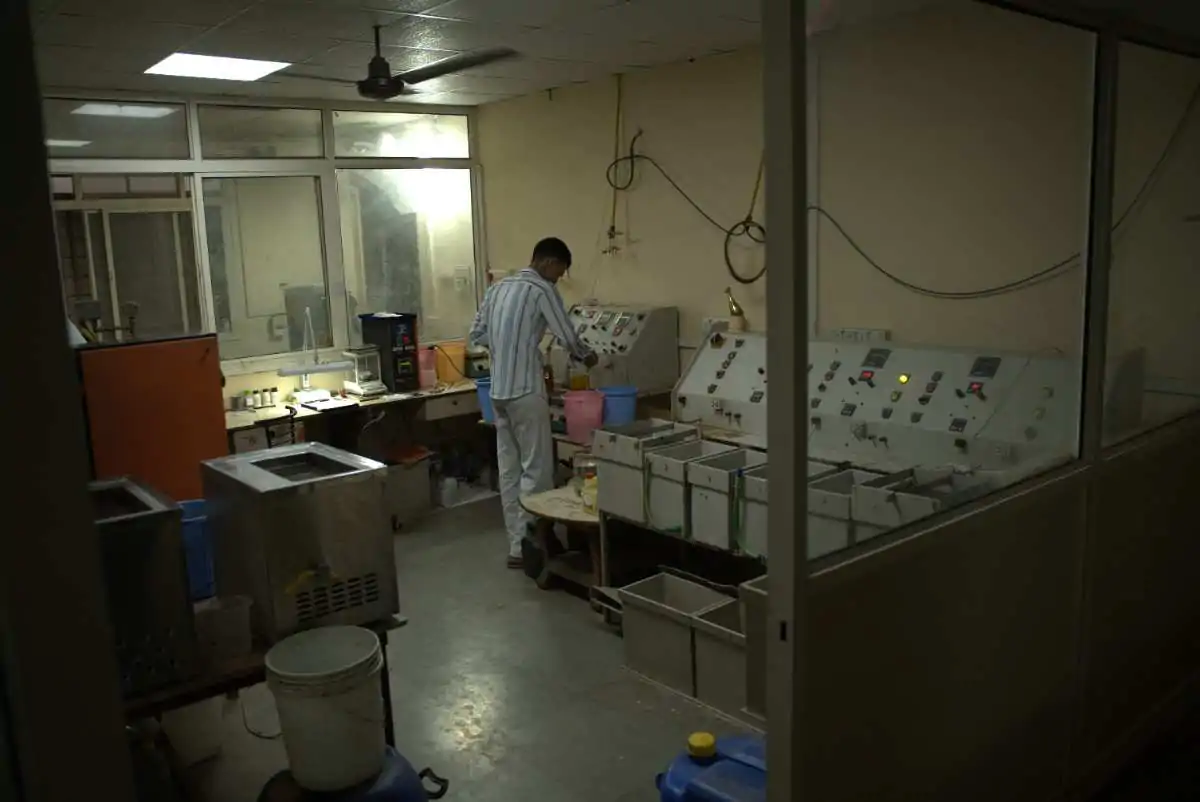
Silver jewellery often carries sentimental value, whether it is a cherished family heirloom, a memorable gift, or a favorite accessory worn for years. Over time, however, rings may bend, chains may snap, earrings may lose their pairs, and bracelets can become damaged beyond everyday use. Many people assume that broken silver jewellery has no value once it can no longer be worn, but this is far from the truth. In reality, silver is one of the most recyclable precious metals in the world, making it possible for damaged or unwanted pieces to be transformed into beautiful new creations. The Recycling of Silver Jewellery in USA has become an important part of the modern jewellery industry, helping reduce waste while preserving the value of this timeless precious metal. Consumers today are becoming more conscious about where their jewellery comes from and how it is produced. As a result, Recycled Silver Jewellery USA has gained tremendous popularity among shoppers looking for quality, craftsmanship, and responsible sourcing. At Jaitam Jewels, we believe that every piece of silver deserves a second life. Whether it is an old necklace, a broken bracelet, or a worn-out ring, recycled silver can be refined, purified, and handcrafted into elegant jewellery that maintains the same brilliance and durability as newly mined silver. This guide explains everything you need to know about recycling silver jewellery, how the process works, and why choosing Recycled Sterling Silver Jewellery USA is an excellent decision for modern jewellery lovers. Can Broken Silver Jewellery Be Recycled? The simple answer is yes. Almost every type of silver jewellery can be recycled, regardless of its condition. Broken chains, bent rings, scratched bangles, damaged pendants, and even mismatched earrings contain valuable silver that can be recovered and refined. Silver does not lose its quality during recycling. Unlike many other materials, precious metals can be melted and refined repeatedly without affecting their purity or performance. This means that an old silver bracelet can eventually become a beautiful new necklace, while a damaged ring may be transformed into an elegant pair of earrings. This remarkable ability makes Silver Jewellery Recycling USA one of the most sustainable practices within the jewellery industry. At Jaitam Jewels, every handcrafted silver piece reflects exceptional artistry, timeless design, and superior craftsmanship. By embracing recycled silver, we continue the tradition of creating premium jewellery while making better use of valuable precious metals that already exist. Why Silver Is One of the Most Recyclable Precious Metals Silver has been treasured for thousands of years because of its beauty, durability, and versatility. One of its greatest advantages is that it can be recycled almost endlessly without losing its physical or chemical properties. Unlike materials that degrade after repeated processing, silver maintains its original characteristics after refining. This makes recycled silver virtually identical to newly mined silver in terms of purity, strength, shine, and durability. For consumers purchasing Recycled Sterling Silver Jewellery USA, this means they receive jewellery that offers the same luxurious appearance and lasting quality while making better use of existing silver resources. The growing popularity of Sustainable Silver Jewellery USA reflects changing consumer preferences toward thoughtful purchasing decisions without sacrificing style or quality. Understanding the Recycling Process of Silver Jewellery The recycling journey begins with collecting unwanted, broken, or outdated silver jewellery from individuals, retailers, manufacturers, and workshops. Each item is carefully sorted to separate sterling silver from other metals. Once sorted, the jewellery is cleaned to remove stones, clasps, coatings, or other non-silver components. The silver is then melted at extremely high temperatures before undergoing an advanced refining process that removes impurities. The purified silver is tested to ensure it meets industry standards for sterling silver purity. Finally, the refined silver is transformed into sheets, wires, or casting grains that skilled artisans use to create entirely new jewellery designs. This complete Recycling of Silver Jewellery in USA process ensures that recycled silver achieves the same premium quality expected from newly sourced silver. Types of Silver Jewellery That Can Be Recycled Many people are surprised by how many items qualify for recycling. Nearly every silver accessory can be given a second life. Examples include damaged rings, broken chains, worn bracelets, tarnished bangles, old pendants, anklets, lockets, charms, toe rings, earrings missing their pairs, antique silver pieces, inherited jewellery, outdated fashion jewellery made from sterling silver, and even manufacturing scrap from jewellery workshops. Even heavily scratched or bent jewellery usually contains valuable silver that can be recovered through professional refining. This is why Silver Jewellery Recycling USA continues to grow as consumers recognize the hidden value of jewellery they no longer wear. Why Consumers Are Choosing Recycled Silver Jewellery USA Today’s jewellery buyers want products that combine elegance with responsible craftsmanship. Recycled silver perfectly meets these expectations. Choosing Recycled Silver Jewellery USA allows customers to enjoy beautifully crafted jewellery while supporting efficient use of valuable precious metals already in circulation. Modern refining technology ensures recycled silver matches newly mined silver in appearance, strength, and durability. As a result, buyers receive premium jewellery without compromising on quality. At Jaitam Jewels, every handcrafted collection is designed with timeless elegance, allowing customers to invest in jewellery that remains stylish for years while benefiting from expertly refined sterling silver. The Beauty of Recycled Sterling Silver Jewellery USA Many people mistakenly believe recycled jewellery looks old or previously worn. In reality, once silver has been refined, it becomes chemically identical to newly produced silver. Professional polishing, casting, engraving, and finishing techniques ensure every piece looks completely new. Whether you prefer minimalist rings, statement necklaces, handcrafted earrings, elegant bangles, or everyday silver accessories, Recycled Sterling Silver Jewellery USA offers exceptional beauty and lasting value. Customers shopping with Jaitam Jewels can confidently choose recycled sterling silver jewellery knowing each design reflects outstanding craftsmanship, premium materials, and timeless sophistication. Environmental Benefits of Recycling Silver Jewellery The growing awareness of responsible consumption has encouraged more people to explore jewellery that makes better use of existing resources. The Recycling of Silver Jewellery in USA helps extend… Continue reading Can Broken Silver Jewellery Be Recycled? A Complete Guide to Recycling of Silver Jewellery in USA
How to Find Trusted Wholesale 925 Silver Jewellery Suppliers in USA
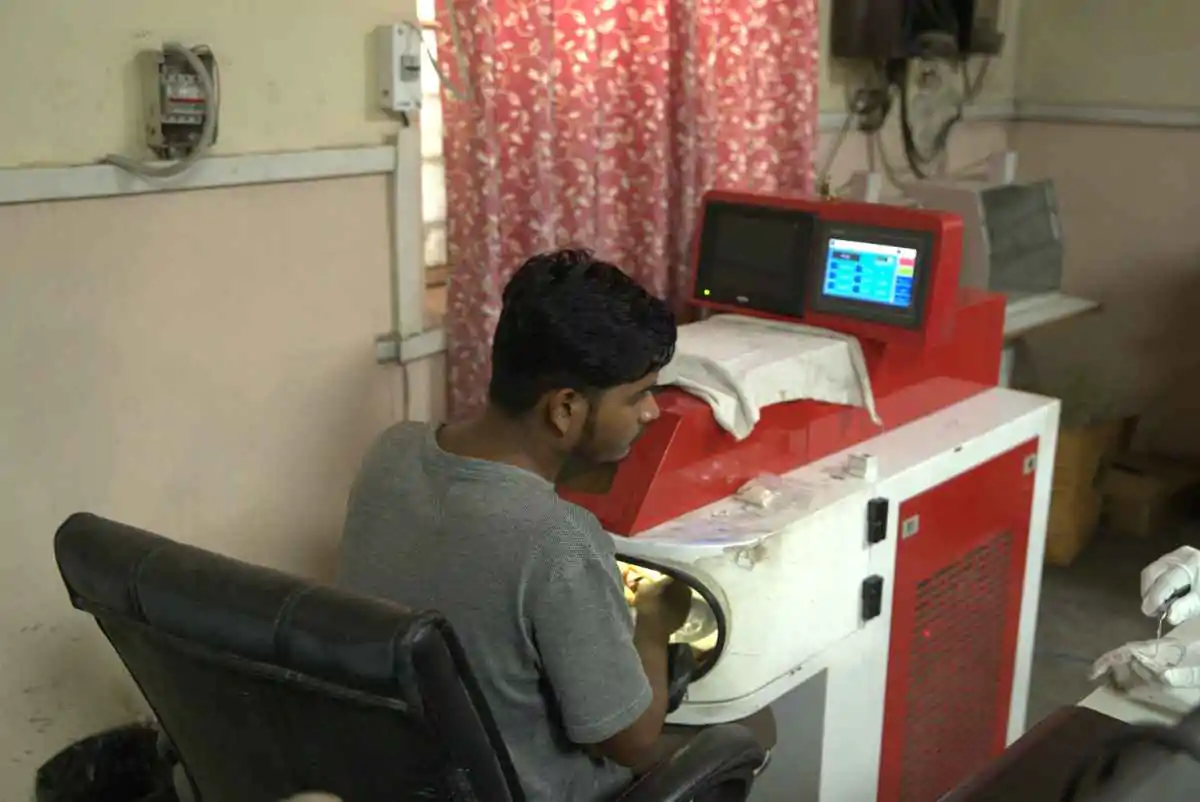
The demand for premium sterling silver jewellery continues to grow across the United States as consumers increasingly look for elegant, affordable, and long-lasting jewellery. From independent jewellery boutiques and online stores to large retail chains, businesses are searching for 925 Silver Jewellery Suppliers in USA that can consistently deliver high-quality collections, competitive wholesale pricing, and modern designs. Choosing the right supplier is not only about finding attractive products-it is also about building a reliable business partnership that supports long-term growth. Whether you are starting a jewellery business, expanding your product catalogue, or looking for a dependable wholesale partner, selecting experienced Silver Jewellery Suppliers in USA is one of the most important decisions you will make. A trusted supplier helps maintain product quality, ensures timely deliveries, and provides collections that match changing market trends. Jaitam Jewels is committed to offering beautifully crafted 925 sterling silver jewellery with exceptional workmanship, making it an ideal partner for retailers, distributors, and jewellery brands worldwide. Why 925 Sterling Silver Jewellery Continues to Grow in Popularity 925 sterling silver has earned a strong reputation for combining luxury with affordability. It consists of 92.5% pure silver and 7.5% alloy metals that improve strength and durability while preserving silver’s brilliant shine. Because of its premium appearance and lasting quality, sterling silver has become one of the most preferred materials for everyday jewellery and fine fashion accessories. Customers appreciate sterling silver because it complements every outfit, suits every age group, and offers excellent value compared to precious metals such as gold or platinum. This consistent consumer demand creates significant opportunities for retailers working with experienced Wholesale 925 Silver Jewellery Suppliers in USA. Why Choosing the Right Supplier Matters A jewellery supplier directly influences your business reputation. Customers expect beautiful craftsmanship, accurate product descriptions, secure packaging, and timely delivery. Even one poor-quality shipment can affect customer trust. Reliable 925 Silver Jewellery Suppliers in USA help retailers by providing: Consistent product quality Competitive wholesale pricing Trend-focused collections Fast order processing Professional customer support Secure international shipping Product authenticity Working with a dependable supplier allows your business to focus on marketing, customer service, and growth instead of worrying about inventory quality. Understand What Makes a Trusted Wholesale Supplier Not every jewellery supplier offers the same level of quality or service. Before placing a wholesale order, evaluate several important factors that distinguish reliable suppliers from average vendors. A trustworthy supplier maintains consistent quality standards, provides genuine sterling silver jewellery, shares transparent business policies, offers clear communication, and demonstrates years of experience within the jewellery industry. Businesses that openly display certifications, product specifications, and customer testimonials generally establish greater confidence among buyers. Experienced Silver Jewellery Suppliers in USA also understand current fashion trends and regularly introduce fresh collections to meet changing customer preferences. Verify the Authenticity of 925 Sterling Silver Authenticity should always be your first priority. Every genuine sterling silver product should meet recognised quality standards. Authentic jewellery is generally stamped with the “925” hallmark, indicating that it contains 92.5% pure silver. When working with 925 Silver Jewellery Manufacturers in USA or international manufacturers, always request detailed product specifications and enquire about quality control procedures. Reliable suppliers willingly provide information regarding: Metal purity Manufacturing standards Stone quality Surface finishing Anti-tarnish treatment Packaging options These details help retailers confidently sell authentic sterling silver jewellery to their customers. Look for Industry Experience Experience plays a significant role in the jewellery business. Suppliers with many years of manufacturing and wholesale expertise usually understand international quality expectations, shipping requirements, and changing fashion trends much better than newly established businesses. An experienced supplier can also recommend bestselling collections based on market demand and seasonal purchasing patterns. At Jaitam Jewels, years of experience in crafting premium sterling silver jewellery enable us to offer collections that combine traditional craftsmanship with modern design trends. Review the Product Catalogue Carefully A strong wholesale supplier should offer extensive product variety. Retailers often prefer working with one supplier capable of fulfilling multiple jewellery categories rather than managing several vendors. An ideal catalogue includes: Sterling silver rings Earrings Necklaces Pendants Bracelets Bangles Chains Anklets Fashion jewellery Designer collections Minimalist jewellery Statement pieces Birthstone jewellery Everyday wear Bridal collections At Jaitam Jewels, we continuously expand our jewellery catalogue to help retailers satisfy diverse customer preferences. Evaluate Product Quality Before Bulk Orders Professional retailers never place large wholesale orders without evaluating samples. Ordering sample products allows buyers to inspect: Finishing Shine Weight Stone setting Clasp quality Comfort Durability Packaging Testing product quality before placing a large order significantly reduces business risks. Trusted Wholesale 925 Silver Jewellery Suppliers in USA usually welcome sample requests because they are confident in their craftsmanship. Compare Wholesale Pricing Carefully Price should never be the only factor influencing supplier selection. Extremely low pricing sometimes indicates poor workmanship or inferior materials. Instead of selecting the cheapest supplier, compare overall value by considering: Product quality Design uniqueness Packaging Customer support Shipping costs Warranty Return policy Production capability The right supplier offers a healthy balance between affordability and premium quality. Understand Manufacturing Capacity Retail businesses often experience seasonal demand during holidays, wedding seasons, and festivals. Your supplier should have the production capacity to fulfil increasing order volumes without compromising quality. Professional 925 Silver Jewellery Manufacturers in USA and established global manufacturers maintain efficient production systems that support both small businesses and large retailers. Ask About Custom Jewellery Manufacturing Modern retailers increasingly launch private-label jewellery collections. Choosing a supplier that offers custom manufacturing allows businesses to build unique product ranges unavailable from competitors. Custom manufacturing services may include: Custom designs Private labelling Logo engraving Exclusive collections Personalised packaging OEM manufacturing At Jaitam Jewels, we help businesses create distinctive sterling silver jewellery collections that strengthen their brand identity. Examine Shipping and Logistics Reliable delivery is essential for wholesale businesses. Before selecting Silver Jewellery Suppliers in USA, enquire about: Shipping partners Delivery timelines International shipping Tracking systems Insurance Packaging protection Professional logistics minimise delays and reduce the possibility of damaged shipments. Read Customer Reviews Customer feedback provides valuable… Continue reading How to Find Trusted Wholesale 925 Silver Jewellery Suppliers in USA
Everything You Need to Know About Recycling of Silver and Gold
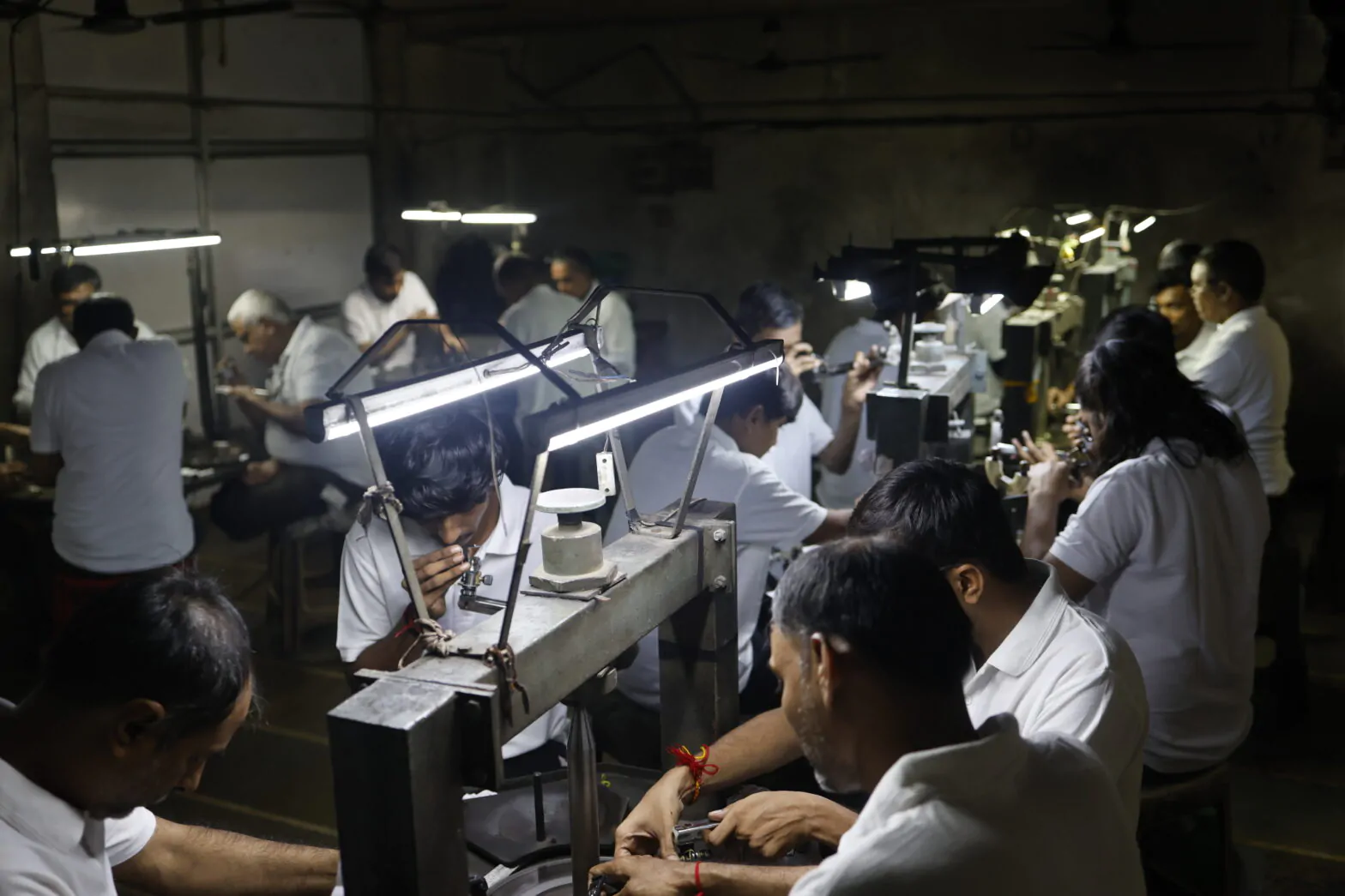
The jewelry industry is evolving rapidly as customers become more conscious about sustainability, ethical sourcing, and environmental responsibility. Today, buyers are no longer interested only in beautiful ornaments; they also want to understand where their jewelry comes from and how it impacts the planet. This growing awareness has made Recycling of Silver and Gold one of the most important topics in the jewelry industry. Instead of depending entirely on newly mined precious metals, many jewelry manufacturers and designers are choosing recycled precious metals to create elegant and timeless collections that are both luxurious and environmentally responsible. At Jaitam Jewels, we believe that fine jewelry should reflect not only exceptional craftsmanship but also responsible practices that preserve natural resources for future generations. Through the use of Recycled Gold Jewelry and Recycled Silver Jewelry, customers can enjoy premium-quality ornaments while contributing to a more sustainable future. Understanding the importance of Precious Metal Recycling helps consumers make informed purchasing decisions that combine elegance, value, and environmental consciousness. This guide explains everything you need to know about the recycling process, its benefits, and why sustainable jewelry is becoming the preferred choice worldwide. Understanding the Recycling of Silver and Gold The Recycling of Silver and Gold is the process of recovering precious metals from old jewelry, industrial materials, electronic components, coins, and other valuable sources. Instead of extracting fresh metals through mining, these existing metals are refined, purified, and transformed into high-quality raw materials suitable for manufacturing new jewelry. Since gold and silver do not lose their natural properties during recycling, they can be reused repeatedly without compromising their purity, durability, or beauty. Modern refining technology allows recycled precious metals to achieve the same standards as newly mined metals. Professional refiners use advanced purification methods to separate impurities and restore gold and silver to investment-grade quality. This means that customers purchasing recycled jewelry receive products that are visually identical and equally valuable compared to jewelry made from newly mined metals. Why Recycling Precious Metals Matters Mining precious metals requires significant land excavation, water consumption, and energy usage. Large-scale mining activities may also affect ecosystems and contribute to environmental pollution. Choosing Precious Metal Recycling helps reduce these environmental challenges by making better use of existing resources already available in circulation. Every recycled gram of gold or silver reduces the need for additional mining activities. This conservation of natural resources benefits forests, rivers, wildlife habitats, and surrounding communities while lowering the carbon footprint associated with metal production. As environmental awareness grows, recycled jewelry has become an important part of responsible luxury. The Growing Demand for Sustainable Jewelry Consumers today are increasingly choosing brands that align with their personal values. Sustainability has become one of the strongest purchasing factors in the luxury goods market. Sustainable Jewelry combines exceptional craftsmanship with ethical sourcing, responsible manufacturing, and environmentally friendly practices. Jewelry buyers appreciate knowing that their beautiful accessories contribute to reducing waste and protecting natural resources. Rather than viewing sustainability as a compromise, modern consumers see it as an enhancement that adds deeper meaning to every purchase. Luxury and environmental responsibility now work together to create jewelry that customers can wear with pride. How Gold is Recycled Gold recycling begins by collecting old jewelry, broken ornaments, unused coins, industrial scraps, and electronic waste containing gold. These materials are carefully sorted according to purity levels before entering the refining process. The collected gold is melted at extremely high temperatures until it becomes liquid. During refining, impurities such as copper, nickel, zinc, and other alloy metals are separated using advanced chemical and electrochemical processes. Once purified, the refined gold achieves exceptional purity levels and is converted into bars or granules ready for manufacturing new jewelry. The remarkable property of gold is that it can be recycled indefinitely without losing its quality. Whether the gold originally came from an antique necklace or an outdated ring, it can become part of a stunning modern jewelry collection after proper refining. How Silver Recycling Works Silver follows a similar recycling process. Old silver ornaments, decorative items, industrial silver, silverware, and electronic components are collected for refinement. These materials undergo cleaning, melting, purification, and quality testing before being transformed into fresh silver suitable for jewelry manufacturing. The resulting Recycled Silver Jewelry maintains identical appearance, strength, brilliance, and purity compared to jewelry made using newly mined silver. Most customers cannot distinguish between recycled and newly mined silver because their physical characteristics remain exactly the same. Quality of Recycled Gold Jewelry Many people mistakenly assume that recycled jewelry is somehow inferior. In reality, Recycled Gold Jewelry offers exactly the same quality, durability, shine, and investment value as jewelry produced from newly mined gold. Once refined, pure gold retains all of its original characteristics regardless of its previous use. Professional jewelers perform strict purity testing before manufacturing each piece. Whether creating rings, necklaces, earrings, bangles, or bridal collections, recycled gold meets the same international standards used throughout the jewelry industry. For customers, this means enjoying luxurious craftsmanship without sacrificing quality or appearance. The only difference lies in the positive environmental impact created through responsible sourcing. Benefits of Choosing Recycled Silver Jewelry Selecting Recycled Silver Jewelry offers numerous advantages for environmentally conscious buyers. Recycled silver reduces mining activities while maintaining excellent craftsmanship and timeless beauty. Customers receive premium jewelry with the same elegant finish, intricate detailing, and long-lasting durability expected from fine silver products. Silver has always been admired for its versatility, affordability, and brilliant shine. Recycling simply makes this precious metal even more valuable by extending its lifecycle and reducing unnecessary waste. Whether purchasing daily wear jewelry or special occasion accessories, recycled silver provides both style and sustainability. Precious Metal Recycling Supports Circular Economy One of the greatest advantages of Precious Metal Recycling is its contribution to the circular economy. Instead of following the traditional pattern of extracting, manufacturing, using, and discarding materials, recycling keeps valuable metals circulating within the economy for decades. Gold and silver can move through multiple generations of jewelry without ever losing their essential properties.… Continue reading Everything You Need to Know About Recycling of Silver and Gold
Benefits of Choosing USA-Based 925 Silver Jewelry Manufacturers
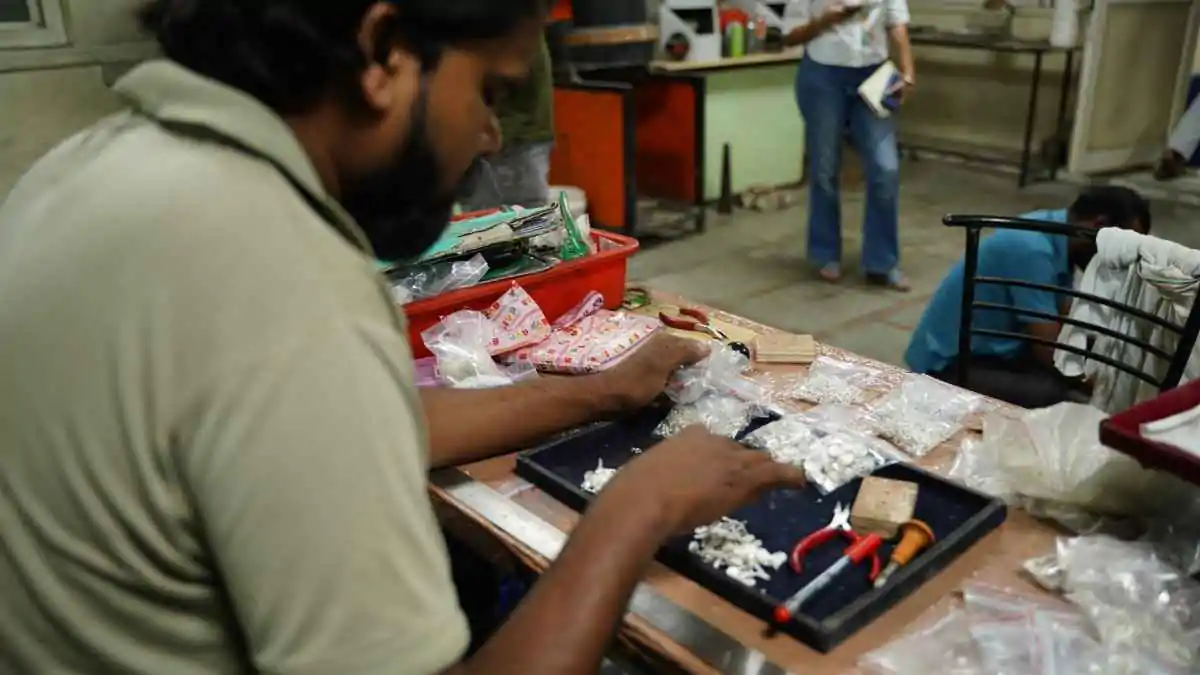
The global jewelry industry continues to grow as consumers seek high-quality pieces that combine elegance, durability, and craftsmanship. Among the various jewelry materials available today, sterling silver remains one of the most popular choices due to its timeless beauty and versatility. Businesses, retailers, and jewelry brands looking to source premium silver products often prioritize working with reliable 925 Silver Jewelry Manufacturers in USA because of their commitment to quality standards, advanced production techniques, and strong industry reputation. Whether for fashion collections, bridal jewelry, or everyday accessories, USA-based manufacturers play an important role in delivering products that meet modern market expectations. At Jaitam Jewels, we understand the importance of selecting trusted manufacturing partners when building a successful jewelry business. Choosing experienced 925 Sterling Silver Jewelry Manufacturers in USA offers several advantages, including superior craftsmanship, consistent quality control, ethical production standards, and efficient communication. As demand for premium silver jewelry continues to increase, businesses are recognizing the value of partnering with manufacturers who can deliver exceptional products while supporting long-term growth and customer satisfaction. Understanding 925 Sterling Silver Jewelry Before exploring the benefits of working with USA-based manufacturers, it is important to understand what makes sterling silver such a preferred jewelry material. 925 Sterling Silver Jewelry in USA consists of 92.5% pure silver combined with 7.5% other metals, typically copper. This composition enhances durability while maintaining the beautiful appearance associated with silver. Pure silver is naturally soft and may not be suitable for everyday jewelry applications. The addition of alloy metals strengthens the material, making it ideal for rings, necklaces, earrings, bracelets, pendants, and other jewelry pieces. This combination of durability and elegance has made sterling silver one of the most sought-after materials in the jewelry industry. Why USA-Based Jewelry Manufacturing Is Highly Respected The United States has long been recognized as a center for quality manufacturing across various industries, including jewelry production. Many 925 Silver Jewelry Manufacturers in USA invest heavily in modern technology, skilled artisans, and rigorous quality control systems. These investments allow them to produce jewelry that meets both domestic and international standards. USA-based manufacturers are known for maintaining high levels of consistency throughout the production process. Their focus on craftsmanship and precision helps ensure that every jewelry piece reflects exceptional quality. For retailers and wholesalers, this reliability translates into greater confidence when sourcing products for customers. Superior Quality Standards One of the most significant advantages of working with 925 Sterling Silver Jewelry Manufacturers in USA is their commitment to quality. Reputable manufacturers implement strict inspection procedures at every stage of production, from material sourcing to final finishing. These quality standards help ensure that silver purity levels are maintained and that finished products meet established industry requirements. Consistent quality reduces the likelihood of defects and enhances customer satisfaction, making it easier for businesses to build strong reputations within competitive markets. Benefits of High Manufacturing Standards Consistent product quality. Superior finishing and craftsmanship. Enhanced durability and reliability. Greater customer confidence. Access to Skilled Craftsmanship Jewelry production requires a combination of artistic creativity and technical expertise. Many 925 Silver Jewelry in USA manufacturers employ highly skilled artisans who possess extensive experience in silver jewelry design and production. These professionals understand the intricacies of working with sterling silver and are capable of producing detailed, elegant pieces that appeal to modern consumers. Their expertise contributes to the creation of jewelry that stands out for its beauty, precision, and overall quality. Advanced Manufacturing Technology Modern jewelry production increasingly relies on advanced technology to achieve accuracy and efficiency. Many 925 Sterling Silver Jewelry Manufacturers in USA utilize state-of-the-art equipment, including computer-aided design systems, precision casting technology, laser engraving, and sophisticated finishing techniques. These technologies help manufacturers produce consistent results while maintaining high standards of craftsmanship. Advanced manufacturing capabilities also support complex designs and customization options, allowing businesses to offer unique jewelry collections that meet evolving consumer preferences. Better Quality Control Processes Quality control is essential in jewelry manufacturing because even minor imperfections can affect customer satisfaction. USA-based manufacturers often implement comprehensive quality assurance procedures to monitor every aspect of production. From inspecting raw materials to evaluating finished products, these processes help ensure that jewelry meets strict performance and aesthetic standards. Effective quality control minimizes errors and contributes to a more reliable supply chain. Strong Industry Reputation The reputation of Best 925 Silver Jewelry Suppliers in USA is built on years of experience, professionalism, and customer trust. Many manufacturers have established long-standing relationships with retailers, wholesalers, and jewelry brands around the world. This reputation provides buyers with added confidence when selecting manufacturing partners. Working with respected suppliers helps businesses strengthen their own credibility while ensuring access to dependable products and services. Reliable Communication and Customer Support Effective communication is crucial when managing jewelry production, especially for businesses placing large orders or developing custom collections. USA-based manufacturers are often recognized for their professional communication practices and customer-focused approach. Clear communication helps reduce misunderstandings while improving project coordination. Businesses benefit from timely updates, responsive support, and greater transparency throughout the manufacturing process. These factors contribute to smoother operations and more successful partnerships. Advantages of Professional Communication Faster response times. Better project coordination. Increased transparency. Improved customer experience. Custom Jewelry Manufacturing Opportunities Customization has become an important trend within the jewelry industry. Consumers increasingly seek unique pieces that reflect personal style and individuality. Many 925 Silver Jewelry Manufacturers in USA offer custom manufacturing services that allow businesses to create exclusive collections. Custom production may include personalized designs, proprietary branding, unique gemstone settings, specialized finishes, and tailored packaging solutions. These capabilities enable retailers to differentiate themselves while offering products that stand out in competitive markets. Faster Turnaround Times Timely product availability is critical for maintaining customer satisfaction and meeting market demand. USA-based manufacturers often provide efficient production schedules that help businesses manage inventory more effectively. Shorter turnaround times can be particularly valuable during seasonal sales periods, product launches, and promotional campaigns. Faster production and delivery contribute to improved operational efficiency and better overall business performance. Consistent Product Availability Supply… Continue reading Benefits of Choosing USA-Based 925 Silver Jewelry Manufacturers
Where to Buy 925 Silver Jewelry in Bulk in the USA
The demand for 925 silver jewelry has grown rapidly in recent years, especially in the United States where customers are constantly looking for stylish yet affordable accessories. Sterling silver jewelry strikes the perfect balance between luxury and everyday wear, making it one of the most preferred choices among modern consumers. From minimalist rings and statement necklaces to customized bracelets, the versatility of 925 silver has made it a dominant category in both online and offline retail markets. For business owners, this growing demand presents a huge opportunity to scale operations and increase profitability. Whether you are running an eCommerce store, a jewelry boutique, or a wholesale business, finding reliable 925 silver jewelry suppliers in USA is essential for long-term success. Bulk purchasing not only reduces the cost per unit but also ensures consistent inventory, better quality control, and higher profit margins. Brands like Jaitam Jewels are helping businesses meet this demand by offering premium-quality designs, customization options, and seamless global shipping solutions tailored for the US market. Why Choose 925 Silver Jewelry for Bulk Buying High Demand & Timeless Appeal 925 sterling silver jewelry continues to dominate the global fashion industry because of its classic appeal and adaptability. It is suitable for all age groups and occasions, making it an evergreen product category for retailers. Whether it’s casual daily wear or elegant party jewelry, sterling silver fits every style preference. Durability & Quality Assurance Sterling silver consists of 92.5% pure silver mixed with other metals like copper, which enhances its strength and durability. This makes it ideal for long-term use and ensures customer satisfaction. When sourced from trusted suppliers like Jaitam Jewels, businesses can maintain consistent quality standards and reduce product returns. Profit Margins for Businesses One of the biggest advantages of buying in bulk is improved profit margins. Wholesale pricing allows retailers to mark up products competitively while still maintaining healthy profits. Working with experienced 925 silver jewelry suppliers in USA or global exporters ensures better deals and flexible pricing models. Reliable 925 Silver Jewelry Suppliers in USA What Makes a Supplier Reliable Choosing the right supplier is crucial for your business success. A reliable supplier offers hallmark-certified jewelry, transparent pricing, consistent product quality, and timely delivery. Businesses should also consider customer support and after-sales services before finalizing a supplier. Domestic vs International Suppliers Domestic suppliers in the USA offer faster shipping and easier communication, but they may have limited designs and higher prices. On the other hand, international suppliers like Jaitam Jewels provide a wider variety of designs at competitive prices. Combining both domestic and international sourcing strategies can help businesses optimize costs and product variety. Customization & Private Label Options Many top 925 silver jewelry suppliers in the USA provide private labeling and customization services. This allows businesses to create exclusive collections under their own brand name, helping them stand out in a competitive market. Best 925 Silver Jewelry Suppliers in the USA 1. Jaitam Jewels – A Global Leader Jaitam Jewels has established itself as a trusted name in the wholesale jewelry industry. Known for its premium craftsmanship and trend-focused designs, it offers businesses a reliable source for bulk purchasing. Their collections are designed to meet global fashion trends while maintaining high-quality standards. Key offerings include: Premium 925 sterling silver jewelry Affordable bulk pricing for retailers Custom jewelry manufacturing Worldwide shipping including the USA Dedicated customer support For retailers looking to scale efficiently, Jaitam Jewels remains one of the best 925 silver jewelry suppliers in the USA market. 2. Local Wholesale Markets in the USA Major cities across the United States have well-established wholesale jewelry markets where retailers can source products directly. These markets allow buyers to physically inspect jewelry, compare pricing, and build strong supplier relationships. 3. Online B2B Marketplaces Online wholesale platforms connect buyers with multiple 925 silver jewelry suppliers in the USA, offering convenience and access to a wide range of products. However, it is important to verify supplier credibility, certifications, and reviews before making bulk purchases. Top 925 Silver Jewelry Suppliers in the USA Key Features to Look For Certification & AuthenticityEnsure that all products are stamped with “925” to confirm authenticity and build trust with customers. Wide Product RangeTop suppliers offer rings, earrings, necklaces, pendants, bracelets, and customized jewelry collections. Competitive PricingBulk discounts and flexible pricing help businesses maintain strong profit margins. Fast & Reliable ShippingEfficient logistics are essential for maintaining inventory and meeting customer demand on time. How to Choose the Right Supplier Evaluate Product Quality Always request samples before placing large orders. This helps you assess design quality, finishing, and durability. Check Reviews & Reputation Customer feedback and testimonials provide valuable insights into supplier reliability and service quality. Compare Pricing & Terms Analyze minimum order quantities, payment terms, and shipping costs to make an informed decision. Communication & Support A supplier with strong communication ensures smooth business operations and quick issue resolution. Benefits of Partnering with Jaitam Jewels Consistent Quality Jaitam Jewels follows strict quality control processes, ensuring every piece meets international standards. Trend-Driven Designs The brand continuously updates its collections to match the latest fashion trends, helping retailers stay ahead in the market. Custom Manufacturing Businesses can create exclusive designs tailored to their brand identity and customer preferences. Scalability From small startups to large-scale retailers, Jaitam Jewels supports businesses of all sizes with flexible order quantities and scalable solutions. Trends in 925 Silver Jewelry in the USA Minimalist Jewelry Simple, elegant, and lightweight designs are highly popular among modern consumers. Personalized Jewelry Customized jewelry like name necklaces and engraved rings are trending, especially in online markets. Sustainable & Ethical Jewelry Consumers are becoming more conscious about sustainability, increasing demand for ethically sourced silver jewelry. Challenges in Bulk Jewelry Buying Quality Inconsistency Not all suppliers maintain consistent quality, which can impact customer satisfaction and brand reputation. Shipping Delays International shipping may sometimes lead to delays, affecting inventory planning and sales cycles. Market Competition The US jewelry market is highly competitive, requiring businesses to differentiate through branding, quality, and… Continue reading Where to Buy 925 Silver Jewelry in Bulk in the USA
Things to Check Before Buying Lab Grown Diamond Rings
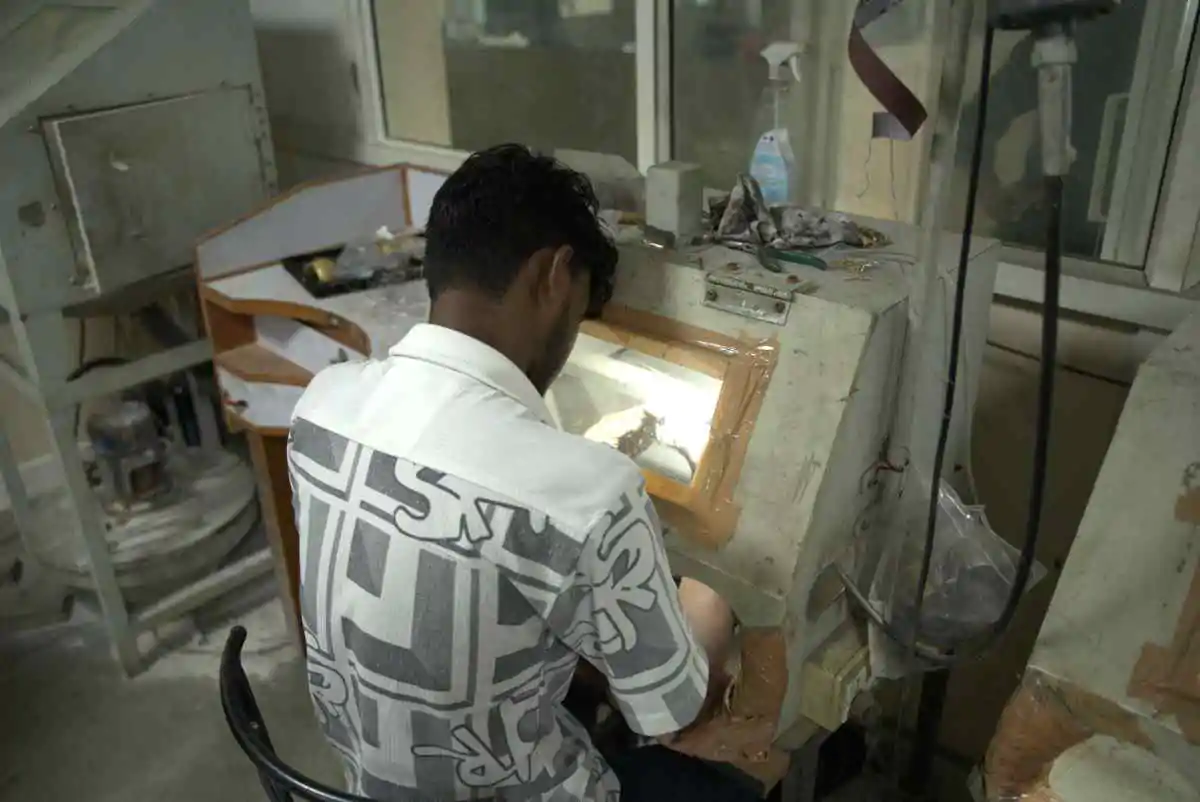
In recent years, the demand for lab grown diamond rings has surged as modern buyers look for ethical, sustainable, and cost-effective alternatives to natural diamonds. Whether you are planning to buy a Diamond Engagement Ring or a stylish everyday accessory, lab grown diamonds offer the same brilliance and durability as mined diamonds—without the high environmental and ethical costs. This growing popularity has made lab grown diamond rings India a booming market, with more consumers choosing innovation over tradition. When purchasing a CVD Diamond Engagement Ring or any lab grown diamond jewellery, it is essential to understand what factors determine quality and value. While these diamonds are created in controlled environments using advanced technology, not all lab grown diamonds are equal. Trusted brands like Jaitam Jewels are helping customers make informed decisions by offering certified, high-quality diamonds with complete transparency. What Are Lab Grown Diamond Rings? Lab grown diamonds are real diamonds created in laboratories using processes like Chemical Vapor Deposition (CVD) or High Pressure High Temperature (HPHT). A lab grown diamonds ring has the same chemical, physical, and optical properties as natural diamonds. These diamonds are graded using the same standards, making them a perfect choice for a Diamond Engagement Ring or luxury jewellery. Key Things to Check Before Buying Lab Grown Diamond Rings 1. Diamond Certification Always ensure that your lab grown diamond ring comes with a certification from recognized gemological institutes such as IGI or GIA. Certification verifies the authenticity and quality of the diamond. When buying lab grown diamond rings India, certification is crucial for trust and long-term value. 2. The 4Cs – Cut, Color, Clarity, and Carat The quality of any diamond, including a lab grown diamonds ring, is determined by the 4Cs: Cut: Determines brilliance and sparkle Color: Ranges from colorless to slightly tinted Clarity: Indicates the presence of inclusions Carat: Refers to the weight of the diamond A well-balanced combination of these factors ensures you get the best Diamond Engagement Ring for your budget. 3. Type of Lab-Grown Diamond (CVD vs HPHT) Understanding the type of diamond is essential. A CVD Diamond Engagement Ring is created using a modern method that produces high-quality stones with fewer impurities. CVD diamonds are widely preferred in lab grown diamond jewellery due to their clarity and brilliance. 4. Setting and Metal Quality The setting of your lab grown diamond ring plays a major role in its overall appearance and durability. Choose high-quality metals like gold, platinum, or white gold. A strong setting ensures that your lab grown diamond rings remain secure and long-lasting. 5. Pricing and Value for Money One of the biggest advantages of lab grown diamond rings India is affordability. They are typically 30–50% less expensive than natural diamonds. However, compare prices across brands to ensure you are getting the best deal without compromising quality. 6. Brand Reputation and Trust Always buy from a trusted jeweller. Established brands like Jaitam Jewels offer certified diamonds, transparent pricing, and excellent customer service. Choosing a reliable brand ensures that your lab grown diamond jewellery investment is safe and worthwhile. 7. Return Policy and Warranty Before purchasing a lab grown diamonds ring, check the return policy, exchange options, and warranty details. A flexible policy adds confidence to your purchase and protects your investment. 8. Customization Options Many buyers prefer personalized designs for their Diamond Engagement Ring. Customization allows you to choose the diamond shape, setting, and style. Brands offering custom lab grown diamond rings help you create a unique piece that reflects your personality. Benefits of Choosing Lab Grown Diamond Rings Affordable Luxury Lower cost compared to natural diamonds Better size and quality within budget High-end look without overspending Ideal for engagement and gifting Ethical and Sustainable Choice Environmentally friendly production Conflict-free sourcing Reduced carbon footprint Responsible luxury option Why Lab Grown Diamonds Are Perfect for Engagement Rings A Diamond Engagement Ring symbolizes love and commitment. Choosing a lab grown diamond ring allows couples to invest in a meaningful yet practical option. With the same sparkle and durability as natural diamonds, lab grown diamond rings India are becoming the preferred choice for modern engagements. Why Choose Jaitam Jewels When it comes to buying premium lab grown diamond jewellery, Jaitam Jewels stands out for its quality and trust. They offer a wide range of certified lab grown diamond rings, including elegant CVD Diamond Engagement Ring designs. Their focus on craftsmanship, transparency, and customer satisfaction makes them a reliable choice for anyone looking to invest in lab grown diamonds ring options. Common Mistakes to Avoid Many buyers focus only on price and ignore certification or quality. Avoid purchasing uncertified diamonds or choosing low-quality settings. Always prioritize quality, authenticity, and brand reputation when buying lab grown diamond rings. Conclusion Buying a lab grown diamond ring is a smart and modern choice, offering beauty, value, and sustainability. By checking factors like certification, 4Cs, diamond type, and brand reputation, you can make an informed decision. With trusted jewellers like Jaitam Jewels, you can confidently invest in high-quality lab grown diamond rings India that combine elegance and affordability. Whether it’s a Diamond Engagement Ring or a stylish accessory, lab grown diamonds are truly the future of fine jewellery.
How to Find Affordable Lab Grown Diamond Jewellery in USA
The jewelry industry in the United States has experienced a remarkable transformation in recent years, with more consumers turning toward sustainable and cost-effective alternatives to traditional mined diamonds. One of the most significant trends shaping this shift is the growing demand for Lab Grown Diamond Jewellery in USA. These diamonds offer the same brilliance, durability, and chemical composition as natural diamonds but at a more accessible price point. For modern buyers seeking elegance without overspending, Affordable Lab Grown Diamond Jewellery in USA has become an ideal solution. At Jaitam Jewels, we understand that customers want beauty, quality, and value combined. Whether you are searching for engagement rings, wedding bands, or everyday fine jewelry, finding the right Lab Grown Diamond Rings Jewellery in USA requires knowledge and careful decision-making. This comprehensive guide will help you understand how to find high-quality yet affordable options while ensuring authenticity and long-term value. Understanding Lab Grown Diamond Jewellery Lab grown diamonds are created using advanced technological processes that replicate the natural diamond formation environment. These diamonds are chemically, physically, and optically identical to mined diamonds. Even organizations like Gemological Institute of America recognize and certify lab grown diamonds using the same grading standards applied to natural stones. The key difference lies in their origin. While natural diamonds are formed over billions of years beneath the Earth’s surface, lab grown diamonds are produced in controlled laboratory settings using techniques such as High Pressure High Temperature (HPHT) or Chemical Vapor Deposition (CVD). This controlled process significantly reduces costs, making Affordable Lab Grown Diamond Jewellery in USA accessible to a wider audience. Why Lab Grown Diamond Jewellery in USA Is More Affordable There are several reasons why Lab Grown Diamond Jewellery in USA is more budget-friendly compared to mined diamonds: Lower production and supply chain costs No mining or extensive extraction expenses Ethical and conflict-free sourcing Controlled manufacturing efficiency Because of these factors, buyers can often purchase larger or higher-quality diamonds within the same budget. This affordability makes Lab Grown Diamond Rings Jewellery in USA especially popular for engagements and weddings. Tips to Find Affordable Lab Grown Diamond Jewellery in USA Finding the best deals without compromising quality requires careful research and smart shopping strategies. Here are essential tips to help you secure the best value. Compare Prices Across Multiple Retailers Before purchasing, compare pricing from various online and offline jewelers. Many retailers in major cities like New York City and Los Angeles offer competitive options for Lab Grown Diamond Jewellery in USA. Online platforms often provide better pricing due to lower overhead costs. However, ensure that the retailer provides certification and return policies. Check Certification and Grading Certification ensures authenticity and quality. Always look for diamonds graded by reputable institutions such as the Gemological Institute of America or International Gemological Institute. Certified diamonds guarantee accurate evaluation of the 4Cs: Cut Color Clarity Carat Certified stones offer peace of mind when investing in Affordable Lab Grown Diamond Jewellery in USA. Choose the Right 4Cs Balance To stay within budget, consider balancing the 4Cs rather than aiming for perfection in all categories. For example: Opt for near-colorless instead of flawless color grades Choose slightly included clarity grades that are eye-clean Prioritize cut quality for maximum sparkle Smart selection allows you to purchase premium-looking Lab Grown Diamond Rings Jewellery in USA without overspending. Consider Simple and Elegant Settings The metal setting significantly impacts the final price. Platinum is more expensive than gold, so choosing 14K or 18K gold settings can help reduce costs. Minimalistic and classic designs often cost less while maintaining timeless elegance. At Jaitam Jewels, we recommend selecting settings that highlight the diamond’s brilliance while keeping the overall design sophisticated and affordable. Take Advantage of Seasonal Sales Many jewelers offer discounts during holidays, wedding seasons, and festive events. Shopping during promotional periods can help you find Affordable Lab Grown Diamond Jewellery in USA at reduced prices. Keep an eye on clearance sales and exclusive online offers for the best deals. Why Lab Grown Diamond Rings Jewellery in USA Is a Smart Choice Engagement rings represent love and commitment, and modern couples increasingly prefer ethical and budget-conscious options. Lab Grown Diamond Rings Jewellery in USA provides: Identical sparkle to natural diamonds Lower cost per carat Ethical sourcing Environmentally responsible production Couples can invest in larger stones or more intricate designs without exceeding their financial limits. Long-Term Value and Sustainability Lab grown diamonds are not just affordable—they are also environmentally friendly. Mining operations often have significant environmental impacts, whereas laboratory production reduces land disturbance and carbon emissions. As sustainability becomes a priority among American consumers, Lab Grown Diamond Jewellery in USA continues to grow in popularity. Online vs In-Store Buying When searching for Affordable Lab Grown Diamond Jewellery in USA, buyers can choose between online and physical stores. Online Benefits Competitive pricing Wider variety Convenient shopping experience In-Store Benefits Physical inspection Personalized service Immediate purchase At Jaitam Jewels, we emphasize transparency, certification, and customer satisfaction, ensuring buyers feel confident whether purchasing online or offline. Customization for Budget-Friendly Luxury Customization allows you to design a unique piece while controlling costs. Instead of selecting high-end designer collections, you can create a personalized ring or pendant tailored to your budget. Custom Lab Grown Diamond Jewellery offers individuality and affordability combined. Final Thoughts Finding Affordable Lab Grown Diamond Jewellery in USA requires careful research, certification verification, and smart budgeting decisions. By comparing retailers, understanding the 4Cs, selecting practical settings, and taking advantage of seasonal discounts, buyers can secure stunning pieces without compromising quality. The increasing demand for Lab Grown Diamond Jewellery in USA reflects a shift toward ethical, sustainable, and financially responsible luxury. Whether you are searching for engagement rings, wedding bands, or elegant everyday pieces, Lab Grown Diamond Rings Jewellery in USA provides exceptional brilliance at a fraction of the traditional cost. At Jaitam Jewels, we are committed to offering high-quality, certified, and beautifully crafted Lab Grown Diamond Jewellery that blends affordability with timeless elegance. With the right knowledge and trusted guidance,… Continue reading How to Find Affordable Lab Grown Diamond Jewellery in USA