
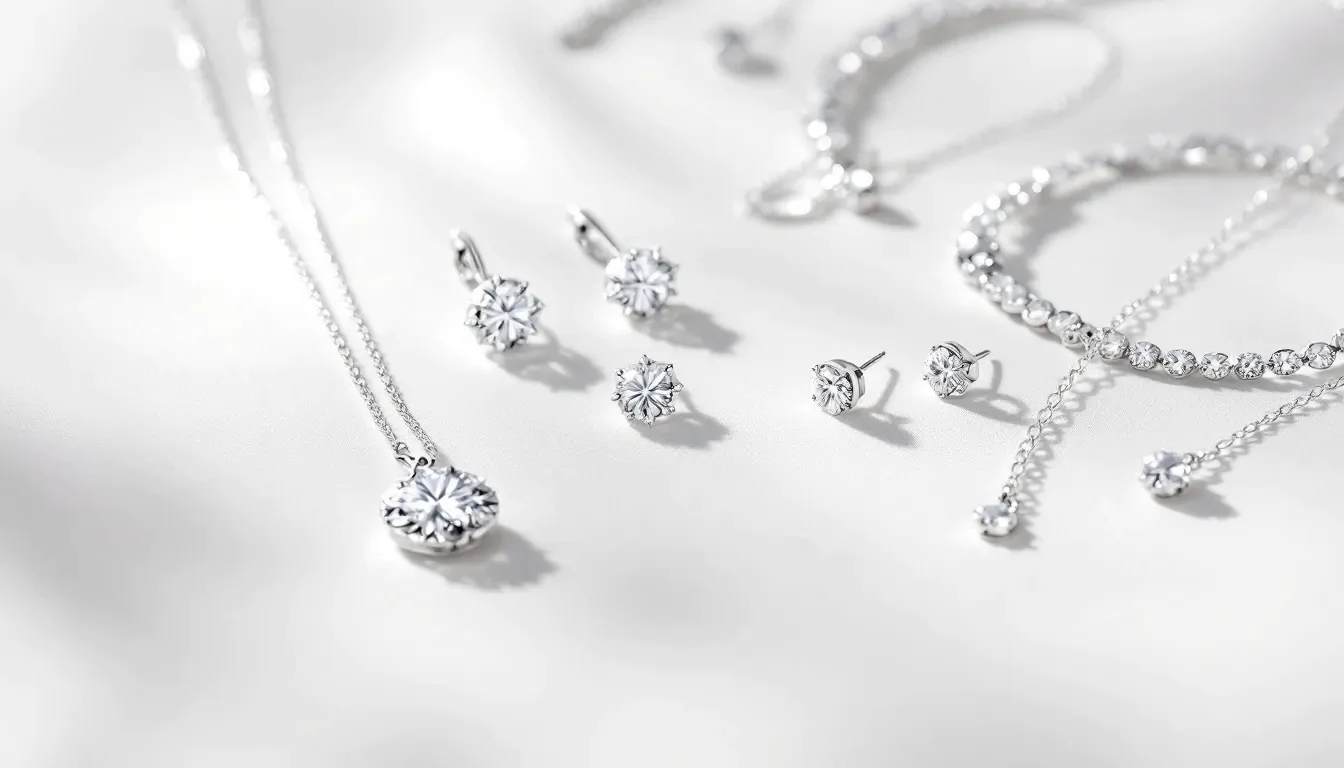
Sterling silver jewelry has remained a popular choice for jewelry lovers, retailers, and fashion brands because of its attractive appearance, versatility, and lasting appeal. However, when purchasing silver jewelry online or from a supplier, it is important to understand how to distinguish genuine 925 sterling silver from silver-plated metals and imitation products. Genuine 925 sterling silver contains 92.5% pure silver and 7.5% other metals, usually copper, which helps improve its strength and durability. Knowing how to identify authentic silver can help buyers make informed purchasing decisions, whether they are shopping for a ring, necklace, bracelet, pendant, or a complete jewelry collection.
For customers exploring 925 silver jewelry USA options, as well as retailers searching for wholesale products, understanding silver purity and quality is especially important. Jewelry businesses also need reliable sourcing partners who can provide accurate product descriptions, consistent manufacturing standards, and appropriate quality documentation. At Jaitam Jewels, understanding the characteristics of genuine silver jewelry helps buyers make more confident decisions when selecting products for personal use, retail collections, or private-label businesses. This guide explains the most useful ways to identify genuine 925 sterling silver, the differences between solid sterling silver and plated jewelry, and the important factors to consider before purchasing from jewelry suppliers.
What Is 925 Sterling Silver Jewelry?
925 sterling silver is a silver alloy containing 92.5% pure silver and 7.5% other metals. Pure silver is relatively soft, which makes it less suitable for many jewelry designs that require strength and structural stability. Adding other metals, commonly copper, improves its durability while preserving the attractive appearance associated with silver jewelry. This composition makes sterling silver suitable for producing a wide variety of jewelry pieces, including rings, earrings, necklaces, bracelets, chains, pendants, and gemstone jewelry.
The number 925 represents the silver content in the alloy and is commonly used as a standard identification mark for sterling silver. Genuine sterling silver can be crafted into simple everyday accessories, intricate statement pieces, or detailed designs featuring gemstones and decorative settings. However, the 925 stamp alone does not automatically prove authenticity because counterfeit or silver-plated products may also carry misleading markings. Buyers should therefore examine the jewelry’s construction, seller information, product specifications, and available verification methods before making a purchase.
1. Check for the 925 Sterling Silver Hallmark
One of the easiest ways to begin identifying genuine sterling silver jewelry is to look for a hallmark. Authentic sterling silver pieces are often stamped with markings such as 925, .925, or S925, indicating that the metal is intended to contain 92.5% silver. These markings may appear on the inside of a ring, the clasp of a necklace, the back of an earring, or a small metal tag attached to a bracelet.
The placement of a hallmark depends on the jewelry design, and very small or delicate pieces may have limited space for markings. If you cannot find a stamp, it does not automatically mean that the jewelry is fake, because marking practices can vary by product and manufacturer. Similarly, a visible 925 stamp should not be treated as conclusive evidence of authenticity. Buyers should combine hallmark inspection with additional checks, especially when purchasing expensive pieces or ordering large quantities from wholesale suppliers.
When evaluating products from sterling silver jewelry manufacturers USA, ask whether the manufacturer provides clear material specifications and quality-control information. Reputable businesses should be able to explain the metal composition of their products and clarify whether a piece is solid sterling silver, silver-plated, or made using another material. This information is particularly valuable for retailers who need to describe products accurately to their own customers.
2. Examine the Color and Surface Finish
Genuine 925 sterling silver typically has a bright, metallic appearance with a naturally cool silver tone. Its surface may be polished to a mirror-like shine, brushed for a softer finish, or treated with an intentional antique effect to highlight intricate details. The exact appearance depends on the finishing process, the design, and whether the jewelry has received an additional coating.
When inspecting a silver item, look carefully at areas that experience frequent contact or friction, such as ring edges, bracelet links, clasps, and pendant corners. If a product appears to have a different-colored metal underneath worn or damaged surface areas, it may be plated rather than solid sterling silver. However, discoloration alone is not proof of imitation because genuine sterling silver can tarnish naturally when it reacts with sulfur-containing substances in the environment.
Buyers should also understand that rhodium-plated sterling silver can have a brighter, more reflective finish than untreated silver. Such a finish does not necessarily make the item imitation jewelry, provided the underlying metal is genuinely 925 sterling silver. Always review the product description to understand whether the piece has a rhodium coating, another protective finish, or a decorative surface treatment.
3. Understand the Difference Between Sterling Silver and Silver-Plated Jewelry
Understanding the difference between solid sterling silver and silver-plated jewelry is essential before making a purchase. Genuine 925 sterling silver uses an alloy containing 92.5% silver throughout the main metal structure of the piece. Silver-plated jewelry, on the other hand, usually consists of a base metal covered with a comparatively thin layer of silver. Although plated products can look similar to sterling silver when new, the outer layer may gradually wear away with repeated use.
Silver-plated jewelry can be suitable for buyers seeking a particular appearance at a lower price, but it should not be marketed as solid 925 sterling silver unless its material composition genuinely meets that description. For customers purchasing wholesale 925 sterling silver jewelry, this distinction is especially important because material misrepresentation can create customer complaints, returns, and reputational problems for retailers.
Before placing a wholesale order, request written confirmation of the metal composition and ask the supplier to identify any plated, coated, or mixed-material components. Clasps, chains, decorative settings, and other individual parts should also be described accurately. Clear product specifications help jewelry businesses maintain consistency across their catalogs and communicate the value of their products more effectively.
4. Use a Magnet Test as an Initial Screening Method
A simple magnet test can help buyers identify some products that may not be made primarily from sterling silver. Silver is not strongly magnetic, so a piece made predominantly from ordinary magnetic metals may deserve closer examination. If a ring, chain, or bracelet is strongly attracted to a magnet, the result may indicate that it contains magnetic base metal or another component that requires further investigation.
However, the magnet test has important limitations. A lack of magnetic attraction does not prove that jewelry is genuine sterling silver because many non-silver metals are also nonmagnetic. Some jewelry pieces may contain small components made from different materials, and the clasp or spring mechanism may behave differently from the main body of the product.
For this reason, a magnet should only be used as a preliminary screening tool rather than a definitive authenticity test. If you are purchasing high-value jewelry or a large wholesale shipment, consider professional metal testing or independent verification instead of relying on a household magnet.
5. Check for Natural Tarnishing and Discoloration
Sterling silver can develop tarnish over time because silver reacts with sulfur-containing compounds in the surrounding environment. Tarnish may appear as a yellowish, brown, grey, or black layer on the surface, depending on the conditions and duration of exposure. It can develop more quickly when jewelry comes into contact with certain cosmetics, cleaning products, moisture, or other environmental substances.
The presence of tarnish can be consistent with genuine sterling silver, but it does not establish authenticity. Other metals and plated products can also discolor, while genuine silver jewelry may remain bright for a long time when it has been properly stored or treated with a protective coating.
Instead of judging authenticity solely by discoloration, examine the product’s hallmark, material declaration, construction, and supplier documentation together. Buyers should also remember that genuine sterling silver requires appropriate care to maintain its appearance. Storing jewelry in a dry environment and using a suitable silver polishing cloth can help reduce the buildup of tarnish without damaging the finish.
6. Evaluate the Weight, Construction, and Overall Quality
The weight and construction of sterling silver jewelry can provide useful information about its design and manufacturing quality. Solid metal components often feel substantial relative to their size, while hollow designs may be lighter. Nevertheless, there is no universal weight that proves a jewelry piece is genuine because dimensions, thickness, construction methods, and decorative elements vary considerably.
Inspect the jewelry carefully for uneven joints, poorly finished edges, loose stones, rough soldering, and clasps that do not close securely. These details can reveal potential manufacturing issues, although a well-made imitation may also have a polished finish. Likewise, genuine sterling silver jewelry can vary in craftsmanship depending on its price point and production method.
For retailers and jewelry brands, product consistency is especially important. When comparing 925 silver jewelry suppliers USA, examine whether the supplier can provide clear specifications, repeatable product quality, suitable packaging, and dependable communication. These considerations help businesses evaluate suppliers beyond appearance alone and make purchasing decisions that align with their customers’ expectations.
7. Ask for Professional Silver Testing When Necessary

Professional testing is one of the more dependable ways to investigate whether a jewelry piece contains the stated silver composition. Depending on the product and the testing facility, methods may include X-ray fluorescence analysis, appropriate chemical testing, or other material-analysis procedures. X-ray fluorescence, commonly known as XRF, can help identify the elements present near a material’s surface without necessarily damaging the jewelry.
However, testing methods have different capabilities and limitations. Surface measurements may not always establish the composition of the entire piece, especially when the product is plated or contains multiple materials. Some situations may therefore require additional testing by a qualified professional.
Chemical testing can also affect the jewelry if the process involves scratching or applying reactive substances. Buyers should avoid attempting potentially damaging tests on valuable or finished products without understanding the risks. For high-volume commercial purchases, discuss suitable testing procedures with an independent laboratory or qualified jewelry professional before finalizing the order.
8. Review the Supplier’s Credentials and Product Documentation
Choosing a reliable supplier is just as important as inspecting the jewelry itself. A seller may provide attractive photographs and detailed descriptions, but buyers should also look for transparent business information, consistent product specifications, clear return policies, and accessible customer support. When purchasing online, read the product details carefully and confirm the exact metal composition before placing an order.
Businesses researching sterling silver jewelry manufacturers USA should evaluate manufacturing capabilities, production standards, sampling options, customization services, and quality-control procedures. Retailers sourcing from 925 silver jewelry suppliers USA should also ask how product batches are checked and whether the supplier can provide supporting documentation for material claims. These questions are particularly important when jewelry will be sold under a retailer’s own brand.
Jaitam Jewels recognizes the importance of understanding silver composition and selecting jewelry products based on clear specifications. Whether a buyer is exploring individual designs, building a retail assortment, or investigating wholesale sourcing opportunities, careful evaluation helps reduce uncertainty and supports better purchasing decisions. Before committing to a large order, request samples when available and compare the delivered products against the written specifications.
9. Compare Prices Carefully Before Buying 925 Sterling Silver Jewelry
Price can help buyers identify products that deserve closer inspection, but it cannot independently confirm authenticity. Sterling silver jewelry prices depend on several factors, including the current silver market price, the weight of the metal, manufacturing complexity, gemstones, finishing techniques, labor, packaging, and the seller’s operating costs.
If a product is advertised as solid 925 sterling silver at an unusually low price, investigate the listing carefully. The item might be silver-plated, lightweight, hollow, discounted, or made with a different material than expected. On the other hand, a higher price does not guarantee that the jewelry is genuine or well made.
Wholesale buyers should compare quotations using consistent specifications rather than looking only at the lowest price. Check the metal composition, dimensions, weight where relevant, gemstone details, finishing requirements, order quantities, shipping costs, and applicable return terms. A transparent quotation makes it easier to compare wholesale 925 sterling silver jewelry suppliers fairly and calculate the potential profitability of a collection.
10. Choose Jewelry That Matches Your Needs and Style
Authenticity is important, but buyers should also consider how the jewelry will be used. Everyday earrings and necklaces may require lightweight designs and secure closures, while statement rings and gemstone pendants may place greater emphasis on visual impact and setting construction. Buyers looking for gifts should consider the recipient’s preferred style, jewelry size, and care requirements.
Sterling silver works well with many different aesthetics, from minimalist chains and understated studs to decorative rings, layered necklaces, and gemstone jewelry. Its versatility makes it suitable for personal collections and for retailers who want to offer designs for different occasions. However, buyers with metal sensitivities should review the complete material composition because sterling silver contains alloying metals, and reactions may vary from person to person.
For jewelry brands, a carefully selected collection should balance design, construction, accurate product descriptions, and reliable sourcing. Working with suppliers that communicate clearly about materials and manufacturing can make it easier to build customer trust and maintain a consistent product range.
Common Mistakes to Avoid When Buying Genuine 925 Sterling Silver
One common mistake is assuming that every product stamped 925 is authentic. Hallmarks are useful indicators, but they can be copied or applied misleadingly. Another mistake is relying only on the item’s color, shine, weight, or magnetic response, as none of these characteristics can independently establish silver purity.
Buyers should also avoid confusing silver-plated jewelry with solid sterling silver. Always read the complete material description and ask questions if the wording is unclear. For wholesale purchases, failing to confirm specifications before ordering can create unnecessary costs, inventory problems, and customer dissatisfaction.
Finally, avoid choosing a supplier based exclusively on price or attractive product photography. Check the supplier’s policies, product documentation, sample availability, and communication standards. These practical steps help individual customers and commercial buyers make more informed choices when purchasing sterling silver jewelry.
Why Choose Jaitam Jewels for Your Silver Jewelry Sourcing Research?
Jaitam Jewels focuses on helping jewelry buyers understand product materials, design considerations, and sourcing requirements when exploring jewelry collections. For buyers evaluating sterling silver products, clear specifications and accurate material information are essential starting points for a confident purchase. Understanding the difference between genuine 925 sterling silver and silver-plated alternatives also helps retailers present their collections more responsibly.
When exploring jewelry sourcing opportunities, buyers should review the available product range, manufacturing information, customization options, and order requirements directly with the supplier. Businesses interested in wholesale or private-label jewelry should confirm whether the supplier supports their particular requirements, including design specifications, sample development, packaging, and order quantities. Requesting written confirmation of silver composition and appropriate quality documentation can help establish clear expectations before production begins.
For customers and businesses exploring 925 sterling silver jewelry, Jaitam Jewels encourages a practical approach that combines careful product evaluation with transparent sourcing. Selecting jewelry based on verified material information, suitable craftsmanship, and reliable supplier communication can help create a more dependable buying experience.
FAQs
1. How can I identify genuine 925 sterling silver jewelry?
Look for a 925, .925, or S925 hallmark, review the product’s material description, and inspect its construction and surface finish. Because markings can be copied, professional testing or reliable supplier documentation may be necessary to confirm authenticity.
2. Is 925 sterling silver real silver?
Yes. Genuine 925 sterling silver contains 92.5% silver and typically 7.5% other metals, commonly copper. The additional metals improve strength because pure silver is relatively soft for many jewelry applications.
3. Does genuine 925 sterling silver tarnish?
Yes. Genuine sterling silver can tarnish when exposed to sulfur-containing compounds and certain environmental conditions. Proper storage and appropriate cleaning can help maintain its appearance, although tarnishing alone does not prove that a piece is authentic.
4. Is silver-plated jewelry the same as 925 sterling silver?
No. Solid sterling silver contains the specified silver alloy throughout its main metal structure, whereas silver-plated jewelry generally has a thin silver layer over a different base material. Buyers should review product descriptions carefully to understand which type they are purchasing.
5. How can I find reliable 925 silver jewelry suppliers in the USA?
Compare suppliers based on transparent material specifications, product consistency, customer support, return policies, sample availability, and relevant quality documentation. For wholesale orders, confirm the silver composition and written product specifications before committing to a large purchase.
Conclusion
Identifying genuine 925 sterling silver jewelry requires more than checking a stamp or judging a product by its shine. Buyers should consider the hallmark, surface finish, construction, material declaration, supplier credibility, and available testing methods together. Understanding the difference between solid sterling silver and silver-plated jewelry is particularly important when purchasing online or sourcing products for a retail business.
Whether you are shopping for personal accessories, researching sterling silver jewelry manufacturers in the USA, or comparing wholesale 925 sterling silver jewelry suppliers, informed purchasing decisions begin with accurate product information. By checking specifications, asking relevant questions, and evaluating suppliers carefully, you can reduce uncertainty and select jewelry that better matches your expectations. Jaitam Jewels encourages buyers to prioritize material transparency, suitable craftsmanship, and clear supplier communication when exploring sterling silver jewelry collections.