
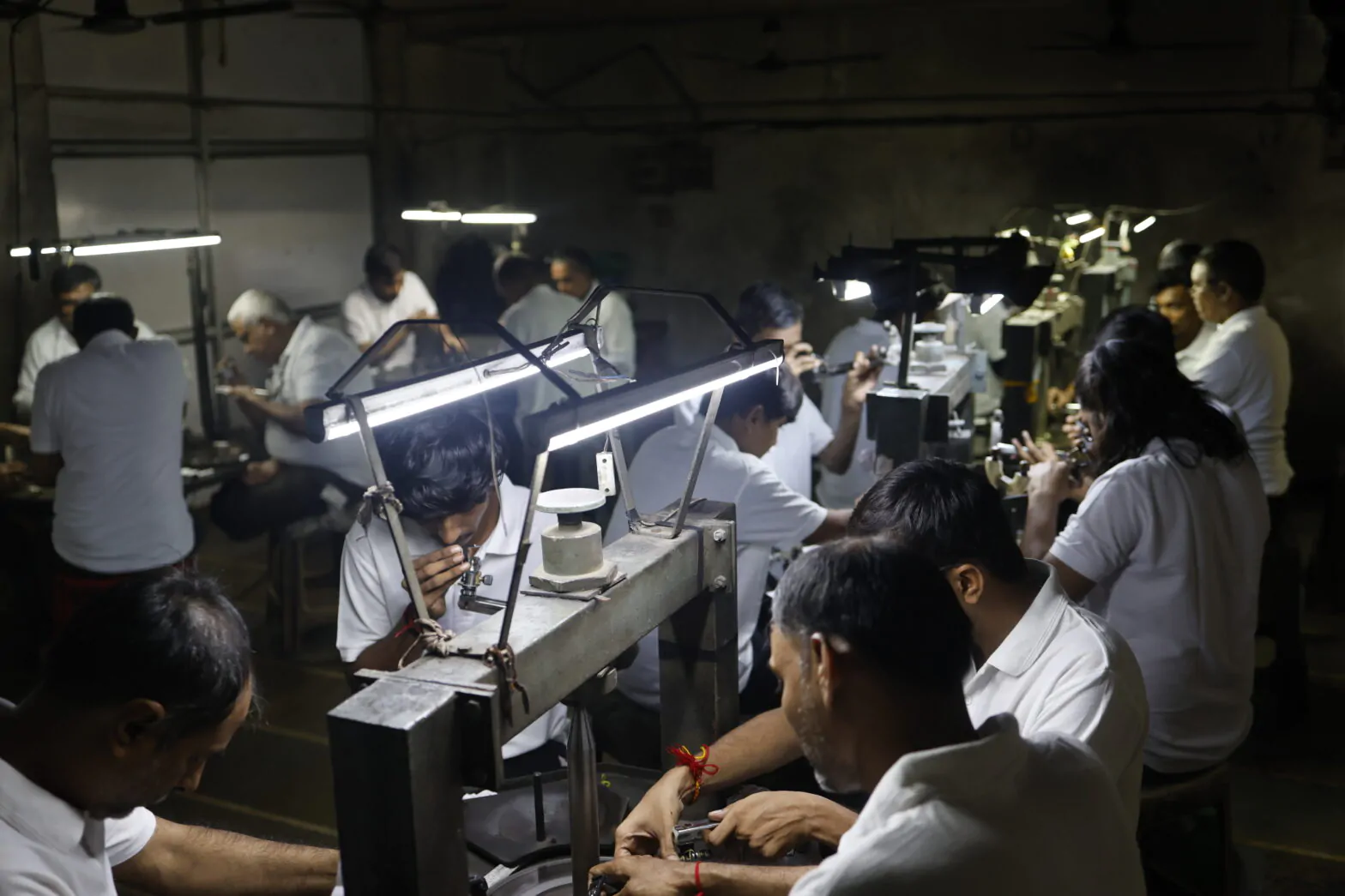
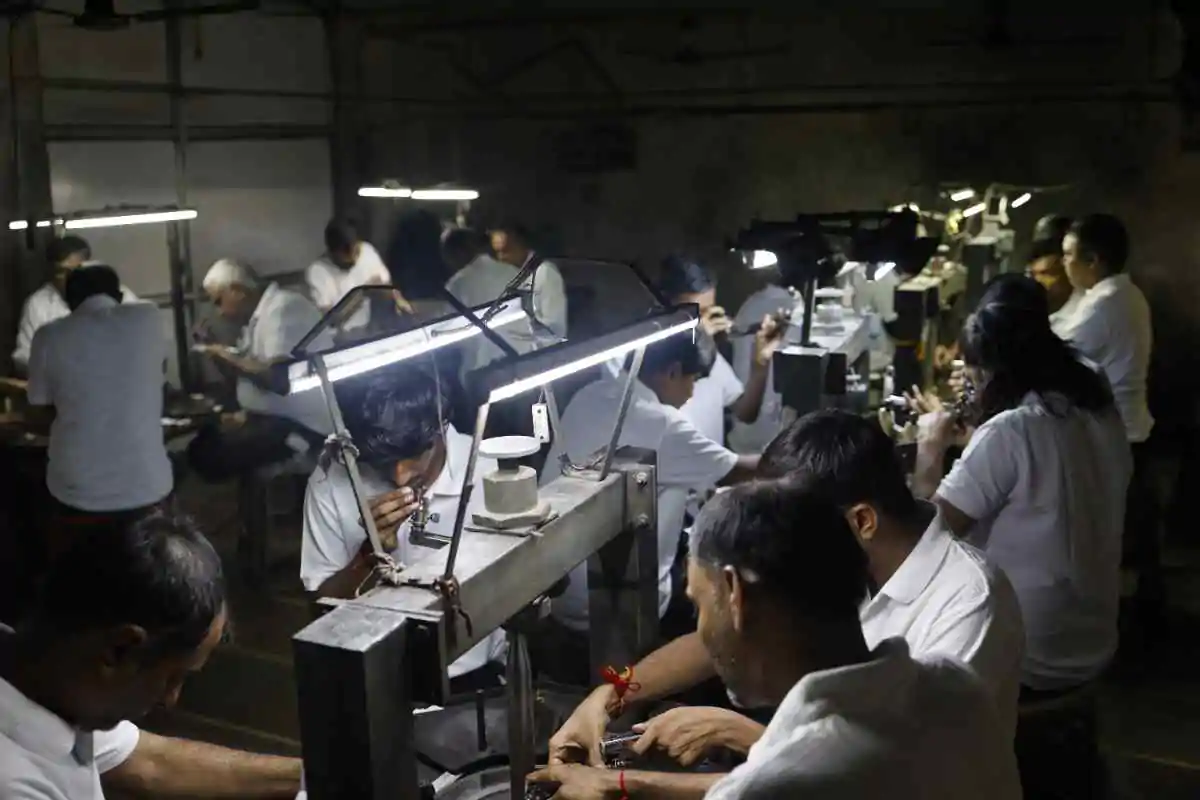
The jewelry industry is evolving rapidly as customers become more conscious about sustainability, ethical sourcing, and environmental responsibility. Today, buyers are no longer interested only in beautiful ornaments; they also want to understand where their jewelry comes from and how it impacts the planet. This growing awareness has made Recycling of Silver and Gold one of the most important topics in the jewelry industry. Instead of depending entirely on newly mined precious metals, many jewelry manufacturers and designers are choosing recycled precious metals to create elegant and timeless collections that are both luxurious and environmentally responsible.
At Jaitam Jewels, we believe that fine jewelry should reflect not only exceptional craftsmanship but also responsible practices that preserve natural resources for future generations. Through the use of Recycled Gold Jewelry and Recycled Silver Jewelry, customers can enjoy premium-quality ornaments while contributing to a more sustainable future. Understanding the importance of Precious Metal Recycling helps consumers make informed purchasing decisions that combine elegance, value, and environmental consciousness. This guide explains everything you need to know about the recycling process, its benefits, and why sustainable jewelry is becoming the preferred choice worldwide.
Understanding the Recycling of Silver and Gold
The Recycling of Silver and Gold is the process of recovering precious metals from old jewelry, industrial materials, electronic components, coins, and other valuable sources. Instead of extracting fresh metals through mining, these existing metals are refined, purified, and transformed into high-quality raw materials suitable for manufacturing new jewelry. Since gold and silver do not lose their natural properties during recycling, they can be reused repeatedly without compromising their purity, durability, or beauty.
Modern refining technology allows recycled precious metals to achieve the same standards as newly mined metals. Professional refiners use advanced purification methods to separate impurities and restore gold and silver to investment-grade quality. This means that customers purchasing recycled jewelry receive products that are visually identical and equally valuable compared to jewelry made from newly mined metals.
Why Recycling Precious Metals Matters
Mining precious metals requires significant land excavation, water consumption, and energy usage. Large-scale mining activities may also affect ecosystems and contribute to environmental pollution. Choosing Precious Metal Recycling helps reduce these environmental challenges by making better use of existing resources already available in circulation.
Every recycled gram of gold or silver reduces the need for additional mining activities. This conservation of natural resources benefits forests, rivers, wildlife habitats, and surrounding communities while lowering the carbon footprint associated with metal production. As environmental awareness grows, recycled jewelry has become an important part of responsible luxury.
The Growing Demand for Sustainable Jewelry
Consumers today are increasingly choosing brands that align with their personal values. Sustainability has become one of the strongest purchasing factors in the luxury goods market. Sustainable Jewelry combines exceptional craftsmanship with ethical sourcing, responsible manufacturing, and environmentally friendly practices.
Jewelry buyers appreciate knowing that their beautiful accessories contribute to reducing waste and protecting natural resources. Rather than viewing sustainability as a compromise, modern consumers see it as an enhancement that adds deeper meaning to every purchase. Luxury and environmental responsibility now work together to create jewelry that customers can wear with pride.
How Gold is Recycled
Gold recycling begins by collecting old jewelry, broken ornaments, unused coins, industrial scraps, and electronic waste containing gold. These materials are carefully sorted according to purity levels before entering the refining process.
The collected gold is melted at extremely high temperatures until it becomes liquid. During refining, impurities such as copper, nickel, zinc, and other alloy metals are separated using advanced chemical and electrochemical processes. Once purified, the refined gold achieves exceptional purity levels and is converted into bars or granules ready for manufacturing new jewelry.
The remarkable property of gold is that it can be recycled indefinitely without losing its quality. Whether the gold originally came from an antique necklace or an outdated ring, it can become part of a stunning modern jewelry collection after proper refining.
How Silver Recycling Works
Silver follows a similar recycling process. Old silver ornaments, decorative items, industrial silver, silverware, and electronic components are collected for refinement. These materials undergo cleaning, melting, purification, and quality testing before being transformed into fresh silver suitable for jewelry manufacturing.
The resulting Recycled Silver Jewelry maintains identical appearance, strength, brilliance, and purity compared to jewelry made using newly mined silver. Most customers cannot distinguish between recycled and newly mined silver because their physical characteristics remain exactly the same.
Quality of Recycled Gold Jewelry
Many people mistakenly assume that recycled jewelry is somehow inferior. In reality, Recycled Gold Jewelry offers exactly the same quality, durability, shine, and investment value as jewelry produced from newly mined gold. Once refined, pure gold retains all of its original characteristics regardless of its previous use.
Professional jewelers perform strict purity testing before manufacturing each piece. Whether creating rings, necklaces, earrings, bangles, or bridal collections, recycled gold meets the same international standards used throughout the jewelry industry.
For customers, this means enjoying luxurious craftsmanship without sacrificing quality or appearance. The only difference lies in the positive environmental impact created through responsible sourcing.
Benefits of Choosing Recycled Silver Jewelry
Selecting Recycled Silver Jewelry offers numerous advantages for environmentally conscious buyers. Recycled silver reduces mining activities while maintaining excellent craftsmanship and timeless beauty. Customers receive premium jewelry with the same elegant finish, intricate detailing, and long-lasting durability expected from fine silver products.
Silver has always been admired for its versatility, affordability, and brilliant shine. Recycling simply makes this precious metal even more valuable by extending its lifecycle and reducing unnecessary waste. Whether purchasing daily wear jewelry or special occasion accessories, recycled silver provides both style and sustainability.
Precious Metal Recycling Supports Circular Economy
One of the greatest advantages of Precious Metal Recycling is its contribution to the circular economy. Instead of following the traditional pattern of extracting, manufacturing, using, and discarding materials, recycling keeps valuable metals circulating within the economy for decades.
Gold and silver can move through multiple generations of jewelry without ever losing their essential properties. An old family heirloom may eventually become a modern engagement ring, while vintage silver ornaments can be transformed into elegant contemporary designs. This continuous reuse reduces waste while preserving valuable natural resources.
Environmental Benefits of Recycling Gold and Silver
The environmental advantages of recycling precious metals are significant. Mining operations often require enormous quantities of water, fuel, chemicals, and electricity. They may also disturb ecosystems and generate large amounts of waste material.
By supporting the Recycling of Silver and Gold, consumers help reduce greenhouse gas emissions, conserve water resources, minimize land disturbance, and decrease industrial waste. Every recycled ornament contributes to lowering the overall environmental footprint of the jewelry industry while encouraging more responsible manufacturing practices.
Economic Value of Precious Metal Recycling
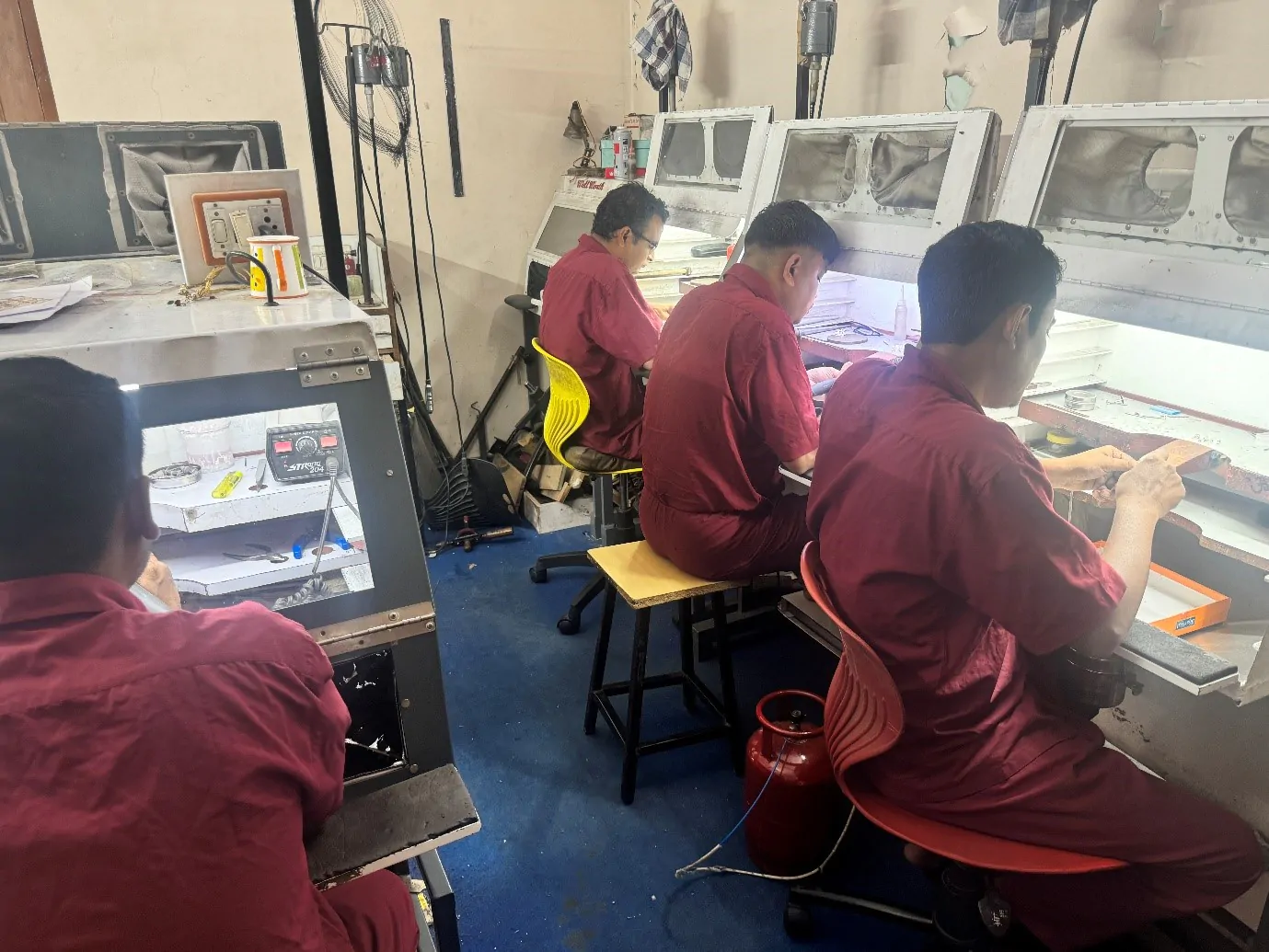
Apart from environmental benefits, Precious Metal Recycling also makes strong economic sense. Gold and silver are finite natural resources, and as mining becomes more expensive, recycling helps maintain a stable supply of these valuable metals. Manufacturers can recover precious metals from unused jewelry, industrial scraps, and electronic waste instead of relying solely on newly mined resources. This efficient use of existing materials reduces production costs while ensuring that high-quality jewelry remains accessible to customers. The recycling industry also creates employment opportunities in refining, manufacturing, quality testing, and jewelry design, making it an important contributor to both the economy and sustainable development.
Recycled Jewelry and Modern Luxury
Luxury today is no longer defined only by price or exclusivity. Modern buyers value transparency, ethical sourcing, and responsible production alongside beautiful craftsmanship. This shift has made Sustainable Jewelry one of the fastest-growing trends in the global jewelry market. Recycled precious metals allow designers to create elegant collections that reflect both sophistication and environmental responsibility. Customers enjoy owning timeless pieces while knowing that their purchase supports a cleaner and more sustainable future. As awareness continues to grow, recycled jewelry is becoming the preferred choice for people who appreciate both luxury and conscious living.
Common Myths About Recycled Gold and Silver
Despite the increasing popularity of recycled jewelry, several misconceptions still exist. One of the biggest myths is that recycled metals are less pure or durable than newly mined metals. In reality, once gold and silver are refined, they become chemically identical to freshly mined precious metals. Their purity, brilliance, strength, and value remain exactly the same.
Another common misconception is that recycled jewelry looks old or second-hand. This is completely false because the metal itself is recycled—not the finished jewelry. Skilled artisans melt, refine, and recreate entirely new designs using recycled precious metals, resulting in fresh, modern, and elegant jewelry collections that are impossible to distinguish from jewelry made with newly mined materials.
How Consumers Can Support Sustainable Jewelry
Every purchase decision has an impact on the environment. Consumers who choose Recycled Gold Jewelry and Recycled Silver Jewelry actively contribute to reducing mining activities and conserving natural resources. Supporting jewelers who prioritize ethical sourcing, responsible manufacturing, and sustainable practices encourages the entire industry to adopt greener production methods.
Customers can also recycle their own old jewelry instead of leaving it unused in lockers or drawers. Broken chains, outdated rings, damaged earrings, or inherited ornaments can often be refined and transformed into beautiful new creations while preserving their sentimental value. This process not only reduces waste but also gives precious metals a second life in contemporary designs.
Choosing the Right Jeweler for Recycled Jewelry
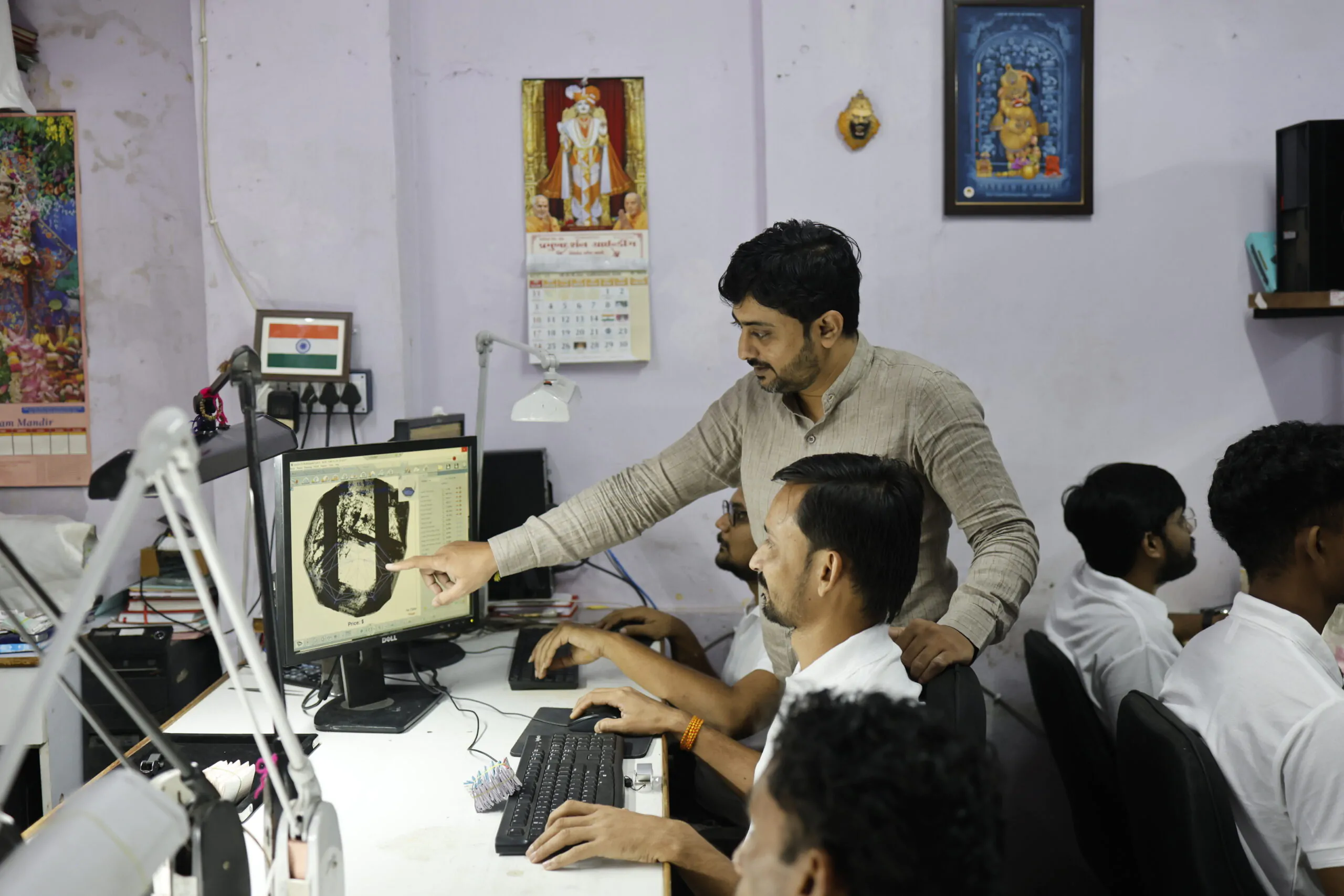
Selecting a trusted jeweler is essential when purchasing recycled precious metal jewelry. A reputable brand ensures that recycled gold and silver meet industry purity standards while maintaining exceptional craftsmanship. Look for jewelers who are transparent about their sourcing practices, manufacturing processes, and quality certifications.
Professional jewelers also provide detailed information about metal purity, hallmark certification, and design quality. Whether you are buying bridal jewelry, daily wear accessories, or investment pieces, working with an experienced jeweler ensures that every purchase delivers lasting beauty and value.
Why Choose Jaitam Jewels
At Jaitam Jewels, we combine traditional craftsmanship with modern sustainability to create jewelry that reflects elegance, quality, and responsibility. Our commitment to ethical sourcing and premium manufacturing allows customers to enjoy timeless collections crafted from the finest precious metals. Every design is created with careful attention to detail, ensuring exceptional beauty without compromising environmental values.
Our collections celebrate India’s rich jewelry heritage while embracing modern techniques that support responsible production. From elegant necklaces and handcrafted earrings to sophisticated rings and bracelets, every piece represents quality, authenticity, and lasting craftsmanship. By supporting sustainable practices and promoting the Recycling of Silver and Gold, Jaitam Jewels continues to deliver jewelry that customers can cherish for generations.
The Future of Sustainable Jewelry
The future of the jewelry industry is closely connected to sustainability. As technology advances and consumer awareness continues to grow, more manufacturers are expected to adopt Precious Metal Recycling as a standard practice. Governments, environmental organizations, and luxury brands are increasingly encouraging responsible sourcing to reduce environmental impact and conserve natural resources.
Future innovations in refining technology will further improve recycling efficiency while maintaining the highest quality standards. Consumers will have even greater access to beautiful jewelry that combines ethical production with premium craftsmanship. Sustainable jewelry is no longer a niche market—it represents the future of responsible luxury.
Conclusion
The Recycling of Silver and Gold is transforming the jewelry industry by proving that luxury and sustainability can exist together. Through advanced refining techniques, recycled precious metals achieve the same purity, durability, brilliance, and value as newly mined gold and silver while significantly reducing environmental impact. Choosing Recycled Gold Jewelry and Recycled Silver Jewelry supports responsible manufacturing, conserves natural resources, minimizes mining activities, and promotes a circular economy that benefits both people and the planet.
As more consumers embrace Sustainable Jewelry, the demand for ethical and environmentally conscious craftsmanship will continue to grow. Every purchase made from responsibly sourced precious metals contributes to a cleaner future without sacrificing elegance or quality. At Jaitam Jewels, we are proud to be part of this positive change by creating timeless jewelry that reflects exceptional artistry, lasting value, and a commitment to sustainability. Whether you are investing in your first piece or adding to an existing collection, choosing recycled precious metals is a meaningful step toward responsible luxury.
Frequently Asked Questions (FAQs)
1. What is the Recycling of Silver and Gold?
The Recycling of Silver and Gold is the process of recovering precious metals from old jewelry, industrial materials, coins, and electronic components, refining them, and using them to manufacture new jewelry without compromising quality.
2. Is Recycled Gold Jewelry real gold?
Yes. Recycled Gold Jewelry is genuine gold that has been professionally refined to achieve the same purity, appearance, and durability as newly mined gold.
3. Does Recycled Silver Jewelry last as long as new silver?
Absolutely. Recycled Silver Jewelry offers identical strength, shine, purity, and longevity because silver retains its natural properties throughout the recycling process.
4. Why is Sustainable Jewelry becoming popular?
Sustainable Jewelry reduces environmental impact, conserves natural resources, supports ethical production, and allows consumers to enjoy beautiful jewelry while making environmentally responsible choices.
5. How does Precious Metal Recycling help the environment?
Precious Metal Recycling reduces mining activities, lowers carbon emissions, conserves water and energy, minimizes waste, and supports a circular economy that keeps valuable resources in use for generations.
6. Why should I choose Jaitam Jewels?
Jaitam Jewels offers beautifully crafted jewelry with exceptional quality, timeless designs, and a commitment to responsible sourcing and sustainable craftsmanship, helping customers enjoy luxury with confidence and environmental responsibility.