
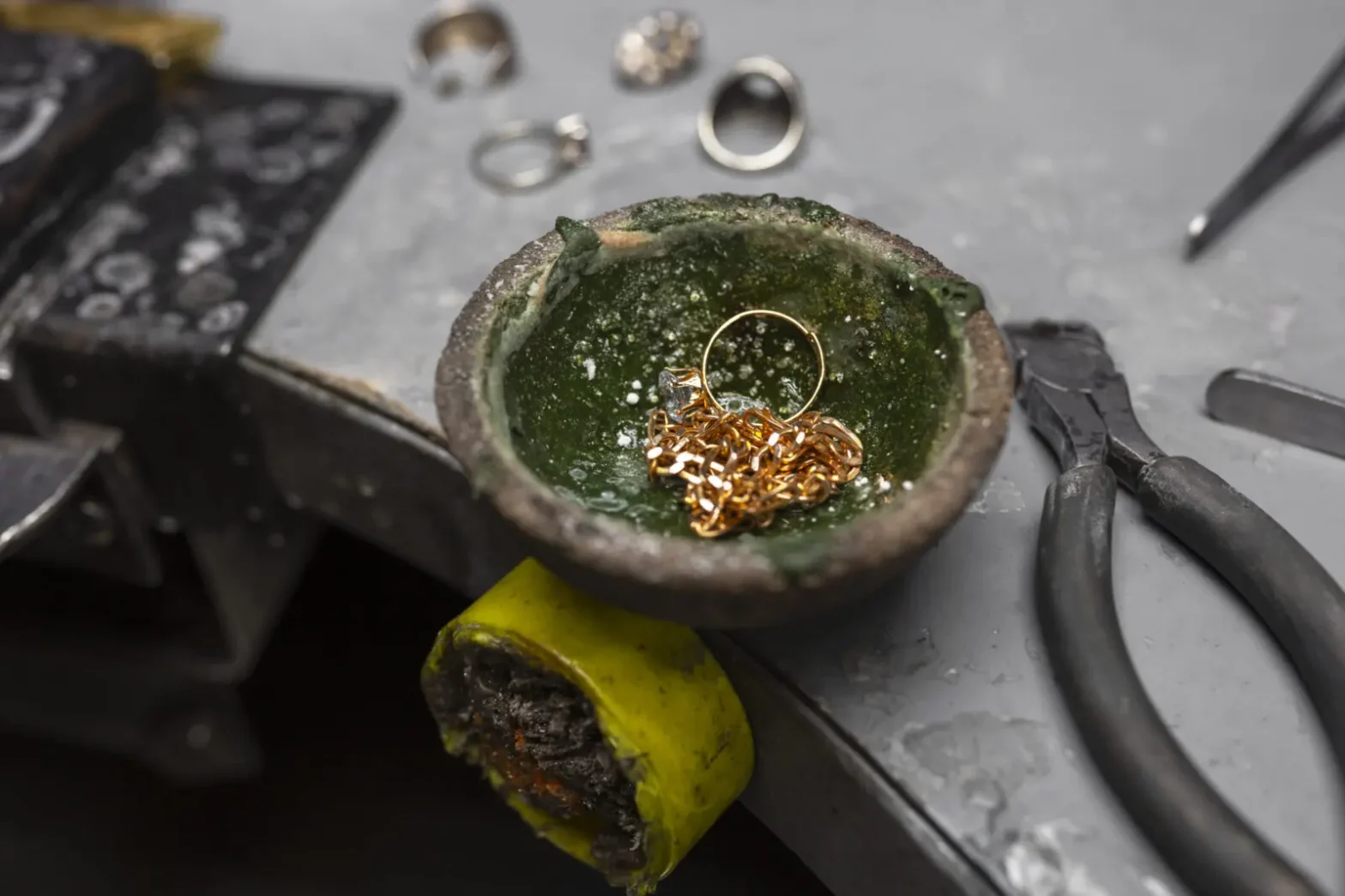
Finding the right jewelry manufacturing partner is one of the most important decisions for a jewelry brand, retailer, boutique, or growing online business. A dependable manufacturer does much more than produce jewelry; they can influence product quality, design consistency, production timelines, pricing, customization, and ultimately your customers’ experience. With so many companies offering jewelry manufacturing services, identifying a manufacturer that genuinely matches your requirements can take careful research. Whether you are launching a new collection, expanding an existing jewelry line, or looking for custom production, understanding what makes a manufacturer reliable can help you make a more confident decision.
When searching for Gold Jewelry Manufacturers in USA, buyers often compare factors such as craftsmanship, gold purity, manufacturing capabilities, customization options, minimum order quantities, quality control, communication, and delivery timelines. However, the best manufacturing relationship is not always about finding the company with the lowest price. It is about finding a manufacturing partner that understands your designs, maintains consistent standards, communicates clearly, and can support your business as it grows. Jaitam Jewels understands the importance of these factors and focuses on creating jewelry solutions that combine thoughtful design, craftsmanship, and dependable production for modern jewelry businesses.
What Makes a Gold Jewelry Manufacturer Reliable?
A reliable gold jewelry manufacturer should be able to demonstrate consistency at every stage of production. This begins with understanding the client’s design requirements and continues through material selection, prototyping, casting, stone setting, finishing, inspection, and final delivery. A professional manufacturer should have clearly defined processes rather than relying entirely on informal or inconsistent production methods. This becomes particularly important for businesses ordering multiple pieces or building a collection where every item needs to meet the same specifications.
Reliability also involves communication. Jewelry manufacturing can involve many technical details, including dimensions, gold karat, stone specifications, setting styles, finishing requirements, engraving, and packaging. A manufacturer that communicates these details clearly can reduce misunderstandings and production errors. Buyers should therefore evaluate not only the finished products but also how professionally the manufacturer handles questions, specifications, samples, revisions, and timelines.
Check the Manufacturer’s Jewelry Manufacturing Experience
Experience is one of the first things a jewelry business should investigate before selecting a manufacturing partner. An experienced manufacturer is generally more familiar with the technical challenges involved in producing different types of jewelry, from delicate earrings and pendants to rings, bracelets, and customized statement pieces. Manufacturing experience can also help a company identify potential design issues before production begins.
Rather than relying only on how long a company has existed, examine the type of jewelry it has actually produced. A manufacturer may have extensive experience with one category but limited experience with another. If your collection includes intricate settings, lightweight designs, personalized pieces, or gemstone jewelry, ask whether the manufacturer has handled similar work.
For brands evaluating the Best Gold Jewelry Manufacturers in USA, looking at previous work can provide valuable insight into craftsmanship and production capabilities. Product galleries, samples, case studies, and manufacturing portfolios can help buyers understand whether a company’s expertise aligns with their own requirements.
Verify Gold Purity and Material Specifications
Gold purity is a critical consideration when manufacturing gold jewelry. Common gold karats include 10K, 14K, 18K, and 22K, with different markets and product categories often favoring different options. The karat indicates the proportion of pure gold in the alloy, while other metals are added to influence strength, color, durability, and working characteristics.
For example, 14K gold contains a significant proportion of pure gold while incorporating other metals to create a durable alloy suitable for everyday jewelry. 18K gold has a higher gold content and is often selected for its richer gold appearance and premium positioning. The appropriate choice depends on the product, target market, design, customer expectations, and pricing strategy.
A trustworthy manufacturer should be transparent about the material specifications used in production. Buyers should ask for clear information about gold karat, alloy composition where relevant, hallmarking or stamping practices, and applicable quality documentation. Clear material information protects both the jewelry business and the end customer.
Review the Manufacturer’s Custom Jewelry Capabilities
Custom manufacturing is particularly important for brands that want to develop a distinctive collection. A strong manufacturing partner should be able to work from sketches, technical drawings, reference images, CAD files, or other design specifications, depending on the project.
The custom process may involve converting an initial concept into a production-ready design. CAD modeling can help visualize proportions and details before a piece is manufactured. This stage gives the brand an opportunity to review dimensions, stone placement, settings, thickness, and overall appearance before production begins.
A manufacturer capable of supporting customization can be especially valuable for businesses developing private-label collections. Instead of simply selecting products from an existing catalog, brands can collaborate on pieces that reflect their own aesthetic and customer preferences.
Ask About CAD Design, Prototyping and Sampling
Sampling is an important step between design and larger-scale production. It gives the buyer an opportunity to evaluate the physical product before committing to a larger order. Depending on the manufacturer and project, the sample process may include CAD development, a 3D model, wax or resin prototype, casting, stone setting, polishing, and final inspection.
A sample can reveal issues that are difficult to identify from a digital design alone. A ring may feel heavier or lighter than expected, a pendant may need a different chain connection, or a gemstone setting may require adjustment. Making these changes before bulk production can save time and reduce unnecessary costs.
When comparing Top Gold Jewelry Manufacturers in USA, ask about their sampling process, revision policy, and how design changes are handled. A manufacturer that treats sampling as an important quality-control stage can provide greater confidence before production moves forward.
Evaluate the Quality of Craftsmanship
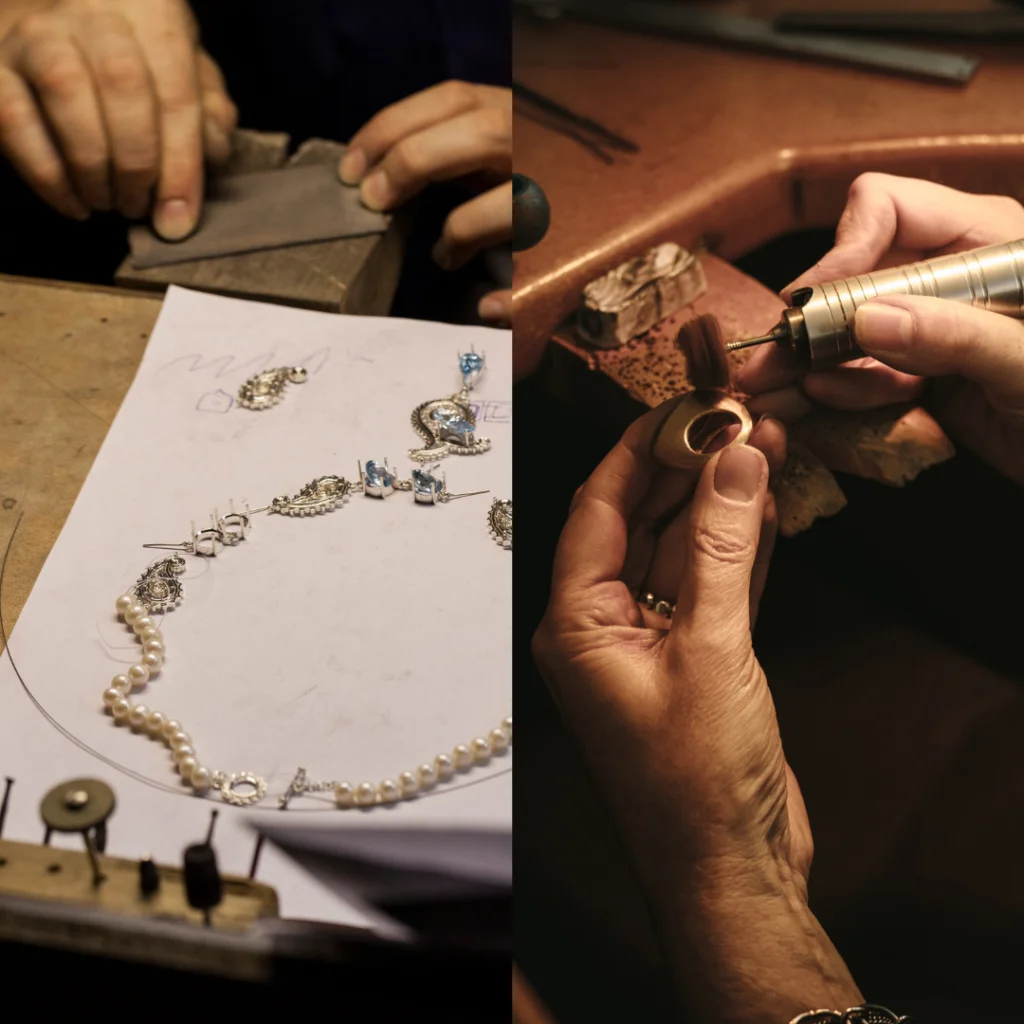
Craftsmanship is at the heart of jewelry manufacturing. Even when a design looks simple, producing a well-finished piece requires attention to proportion, symmetry, surface quality, stone setting, soldering, polishing, and finishing.
When evaluating a manufacturer, inspect samples closely. Look for smooth edges, secure settings, consistent finishing, clean surfaces, properly aligned components, and overall structural integrity. For rings and other wearable jewelry, comfort is also important. A piece should not only look attractive but should be practical for its intended use.
High-quality craftsmanship is especially important for jewelry brands because customers often judge the value of a product through small details. A poorly finished clasp, uneven setting, rough edge, or inconsistent polish can affect customer satisfaction even when the overall design is attractive.
Understand the Manufacturer’s Quality Control Process
A reliable manufacturer should have a defined quality-control process. Quality checks may take place at multiple stages instead of only at the end of production. Reviewing components before assembly, checking dimensions during production, inspecting stone settings, and examining the final finish can help identify problems earlier.
For larger production runs, consistency becomes even more important. A brand ordering 100 pieces of the same design expects those products to maintain consistent dimensions, gold specifications, finishing, and overall appearance.
Ask potential manufacturers how they inspect finished jewelry and how defects or production discrepancies are handled. A transparent quality-control process demonstrates that the manufacturer takes product consistency seriously.
Consider Minimum Order Quantities
Minimum order quantity, commonly called MOQ, can significantly affect which manufacturer is appropriate for your business. Established jewelry companies may be comfortable placing larger production orders, while startups and emerging brands may prefer smaller quantities when testing new designs.
A lower MOQ can allow a business to introduce a new product without committing a large amount of capital to inventory. However, manufacturers with different production models may have different MOQ structures depending on design complexity, materials, customization, and production requirements.
When comparing Reliable Gold Jewelry Manufacturers in USA, do not look only at the advertised MOQ. Ask whether the MOQ applies per design, per size, per color, or across an entire collection. Understanding these details can help you plan inventory more effectively.
Compare Pricing Beyond the Initial Quote
Price is important, but the lowest manufacturing quote is not necessarily the best option. Jewelry pricing can include several components, such as gold, gemstones, labor, design and CAD work, casting, setting, polishing, finishing, packaging, and shipping.
Two manufacturers may provide different quotes for apparently similar products because their specifications, processes, material quality, labor, or included services differ. Therefore, buyers should compare quotes on a like-for-like basis.
Ask for detailed specifications wherever possible. Confirm the gold karat, approximate weight, gemstone specifications, finishing, quantity, sampling costs, customization charges, and other applicable fees. A transparent quote makes it easier to calculate the actual production cost.
Check Communication and Responsiveness
Good communication is one of the most overlooked aspects of manufacturing. Jewelry production can involve numerous decisions, and delays in communication can lead to delays in production.
Before placing a major order, observe how the manufacturer responds to your initial questions. Do they understand your requirements? Do they ask relevant technical questions? Do they explain limitations honestly? Are they clear about production stages and timelines?
A professional manufacturer should be willing to discuss the project rather than simply provide a price. This collaborative approach can be especially useful when a design needs technical modification to make it more practical for production.
Look for Scalability
Your manufacturing needs may change as your business grows. A manufacturer that works well for a small initial collection should ideally have the capacity to support larger orders later.
Scalability includes production capacity, sourcing capabilities, quality-control systems, communication processes, and the ability to maintain consistency as order volumes increase. This is particularly important for brands that sell through multiple channels or expect seasonal demand.
Choosing a manufacturing partner with long-term potential can reduce the need to repeatedly change suppliers as the business expands.
Consider Customization and Private Label Support
Private-label manufacturing allows a jewelry business to create products under its own brand identity. Depending on the manufacturer’s capabilities, private-label services may include custom designs, brand-specific specifications, packaging, labeling, engraving, or collection development.
For a growing jewelry brand, this can provide more control over product differentiation. Instead of competing solely on products that are widely available, the brand can build a recognizable collection around its own designs and aesthetic.
Jaitam Jewels can be considered by businesses looking for a jewelry manufacturing partner capable of supporting customized product requirements. The focus should remain on creating jewelry that aligns with the brand’s intended design, quality expectations, and customer positioning.
Check Production and Delivery Timelines
Production timelines can affect product launches, seasonal collections, marketing campaigns, and inventory availability. Before confirming an order, ask the manufacturer for an estimated production timeline and understand which stages are included.
Custom jewelry may require additional time because CAD development, sample approval, material sourcing, and revisions can add production stages. Bulk production timelines may also vary according to order volume and design complexity.
Rather than assuming a standard timeline, obtain a project-specific estimate and clarify when the production clock starts. It is also useful to ask how changes made after sample approval may affect the final delivery date.
Ask About Gemstone and Diamond Sourcing
If your jewelry collection includes diamonds or gemstones, material sourcing becomes another important consideration. Ask about gemstone specifications, grading or certification where applicable, treatment disclosures, stone dimensions, and sourcing information.
For diamond jewelry, factors such as cut, color, clarity, carat weight, shape, and certification can influence both appearance and cost. For colored gemstones, origin, treatment, quality, durability, and color characteristics may be relevant.
A knowledgeable manufacturer should be able to explain the options available and help translate your desired specifications into a practical production requirement.
Evaluate the Manufacturer’s Reputation
Reputation can provide useful supporting evidence when comparing manufacturers. Look for genuine customer reviews, business history, product examples, industry presence, and references where available.
However, reputation should not be evaluated solely through online ratings. Examine whether the company has relevant experience and whether its previous work matches your requirements.
A strong manufacturing relationship is based on evidence rather than marketing claims. Product quality, transparent communication, clear specifications, and reliable processes should all contribute to your decision.
Questions to Ask Before Choosing a Gold Jewelry Manufacturer
Before placing an order, buyers can ask a few practical questions to understand whether a manufacturer is suitable for their project:
- What types of gold jewelry do you manufacture?
- Which gold karats and alloys are available?
- Do you provide custom CAD and sampling services?
- What is your minimum order quantity?
- How do you manage quality control?
- Can you produce private-label jewelry?
- What gemstone and diamond options are available?
- How are production timelines calculated?
- What happens if a sample requires revisions?
- What information is included in the final quotation?
These questions can help businesses compare manufacturers based on actual capabilities instead of simply comparing prices.
Gold Jewelry Manufacturers in USA: What Should Buyers Prioritize?
The right manufacturer should be selected according to the needs of your business. A startup may prioritize flexible MOQs and sampling, while an established retailer may focus more heavily on production capacity, consistency, and delivery schedules. A luxury jewelry brand may place greater emphasis on craftsmanship, customization, gemstone quality, and finishing.
There is no universal definition of the Best Gold Jewelry Manufacturers in USA because the right choice depends on the product and business model. Instead, buyers should create a checklist based on their own requirements and evaluate potential manufacturers against the same criteria.
The strongest manufacturing relationship is usually built on transparency, technical expertise, consistent craftsmanship, realistic timelines, and clear communication. These factors can have a much greater long-term impact than a small difference in the initial manufacturing quote.
Why Choosing the Right Manufacturer Matters for Your Jewelry Brand
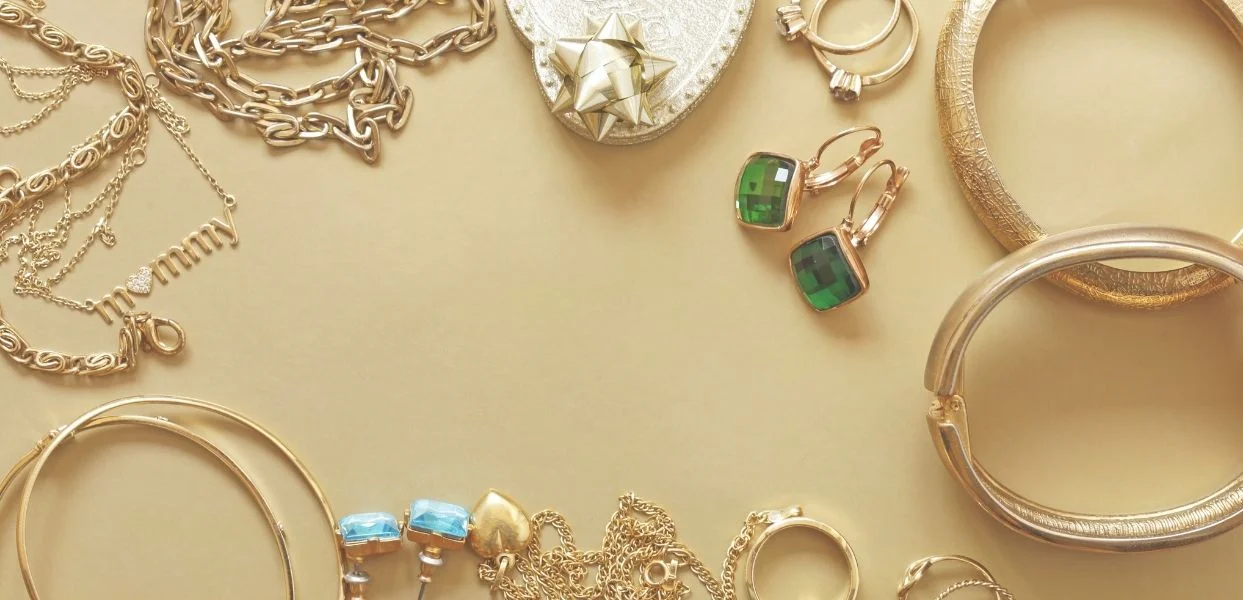
Your manufacturing partner becomes an important part of your supply chain. The quality and consistency of the products they produce can influence customer reviews, repeat purchases, returns, brand reputation, and overall profitability.
A reliable partner also makes it easier to develop new collections. When the manufacturer understands your preferred specifications and production standards, future projects can become more efficient. Over time, this can create a collaborative relationship rather than a simple buyer-supplier transaction.
For this reason, businesses should approach manufacturer selection as a long-term strategic decision. The objective is not simply to find someone who can make a piece of jewelry; it is to find a partner capable of helping you consistently turn designs into finished products that meet your brand standards.
Why Consider Jaitam Jewels?
Jaitam Jewels works with the understanding that modern jewelry businesses need more than attractive designs. They need dependable production, attention to detail, customization capabilities, and a manufacturing approach that supports their individual requirements.
Whether you are developing a new collection, exploring custom gold jewelry, building a private-label range, or expanding an existing jewelry business, choosing the right manufacturing partner can make the production process more organized and predictable.
The right approach is to discuss your design requirements, gold specifications, quantities, gemstone preferences, customization needs, and expected timelines before moving into production. This creates a clear foundation for both sides and helps ensure that the finished jewelry matches the intended specifications.
Final Thoughts
Finding Reliable Gold Jewelry Manufacturers in USA requires more than searching for a company with an attractive website or the lowest quote. Buyers should evaluate craftsmanship, gold purity, customization capabilities, sampling, quality control, MOQs, pricing transparency, communication, production capacity, gemstone sourcing, and delivery timelines before making a decision.
For jewelry brands, retailers, boutiques, and emerging businesses, a dependable manufacturing partner can become an important part of long-term growth. Taking time to evaluate manufacturing capabilities before placing an order can reduce production risks and create a stronger foundation for building a successful jewelry collection.
If you are comparing Gold Jewelry Manufacturers in USA, focus on evidence, transparency, and consistency. Review samples, ask detailed questions, understand the production process, and make sure the manufacturer’s capabilities align with your business goals. With the right partner, your jewelry concepts can move from an initial idea to carefully manufactured pieces that represent your brand and deliver the quality your customers expect.
FAQs
1. How do I find reliable gold jewelry manufacturers in USA?
Start by evaluating a manufacturer’s experience, product portfolio, gold specifications, customization capabilities, sampling process, quality control, MOQ, pricing transparency, customer feedback, and communication. Request samples whenever possible and compare manufacturers based on the complete production process rather than price alone.
2. What should I ask a gold jewelry manufacturer before placing an order?
Ask about gold karat and specifications, MOQ, customization, CAD and sampling, gemstones, quality control, production timelines, pricing, packaging, and revision policies. These questions can help you understand the manufacturer’s capabilities and avoid misunderstandings during production.
3. Can gold jewelry manufacturers create custom designs?
Yes, many manufacturers offer custom jewelry production based on sketches, CAD files, technical specifications, or reference designs. The exact process varies by manufacturer. CAD and sampling can help brands review a design before bulk production begins.
4. What is the difference between a jewelry manufacturer and a jewelry supplier?
A manufacturer is involved in producing jewelry, while a supplier may sell finished jewelry sourced from manufacturers or other production partners. Some businesses operate as both manufacturers and suppliers. Buyers should clarify where and how their jewelry will actually be produced.
5. Is the cheapest gold jewelry manufacturer always the best option?
No. A lower quote may not include the same gold specifications, craftsmanship, customization, quality control, or services as another manufacturer’s quote. Businesses should compare complete specifications and total production costs rather than choosing solely on the lowest initial price.