

The future of luxury jewelry is being shaped by innovation, sustainability, and consumer awareness. As environmental concerns continue to influence purchasing behavior, jewelry brands are adopting more responsible production methods to remain relevant and competitive. The Recycling of Silver and Gold is becoming one of the most important innovations within the jewelry sector because it allows manufacturers to create beautiful products while reducing environmental impact.
Consumers no longer view sustainability as an optional feature. Instead, it has become a key factor in purchasing decisions. Buyers want assurance that the products they invest in are produced responsibly and contribute positively to society and the environment. Recycled precious metals help meet these expectations while maintaining the elegance and exclusivity associated with luxury jewelry.
At Jaitam Jewels, this commitment to responsible innovation reflects a broader vision of creating jewelry that balances tradition with modern values. By incorporating recycled precious metals into jewelry manufacturing, the company supports a future where luxury and sustainability coexist harmoniously.
The Economic Benefits of Precious Metal Recycling
Beyond environmental advantages, Precious Metal Recycling also provides significant economic benefits. Precious metals such as gold and silver are finite resources with considerable market value. Recycling helps recover these valuable materials and return them to productive use, reducing the need for costly extraction activities.
For manufacturers, recycled metals can provide a more stable and reliable source of raw materials. This can help mitigate supply chain disruptions and reduce dependency on mining operations. As demand for precious metals continues to increase globally, recycling offers a practical solution for ensuring long-term resource availability.
Consumers also benefit from the efficiency of recycled metal production. The ability to recover and reuse existing resources contributes to a more sustainable and resilient jewelry industry that can continue meeting market demands without excessive environmental costs.
Recycled Gold Jewelry and Modern Luxury Trends
Luxury consumers today are increasingly drawn to products that tell meaningful stories. Jewelry crafted from recycled precious metals represents more than beauty; it symbolizes environmental responsibility, innovation, and conscious living. This emotional connection adds value beyond the physical characteristics of the jewelry itself.
Recycled Gold Jewelry has become especially popular among customers seeking sustainable luxury. Whether purchasing engagement rings, wedding bands, necklaces, or custom-designed pieces, consumers appreciate knowing their jewelry contributes to reducing environmental impact.
The rise of sustainable luxury reflects broader cultural shifts toward mindful consumption. Buyers are looking for products that align with their beliefs and support positive change. As a result, recycled gold is becoming a defining feature of modern fine jewelry collections worldwide.
Why Recycled Silver Jewelry Continues to Gain Popularity
Silver remains one of the most versatile and beloved precious metals in the jewelry industry. Its timeless appeal, affordability, and adaptability make it an ideal choice for a wide range of designs. As sustainability becomes increasingly important, Recycled Silver Jewelry is attracting attention from both consumers and designers.
Recycled silver offers all the qualities people expect from traditional silver jewelry, including brilliance, durability, and elegance. Because silver can be refined repeatedly without degradation, recycled silver maintains the same standards of excellence as newly mined material.
Consumers are embracing recycled silver because it allows them to enjoy beautiful jewelry while supporting responsible manufacturing practices. This growing demand is encouraging more jewelry brands to integrate recycled silver into their collections and promote sustainability throughout the supply chain.
The Role of Technology in Precious Metal Recycling
Advancements in refining and recycling technologies have significantly improved the efficiency and effectiveness of precious metal recovery. Modern facilities can extract gold and silver from a wide range of sources while maintaining exceptional purity standards.
Innovative techniques allow refiners to recover precious metals from old jewelry, industrial materials, and electronic waste with greater precision than ever before. These technological improvements enhance resource recovery while reducing waste and environmental impact.
As technology continues to evolve, the future of Precious Metal Recycling looks increasingly promising. Greater efficiency, improved recovery rates, and enhanced sustainability practices will further strengthen the role of recycled metals within the global jewelry industry.
Building Consumer Trust Through Sustainability
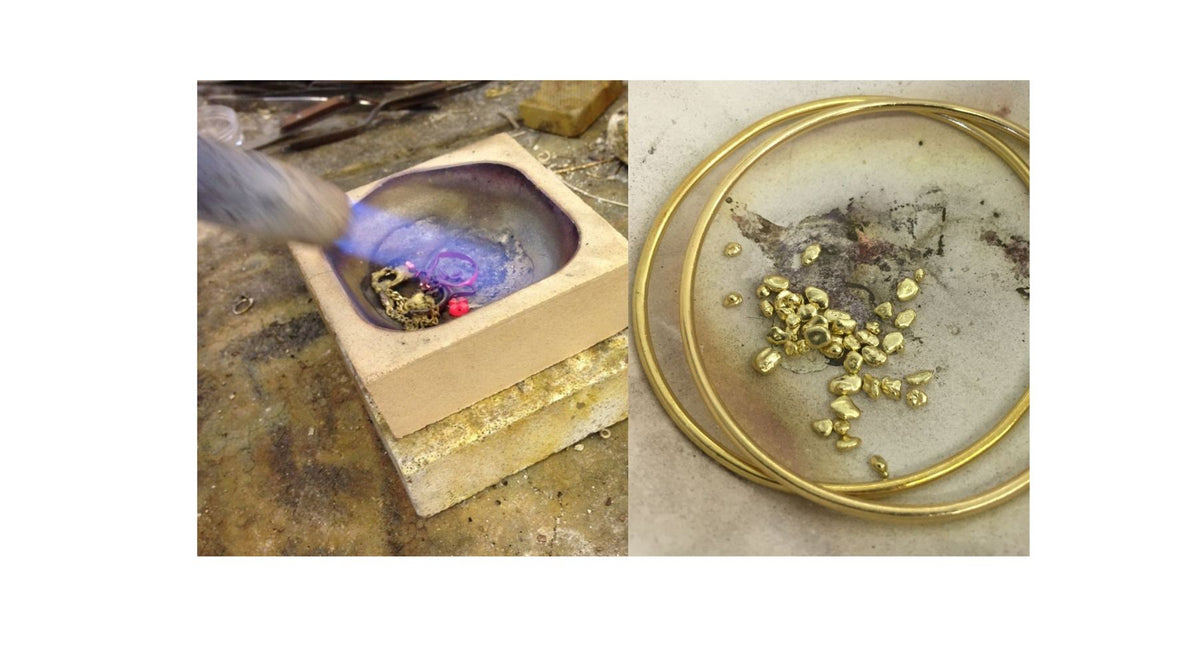
Trust plays a critical role in the jewelry business. Customers invest not only in precious materials but also in the reputation and values of the brands they choose. Transparency regarding sourcing and production practices has become increasingly important as consumers seek assurance that their purchases support ethical and sustainable standards.
Brands that embrace recycled precious metals demonstrate a commitment to responsible business practices. This transparency helps build stronger relationships with customers and reinforces confidence in the quality and integrity of the products being offered.
For Jaitam Jewels, sustainability is not simply a marketing message. It represents a long-term commitment to creating exceptional jewelry while respecting the environment and supporting responsible resource management.
How Consumers Can Support Sustainable Jewelry
Supporting sustainability in the jewelry industry begins with informed purchasing decisions. Consumers can contribute to positive change by choosing jewelry made from recycled precious metals and supporting brands that prioritize environmental responsibility.
Researching a brand’s sourcing practices, understanding the benefits of recycled materials, and considering the environmental impact of purchases are important steps toward responsible consumption. Every purchase represents an opportunity to encourage sustainable production and resource conservation.
By selecting Recycled Gold Jewelry, Recycled Silver Jewelry, and other forms of Sustainable Jewelry, consumers become active participants in creating a more environmentally responsible future for the jewelry industry.
Jaitam Jewels and the Commitment to Sustainable Luxury
At Jaitam Jewels, every piece of jewelry reflects a dedication to craftsmanship, quality, and sustainability. The company recognizes that the future of fine jewelry depends on responsible sourcing and environmentally conscious manufacturing practices.
Through the use of recycled precious metals, Jaitam Jewels aims to reduce environmental impact while delivering timeless designs that customers can cherish for generations. This approach allows the brand to combine traditional artistry with modern sustainability values, creating jewelry that is both beautiful and meaningful.
As awareness of environmental issues continues to grow, sustainable practices will become increasingly important within the luxury market. Jaitam Jewels is proud to contribute to this positive transformation by embracing the benefits of Precious Metal Recycling and promoting responsible luxury.
Conclusion
The Recycling of Silver and Gold is transforming the future of fine jewelry by offering a sustainable alternative to traditional mining. Through advanced refining processes, recycled precious metals maintain the same purity, quality, and beauty as newly sourced materials while significantly reducing environmental impact. The growing popularity of Recycled Gold Jewelry, Recycled Silver Jewelry, and Sustainable Jewelry reflects changing consumer priorities and a broader commitment to responsible consumption.
As the jewelry industry continues evolving, sustainability will remain a defining factor in product development and consumer choice. Precious Metal Recycling supports environmental conservation, resource efficiency, and ethical manufacturing while preserving the luxury and elegance that make fine jewelry so desirable. At Jaitam Jewels, we believe that the future of jewelry lies in combining timeless craftsmanship with sustainable innovation, ensuring that every piece contributes to a more responsible and beautiful world.
FAQs
1. What is the recycling of silver and gold?
The recycling of silver and gold involves collecting old jewelry, industrial scraps, and other precious metal sources, refining them, and transforming them into high-purity metals. These recycled materials can then be used to create new jewelry without compromising quality, durability, or appearance.
2. Is recycled gold jewelry as valuable as newly mined gold jewelry?
Yes, recycled gold jewelry is equally valuable because the refining process restores the gold to the same purity standards as newly mined gold. Once refined, there is no physical or chemical difference between recycled gold and newly extracted gold.
3. Why is recycled silver jewelry considered sustainable?
Recycled silver jewelry reduces the need for mining activities, conserves natural resources, lowers energy consumption, and minimizes environmental impact. It provides the same quality and beauty as newly sourced silver while supporting more responsible manufacturing practices.
4. How does precious metal recycling help the environment?
Precious metal recycling reduces waste, conserves finite natural resources, lowers greenhouse gas emissions, and decreases the environmental impact associated with mining operations. It supports a circular economy by keeping valuable materials in use for longer periods.
5. Why is sustainable jewelry becoming more popular?
Sustainable jewelry is gaining popularity because consumers are increasingly concerned about environmental responsibility and ethical sourcing. Recycled precious metals allow buyers to enjoy luxury products while supporting conservation efforts and reducing the environmental footprint of jewelry production.