
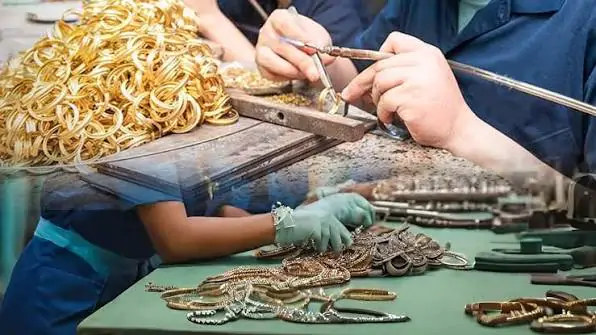
Choosing the right gold jewelry manufacturer is one of the most important decisions when you want to create custom jewelry that reflects a specific design, brand identity, or customer requirement. Whether you are a jewelry retailer, designer, private-label brand, wholesaler, or an individual looking for a unique piece, the manufacturer you select can directly influence the quality, craftsmanship, pricing, production timeline, and overall experience. Custom jewelry requires more than simply selecting a supplier from a long list of manufacturers. You need a manufacturing partner that understands design specifications, gold purity, gemstone requirements, finishing standards, production processes, and quality expectations. This is why researching Gold Jewelry Manufacturers in USA carefully can help you identify a company that is capable of turning your concept into a finished jewelry piece with consistency and attention to detail.
For custom designs, the relationship between the designer or buyer and manufacturer is particularly important because every project may involve different requirements. A custom ring, necklace, bracelet, pendant, or pair of earrings may require CAD development, 3D modeling, prototyping, casting, stone setting, polishing, engraving, plating, and final quality inspection. The right manufacturing partner should be transparent about these processes and should communicate clearly from the initial design discussion through final production. Jaitam Jewels understands the importance of detailed customization and professional jewelry manufacturing, helping buyers explore gold jewelry solutions according to their design and business requirements. When evaluating manufacturers, the objective should be to find a partner that combines craftsmanship, technical capabilities, communication, quality control, and dependable production practices.
Understand Your Custom Jewelry Requirements First
Before contacting Gold Jewelry Manufacturers in USA, it is important to clearly define what you want to manufacture. A manufacturer can provide a much more accurate response when the design requirements are specific. Start by identifying the type of jewelry you need, such as gold rings, earrings, pendants, bracelets, necklaces, or other customized pieces. You should also determine the preferred gold purity, color, approximate weight, dimensions, gemstone requirements, finishing style, and expected quantity. For a jewelry brand, it is useful to prepare product references, sketches, CAD files, inspiration images, or technical drawings before requesting a quotation.
Custom manufacturing becomes much easier when both sides have a clear understanding of the expected final product. For example, a minimalist gold ring and an elaborate gemstone ring may require completely different manufacturing techniques and production timelines. Similarly, a design intended for everyday wear may require different structural considerations than a statement jewelry piece created primarily for special occasions. By documenting these details in advance, you can reduce misunderstandings and make it easier to compare different manufacturers based on the same specifications.
Check the Manufacturer’s Experience in Custom Gold Jewelry
Experience is one of the most useful factors when evaluating a jewelry manufacturer. A company may manufacture standard jewelry successfully but may have limited experience with highly customized designs. Custom jewelry often requires problem-solving during the development stage, especially when the design contains unusual shapes, delicate structures, multiple gemstones, intricate patterns, or specific finishing requirements.
When researching the Best Gold Jewelry Manufacturers in USA, look beyond general claims and examine the manufacturer’s actual capabilities. Review examples of previous work, manufacturing categories, design styles, and customization options. A manufacturer with experience across different jewelry types is often better positioned to understand the technical challenges associated with custom production. Ask whether they have experience working with jewelry brands, retailers, designers, wholesalers, or private-label businesses if that is relevant to your project.
A strong manufacturing partner should be able to explain how your concept can be converted into a manufacturable product. This may include recommendations about thickness, stone placement, prong structure, clasp design, weight distribution, or finishing. Such practical input can be valuable because a design that looks attractive in a drawing may require technical modifications before it can be manufactured efficiently and reliably.
Evaluate Gold Purity and Material Transparency
Gold purity is a fundamental consideration when choosing a manufacturer. Gold jewelry can be produced in different karat options, including 10K, 14K, 18K, and other specifications depending on the intended market and product requirements. The higher the karat, the greater the proportion of pure gold in the alloy, while lower-karat gold generally contains a higher percentage of other metals that can influence durability, color, and price.
A reliable manufacturer should clearly communicate the gold specification used for your jewelry. Buyers should understand whether the quoted price is based on 10K, 14K, 18K, or another gold composition and whether the final piece will be appropriately marked or documented according to applicable requirements. If your jewelry business sells products to customers, accurate material information is especially important because it affects product descriptions, pricing, customer expectations, and brand credibility.
The gold color should also be discussed. Yellow gold, white gold, and rose gold can have different alloy compositions and finishing requirements. White gold may also involve plating or finishing processes depending on the manufacturer’s approach and the desired appearance. Discussing these details before production helps prevent differences between the approved sample and the final jewelry.
Ask About CAD Design and Prototyping
For custom jewelry, CAD and prototyping capabilities can make a significant difference. Computer-aided design allows a jewelry concept to be developed into a detailed digital model before physical production begins. This gives the buyer an opportunity to review proportions, dimensions, stone placement, and design details before committing to a full production run.
The CAD stage is especially useful for businesses creating new jewelry collections. Instead of relying entirely on a two-dimensional sketch, you can review a more detailed representation of the proposed product. In many cases, adjustments can be made before casting or manufacturing begins, reducing the possibility of expensive changes later.
Ask your manufacturer how CAD revisions are handled, whether design development is included in the quotation, and how many revisions are permitted. It is also useful to clarify ownership and usage rights related to custom CAD files and original designs. These details can be particularly important for jewelry brands that invest in developing exclusive collections.
Examine Manufacturing and Production Capabilities
A manufacturer’s production capabilities should match the complexity and quantity of your project. Some manufacturers may specialize in small-batch custom jewelry, while others may focus on larger-scale wholesale production. If you are building a jewelry brand, consider whether the manufacturer can support you as your order volume increases.
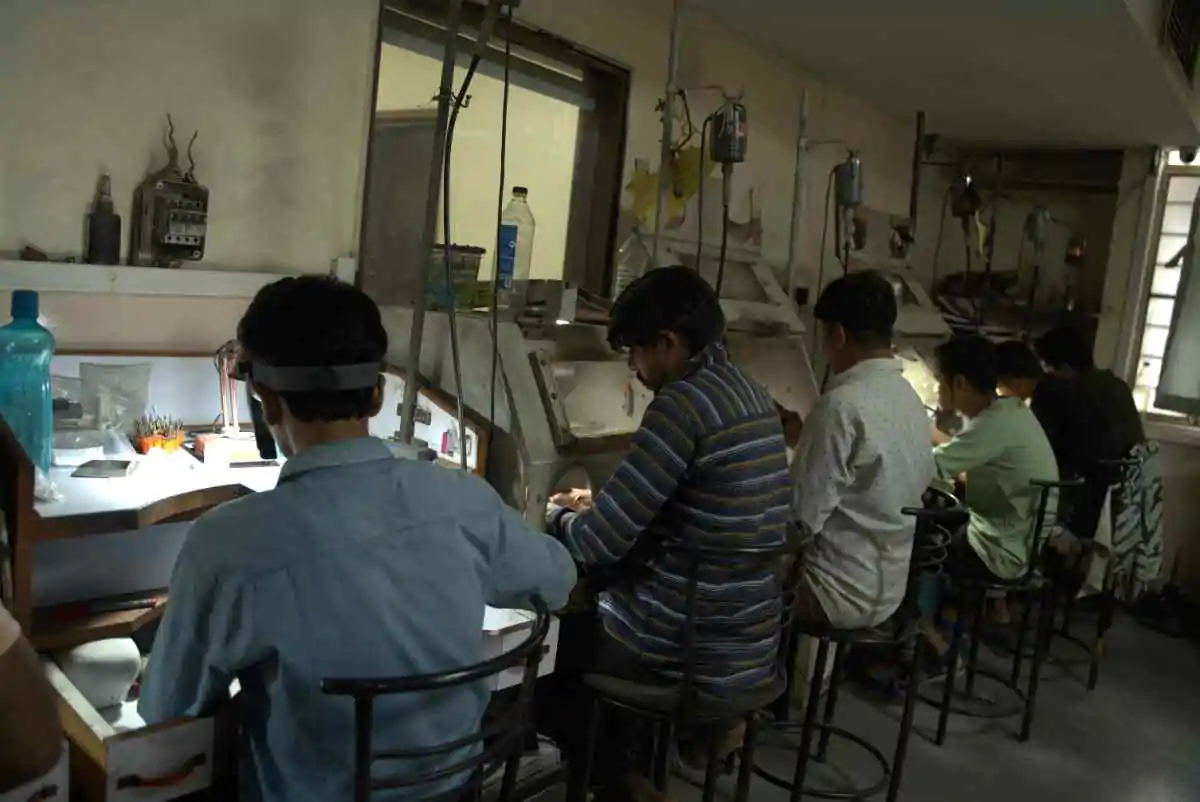
Manufacturing may involve several stages, including model making, casting, filing, assembly, gemstone setting, polishing, finishing, plating, engraving, and quality inspection. You do not necessarily need every process to be performed in-house, but you should understand how production is managed. If outside vendors or specialized workshops are involved, ask how the manufacturer maintains quality control across the supply chain.
For custom designs, consistency is particularly important. If you approve a sample and later order a larger quantity, the finished pieces should maintain consistent dimensions, gold specifications, gemstone placement, finishing, and overall appearance. This is why production systems and quality-control procedures should be considered alongside craftsmanship.
Review Quality Control Procedures
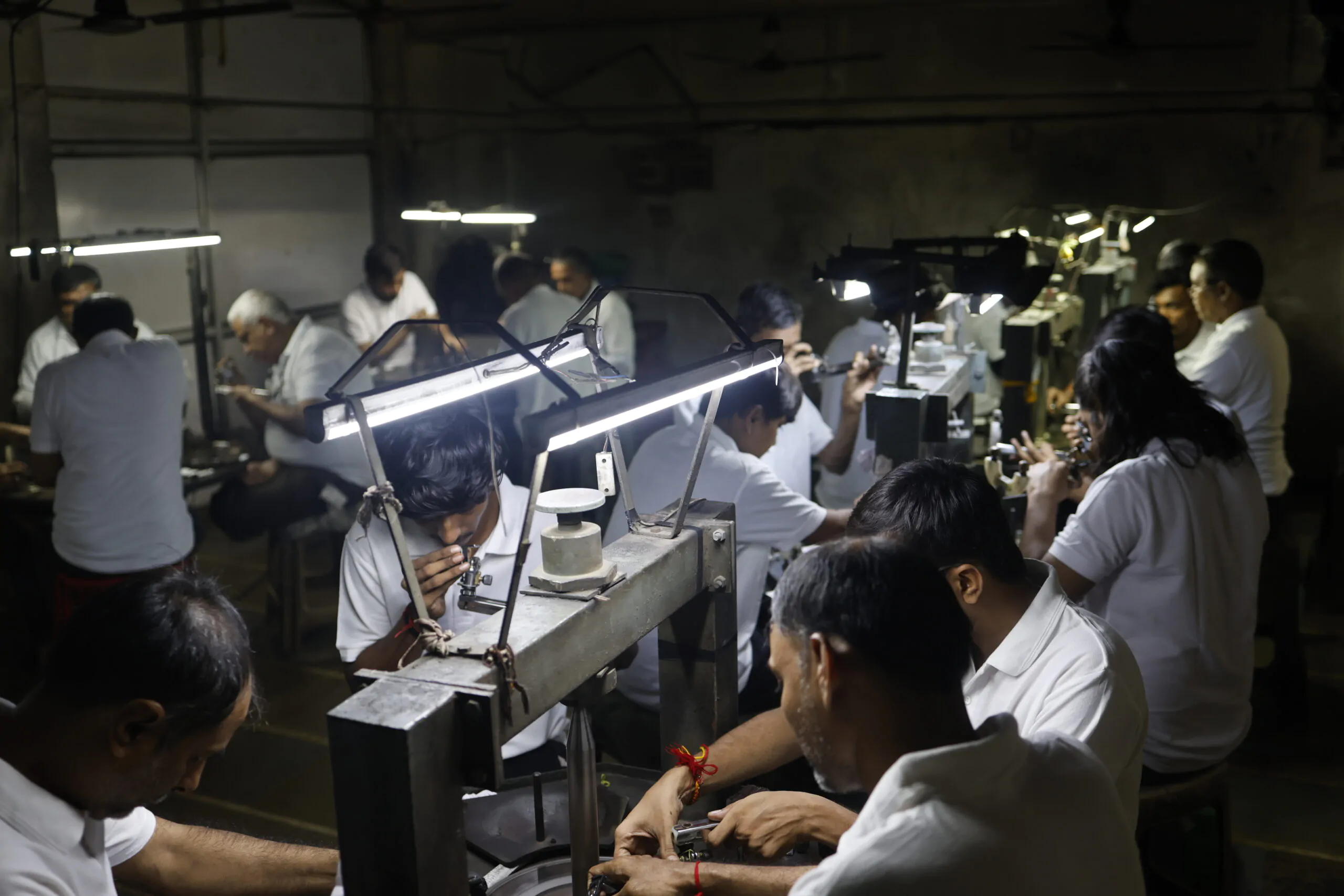
Quality control is one of the most important factors when selecting Reliable Gold Jewelry Manufacturers in USA. Jewelry contains many small and precise components, so even minor manufacturing inconsistencies can affect the appearance, durability, or functionality of the finished piece.
Ask how the manufacturer inspects jewelry during and after production. Depending on the product, quality checks may cover gold purity, dimensions, weight, gemstone security, surface finishing, soldering, polishing, clasps, prongs, engraving, and overall appearance. For gemstone jewelry, stone placement and security are particularly important because poorly set stones can create practical problems for the customer.
A professional quality-control process should not only identify defects at the end of production but should also help prevent them during earlier manufacturing stages. When discussing your project, ask what happens if a finished item does not meet the approved specifications. Understanding the inspection and correction process can provide greater clarity before placing an order.
Compare Pricing Beyond the Initial Quotation
Price is naturally an important part of selecting a gold jewelry manufacturer, but the lowest quotation is not necessarily the most useful comparison. Custom jewelry pricing can include several components, such as the gold itself, labor, CAD design, model development, casting, gemstones, setting, finishing, plating, engraving, packaging, shipping, and other production costs.
When comparing Top Gold Jewelry Manufacturers in USA, make sure quotations are based on comparable specifications. One manufacturer may quote only the manufacturing labor while another may provide an all-inclusive product price. Differences in gold purity, estimated weight, gemstone quality, finishing, or packaging can also make two apparently similar quotations significantly different.
It is better to request a detailed quotation that explains the major cost components. This allows you to understand where your investment is going and makes it easier to compare suppliers fairly. For businesses, you should also consider how production costs affect your final retail or wholesale pricing and whether the manufacturer can provide commercially viable pricing as your order quantities increase.
Consider Minimum Order Quantities
Minimum order quantity, commonly known as MOQ, is another important consideration for custom jewelry businesses. Some manufacturers may require relatively large production runs, while others may be able to accommodate smaller quantities. Your ideal manufacturing partner should fit your current business model and product development strategy.
If you are launching a new collection, smaller production quantities can help you test customer response before investing in a larger inventory. For established brands, larger production runs may provide better cost efficiency. Before moving forward, ask about sample quantities, prototype costs, production MOQs, repeat-order requirements, and whether the MOQ changes for different designs or gold specifications.
Clear communication about MOQ can prevent unexpected costs and help you plan inventory more effectively.
Ask About Production Timelines
Custom jewelry takes time because the manufacturing process involves multiple stages. A simple design may have a shorter production timeline, while a detailed piece requiring CAD development, multiple approvals, gemstones, special finishes, or complex construction may take longer.
When speaking with manufacturers, ask for an estimated timeline covering the complete process rather than only the manufacturing stage. If CAD approval is required, determine how long the design stage generally takes. If a physical sample is produced, ask how sampling affects the final production schedule.
Reliable communication is especially important if your jewelry collection is connected to a product launch, seasonal campaign, trade show, wedding collection, or retail deadline. A realistic production timeline is more useful than an overly optimistic promise that cannot be maintained.
Check Communication and Customer Support
Custom jewelry manufacturing requires ongoing communication. Even when the manufacturer has excellent technical skills, poor communication can make the project difficult. You should be able to discuss design changes, material choices, production questions, pricing, timelines, and quality concerns without unnecessary confusion.
Pay attention to how the manufacturer responds during the quotation and consultation stage. Are technical questions answered clearly? Are specifications documented? Are limitations explained honestly? Does the manufacturer ask relevant questions about your design rather than immediately giving a generic price?
These interactions can provide useful insight into how future production communication may work. A manufacturer that understands your requirements and communicates details clearly can make custom development more organized.
Review Samples Before Ordering in Bulk
Whenever possible, request a sample or prototype before placing a larger production order. A sample allows you to assess the actual physical product rather than relying entirely on photographs or digital renderings.
Examine the sample for proportions, weight, gold color, surface finish, gemstone placement, symmetry, comfort, structural strength, and overall appearance. If the product is intended for retail customers, consider how it looks under normal lighting and how comfortable it is during everyday use.
For a jewelry brand, sampling is also an opportunity to identify improvements before production. Minor changes to dimensions, finishing, stone positioning, or branding details may significantly improve the final product. Approving a sample before mass production provides a clear reference point for quality expectations.
Consider Private Label and Branding Requirements
If you are building a jewelry brand, your manufacturer may also need to support private-label requirements. These can include brand-specific hallmarks, engraving, packaging, tags, product cards, boxes, pouches, and other presentation elements.
Ask whether the manufacturer can accommodate your branding requirements and whether these services are included in the manufacturing quotation. Brand presentation is particularly important for businesses selling directly to customers because packaging and product details contribute to the overall customer experience.
A manufacturer that understands private-label jewelry production can potentially support more than the physical manufacturing process, helping businesses maintain consistency across a collection.
Verify Business Credentials and Reputation
Before committing to a long-term manufacturing relationship, conduct reasonable due diligence. Review the company’s business information, manufacturing history, customer reviews where available, portfolio, certifications or memberships where relevant, and documented quality practices.
Do not rely solely on testimonials displayed on a manufacturer’s own website. Look for consistent information across multiple sources and ask direct questions about areas that matter to your project. If a manufacturer makes claims about certifications, material sourcing, manufacturing standards, or industry credentials, request appropriate documentation where necessary.
For international buyers, additional considerations may include export documentation, shipping arrangements, customs requirements, payment terms, and communication across time zones. These practical factors can affect the overall manufacturing experience just as much as the jewelry craftsmanship itself.
Understand Shipping, Packaging, and Delivery
The manufacturing process does not end when the jewelry is completed. The finished product must be properly inspected, packaged, and delivered. Jewelry can be delicate, so appropriate packaging is important for preventing scratches, deformation, moisture exposure, or other damage during transportation.
Ask about packaging options, shipping methods, insurance, tracking, estimated delivery timelines, and responsibility for transit-related issues. If you are purchasing wholesale quantities, confirm how products will be packed and whether individual jewelry pieces will be separated or protected.
A clear delivery process helps reduce uncertainty, particularly when the jewelry is being shipped for a product launch or customer order.
Build a Long-Term Manufacturing Relationship
For jewelry businesses, finding a manufacturer should not always be viewed as a one-time purchasing decision. A reliable manufacturing relationship can become an important part of your product development strategy. Once a manufacturer understands your preferred gold specifications, finishing standards, sizing, packaging, design language, and quality expectations, future production can become more efficient.
Long-term collaboration can also make it easier to develop new collections. You can share new concepts, discuss production feasibility, refine designs, and create consistent products over time. This is particularly valuable for brands that want to expand from a few custom pieces into complete jewelry collections.
The goal is not simply to find someone who can produce one jewelry item. It is to establish a manufacturing process that can consistently support your brand and customers.
Why Jaitam Jewels Can Be Considered for Custom Gold Jewelry
Jaitam Jewels focuses on gold jewelry manufacturing and customized jewelry requirements, making it relevant for buyers looking for a manufacturing partner for custom designs. For businesses and jewelry professionals, customization can involve much more than selecting a gold color. It may include developing a particular design, choosing the appropriate gold karat, incorporating gemstones, refining dimensions, creating specific finishes, and maintaining consistency across multiple pieces.
When evaluating Jaitam Jewels alongside other Gold Jewelry Manufacturers in USA, buyers should consider their specific requirements, including design complexity, expected order quantity, customization needs, material specifications, production timeline, and desired finishing. A detailed discussion before production can help establish whether the manufacturing process aligns with the project’s expectations.
Jaitam Jewels can be considered when the objective is to develop gold jewelry around specific design requirements rather than simply selecting an existing mass-produced product. For jewelry businesses, this approach can be useful when developing private-label collections, customized designs, retailer-exclusive products, or jewelry concepts intended for a specific customer segment.
Questions to Ask a Gold Jewelry Manufacturer Before Placing an Order
Before selecting a manufacturer, preparing a short list of questions can help you compare suppliers more effectively. Ask about gold purity options, customization capabilities, CAD services, prototype development, gemstone sourcing, production capacity, MOQ, quality inspection, pricing structure, production timeline, branding options, packaging, shipping, and payment terms.
You should also ask what information the manufacturer requires before preparing a quotation. Some manufacturers may need detailed technical drawings, while others can begin with sketches or reference images. Understanding their process from the beginning helps you determine how much design development support you will receive.
For larger projects, ask how design revisions, production changes, defective items, reorders, and quality disputes are handled. Clear terms at the beginning can reduce potential misunderstandings later.
Final Thoughts
Choosing a manufacturer for custom gold jewelry requires careful evaluation of craftsmanship, materials, technology, communication, pricing, quality control, production capacity, and business reliability. Instead of choosing a supplier solely because of price or a large product catalog, consider how well the manufacturer can understand and reproduce your specific design requirements. Custom jewelry is a collaborative process, and the quality of that collaboration can have a direct effect on the final product.
Whether you are developing a single custom piece, launching a private-label collection, or sourcing jewelry for a growing retail business, researching Gold Jewelry Manufacturers in USA should involve more than comparing names. Look at manufacturing capabilities, gold specifications, sampling procedures, quality standards, customization support, order quantities, and delivery processes. Best Gold Jewelry Manufacturers in USA is not simply a phrase to search for; the right manufacturer for your project depends on how closely its capabilities match your particular requirements.
Jaitam Jewels provides a jewelry manufacturing option for businesses and buyers exploring customized gold jewelry solutions. By discussing your design concept, material requirements, quantity, finishing expectations, and production timeline in detail, you can establish a clearer manufacturing plan before moving into production. A thoughtful selection process helps create jewelry that is not only visually aligned with the original concept but also manufactured according to defined specifications and quality expectations.
For anyone researching Reliable Gold Jewelry Manufacturers in USA, the most useful approach is to focus on verifiable manufacturing capabilities, transparent communication, consistent quality, and a process that supports your specific jewelry requirements. When these factors are evaluated carefully, you can approach custom jewelry manufacturing with greater clarity and create products that are suitable for your brand, collection, or customers.