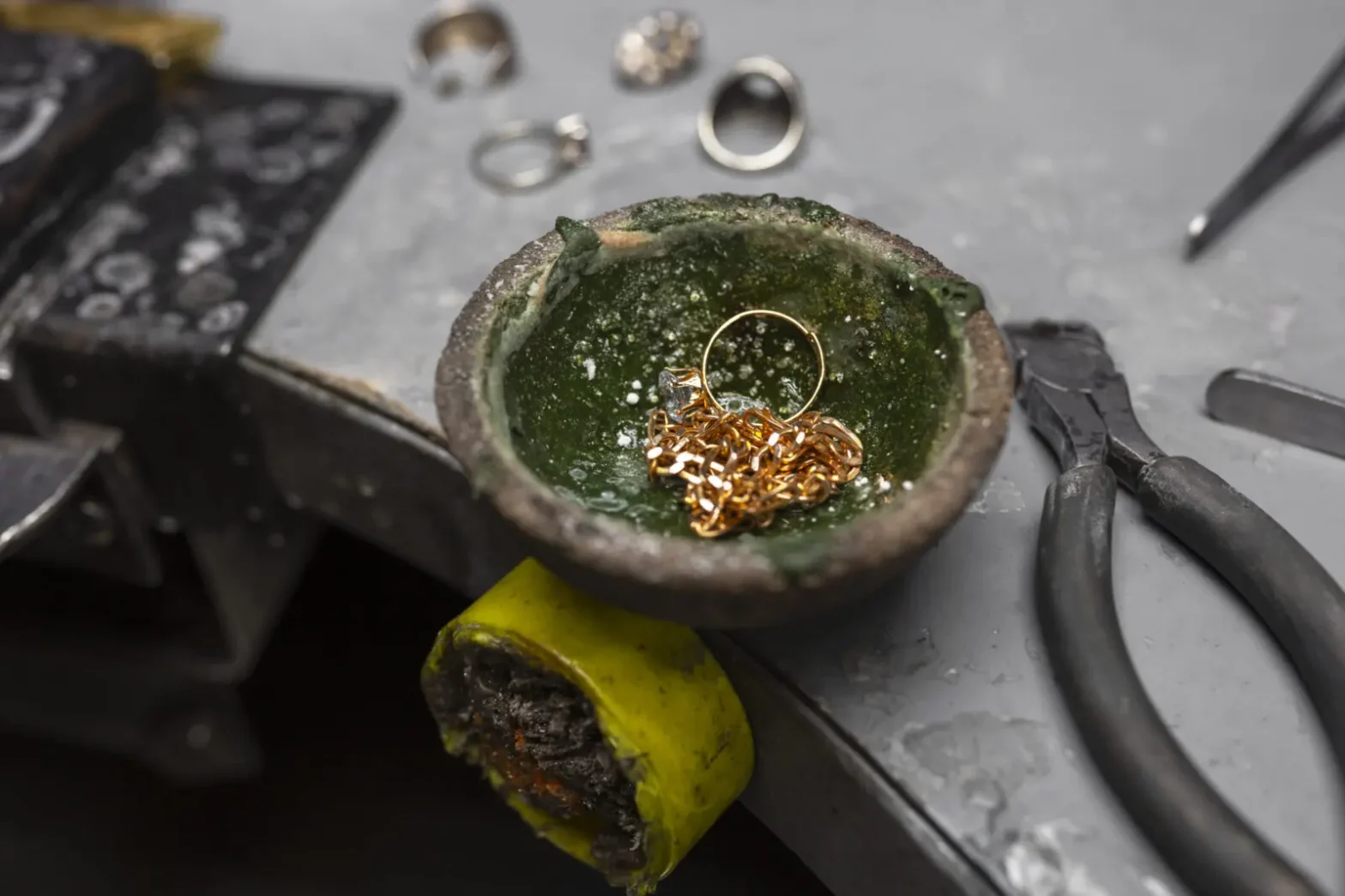
Finding the right jewelry manufacturing partner is one of the most important decisions for a jewelry brand, retailer, boutique, or growing online business. A dependable manufacturer does much more than produce jewelry; they can influence product quality, design consistency, production timelines, pricing, customization, and ultimately your customers’ experience. With so many companies offering jewelry manufacturing services, identifying a manufacturer that genuinely matches your requirements can take careful research. Whether you are launching a new collection, expanding an existing jewelry line, or looking for custom production, understanding what makes a manufacturer reliable can help you make a more confident decision. When searching for Gold Jewelry Manufacturers in USA, buyers often compare factors such as craftsmanship, gold purity, manufacturing capabilities, customization options, minimum order quantities, quality control, communication, and delivery timelines. However, the best manufacturing relationship is not always about finding the company with the lowest price. It is about finding a manufacturing partner that understands your designs, maintains consistent standards, communicates clearly, and can support your business as it grows. Jaitam Jewels understands the importance of these factors and focuses on creating jewelry solutions that combine thoughtful design, craftsmanship, and dependable production for modern jewelry businesses. What Makes a Gold Jewelry Manufacturer Reliable? A reliable gold jewelry manufacturer should be able to demonstrate consistency at every stage of production. This begins with understanding the client’s design requirements and continues through material selection, prototyping, casting, stone setting, finishing, inspection, and final delivery. A professional manufacturer should have clearly defined processes rather than relying entirely on informal or inconsistent production methods. This becomes particularly important for businesses ordering multiple pieces or building a collection where every item needs to meet the same specifications. Reliability also involves communication. Jewelry manufacturing can involve many technical details, including dimensions, gold karat, stone specifications, setting styles, finishing requirements, engraving, and packaging. A manufacturer that communicates these details clearly can reduce misunderstandings and production errors. Buyers should therefore evaluate not only the finished products but also how professionally the manufacturer handles questions, specifications, samples, revisions, and timelines. Check the Manufacturer’s Jewelry Manufacturing Experience Experience is one of the first things a jewelry business should investigate before selecting a manufacturing partner. An experienced manufacturer is generally more familiar with the technical challenges involved in producing different types of jewelry, from delicate earrings and pendants to rings, bracelets, and customized statement pieces. Manufacturing experience can also help a company identify potential design issues before production begins. Rather than relying only on how long a company has existed, examine the type of jewelry it has actually produced. A manufacturer may have extensive experience with one category but limited experience with another. If your collection includes intricate settings, lightweight designs, personalized pieces, or gemstone jewelry, ask whether the manufacturer has handled similar work. For brands evaluating the Best Gold Jewelry Manufacturers in USA, looking at previous work can provide valuable insight into craftsmanship and production capabilities. Product galleries, samples, case studies, and manufacturing portfolios can help buyers understand whether a company’s expertise aligns with their own requirements. Verify Gold Purity and Material Specifications Gold purity is a critical consideration when manufacturing gold jewelry. Common gold karats include 10K, 14K, 18K, and 22K, with different markets and product categories often favoring different options. The karat indicates the proportion of pure gold in the alloy, while other metals are added to influence strength, color, durability, and working characteristics. For example, 14K gold contains a significant proportion of pure gold while incorporating other metals to create a durable alloy suitable for everyday jewelry. 18K gold has a higher gold content and is often selected for its richer gold appearance and premium positioning. The appropriate choice depends on the product, target market, design, customer expectations, and pricing strategy. A trustworthy manufacturer should be transparent about the material specifications used in production. Buyers should ask for clear information about gold karat, alloy composition where relevant, hallmarking or stamping practices, and applicable quality documentation. Clear material information protects both the jewelry business and the end customer. Review the Manufacturer’s Custom Jewelry Capabilities Custom manufacturing is particularly important for brands that want to develop a distinctive collection. A strong manufacturing partner should be able to work from sketches, technical drawings, reference images, CAD files, or other design specifications, depending on the project. The custom process may involve converting an initial concept into a production-ready design. CAD modeling can help visualize proportions and details before a piece is manufactured. This stage gives the brand an opportunity to review dimensions, stone placement, settings, thickness, and overall appearance before production begins. A manufacturer capable of supporting customization can be especially valuable for businesses developing private-label collections. Instead of simply selecting products from an existing catalog, brands can collaborate on pieces that reflect their own aesthetic and customer preferences. Ask About CAD Design, Prototyping and Sampling Sampling is an important step between design and larger-scale production. It gives the buyer an opportunity to evaluate the physical product before committing to a larger order. Depending on the manufacturer and project, the sample process may include CAD development, a 3D model, wax or resin prototype, casting, stone setting, polishing, and final inspection. A sample can reveal issues that are difficult to identify from a digital design alone. A ring may feel heavier or lighter than expected, a pendant may need a different chain connection, or a gemstone setting may require adjustment. Making these changes before bulk production can save time and reduce unnecessary costs. When comparing Top Gold Jewelry Manufacturers in USA, ask about their sampling process, revision policy, and how design changes are handled. A manufacturer that treats sampling as an important quality-control stage can provide greater confidence before production moves forward. Evaluate the Quality of Craftsmanship Craftsmanship is at the heart of jewelry manufacturing. Even when a design looks simple, producing a well-finished piece requires attention to proportion, symmetry, surface quality, stone setting, soldering, polishing, and finishing. When evaluating a manufacturer, inspect samples closely. Look for smooth edges, secure settings, consistent finishing,… Continue reading How to Find Reliable Gold Jewelry Manufacturers in USA

Category: Jewellery Manufacturers
Custom CVD Diamond Jewelry Manufacturing in USA: The Future of Ethical Luxury

The global jewelry industry is rapidly evolving, with conscious consumers demanding transparency, sustainability, and superior craftsmanship. One of the biggest innovations shaping this transformation is CVD diamond jewelry manufacturing. In the USA, lab-grown diamonds created using Chemical Vapor Deposition (CVD) technology are redefining luxury by offering brilliance, durability, and ethical sourcing without compromise. Today, buyers no longer choose jewelry only for aesthetics—they choose it for values. At Jaitam Jewels, we specialize in custom CVD diamond jewelry manufacturing in the USA, delivering world-class designs that align with modern expectations of sustainability and innovation. As one of the best CVD diamond jewelry manufacturers in USA, Jaitam Jewels combines advanced technology with traditional craftsmanship to create timeless jewelry pieces tailored to each client’s vision. What Is CVD Diamond Jewelry and Why It Matters CVD diamonds are lab-grown diamonds created in a controlled environment that replicates the natural diamond-forming process. Unlike mined diamonds, CVD diamonds are produced without environmental damage or ethical concerns, making them a preferred choice for modern consumers and jewelers alike. Why CVD diamonds are transforming the jewelry industry: Chemically and visually identical to natural diamonds Environmentally responsible and conflict-free Superior clarity and customizable quality Cost-effective without sacrificing brilliance As one of the top CVD diamond jewelry manufacturers in USA, Jaitam Jewels ensures every diamond meets international grading standards while maintaining ethical integrity. The Rise of Custom CVD Diamond Jewelry Manufacturing in USA Customization is no longer a luxury—it’s an expectation. Customers want jewelry that reflects their personality, emotions, and milestones. This has fueled the demand for custom CVD diamond jewelry manufacturing in USA, where precision, personalization, and innovation come together. Benefits of custom manufacturing include: Personalized designs tailored to individual preferences Flexible diamond shapes, sizes, and settings Faster production timelines compared to mined diamonds Greater control over quality and budget Jaitam Jewels stands out as one of the best CVD diamond jewelry suppliers in USA, offering bespoke solutions for retailers, designers, and private clients. Why Choose USA-Based CVD Diamond Jewelry Manufacturers Working with CVD diamond jewelry manufacturers in USA ensures higher quality standards, better communication, and compliance with international regulations. USA manufacturers are known for cutting-edge technology, skilled artisans, and reliable delivery timelines. Advantages of USA manufacturing: Advanced diamond-growing and cutting technology Strict quality assurance and certification Ethical sourcing and sustainable production Seamless collaboration for custom projects At Jaitam Jewels, our USA-based manufacturing facility ensures consistency, transparency, and excellence in every piece we create. Jaitam Jewels: One of the Best CVD Diamond Jewelry Manufacturers in USA Jaitam Jewels has earned a strong reputation as one of the best CVD diamond jewelry manufacturers in USA by consistently delivering premium quality, innovative designs, and client-centric services. Our expertise spans from concept development to final polishing, ensuring every jewelry piece tells a story of precision and elegance. What sets Jaitam Jewels apart: End-to-end custom jewelry manufacturing Expert designers and master craftsmen High-grade certified CVD diamonds Scalable solutions for brands and wholesalers Whether you are a retailer or a private label brand, Jaitam Jewels is your trusted partner among top CVD diamond jewelry manufacturers in USA. CVD Diamond Jewelry Suppliers in USA: Wholesale & Private Label Solutions As one of the best CVD diamond jewelry suppliers in USA, Jaitam Jewels offers flexible wholesale and private label solutions for global jewelry brands. Our supply chain is designed to support businesses looking to scale while maintaining consistent quality. Our supplier services include: Bulk CVD diamond jewelry production Private label manufacturing for brands Custom collections for retailers Competitive pricing with premium quality We help businesses gain a competitive edge by delivering ethically sourced luxury that today’s consumers trust. Ethical, Sustainable, and Future-Ready Jewelry Sustainability is no longer optional—it is the future of the jewelry industry. CVD diamonds consume fewer natural resources and leave a significantly smaller carbon footprint than traditional mining. Why ethical buyers prefer CVD diamonds: Zero conflict sourcing Minimal environmental impact Transparent manufacturing process Alignment with ESG values Jaitam Jewels proudly supports sustainable luxury, making us one of the most responsible CVD diamond jewelry manufacturers in USA. Custom Designs for Every Jewelry Category From engagement rings to statement necklaces, CVD diamonds are suitable for every jewelry category. At Jaitam Jewels, we create custom designs across multiple segments. Our custom CVD jewelry range includes: Engagement and wedding rings Earrings, pendants, and bracelets High-fashion and everyday jewelry Men’s and unisex diamond jewelry This versatility makes us one of the top CVD diamond jewelry manufacturers in USA trusted by global brands. Conclusion: Partner with Jaitam Jewels for CVD Diamond Excellence The demand for ethical, customizable, and high-quality diamond jewelry is growing faster than ever. Custom CVD diamond jewelry manufacturing in USA offers the perfect balance of luxury, sustainability, and innovation. Choosing the right manufacturing partner is crucial to delivering exceptional value to customers. As one of the best CVD diamond jewelry manufacturers and suppliers in USA, Jaitam Jewels is committed to crafting brilliance with integrity. Whether you’re launching a new jewelry brand or expanding your existing collection, Jaitam Jewels is your trusted partner for future-ready diamond jewelry.
Why 925 Sterling Silver Jewellery Makes the Perfect Gift for Any Occasion

Choosing the perfect gift for someone special can often feel overwhelming—but with 925 Sterling Silver Jewellery, the search becomes effortless. Known for its elegance, value, and versatility, sterling silver pieces have become a timeless gifting choice for people of all ages. Whether it’s a birthday, anniversary, festive celebration, or a meaningful personal moment, 925 Sterling Silver Jewellery adds a touch of sophistication that never goes unnoticed. At Jaitam Jewels, we believe that every gift should be memorable, personal, and beautiful. That’s why our collection of the Best 925 Sterling Silver Jewellery is crafted to elevate any celebration. From modern designs to traditional classics, sterling silver continues to win hearts across India and beyond. 1. Timeless Beauty That Never Goes Out of Style 925 Sterling Silver Jewellery is cherished for its elegant shine and enduring beauty. Unlike trendy accessories that come and go, sterling silver remains forever fashionable. Its soft, luminous glow makes it suitable for all ages and styles, making it a perfect option when you’re unsure about what someone might like. Whether you choose minimalist pendants, statement rings, or classic bracelets, sterling silver always delivers a look of refined luxury. And with the growing demand for quality craftsmanship, many people now prefer to Buy 925 Sterling Silver Jewellery that stands the test of time-just like their treasured memories. 2. Suitable for Every Occasion One of the biggest reasons why sterling silver is everyone’s favourite is its versatility. You can Shop 925 Sterling Silver Jewellery for almost any event, such as: Birthdays – Elegant earrings or bracelets make excellent keepsakes Anniversaries – Silver symbolizes lasting commitment Festivals – A beautiful gift that reflects culture and craftsmanship Graduations – A meaningful way to celebrate achievements Corporate gifting – Professional yet personal Weddings & engagements – Designer sterling silver adds modern elegance Whatever the celebration, sterling silver blends beautifully with Indian culture and modern style, making it the perfect gifting choice. 3. Hypoallergenic and Skin-Friendly Many people struggle with allergies caused by base metals, especially nickel. This is where 925 Sterling Silver Jewellery shines quite literally. It is naturally hypoallergenic, making it safe for everyday wear and suitable even for those with sensitive skin. At Jaitam Jewels, our jewellery undergoes strict quality testing to ensure purity, durability, and skin-friendly comfort. This makes gifting sterling silver a safe and thoughtful choice for your loved ones. 4. Long-Lasting Durability When you Buy 925 Sterling Silver Jewellery, you’re investing in something that lasts for decades. The 92.5% pure silver alloy is known for its strength and resistance to tarnishing when cared for properly. High-quality pieces from a trusted 925 Sterling Silver Jewellery manufacturer like Jaitam Jewels are crafted with precision and attention to detail. This ensures each item stays beautiful even with daily use, making it a long-lasting gift that can be cherished for years. 5. Affordable Luxury for Everyone Sterling silver offers a luxurious appearance without the high price tag of gold or platinum. This makes it ideal for gifting when you want something premium yet budget-friendly. With so many unique designs to choose from, sterling silver lets you celebrate moments without compromising on quality. The affordability of sterling silver also allows you to curate beautifully coordinated gift sets – rings, earrings, necklaces, and bracelets-all without breaking the bank. 6. Endless Designs to Choose From When gifting jewellery, design matters-and 925 Sterling Silver Jewellery offers limitless options. From minimalist everyday wear to heavy handcrafted pieces, the choices are endless. You can find: Modern geometric designs Traditional Indian motifs Trendy oxidized pieces Personalized jewellery Gemstone-studded silver designs Custom engraving options As a leading 925 Sterling Silver Jewellery supplier, Jaitam Jewels offers stunning collections curated for all tastes, ensuring you always find the perfect gift. 7. Easy to Maintain Sterling silver requires minimal upkeep to maintain its shine. Simple cleaning methods like polishing with a soft cloth or using mild cleaning solutions can restore its brilliance within seconds. This makes sterling silver the ideal gift for someone who loves wearing jewellery regularly but prefers minimal maintenance. Moreover, storing it properly ensures it stays new for years. A gift that is both stunning and easy to care for is always appreciated. 8. Sentimental Value That Lasts Jewellery has a deep emotional connection-it symbolizes love, effort, and thoughtfulness. When you gift 925 Sterling Silver Jewellery, you’re giving more than just an accessory. You’re offering a keepsake that holds memories of the special moment it was given. Whether it’s a personalized charm, a couple’s ring, or a friendship bracelet, sterling silver becomes a treasure that one can hold onto forever. Conclusion If you’re searching for a gift that combines beauty, affordability, sentiment, and durability, 925 Sterling Silver Jewellery is the perfect choice. Its timeless appeal, skin-friendly nature, and versatility make it the ideal present for any celebration-big or small. At Jaitam Jewels, we bring you the Best 925 Sterling Silver Jewellery crafted with precision, purity, and passion. Whether you want to Shop 925 Sterling Silver Jewellery, customize a design, or explore our premium collections, we ensure you find something truly unforgettable. Celebrate your special moments with elegance-celebrate them with Jaitam Jewels.
Top Qualities That Make a Jewelry Manufacturer the Best in the Industry
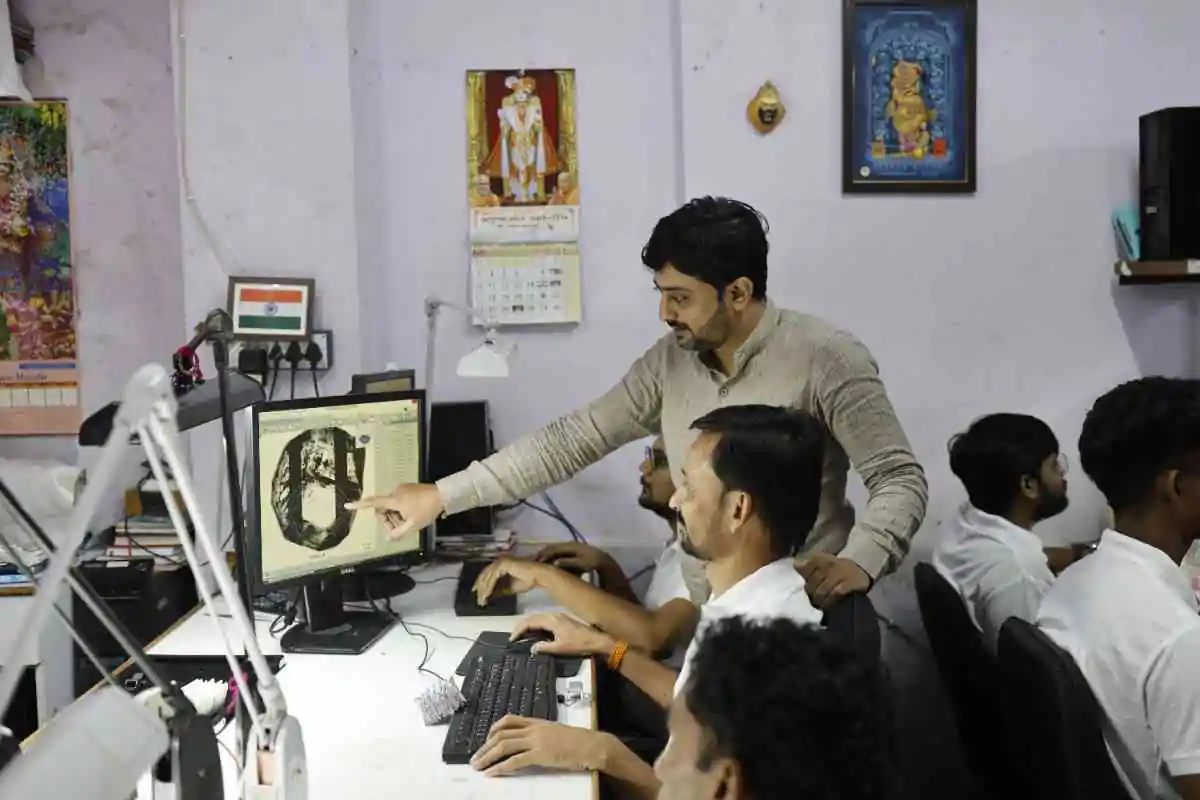
The jewelry industry is evolving rapidly, and choosing the right manufacturer is crucial for retailers, wholesalers, and even individual buyers. From traditional gold and silver jewelry to lab-grown diamond jewelry and CVD diamond suppliers in USA, the demand for innovation and quality has never been higher. If you are searching for the best jewelry manufacturer in USA, it is important to understand the qualities that set the top companies apart. At Jaitam Jewels, we believe that jewelry manufacturing goes beyond just creating designs – it is about maintaining international standards, adopting advanced technology, and ensuring customer satisfaction. In this blog, we will explore the top qualities that make a jewelry manufacturer the best in the industry and why companies like top CVD diamond suppliers in USA and lab-grown jewelry manufacturers in USA are becoming the future of the jewelry business. Superior Craftsmanship and Quality Control The first quality that defines the best jewelry manufacturer in USA is unmatched craftsmanship. Jewelry is not just an accessory; it is a statement of elegance and style. Manufacturers must ensure that every piece is polished to perfection, with careful attention to detail. High-quality control standards ensure that the jewelry retains its shine, durability, and strength for years. From gold and silver jewelry to lab-grown diamonds, maintaining precision in cutting, polishing, and finishing is what sets apart leading manufacturers like Jaitam Jewels. Innovation with Lab-Grown Diamonds The global jewelry market is shifting toward sustainability, and lab-grown jewelry manufacturers in USA are at the forefront of this change. Lab-grown diamonds offer the same brilliance and sparkle as natural diamonds but are created in controlled environments, making them ethical and eco-friendly. The top lab-grown diamond suppliers in USA provide diamonds that are chemically, physically, and optically identical to mined ones. By adopting this modern trend, manufacturers can deliver affordable yet luxurious jewelry pieces without compromising on quality or authenticity. Reliable CVD Diamond Suppliers in USA Another key factor is the reliability of CVD diamond suppliers in USA. Chemical Vapor Deposition (CVD) is one of the most advanced methods used to create high-quality diamonds. The top CVD diamond suppliers in USA ensure that their diamonds are cut, polished, and certified to meet international standards. Retailers and jewelers prefer partnering with trusted suppliers like Jaitam Jewels, as it guarantees consistency in supply and quality. This reliability helps businesses scale while offering customers ethical and brilliant diamond options. Customization and Design Expertise Every jewelry brand wants to stand out with unique designs. The best jewelry manufacturer in USA offers customization services that allow brands to bring their visions to life. From wedding rings to luxury collections, manufacturers should be equipped with in-house designers who can create bespoke jewelry tailored to customer needs. At Jaitam Jewels, our team of expert designers combines creativity with advanced CAD technology to deliver customized pieces. This ensures that every client receives jewelry that reflects their style, tradition, and uniqueness. Use of Advanced Technology Modern jewelry manufacturing is not limited to manual craftsmanship. The top jewelry manufacturers in USA leverage advanced technologies like 3D printing, CAD (Computer-Aided Design), and precision laser cutting. These innovations help in producing flawless designs with faster turnaround times. For instance, lab-grown jewelry manufacturers in USA use cutting-edge technology to produce diamonds that are both affordable and sustainable, catering to the demands of eco-conscious consumers. Ethical Sourcing and Sustainability Today’s consumers prefer jewelry that aligns with their values. The best jewelry manufacturer in USA prioritizes ethical sourcing, ensuring that their raw materials are conflict-free and eco-friendly. This is where lab-grown jewelry manufacturers in USA and CVD diamond suppliers in USA take the lead. By promoting sustainable alternatives, companies like Jaitam Jewels are not only protecting the environment but also building long-term trust with clients. Ethical manufacturing practices also strengthen a brand’s global reputation. Transparency and Certification When dealing with precious stones like diamonds, certification is non-negotiable. The top CVD diamond suppliers in USA and lab-grown diamond suppliers provide certifications from recognized institutions like IGI and GIA. Transparency in quality, pricing, and sourcing helps build strong relationships between manufacturers and buyers. Jaitam Jewels ensures that every diamond and jewelry piece we deliver comes with complete documentation, making us a trusted name in the industry. Strong Global Supply Chain For any manufacturer, timely delivery and a strong supply chain are essential. The best jewelry manufacturer in USA ensures that their clients never face shortages or delays. Reliable logistics and international networks allow them to serve both domestic and global clients effectively. For example, the top lab-grown diamond suppliers in USA maintain consistent production and distribution channels, ensuring jewelers can meet customer demands quickly and efficiently. Competitive Pricing without Compromising Quality While jewelry is associated with luxury, pricing plays a vital role in the decision-making process. The best jewelry manufacturers in USA strike the right balance between affordability and quality. This is particularly true for lab-grown jewelry manufacturers in USA, who provide diamonds at nearly 30-40% less than natural ones while maintaining the same quality. Jaitam Jewels ensures competitive pricing, allowing retailers, wholesalers, and individuals to access premium jewelry without breaking the bank. Excellent Customer Service and Long-Term Partnerships Last but not least, the best jewelry manufacturer in USA values long-term relationships over one-time sales. Exceptional customer support, after-sales service, and transparent communication make clients return again and again. Whether you are sourcing from top CVD diamond suppliers in USA or lab-grown diamond suppliers in USA, the quality of customer service is just as important as the product itself. Jaitam Jewels takes pride in offering personalized solutions that ensure complete satisfaction. Conclusion Choosing the best jewelry manufacturer in USA involves more than just evaluating the final product. From craftsmanship and innovation to sustainability and customer service, the qualities outlined above define the industry leaders. As a trusted name in jewelry, Jaitam Jewels stands out as one of the top lab-grown diamond suppliers in USA and a reliable partner for businesses seeking CVD diamond suppliers in USA. With a focus on quality, ethics, and innovation,… Continue reading Top Qualities That Make a Jewelry Manufacturer the Best in the Industry
Turn Your Jewelry Designs into Reality: Partnering with a USA Jewelry Manufacturer
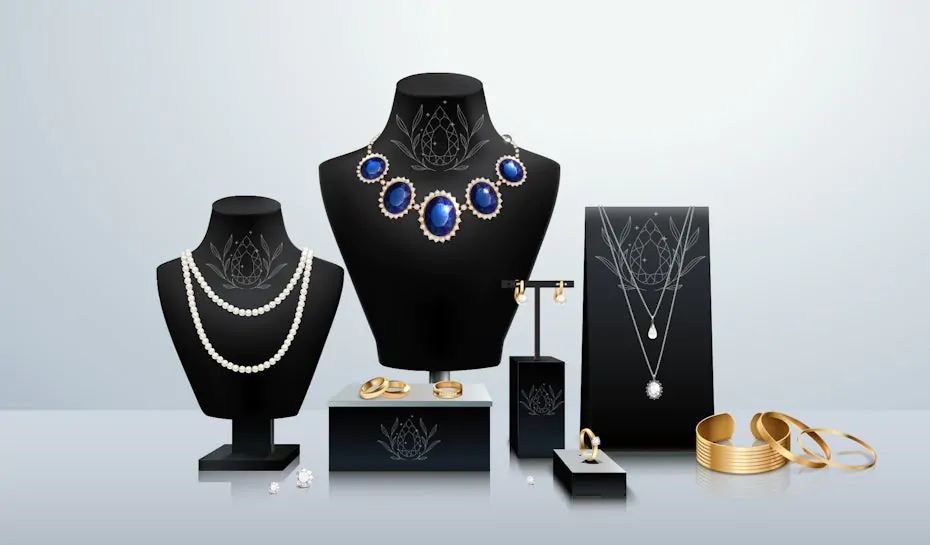
Every jewelry piece begins as an idea — a glimmer of inspiration, a sketch on paper, or a dream to start your own brand. But transforming that vision into a beautifully crafted, market-ready product requires the right manufacturing partner. In today’s globalized market, partnering with a USA Jewelry Manufacturer offers unmatched quality, trust, and precision. Whether you’re an independent designer or an established brand looking to scale, choosing the best jewelry manufacturer in the USA can make or break your journey. This blog will guide you through the benefits, process, and important considerations of collaborating with an American jewelry manufacturer to bring your creations to life. Why Choose a Jewelry Manufacturer in the USA? Working with a jewelry manufacturer in the USA provides several advantages — from streamlined communication and faster turnaround times to strict quality control and ethical production practices. American manufacturers typically follow industry and environmental regulations that ensure responsible sourcing and production. Additionally, local manufacturing means reduced shipping costs and fewer import complications. It also gives you more control over prototyping and quality assurance — essential when launching or scaling a premium jewelry line. Turning Designs into Physical Pieces: The Process Explained The journey from design to finished jewelry involves several critical steps: Concept Development & CAD Modeling Material Sourcing Wax Prototyping & Molding Casting & Stone Setting Polishing & Finishing Touches Quality Inspection & Packaging A USA jewelry manufacturer with in-house teams ensures that each step is handled with precision and transparency. You’ll have regular checkpoints to ensure the final piece matches your design — making the entire experience smooth and collaborative. Custom Jewelry Manufacturing Services in the USA Custom jewelry design requires more than just craftsmanship; it demands attention to detail and technical expertise. Top USA jewelry manufacturers like Jaitam Jewels provide CAD/CAM services, rapid prototyping, and bespoke stone setting techniques to translate even the most complex designs into wearable art. Whether you’re working on a high-end bridal collection or limited-edition fashion pieces, working with the best jewelry manufacturer in the USA ensures your vision remains the heart of every piece. Ethical Sourcing & Sustainable Production In today’s socially conscious marketplace, customers are looking for brands that prioritize sustainability and ethical sourcing. Most jewelry manufacturers in the USA follow guidelines set by organizations like the Responsible Jewellery Council (RJC) and source conflict-free diamonds and metals. Partnering with a U.S.-based manufacturer like Jaitam Jewels also supports local artisans, reduces your carbon footprint, and reinforces your brand’s commitment to ethical luxury. B2B Jewelry Manufacturing: Scalability & Reliability If you’re a jewelry brand looking to scale operations, U.S. manufacturers are equipped to handle both small and large batch production. Many offer flexible minimum order quantities (MOQs) and scalable production models — making it easier to grow without compromising on quality or timelines. The best part? You can have direct communication with designers, quality control specialists, and logistics managers — eliminating guesswork and delays. Quality Assurance & Brand Reputation High-quality craftsmanship directly reflects your brand’s reputation. The best jewelry manufacturers in the USA adhere to strict quality control protocols, ensuring your products meet the highest standards before reaching your customers. American-made jewelry carries a reputation for excellence, which enhances customer trust and allows you to position your brand in the premium or luxury market segment. How Jaitam Jewels Can Help You Manufacture Your Jewelry Line At Jaitam Jewels, we specialize in turning creative visions into stunning jewelry collections. As a leading USA jewelry manufacturer, we offer end-to-end services including design assistance, 3D modeling, casting, gemstone setting, polishing, and packaging. Our experienced craftsmen, designers, and production experts work closely with you to ensure every piece is aligned with your brand identity, design goals, and budget. From bespoke rings to high-volume fashion jewelry, we offer quality, reliability, and innovation at every step. What to Consider When Choosing a Jewelry Manufacturing Partner Before finalizing a manufacturer, make sure you evaluate: Experience in Your Niche (bridal, fashion, fine jewelry, etc.) Transparency in Process & Pricing Turnaround Times & Communication Ethical & Environmental Certifications Client Reviews and Portfolio Choosing the right jewelry manufacturer in the USA isn’t just about price — it’s about building a long-term partnership that supports your vision and growth. Final Thoughts: Bring Your Jewelry Designs to Life with Confidence Creating a jewelry line is more than just producing beautiful pieces — it’s about telling a story, building a brand, and delivering value. By partnering with a trusted USA jewelry manufacturer like Jaitam Jewels, you gain a committed team dedicated to excellence at every stage of production. Whether you’re a startup or an established name in the market, we’re here to bring your jewelry dreams to life — ethically, precisely, and beautifully.
How to Choose a Reliable Diamond Jewelry Manufacturer in USA
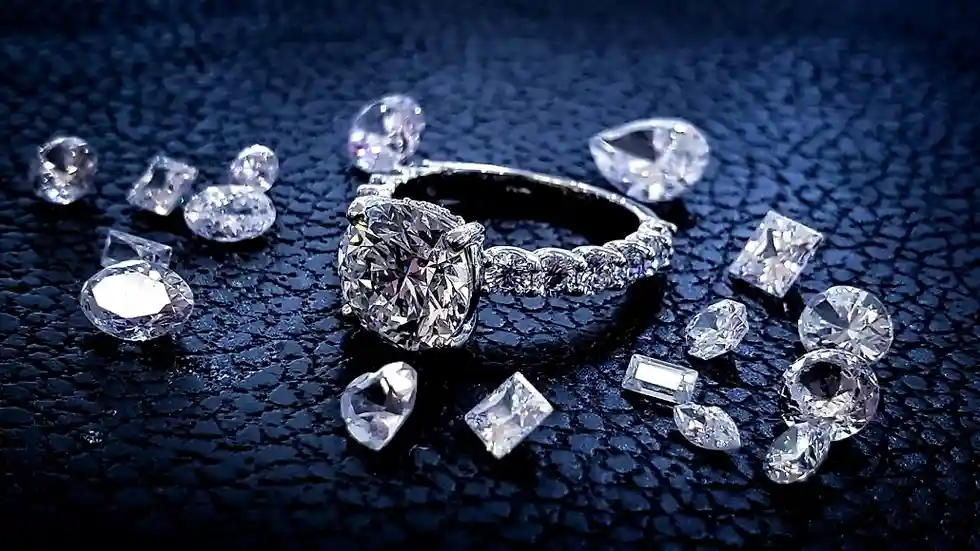
Finding a trustworthy Diamond Jewelry Manufacturer in USA can be the key to success for your jewelry business or brand. Whether you’re a retailer, designer, or wholesaler, your manufacturer plays a vital role in maintaining the quality, consistency, and authenticity of your jewelry collection. With rising competition and consumer demand for ethical, high-quality products, it’s more important than ever to choose the right manufacturing partner. At Jaitamjewels.com, we understand the importance of quality and trust when it comes to manufacturing. With our commitment to craftsmanship and transparency, we’ve become one of the top choices for businesses looking for a Reliable Diamond Jewelry Manufacturer in USA and also a trusted name in 925 silver jewelry manufacturing. 1. Verify Certifications and Ethical Practices One of the first things you should look for in a Reliable Diamond Jewelry Manufacturer in USA is their certification. Reputable manufacturers comply with industry standards such as GIA, IGI, or Kimberley Process Certification for conflict-free diamonds. These certifications ensure that your diamonds are ethically sourced and of verified quality. Additionally, ask if the manufacturer provides documentation and guarantees for both natural and lab-grown diamonds. Responsible sourcing and ethical labor practices are not only good for the planet—they’re also increasingly demanded by today’s conscious consumers. 2. Evaluate Product Quality and Craftsmanship A strong portfolio speaks volumes. When selecting a Diamond Jewelry Manufacturer USA, review their product catalog, check for consistency in design and finish, and ask for sample pieces. Look closely at setting styles, diamond alignment, metal polishing, and detailing. The best manufacturers—like Jaitam Jewels—combine traditional artistry with modern technology like 3D CAD design and laser engraving. We take pride in delivering unmatched detail, whether it’s high-end bridal jewelry or everyday diamond collections, along with high-quality 925 silver jewelry that meets U.S. market standards. 3. Check Customization Capabilities Customization is a critical factor in today’s jewelry market. Whether you’re a designer looking to launch your own label or a retailer wanting exclusive collections, choose a manufacturer who offers tailored solutions. The ideal Diamond Jewelry Manufacturer in USA should provide end-to-end customization, including CAD renderings, mold making, gemstone sourcing, and final assembly. At Jaitamjewels.com, we provide seamless private label and white-label jewelry manufacturing, giving you creative control and flexibility. 4. Assess Production Capacity and Turnaround Time A reliable manufacturer must be able to meet your deadlines without compromising on quality. Ask about their monthly production capacity, order minimums, and lead times. Whether you need small-batch production or large-volume orders, your Reliable Diamond Jewelry Manufacturer in USA should be capable of scaling as per your business growth. At Jaitam Jewels, we maintain a balance of quality and efficiency, offering both small-batch luxury manufacturing and bulk production options with dependable timelines. 5. Compare Pricing and Transparency Price matters—but so does clarity. While cheaper manufacturers may seem attractive, they may cut corners on materials or quality. Instead, look for competitive pricing with complete transparency on diamond grading, metal purity, and labor costs. As a trusted Diamond Jewelry Manufacturer USA, we ensure our clients receive accurate quotations, detailed invoices, and consistent pricing models, especially on bulk orders and long-term collaborations. We also offer affordable solutions in the 925 silver jewellery manufacturer USA category for businesses looking to expand into sterling silver collections. 6. Look for Long-Term Business Support A manufacturer isn’t just a supplier—they should be a long-term partner in your brand’s success. Look for someone who offers after-sales support, packaging solutions, shipping logistics, and even branding consultation if needed. At Jaitamjewels.com, we go beyond production by offering digital catalog creation, social media-ready images, and quality checks to support your sales process. That’s what makes us not just a manufacturer, but a partner. 7. Read Reviews and Ask for Client References Word of mouth still matters. Check Google reviews, LinkedIn endorsements, or third-party ratings of your shortlisted manufacturers. Ask for referrals or testimonials from past clients, especially if you’re planning large-scale investments. Being a Reliable Diamond Jewelry Manufacturer in USA, we at Jaitam Jewels have earned the trust of clients across the U.S. for our transparent processes, exceptional craftsmanship, and ethical practices. We’re also proud to be recognized as a best 925 silver jewellery manufacturer USA, with a loyal client base across retail and wholesale markets. Final Thoughts Choosing the right Diamond Jewelry Manufacturer in the USA is about aligning with a brand that shares your values in quality, ethics, and business integrity. From raw material sourcing to the final piece that lands in your customer’s hands, every detail matters. At Jaitamjewels.com, we are committed to offering premium manufacturing services tailored to your brand’s unique identity. Whether you need custom diamond rings, bridal sets, or sterling silver jewelry collections, we’re here to turn your vision into reality.
The Rising Trend of Healing Crystals and Gemstones in the USA

In recent years, healing crystals and gemstone jewelry have grown from niche interest to mainstream trend in the United States. Once primarily used in spiritual and alternative healing circles, gemstones are now worn for their beauty, symbolism, and supposed energetic properties. From Hollywood celebrities to yoga enthusiasts, more people are embracing crystal energy as a part of their lifestyle. This growing demand is also shaping the jewelry industry, especially in areas like custom gemstone jewelry wholesale in USA, where style meets personalization and spiritual meaning. At Jaitam Jewels, we recognize this transformation and proudly offer ethically sourced, customizable pieces that blend tradition, elegance, and holistic benefits. 1. Why Healing Crystals Are Trending in the USA The rising popularity of holistic health has propelled gemstones into the spotlight. Consumers are now more aware of how their physical and emotional well-being connects with natural elements like crystals. Stones like amethyst, rose quartz, and citrine are believed to offer calmness, love, and success respectively. This belief has helped gemstone jewelry become a top seller, not only in fashion but also in wellness stores. 2. Customization Meets Spirituality Today’s buyers want more than just aesthetics; they want jewelry that reflects their personality and intentions. This has made custom jewelry manufacturers and gemstone artisans more relevant than ever. Whether it’s birthstone rings, engraved pendants, or chakra bracelets, the ability to personalize gemstone jewelry for specific energies is a major driver behind the trend in the USA market. 3. Role of Social Media in Popularizing Crystals Platforms like Instagram and TikTok have played a massive role in making healing crystals a cultural phenomenon. Influencers showcase crystal rituals, daily affirmations, and gemstone styling tips. With hashtags like #crystalhealing and #gemstonejewelry trending, U.S. shoppers are turning to these beautiful stones for both energy alignment and accessorizing goals. 4. Ethical Sourcing Becomes a Priority Modern consumers care about where their products come from. There’s a growing shift toward purchasing from companies that offer ethical gemstone jewelry wholesale in USA. At Jaitam Jewels, we ensure all our gemstones are responsibly sourced. This commitment builds trust and resonates with customers who value transparency and sustainability. 5. Custom Gemstone Jewelry for Every Occasion Gone are the days when gemstone jewelry was only for special events. Now, people wear healing crystals daily—for office wear, yoga sessions, or casual outings. This has created a surge in demand for custom gemstone jewelry wholesale in USA, where pieces can be designed with intention for everyday wear while still offering healing properties. 6. Popular Gemstones in the US Market While every stone has its own significance, some gems are especially popular among American buyers. Amethyst for calmness, moonstone for emotional balance, and black tourmaline for protection top the list. Gemstone jewelry wholesale in USA thrives on these timeless favorites, providing reliable inventory for businesses that cater to the growing holistic market. 7. Retailers & Boutiques Joining the Crystal Craze Boutiques across the USA—from Brooklyn to LA—are dedicating sections to crystal jewelry. Many partner with custom jewelry manufacturers to create unique collections that reflect local tastes and trends. This personalization strategy keeps inventory fresh and helps retailers connect deeply with their spiritually-minded clientele. 8. Benefits of Buying Wholesale Gemstone Jewelry Buying from a reliable gemstone jewelry wholesale in USA provider ensures better quality control, cost-efficiency, and consistency. This is especially important for resellers and boutique owners. Jaitam Jewels offers handcrafted gemstone jewelry in bulk quantities while maintaining customization options and ethical sourcing. This makes us a go-to supplier for American businesses looking to grow in this niche. 9. Wellness Meets Fashion: A Lasting Trend The combination of inner healing and outer beauty is more than a trend—it’s a lifestyle shift. Consumers want pieces that align their mind, body, and style. This convergence opens opportunities for both spiritual and fashion-forward entrepreneurs to capitalize on the demand for gemstone jewelry. 10. How Jaitam Jewels Supports This Movement At Jaitam Jewels, we offer complete customization options as a custom jewelry manufacturer and specialize in custom gemstone jewelry wholesale in USA. From ethically sourced raw stones to finished pieces, we cater to retailers and spiritual entrepreneurs who want to bring purpose-driven jewelry to their customers. Our designs are rooted in tradition but tailored for the modern market, ensuring every piece tells a story of meaning, craftsmanship, and conscious luxury. Conclusion The rise of healing crystals and gemstone jewelry in the USA is no passing phase—it reflects a deeper shift toward mindful living, ethical consumption, and personalization. Whether you’re a wellness enthusiast or a business owner looking to expand into spiritually-inspired fashion, there’s never been a better time to explore the world of gemstone jewelry. With Jaitam Jewels as your trusted partner in ethical gemstone jewelry wholesale in USA, you can offer your customers more than just accessories—you offer intention, energy, and timeless beauty crafted with care.
What to Look for in a Reliable Custom Diamond Jewelry Manufacturer
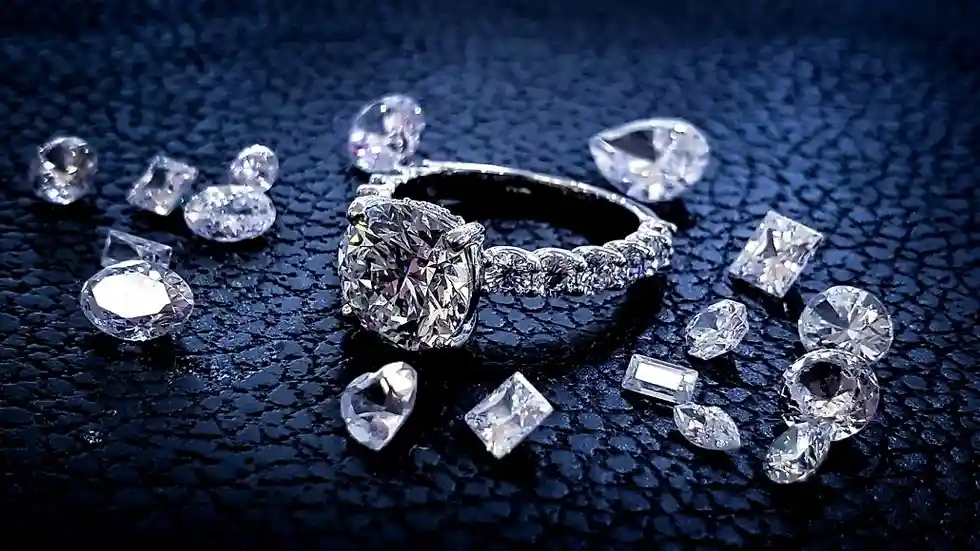
The demand for bespoke jewelry is on the rise as consumers and retailers alike look for uniqueness, craftsmanship, and a personalized touch. Whether you’re a brand aiming to create your signature line or a retailer sourcing unique pieces, working with the right custom diamond jewelry manufacturer can make all the difference. A reliable partner will not only bring your vision to life but also ensure quality, consistency, and timely delivery. In a competitive market like India — especially in hubs such as Jaipur — it’s essential to distinguish between ordinary and exceptional manufacturers. With so many claiming to be the best jewelry manufacturer Jaipur has to offer, finding a trustworthy and experienced supplier can be challenging. This guide will help you understand what to look for when choosing a diamond jewelry manufacturer for your business or personal needs. 1. Experience and Craftsmanship Matter Most The first thing to consider when choosing a custom diamond jewelry manufacturer is their level of experience. Jewelry-making is an intricate art that requires years of expertise, especially when working with precious stones like diamonds. A skilled manufacturer should have a strong portfolio showcasing previous custom projects, a history of successful collaborations, and a reputation for delivering quality craftsmanship. Manufacturers like Jaitam Jewels combine decades of experience with modern techniques to produce timeless and trendsetting pieces. Whether you need engagement rings, custom necklaces, or exclusive retail designs, partnering with a seasoned diamond jewelry supplier Jaipur will ensure your product stands out in terms of design and finish. 2. In-House Design and Manufacturing Capabilities A reliable diamond jewelry manufacturer should offer end-to-end services — from initial sketches to final product delivery. This includes CAD design, stone sourcing, setting, polishing, and quality checks. Having everything in-house ensures better control over quality, timelines, and cost-efficiency. At Jaitam Jewels, in-house capabilities mean faster production, customization flexibility, and a seamless experience for clients. Whether you’re seeking a one-of-a-kind piece or bulk orders, working with a manufacturer that controls the full process ensures consistency in design and finish. 3. Quality of Diamonds and Ethical Sourcing The quality of diamonds used in your jewelry directly impacts its value and reputation. A trusted custom diamond jewelry manufacturer should be transparent about diamond sourcing, grades, and certifications. Ensure they use ethically sourced stones, preferably certified by reputed bodies like GIA or IGI. Transparency is also essential when choosing the best wholesale silver jewelry supplier. Quality isn’t limited to diamonds alone — the metalwork, especially in silver jewelry, should be hallmarked and treated to resist tarnish and wear. Jaitam Jewels stands out in this regard, offering verified and responsibly sourced diamonds along with top-quality silver and gold craftsmanship. 4. Customization Flexibility and Design Innovation One of the biggest advantages of choosing a custom diamond jewelry manufacturer is the freedom to create something unique. The ideal partner should be able to understand your ideas, suggest design improvements, and adapt to changing trends. Look for a manufacturer that stays ahead of design trends and uses advanced technology like 3D printing and CAD to bring your vision to life. Whether you’re launching a new product line or fulfilling exclusive customer requests, Jaitam Jewels combines artistic tradition with modern aesthetics to create highly customizable and innovative designs. 5. Strong Supply Chain and Timely Delivery For retailers and wholesalers, working with a manufacturer who can deliver on time — every time — is critical. Delays in the jewelry business can lead to missed seasons, lost sales, and damaged brand reputation. Choose a diamond jewelry supplier Jaipur that has a reliable logistics system and proven track record of punctual delivery. At Jaitam Jewels, timely production and dispatch are integral to operations. Whether you’re sourcing for festive seasons, weddings, or international export, you can count on them to meet deadlines without compromising quality. 6. Client Communication and After-Sales Support Efficient communication is key to any successful business relationship. A responsive diamond jewelry manufacturer should keep you informed throughout the production process and provide updates on timelines, materials, and shipping. Look for a partner who values long-term relationships and provides excellent after-sales service, including resizing, repairs, or warranty support. Jaitam Jewels prioritizes customer satisfaction and builds transparent, ongoing partnerships with clients globally. Their professional team ensures that every query is handled promptly and every order is completed to exact specifications. 7. Certifications and Industry Recognition Always check for industry certifications and recognitions when shortlisting manufacturers. The best jewelry manufacturer Jaipur will be registered with relevant trade bodies and comply with international standards of quality and safety. Certifications not only assure authenticity but also increase the resale and export value of your jewelry. As a recognized and trusted custom diamond jewelry manufacturer, Jaitam Jewels is backed by years of credibility, trusted certifications, and satisfied customers across India and beyond. Final Thoughts Choosing the right custom diamond jewelry manufacturer is about more than just product creation — it’s about building a lasting partnership rooted in trust, quality, and creativity. From sourcing ethically mined diamonds to delivering intricate customized pieces, manufacturers like Jaitam Jewels continue to set the gold standard in the jewelry industry. Whether you’re a retailer seeking the best wholesale silver jewelry supplier, or a brand looking to launch a custom diamond line, Jaitam Jewels — a leading diamond jewelry supplier Jaipur — is your go-to destination for excellence, integrity, and unmatched design.
CVD Diamond Jewelry: The Future of Sustainable Luxury

In today’s world, luxury is not just about beauty and rarity — it’s about responsibility and sustainability. That’s where CVD Diamonds come in. CVD (Chemical Vapor Deposition) diamonds are real diamonds, created in laboratories under controlled conditions, offering the same brilliance as mined stones. Many people are now seeking more ethical alternatives, and CVD diamond jewelry perfectly matches this new demand for sustainable luxury. At Jaitam Jewels, we believe in offering jewelry that reflects both elegance and ethical values. As the Best jewellery manufacturer in Jaipur and a Reliable custom Jewelry Manufacturer, we are proud to offer stunning CVD diamond pieces that align with eco-conscious lifestyles. Whether you’re looking for dazzling engagement rings or timeless earrings, our collections showcase how ethical jewelry manufacturers are shaping the future of fine jewelry. What Makes CVD Diamonds So Special? CVD diamonds are chemically, physically, and optically identical to natural diamonds. The only difference is their origin — rather than being mined from the earth, they are grown in high-tech labs. This method drastically reduces the environmental impact associated with traditional mining. Choosing CVD Diamonds means supporting a cleaner, more responsible jewelry industry. Plus, they often come at a better price point, allowing you to own a larger or higher-quality stone without breaking the bank. It’s luxury without compromise. CVD Diamonds and Ethical Jewelry As the global jewelry market evolves, more buyers are prioritizing ethical sourcing and transparency. Ethical Jewelry Manufacturers like Jaitam Jewels are leading this change by providing options that are not only beautiful but also socially responsible. Unlike traditionally mined diamonds, CVD diamonds have a traceable origin. This helps eliminate concerns about conflict diamonds or unfair labor practices, ensuring that your jewelry truly reflects the best of human values and craftsmanship. The Role of Jaipur in Jewelry Innovation Jaipur has long been a hub for exquisite jewelry craftsmanship, blending tradition with innovation. Today, it’s also becoming a center for sustainable jewelry production. As the Best jewellery manufacturer in Jaipur, Jaitam Jewels is proud to uphold the city’s legacy while embracing modern practices like using CVD diamonds. Our artisans combine centuries-old techniques with new-age materials to create jewelry that’s timeless yet forward-looking. When you purchase from us, you’re not just buying a piece of jewelry — you’re investing in a legacy of artistry and responsibility. Benefits of Choosing CVD Diamond Jewelry There are countless reasons why CVD diamonds are gaining popularity among jewelry lovers. First, they are eco-friendly and free from the destructive effects of mining. Second, they are physically identical to mined diamonds, offering the same sparkle and hardness. Third, CVD diamonds can be customized easily, making them perfect for personalized designs. As a Reliable custom Jewelry Manufacturer, Jaitam Jewels specializes in creating custom pieces that meet your unique style and preferences. Whether it’s an engagement ring, a pendant, or a statement bracelet, CVD diamonds ensure your jewelry is both stunning and sustainable. Wholesale Opportunities with CVD Diamond Jewelry The demand for sustainable luxury is growing rapidly, opening huge opportunities for retailers and resellers. If you’re looking for the Best Wholesale Silver Jewelry Supplier or CVD diamond jewelry at wholesale rates, Jaitam Jewels has you covered. We offer competitive prices, excellent quality, and flexible customization options to help you build your jewelry business responsibly. Our wholesale clients appreciate our commitment to timely deliveries, innovative designs, and ethical sourcing, making us a trusted partner globally. Custom Jewelry with a Sustainable Touch One of the most exciting aspects of CVD diamonds is their versatility. At Jaitam Jewels, we specialize in creating reliable custom jewelry that resonates with individual stories and styles. Whether you dream of a minimalist design or a grand statement piece, we bring your vision to life. Custom CVD diamond jewelry offers an incredible opportunity to design responsibly. You get a masterpiece that reflects your values, your love for beauty, and your support for a better future. And with Jaitam Jewels as your partner, you can trust the quality and craftsmanship at every step. The Growing Trend of CVD Diamond Engagement Rings More and more couples are choosing CVD diamond engagement rings as a symbol of their love and shared values. Eco-conscious millennials and Gen Z buyers prefer ethical options without compromising on beauty or authenticity. At Jaitam Jewels, our collection of CVD diamond engagement rings is designed to celebrate modern love stories. From classic solitaires to intricate vintage-inspired settings, each ring is crafted with the same care and devotion you would expect from a world-class jewelry brand. How to Care for Your CVD Diamond Jewelry Caring for your CVD diamond jewelry is simple but important. Regular cleaning with a soft brush and mild soapy water keeps your jewelry sparkling. Avoid exposing your pieces to harsh chemicals or extreme heat, and store them separately to prevent scratches. At Jaitam Jewels, we also offer professional cleaning and maintenance services to ensure your treasures remain as beautiful as the day you bought them. Our after-sales care reflects our commitment to building lasting relationships with our customers. Conclusion: Redefining Luxury with CVD Diamonds CVD diamonds are redefining what luxury means in today’s world — beauty, responsibility, and sustainability, all wrapped into one brilliant gemstone. Choosing CVD diamond jewelry means investing in a brighter future without sacrificing elegance or quality. As the Best jewellery manufacturer in Jaipur, Best Wholesale Silver Jewelry Supplier, and an Ethical Jewelry Manufacturer, Jaitam Jewels is proud to be part of this transformative journey. Explore our stunning collection of CVD diamond jewelry today and wear your values with pride!
How to Choose the Right Metal for Your Custom Engagement Ring

Choosing the right metal for your custom engagement ring is just as important as selecting the perfect gemstone. The metal not only enhances the beauty of the ring but also determines its durability and overall style. At Jaitam Jewels, we understand that every couple has unique preferences, which is why we offer a wide range of metals to suit different tastes and budgets. Whether you prefer classic gold, timeless platinum, or trendy rose gold, selecting the right metal will ensure your ring lasts a lifetime. Factors to Consider When Choosing the Right Metal When designing your custom engagement ring, there are several key factors to keep in mind. These include: Durability: Some metals are more resistant to scratches and wear than others. Color Preference: The metal’s color should complement both the gemstone and the wearer’s skin tone. Maintenance: Certain metals require more upkeep to maintain their shine. Budget: The cost of metals varies, so it’s essential to choose one that fits your budget. Hypoallergenic Properties: If the wearer has sensitive skin, a hypoallergenic metal is the best choice. Popular Metals for Custom Engagement Rings 1. Gold – The Timeless Choice Gold is the most popular choice for engagement rings due to its classic appeal and versatility. It comes in different variations: Yellow Gold: Traditional and warm, ideal for vintage-style rings. White Gold: Modern and elegant, often plated with rhodium for extra shine. Rose Gold: Romantic and unique, featuring a soft pink hue from its copper content. Gold is available in different purity levels, such as 10K, 14K, and 18K, each offering a balance of durability and luxury. 2. Platinum – The Premium Metal Platinum is a high-end metal known for its strength and rarity. It is naturally white and does not require plating, making it a low-maintenance choice. Extremely durable and scratch-resistant Hypoallergenic – perfect for sensitive skin Heavier than gold, giving it a luxurious feel Though more expensive than gold, platinum is an excellent investment due to its lasting durability. 3. Silver – Affordable Elegance Silver is an affordable yet stylish option for engagement rings. Sterling silver (92.5% pure silver) is the most commonly used variety in jewelry. Budget-friendly and accessible Polishes to a bright, reflective finish Requires frequent maintenance to prevent tarnish At Jaitam Jewels, we are a wholesale silver jewelry supplier, providing high-quality silver engagement rings at competitive prices. 4. Palladium – The Modern Alternative Palladium is a lightweight metal with a similar appearance to platinum but at a more affordable price. Naturally white and hypoallergenic Lower maintenance than white gold (no rhodium plating required) Ideal for those who want a luxurious look without the platinum price tag Ethical and Sustainable Metal Choices At Jaitam Jewels, we take pride in being an ethical jewelry manufacturer, ensuring that all our metals are responsibly sourced. Recycled Gold and Platinum – We offer sustainable options to reduce environmental impact. Conflict-Free Materials – All our metals and gemstones are ethically sourced. Fair Trade Practices – We support fair wages and safe working conditions for artisans. Choosing ethical jewelry means your engagement ring not only looks beautiful but also aligns with your values. Custom Engagement Rings from a Reliable Manufacturer If you’re looking for a reliable custom jewelry manufacturer, Jaitam Jewels offers expert craftsmanship, personalized designs, and ethically sourced materials. Bespoke Designs: Work with our skilled jewelers to create a one-of-a-kind ring. High-Quality Materials: Choose from a variety of premium metals and gemstones. Wholesale Options Available: Perfect for bulk orders or business partnerships. Final Thoughts The metal you choose for your custom engagement ring plays a significant role in its durability, beauty, and comfort. Whether you prefer the timeless elegance of gold, the luxury of platinum, the affordability of silver, or the modern appeal of palladium, Jaitam Jewels offers a wide range of options to suit your needs. With our commitment to quality and ethical sourcing, you can trust Jaitam Jewels to create an engagement ring that reflects your love and values. Let us help you design the perfect ring that will be cherished forever.